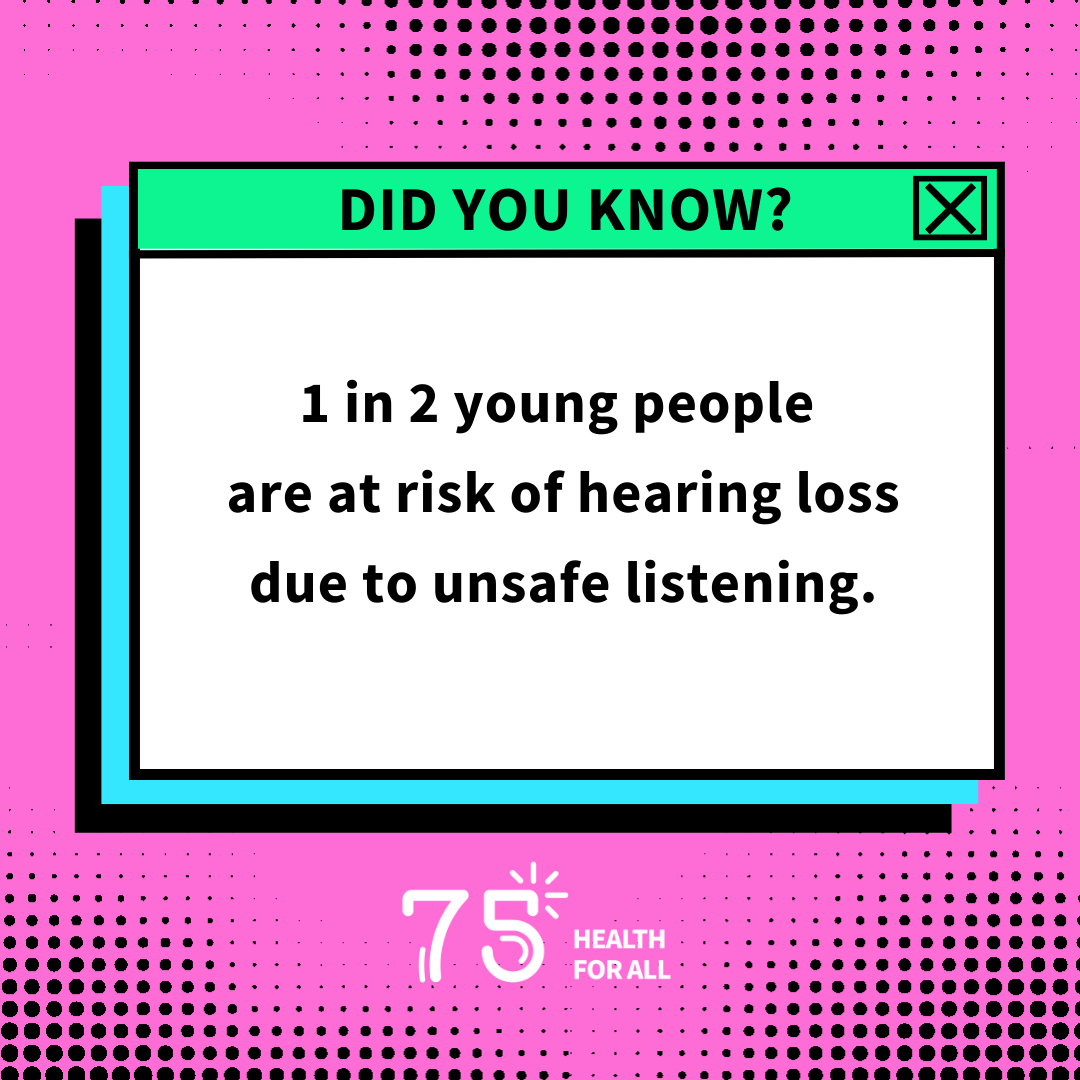
Did you know? 1 in 2 young people are is at risk of hearing loss due to unsafe listening 🔊
Find out how you can protect your hearing:
👂🏻 https://t.co/0bvXNbYgFw
#SafeListening
Funny how some high-profile activists discover “nuance” only after the political winds shift.
Masih Alinejad built a platform loudly aligning herself with hardline positions against Iran—positions that conveniently echoed the interests of powerful governments like the U.S. and Israel. At the time, there was no shortage of certainty, urgency, or moral clarity.
Now the tone changes. Suddenly it’s more cautious, more measured, more… flexible.
That’s not growth—it raises questions.
Because when you help amplify narratives that push the world closer to conflict, you don’t get to quietly pivot when those narratives become inconvenient. Influence isn’t a costume you change with the season.
If you play a role in shaping public opinion on something as serious as war, accountability doesn’t disappear just because the message does.
There’s a pattern we should be paying attention to when it comes to figures like Masih Alinejad.
Masih Alinejad has built a global platform criticizing the Iranian regime and advocating for women’s rights—work that has earned her both recognition and serious threats. But like many high-profile activists operating in geopolitical spaces, her messaging and alliances can shift with changing political dynamics.
That raises a bigger question: when influential voices amplify calls that align with powerful states or interventionist narratives, what responsibility do they carry when those positions evolve or reverse?
Public figures who shape international opinion don’t just reflect narratives—they help create them. And when narratives change, it’s fair to ask whether that’s a response to new facts, or to changing political incentives.
Consistency, accountability, and transparency matter—especially when the stakes involve real people, real conflicts, and real consequences.