@BucklandTom@smead2 The difference is CWD is 100% free range / sporadic, unlike BSE (man-made issue) so very different contain. Freely excreted and remains in soil after animals die. Plus concerns that it could pass via an intermediate host and expand transmissibility onto other species - ominous.
Europe has 1/3 of global measles cases, and >40% are children under 5.
Huge significance to neurologists who will see devastating acute and delayed 'brain' consequences of this.
https://t.co/cR26oQM0Ia
#infection#vaccine#neurology#publichealth#measles
In patients with hereditary transthyretin amyloidosis with polyneuropathy, treatment with patisiran resulted in better outcomes and survival than those receiving placebo. https://t.co/UEAueDVJfZ
It does not have to be fancy to be effective!
We have been studying patients with brain infections such as encephalitis and meningitis for decades. We have developed novel diagnostic tests, and worked on new treatments, but sometimes it’s the relatively simple things that can have the greatest impact.
Our brilliant research Fellow @b5ingh has led an amazing programme over the past five years looking at the early management of brain infections, and trying to understand where it goes wrong, so that we could develop a package of interventions to improve things.
And it’s actually worked!
With hospital stakeholders, policy makers, and patient and public representatives, we co-designed a multifaceted clinical and laboratory intervention, informed by an evaluation of routine practice. The intervention, tailored for each setting, included a diagnostic and management algorithm, a lumbar puncture pack, a testing panel, and staff training.
The study took place in hospitals across India, Malawi, and Brazil.
We found the percentage of patients getting the correct diagnosis increased, they got on the right treatment quicker and there were improvements in functional outcome measures.
Importantly, because we involved policy makers right from the start, and only used interventions which they said they could afford to maintain if they proved effective, these are sustainable interventions which are now being used every day.
And what’s really exciting is that the intervention is already feeding into national practice guidelines and WHO meningitis and encephalitis initiatives, to be scaled up globally.
Here’s a little video which tells you a bit more:
https://t.co/D6e6PyGfvU
And here is the paper just published in the Lancet for those who want to read more.
https://t.co/jz9TKAEaZ4
MDS protocol for NPH workup. Key points including:
- averaging multiple 10m walk trials
- post-LP tests at 3h, 24h and 48h
- 40-50mL tap desirable
- 25% improvement is key
...but first: would the patient actually want / be eligible for surgery? (Easily overlooked!)
#neurology
A 26-year-old woman from northeastern India with no significant medical history presented with a 1-week history of moderate-to-severe holocephalic headache associated with vomiting & significant weight loss of 4 kg over 6 months. Read more: https://t.co/VHaPKlkKJB
#NeurologyRF
Encephalitis isn't as rare as people think, and it's all too easily missed, or diagnosed too late - with awful consequences. I'm sadly aware of those both in my work life and outside of it.
#WorldEncephalitisDay#encephalitis
Today is World Encephalitis Day - the biggest day of the year for people whose lives have been affected by inflammation of the brain. Since its launch in 2014, World Encephalitis Day has reached 628 million people globally in an effort to raise awareness of encephalitis.
#Red4WED
...and before the grammar police attack my title: it'll look weird no matter what permutation you use. This one looked least bad to me!
https://t.co/6T0c5YpmdT
UK neurologists now dual-train in internal medicine. I wrote a short piece on my experiences: https://t.co/NeIzCOzsoq
It was great fun talking with neurologists from Aberdeen & the Highlands on my views, pros/cons, tips to make the most of it, and hear others' views!
In short: I believe we are good for IM and it for us. Neurology is prevalent in hospital patients, neuro patients have comorbidities we can't ignore, our skills are valuable, and we can learn lots from other specialists. But you have to not overstretch, and look after yourself.
This case highlights the diagnostic approach and importance of thorough clinical evaluation of young patients with intracerebral hemorrhages.
https://t.co/D4nSxDi5cA
#NeurologyRF#NeuroTwitter
@MichaelOkun@JAMANeuro I tend to think of it as another neurodegenerative prodrome - akin to in AD and PD etc but probably just shorter due to the faster disease evolution. It was pronounced and severe in variant CJD and pointed towards that entity as a clue (+ dysaesthesia) compared to sporadic.
@smead2 Had a PERM/DPPX-like stiff, jerky, encephalopathic case that ended up sCJD but it took a very late-stage MR to clinch it. This type of presentation can be difficult to distinguish...
1/11
Neurological complications post-transplant are very important for #neurohospitalists and 🧠#residents who see these consults in 🏥. These complications occur in 10-30% of organ and HSCT recipients!! While often multifactorial, immunosuppressants are major contributors.
1/
A 75 yo man with MCI, newly diagnosed atrial fibrillation, and HTN presents with worsening confusion and blurry vision.
BP 186/98, HR 93 (irregular), RR 14.
BP is controlled and an MRI is obtained.
A #ContinuumCase
1/Feeling lucky? Or feeling evidence based?
A thread about an evidence based approach to reading a pituitary MRI, using the Knosp score for cavernous sinus invasion.
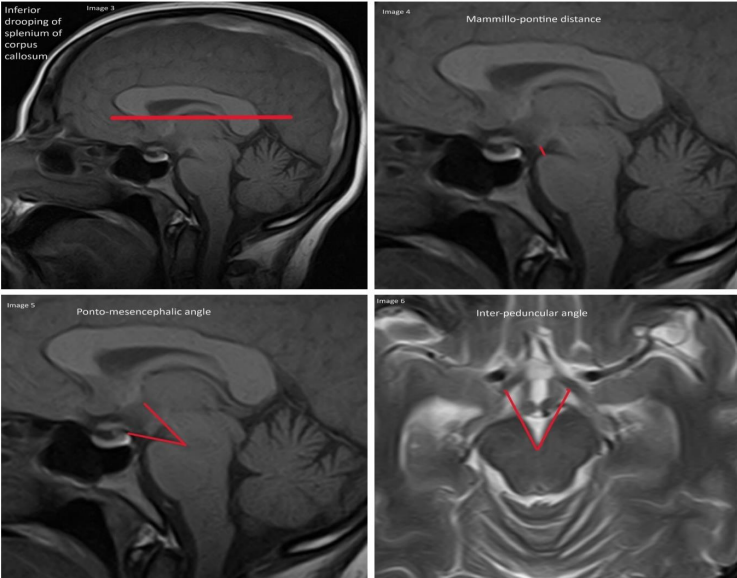
💡Brain sagging signs like reduced mamillo-pontine distance, ponto-mesencephalic and interpeduncular angles, and splenium drooping are key MRI findings in primary intracranial hypotension🗝️🔐
https://t.co/BFk3jVFCTx