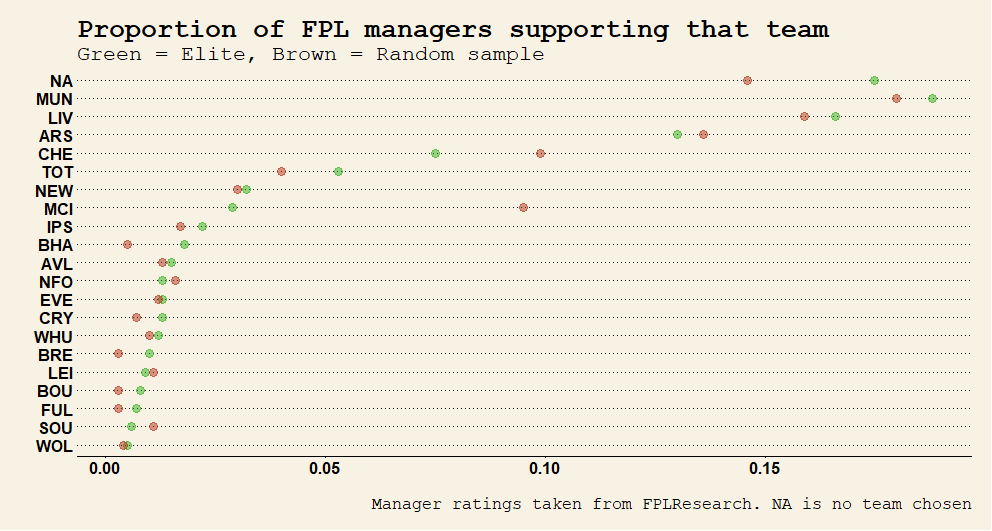
@FPL_Spaceman@PhilFox44956641@sertalpbilal Yip. We found some benefits from ensembling when we did this a year or two back. It does feel like there are others places which may have a better return than trying to figure out the best blend of prediction models though.
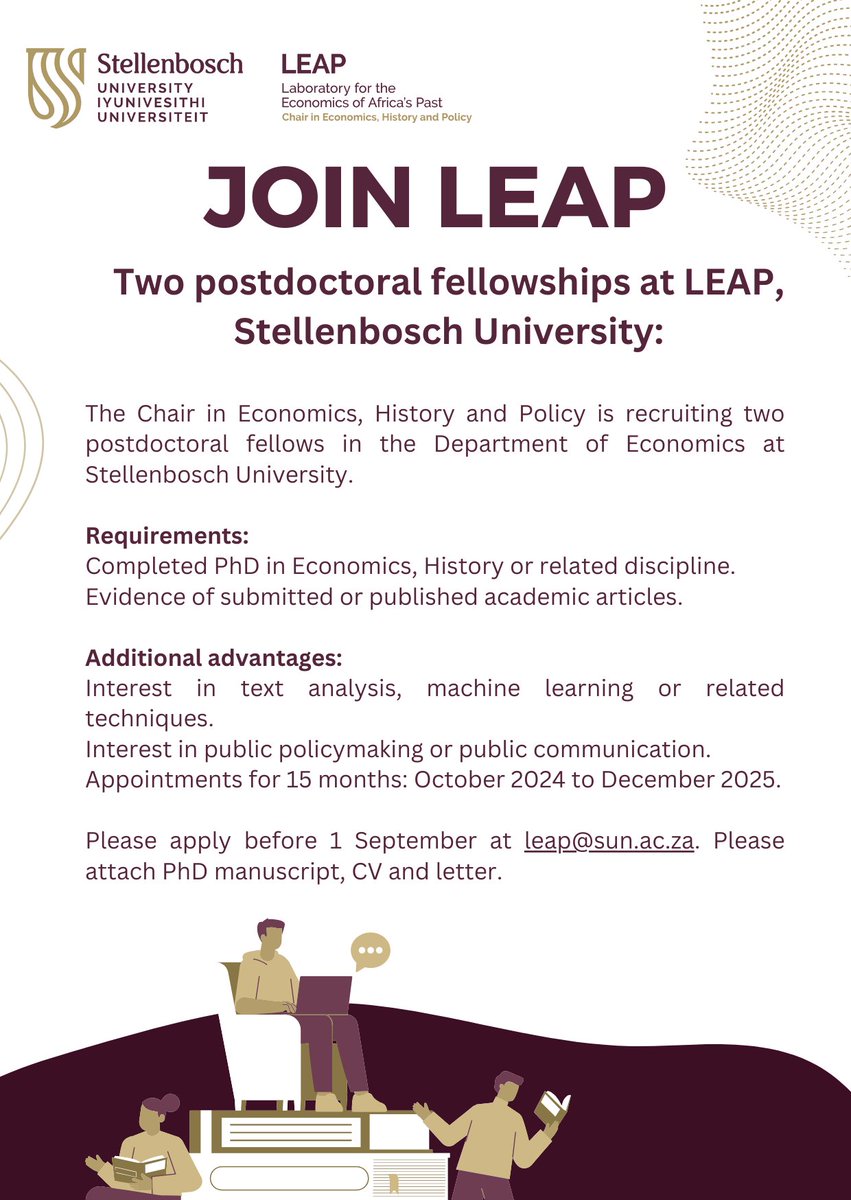
My interview with @tylercowen@StellenboschUni earlier this month is now available online (YouTube, or wherever you listen to your podcasts): https://t.co/JbtAC0R8IB
@sertalpbilal@AR_FPL147 @PointchaserFPL @richclarkefpl@Pras_fpl On average over many GWs, most of the more popular models get the points correct. There is more variance amongst top-scoring players (like Salah and Haaland), but again, the more popular models are pretty good at picking whether one player will score more than another on average
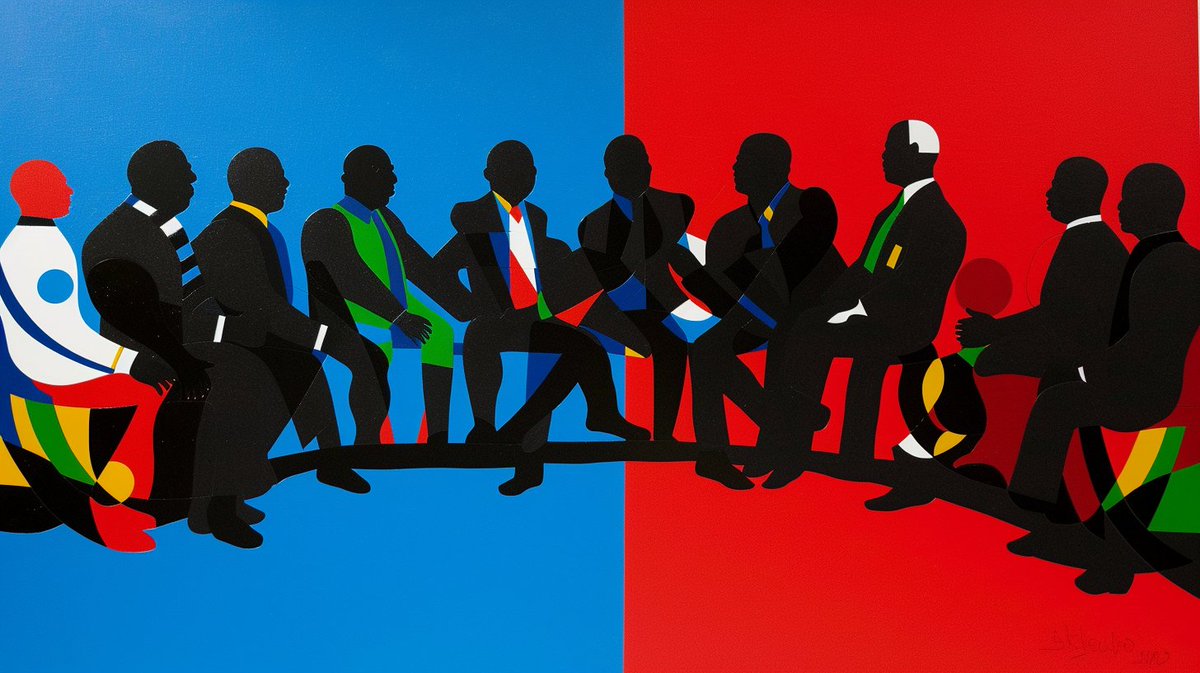
Three weeks before South Africa's elections, I published five alliance scenarios.
My most likely scenario? A Government of National Unity.
This is what I wrote:
1. Government of National Unity
Assuming the ANC gets 43% or less, the most likely outcome, in my opinion, is a Government of National Unity (GNU), a coalition government formed by multiple political parties. There is a historical precedent for this: A GNU was established after the 1994 general elections and was intended to ensure stability during the critical transition from apartheid to democracy. Mandated by the interim constitution, the GNU included the three largest parties: the ANC, NP and IFP. It lasted until 1999.
A 2024 GNU will not be the same as the 1994. For one, the third and fourth largest parties are likely to be excluded from it. The GNU will likely be between the ANC and members of the Multi-Party Charter, plus one or two of those still outside the Charter: DA, IFP, FF+, ActionsSA, ACDP and various other smaller parties. I also expect RiseMzanzi and BOSA, were they to gather significant support, to join in.
I then discussed the economic consequences:
Perhaps this is the best we South Africans can hope for. A GNU substantially increases the economic policy opportunity set – the range of (sensible) policies beyond the current options. It will perhaps introduce greater uncertainty than some of the other options, but it will bring fresh ideas and, most importantly, optimism that things can change for the better.
It won’t be easy, and it will inevitably cause frustration and perhaps even dysfunction, but it can, finally, be a source of growth towards a better life for all. Isn’t that what democracy is about?
The next few days will determine how accurate my prediction was.
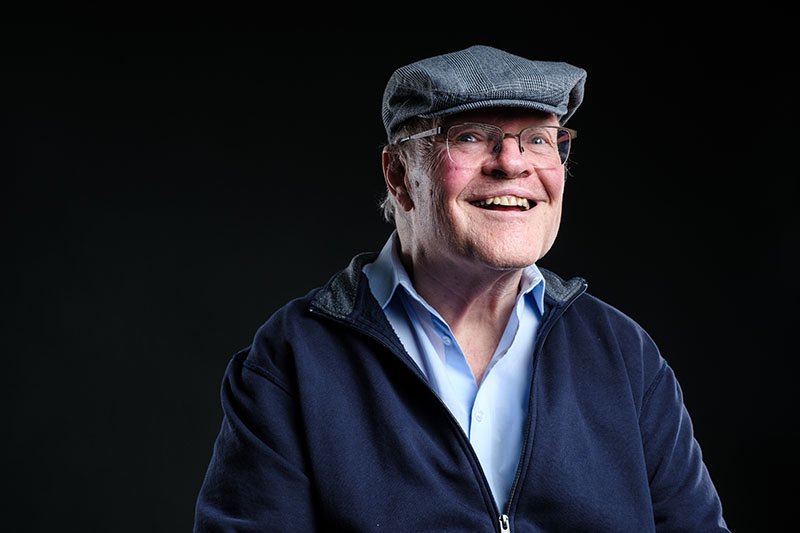
Nice overview of Prof Servaas van der Berg’s contribution to education and social policy in SA. So many of us have benefited from his knowledge, care and good judgement. @StellenboschUni@resepgroup
https://t.co/FdxvyvHNTI