Pleased to share that I’ll be speaking at Actors Pro Expo 2026 in London.
I’ll be running a performance psychology session for actors on managing nerves, focus and audition pressure.
Looking forward to connecting with everyone attending.
#ActorsProExpo#ActingCommunity
Therapist training is fragmented.
One method. One lens. Limited results.
The MSC Method® changes that.
Multi-modal training.
Founding Cohort now open.
Train beyond one method.
https://t.co/dHEnzCZI2K
#TherapistTraining#Coaching#Psychology#MSCMethod
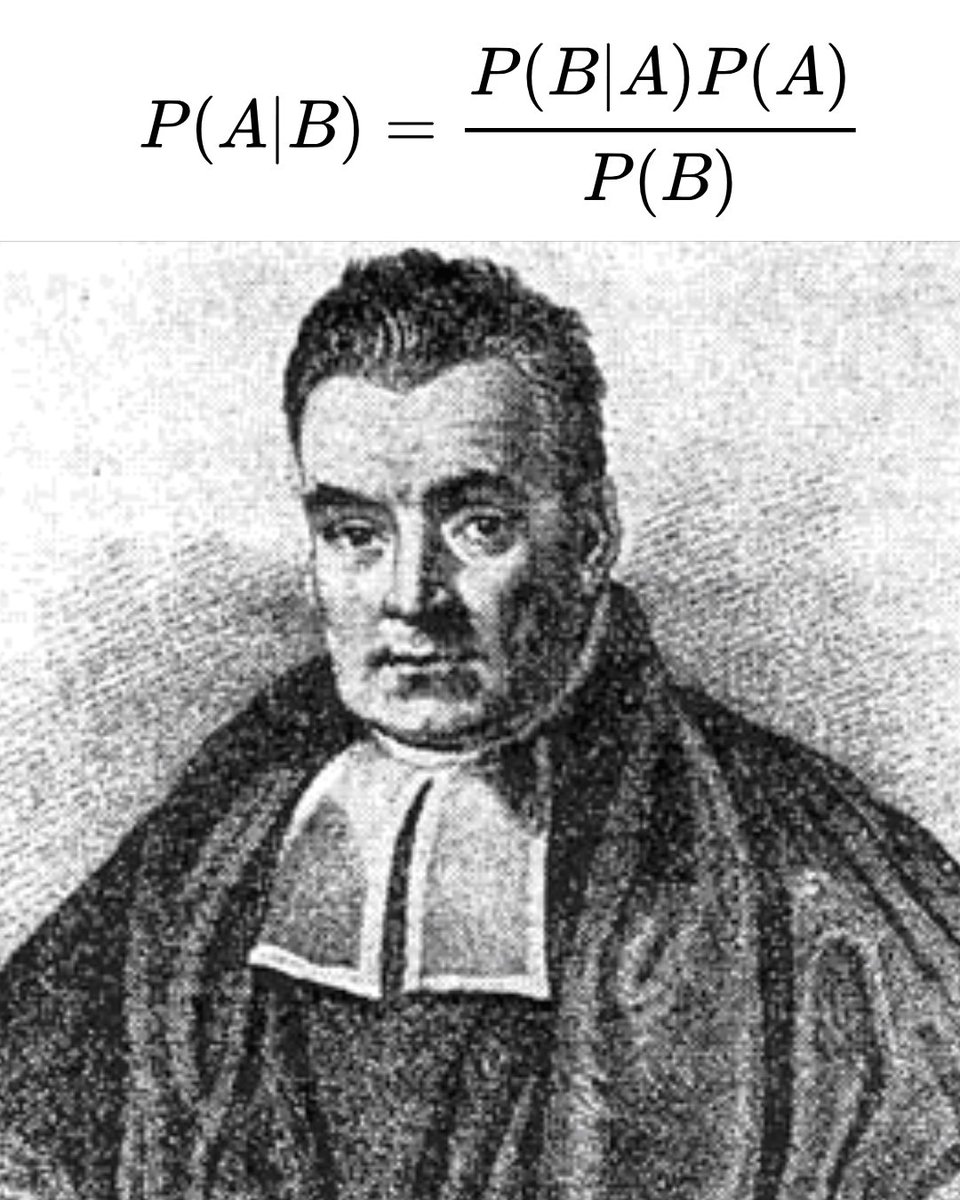
Bayes’ theorem is probably the single most important thing any rational person can learn.
So many of our debates and disagreements that we shout about are because we don’t understand Bayes’ theorem or how human rationality often works.
Bayes’ theorem is named after the 18th-century Thomas Bayes, and essentially it’s a formula that asks: when you are presented with all of the evidence for something, how much should you believe it?
Bayes’ theorem teaches us that our beliefs are not fixed; they are probabilities. Our beliefs change as we weigh new evidence against our assumptions, or our priors. In other words, we all carry certain ideas about how the world works, and new evidence can challenge them.
For example, somebody might believe that smoking is safe, that stress causes mouth ulcers, or that human activity is unrelated to climate change. These are their priors, their starting points. They can be formed by our culture, our biases, or even incomplete information.
Now imagine a new study comes along that challenges one of your priors. A single study might not carry enough weight to overturn your existing beliefs. But as studies accumulate, eventually the scales may tip. At some point, your prior will become less and less plausible.
Bayes’ theorem argues that being rational is not about black and white. It’s not even about true or false. It’s about what is most reasonable based on the best available evidence. But for this to work, we need to be presented with as much high-quality data as possible. Without evidence—without belief-forming data—we are left only with our priors and biases. And those aren’t all that rational.
@PeterDiamandis Hi Peter, I think by the end of the year, SM will be saturated with AI generated content, blurring the lines between biological and compute input. We may start seeing a resilience building in humanity to news sources, potentially starting the transition to escapism
🎭 Actors; Low self esteem maybe sabotaging your castings!
New research shows people with low self esteem are liked less on first impressions.
It’s not about faking confidence, it’s about building a stronger mental foundation.
#actors#actorslife#onstage#acting
🎭 Performers, actors, creatives –
Struggling with stage nerves or imposter syndrome?
Get my Flow State Toolkit – a free mindset reset used by pros:
🎧 5-min calm audio
📄 PDF: 3 mindset traps to avoid
🎥 Bonus video on stage confidence
https://t.co/Nf6HZWJho0
#journorequest
Actors: Struggling with nerves or self-doubt before auditions or on stage? As a former actor turned psychology coach, I help performers master mindset, confidence & presence. DM me for a free guide or quick chat about your goals. #ActorLife#PerformanceCoach