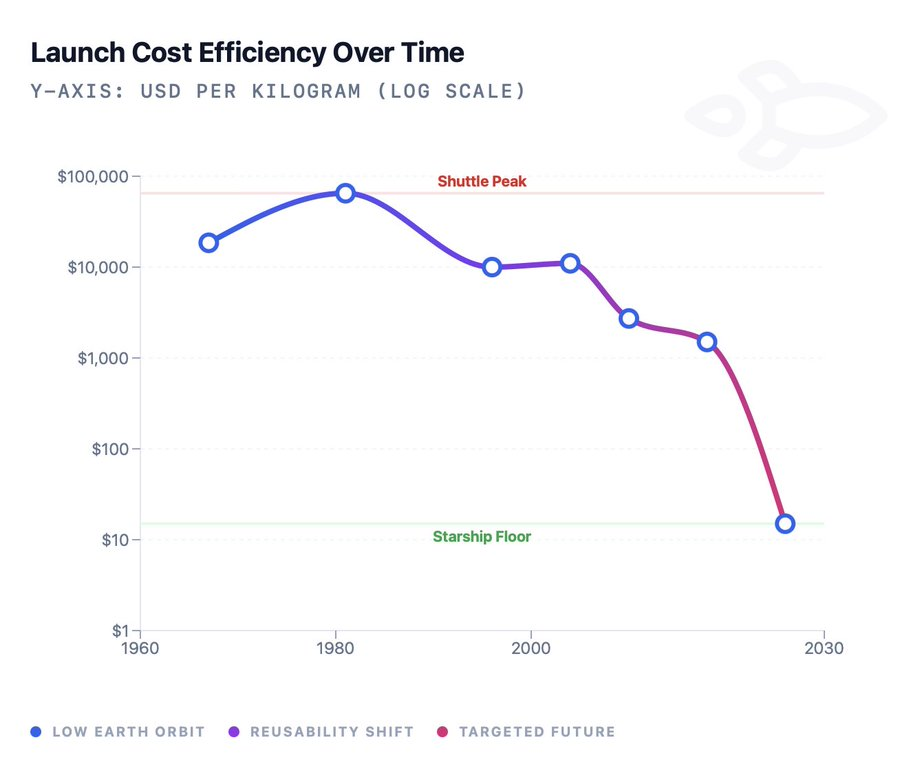
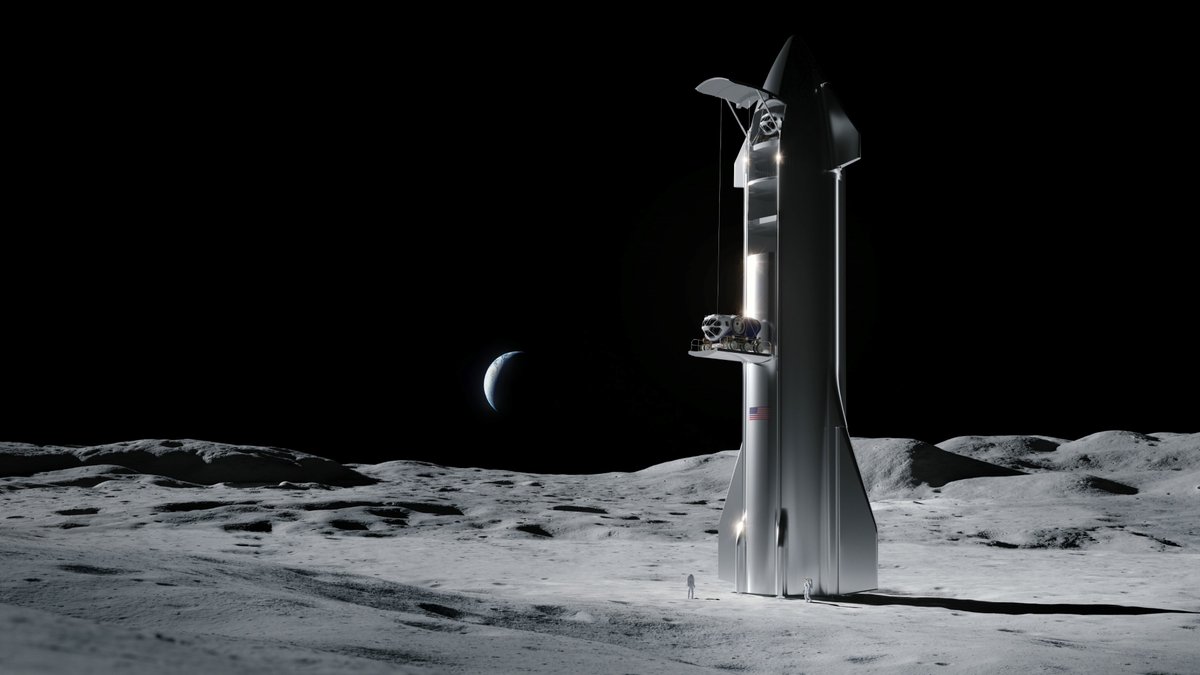
We live on a planet with 1.3 billion habitable years left. We've had rockets for 69 of those years. In that time, the cost of reaching orbit dropped from $54,500 per kilogram to $2,720, and SpaceX is targeting under $100 with Starship. If they hit that number, getting to space becomes 545 times cheaper in a single lifetime.
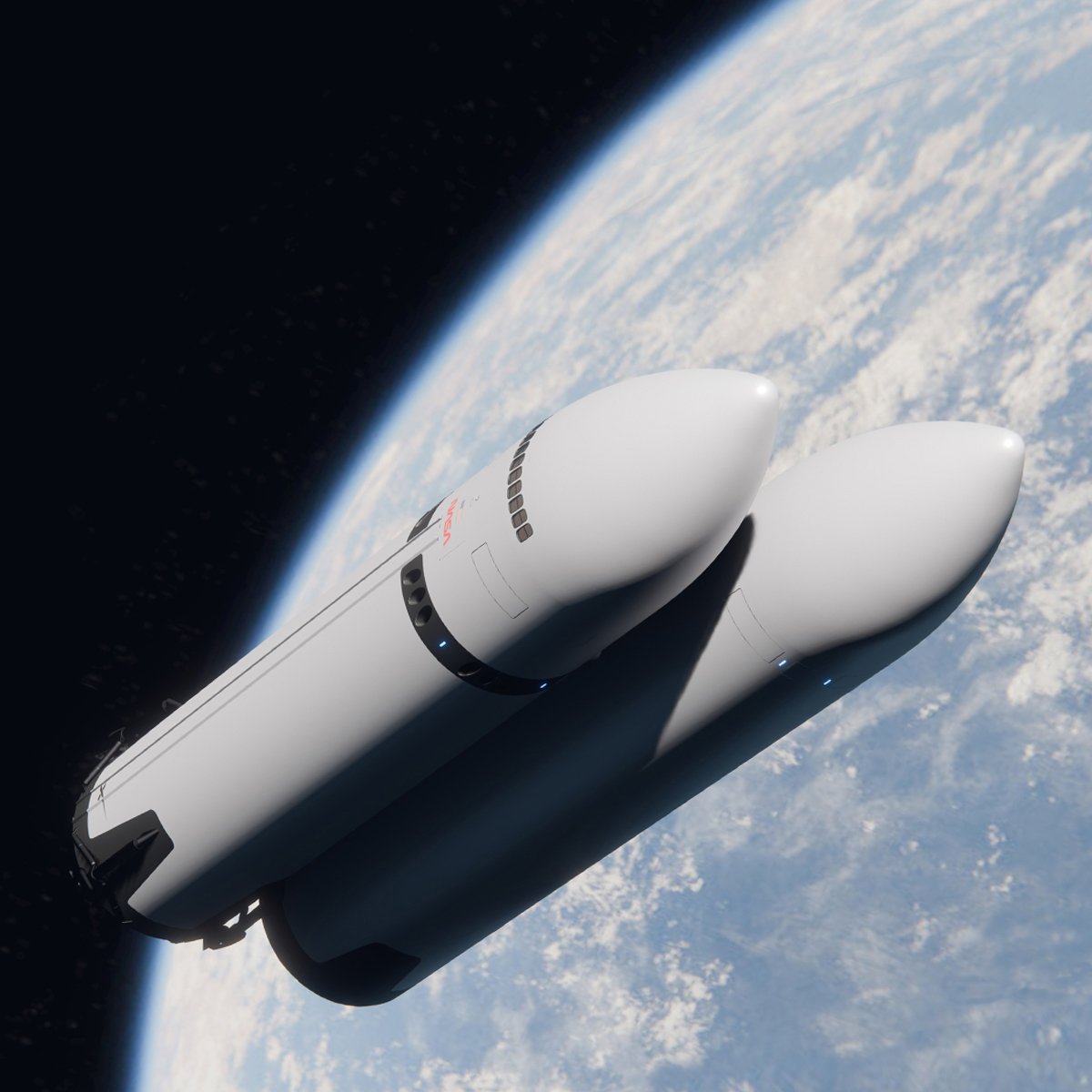
329 orbital launches happened in 2025. Almost one a day. The space economy crossed $626 billion last year and should hit a trillion by 2034. SpaceX just filed for an IPO targeting a $2 trillion valuation, worth more than every airline on Earth combined. Starship, their fully reusable rocket (both stages fly back and land), can lift 150 tons to orbit. The entire International Space Station weighs 420 tons. Three flights could put the whole thing up there.
The engineering side of this is solved. What remains is a survival problem. Researchers published a paper in Scientific Reports calculating the natural extinction rate for humans, how often we'd get wiped out by asteroid strikes, supervolcanoes, the stuff we can't control. Less than a 1-in-14,000 chance in any given year. At that rate, we'd survive millions of years, more than enough to spread across the solar system.
Toby Ord, a philosopher at Oxford who spent a decade studying how civilizations end, puts the odds of a civilization-ending catastrophe before 2100 at 1-in-6. The threats aren't from space. Nuclear war. Viruses engineered in labs that could spread before anyone understands what hit them. AI systems are smart enough to act on goals we never gave them. All things we built ourselves.
A 2017 NASA paper made this case: we have a roughly 50-year window to lock in spacefaring infrastructure before resources run thin and energy costs make a restart nearly impossible. We're 9 years into that window. Given enough time, the math takes this to 100%. The only question that matters is whether we make it through the next few decades without blowing our shot.
Most people will probably miss that this chart is log scale
Meaning it shows a 10,000X reduction in cost
This is quite literally insane. Engineering is magic.
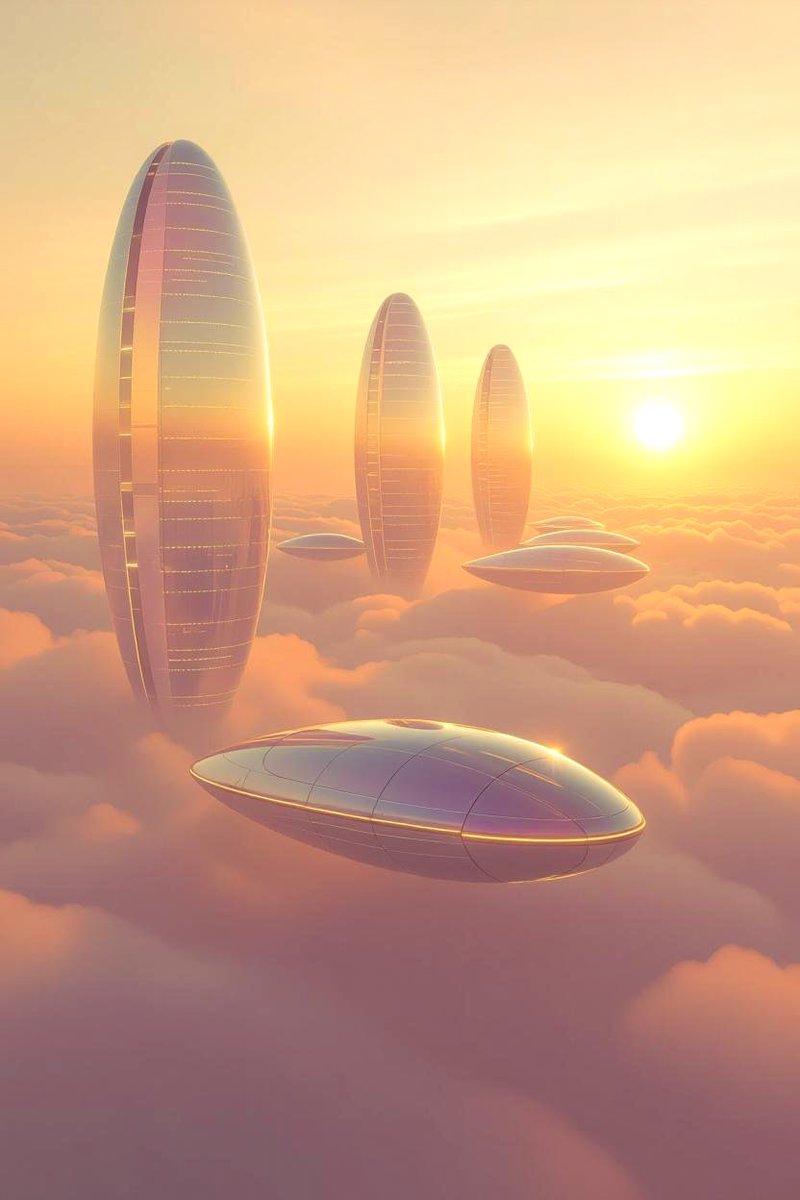
Living in the clouds of Venus, it was an idea Carl Sagan talked about.
I attended one of his Christmas Lectures where he advocated for this and man it was fun to see the audience reaction.
While Mars gets a lot of attention, Venus's upper atmosphere offers Earth-like pressure and temperature, plus better protection from solar radiation, making it a compelling alternative for floating habitats in our solar system.
The @ESA_Envision team congratulates @JAXA_en and the Akatsuki team for reaching a major mission milestone on 18th of September, with the completion of the Venus Climate Orbiter "Akatsuki" mission operations.
🛰️Akatsuki was the first mission dedicated to the Venus atmosphere dynamics, performing Venus cloud tracking by multi wavelength imaging.
📡Major mission discoveries include the discovery of the largest mountain wave (stationary gravity waves) in the Solar System, the mechanisms maintaining the high-speed atmospheric circulation (super-rotation) around Venus with winds speeds above 100 m/s, and the application of data assimilation techniques (popular in Earth's meteorological research) to Venus for the first time.
Interested to know more about the Venus Climate Orbiter “Akatsuki” mission? Please go to: https://t.co/T9J7Dab1Q0
Yeah… “we should go to Venus first” is one of those “I’m very smart because I’m saying something opposite that has a tiny smidgeon of rationality to it” takes that are popular on like Reddit