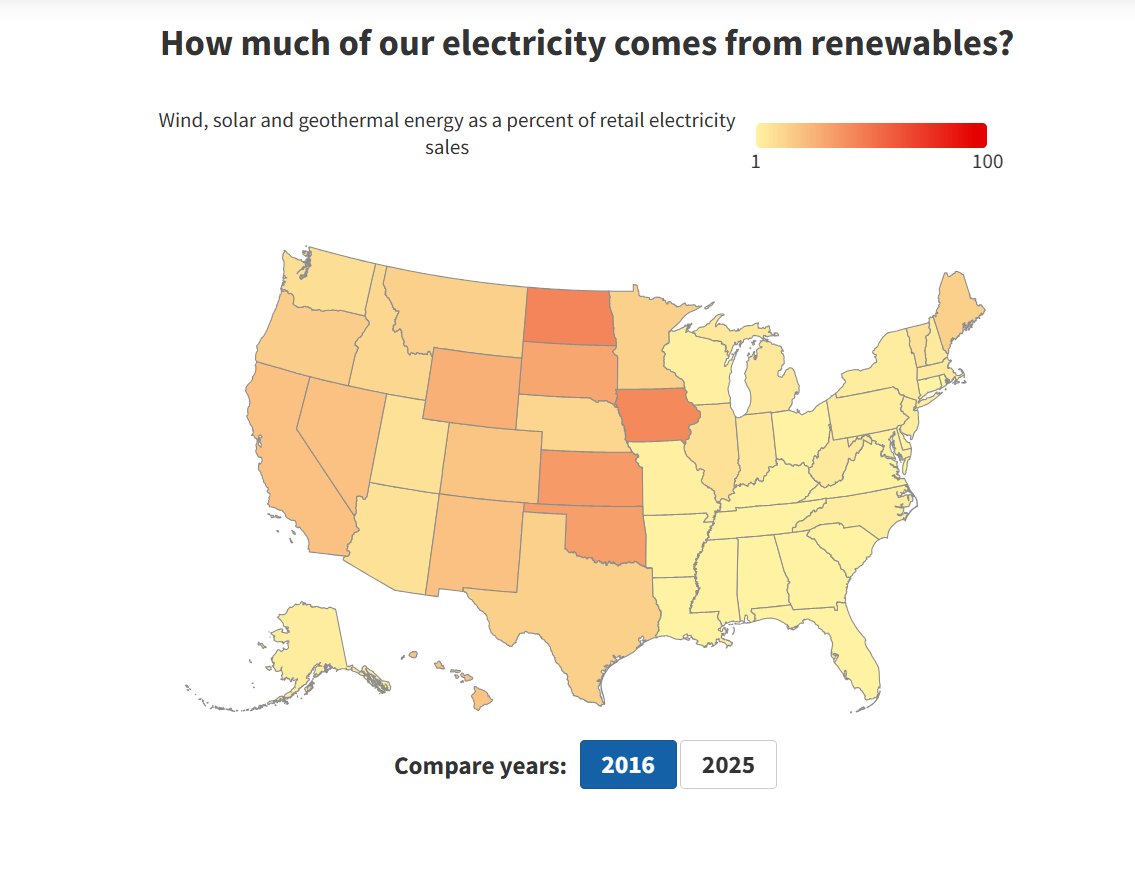
South Dakota produces the equivalent of 95% of the electricity it consumes from solar, wind and geothermal sources. Our “State of Renewable Energy” dashboard with @EnvAm highlights other leading states in the transition to clean energy. https://t.co/GV3f6WEybX
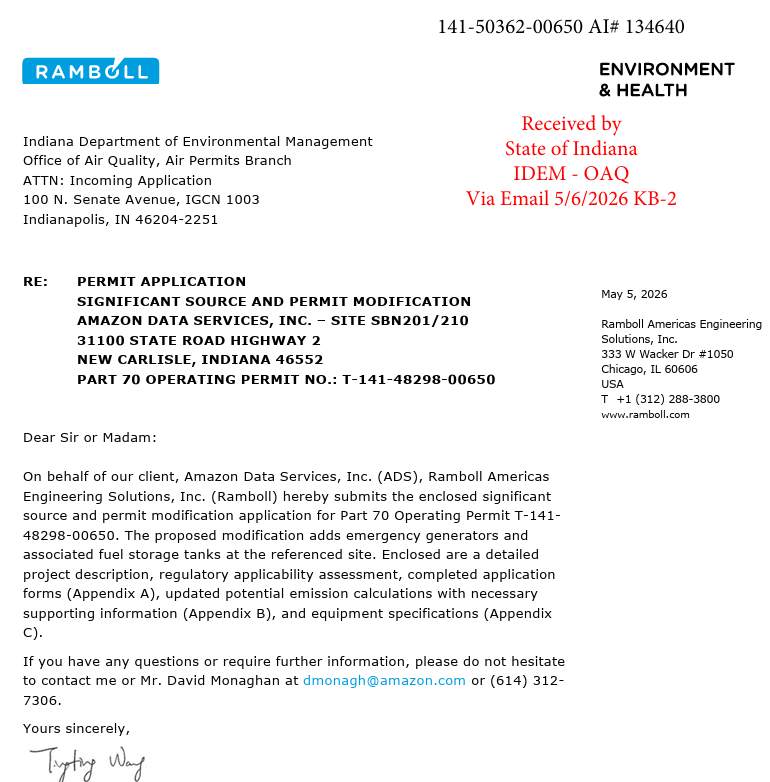
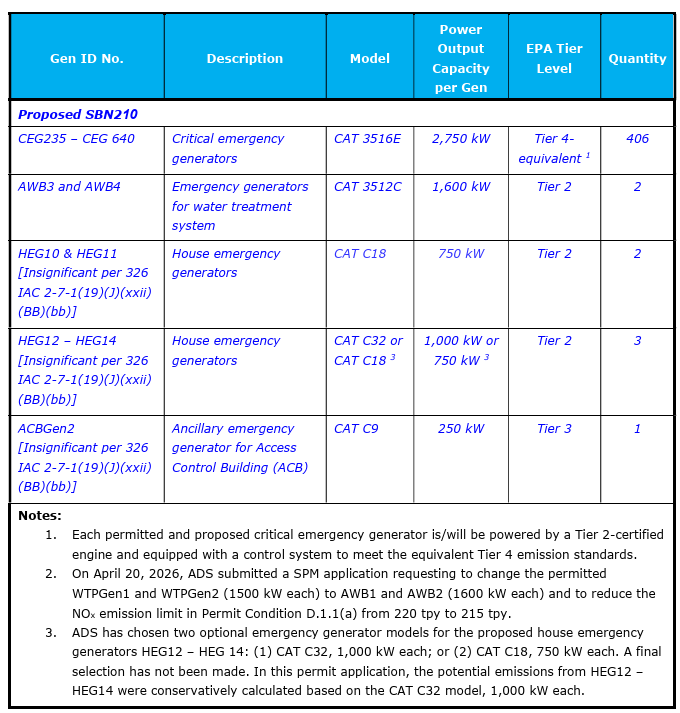
🚨SHOCKING🚨: Amazon proposes an extra 414 backup diesel generators at its New Carlisle, IN data center complex.
This brings the total for Project Rainier to 909 backup diesel generators totaling >2,400 MW.
It will store more than 6.1 million gallons of diesel fuel onsite.🤯
@EcoRXChampion Totally... It's a choice to make. Renewables are abundant and the technologies are better than ever. So, the question is, will we choose to grow electricity load and prolong our dependence on fossil fuels, or choose a cleaner healthier path... https://t.co/Mo777Bnc2C
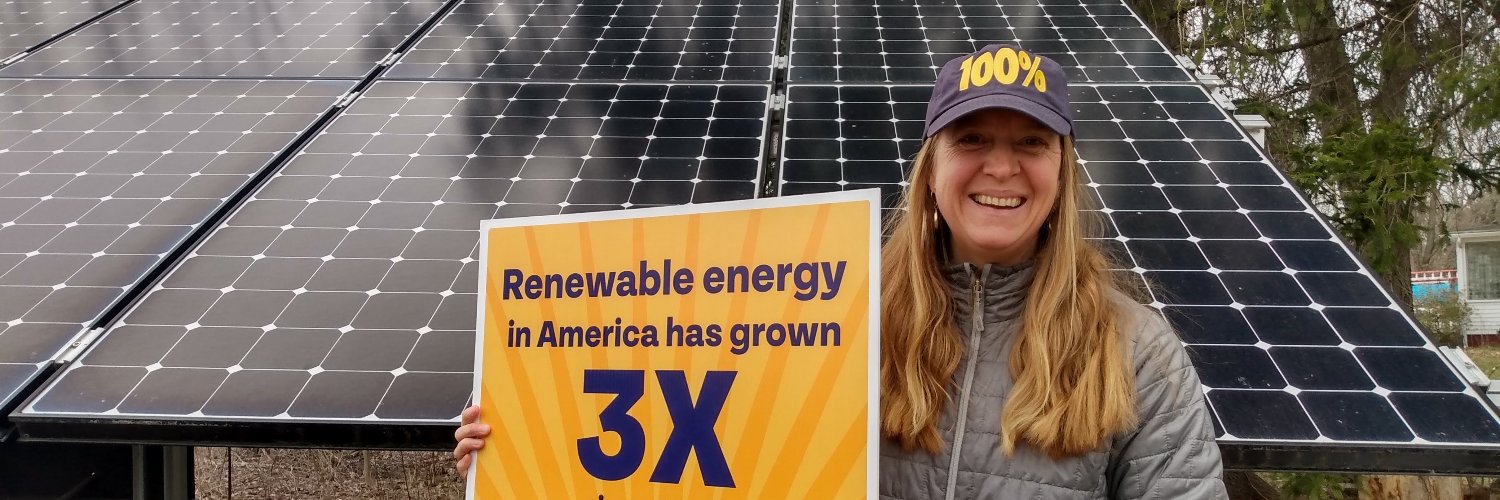
The #solar and wind power we’ve already installed in the U.S. has cut global warming pollution by 900 million metric tons between 2019 and 2022 – an amount of pollution greater than the amount Texas emits in a year. 8/9
Some sold recommendations here from @pewresearch on how to build a cleaner, greener and more resilient electric system focused on rooftop #solar, energy storage, and other technologies that make it possible for us to better manage our own electricity.
How can we make energy more affordable and reliable? Distributed energy resources (DERs)! DERs, like rooftop solar, batteries, and smart thermostats that allow consumers to generate, store, and manage their own electricity. Read @pewtrusts new DER policy playbook: https://t.co/OuBb92X03R
Sharing new research compiled by @EnvAm, @uspirg and @FrontierGroupUS that shows how data center growth threatens air quality and progress toward a cleaner energy grid. ⬇️
New research released for #EarthDayEveryDay finds that despite the rapid growth of renewable energy usage, the even-more-explosive growth of data centers is delaying the transition to a cleaner grid in ways that could harm the air we breathe. https://t.co/VZFumiDlH1
“While data centers use less than 1% of the state’s water today that could grow to 2.6% of our state’s water use, which might not sound like a lot, but when they’re located in some of these more drought-prone areas, the water stress on local rivers or aquifers could be significant,” said Luke Metzger, the executive director of Environment Texas. https://t.co/LqufenxeuU
If we work together, we can bring these reforms to even more corners of America. Join the campaign for More Rooftop Solar, and Less Red Tape, by taking action here. https://t.co/KfIuSiQWsn
Loving this oped from @josefow in @UtilityDive which makes the case that one of the best ways to unlock America's vast rooftop #solar potential is for states to cut red tape that makes solar & batteries more expensive than they need to be. https://t.co/OMZp30FTLy
States are getting with the program. Recently @GovernorVA signed smart solar permitting legislation into law and the MD General Assembly just passed a bill to eliminate obstacles to home solar and storage. https://t.co/UtmETPP4kT