🥰 Self-supervised, label-free 3D cell imaging is here https://t.co/mbU5TvLy2g #epfl#elife
Congrats to @AChRD4 on this very cool first, first author publication 🏆! This started when he was a bachelor's student (and he's now completing his masters!).
And many thanks to my other awesome co-authors: @TheVetFuturist@vmaxmc2@CYHSM Yves Paychere Colin Hofmann @itsasimiqbal@SebHausmann and @stephane_pages! 🙏
https://t.co/PyUnTGFJHh
Congratulations to Stéphanie Lacour for being named 2025 Frijda Chair 🧠✨ She will give her lecture at the ABC Symposium on June 26 in Amsterdam — a well-deserved recognition for her pioneering work in neuroengineering. @ABCsymposium @EPFLEngineering https://t.co/MoEiyonVFe
🚨 Research Assistant Position in Clinical Neuropsychology 🚨
Join us to study self-consciousness alterations in healthy & clinical populations 🧠✨
📍 Geneva | 🗓️ Start: 15/03/25 | 📜
Deadline: 15/02/25
🔗 Details & apply: https://t.co/4zcl76eNi3
Brilliant 🌟 perspective on reward signals and new directions in neurotechnology by two Neuro X researchers @SolaimanShokur@PTVassiliadis with @GDerosiere A must read 🤓
1/5 Thrilled to share our Perspective in @NatureComms! Collaborating with @SolaimanShokur & @PTVassiliadis on this was such a rewarding experience. If you're into motor control and/or reward processing and/or neurotechnology, please take a look! Link: https://t.co/dUNheXN3UD
Have you registered for the Workshop Day on February 14, 2025 at AMLD EPFL 2025? Check out the workshop schedule. https://t.co/iIwGVhPBAr Don't miss out on this unique opportunity to connect with experts & build your knowledge & skills. Get your ticket! https://t.co/j1RIz91j5c
Congratulations 🥳 to Neuro X spinoff Onward Medical, for this recent acknowledgement ! Their work in commercializing @_NeuroRestore research is giving spinal cord injury patients a new lease on life.
ONWARD Medical has been named one of Europe’s top 50 growth companies with unicorn potential according to the Tech Tour Growth50 Listing.
Learn more about the Tech Tour Growth50 List: https://t.co/uOwWmk7qhW
#TTGE#TTGE25#FutureUnicorns#Innovation#TechTour
Harnessing both low- and high-frequency epidural electrical stimulation, researchers devise personalized protocols that foster rehabilitation and walking recovery in two #SpinalCordInjury patients while reducing spasticity. @_smicera@MINE_Neurotech https://t.co/7srDKw8VCL
The Neuro X Institute is proud to have researchers who envision groundbreaking, translational research. And we are even more excited to see industry collaborations that can bring this technology to patients. Bravo to @_smicera and @SolaimanShokur for this important step!
I am particularly happy about this collaboration with BionIT. We are working together to significantly improve currently available prosthetic technology starting from their amazing @Adams_Hand_ ! More hopefully soon 🦾
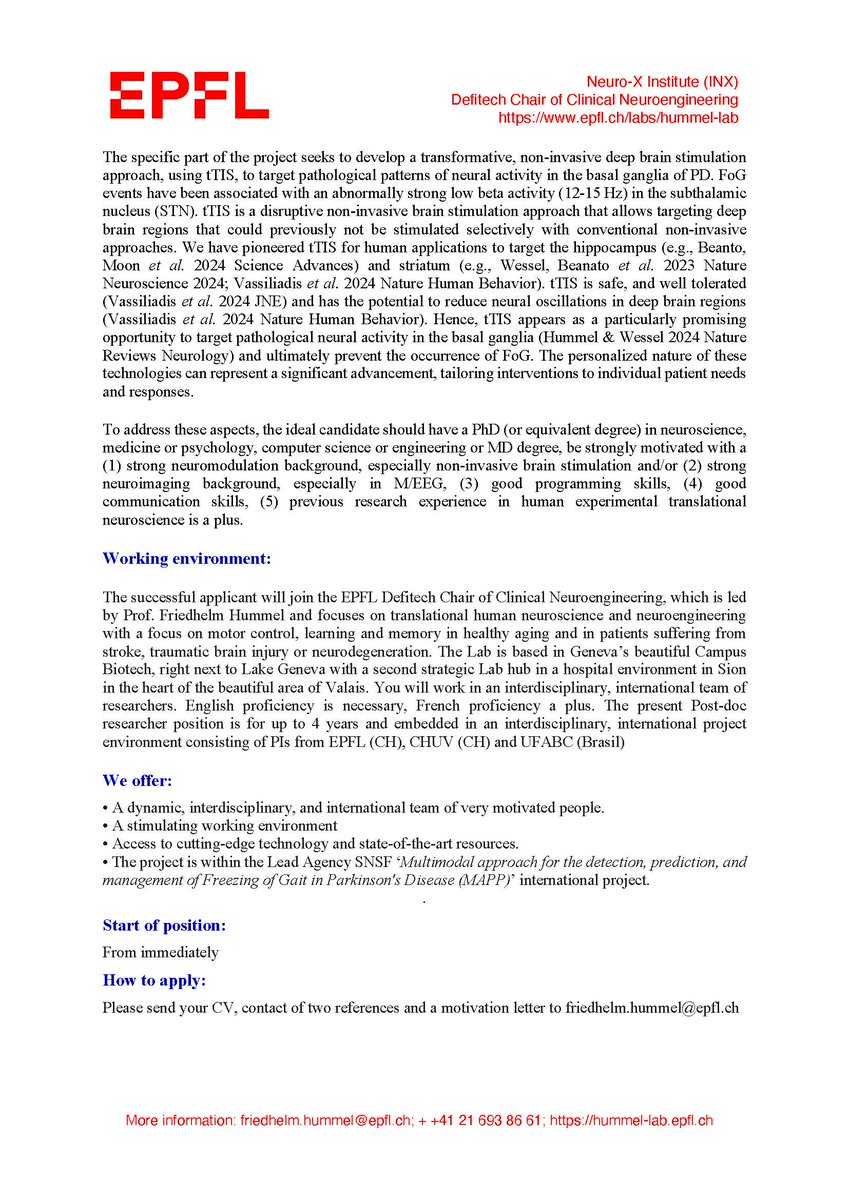
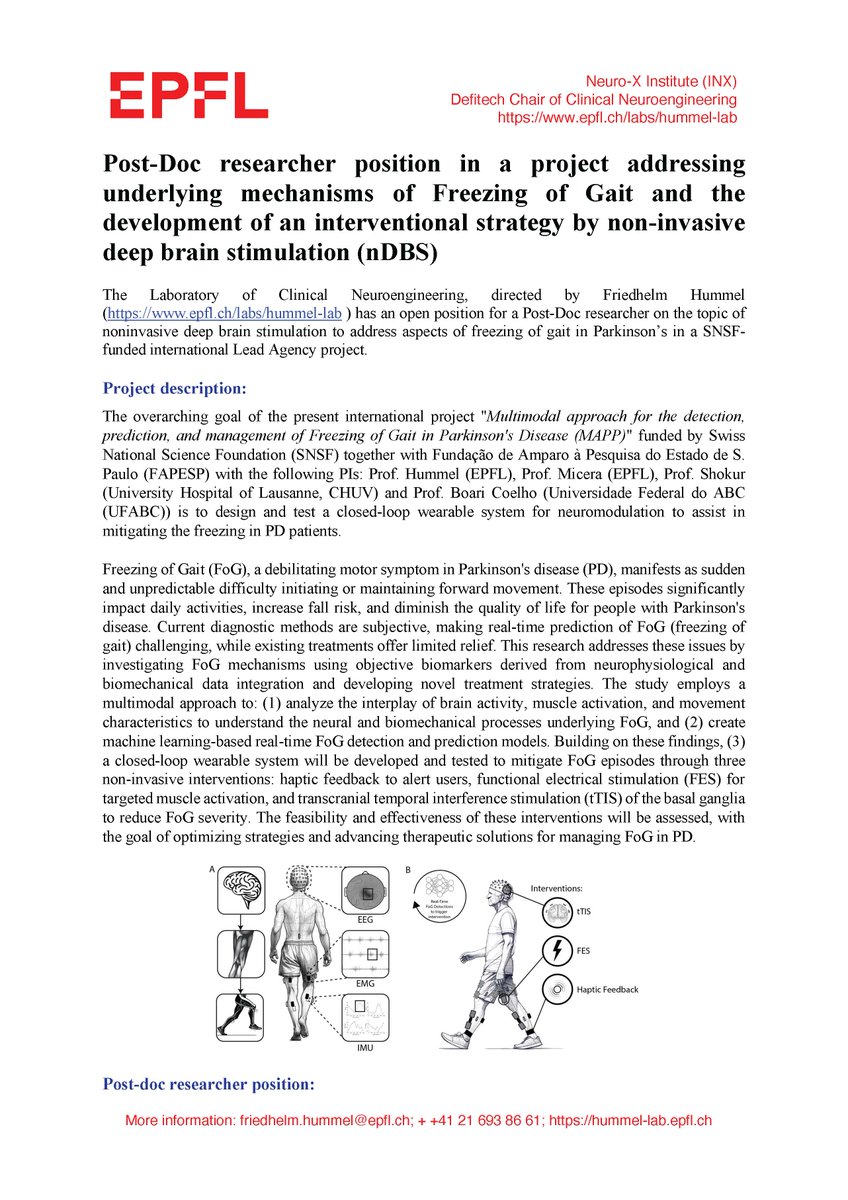
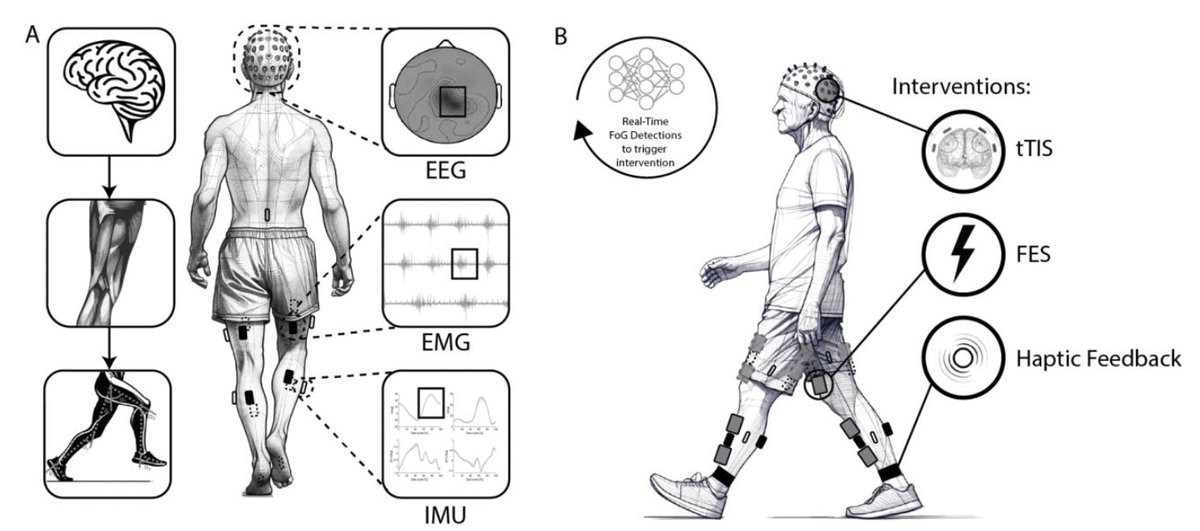
We have an open post-doc position to work on an exciting international project (with @_smicera, @SolaimanShokur & Prof. Boari Coelho) on freezing of gait in Parkinson's disease and develop a new non-invasive temporal interference strategy to alleviate these symptoms.
More info👇
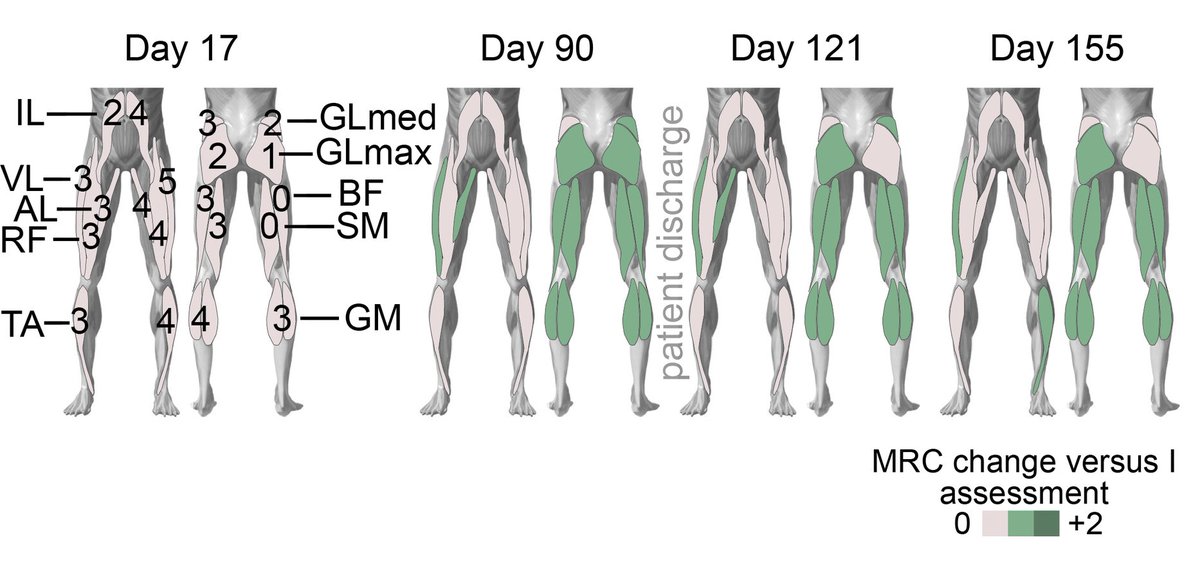
⚡️🚶♂️Thanks to new high-frequency electrical stimulation that blocks spasticity, two paralyzed patients suffering from muscle stiffness after spinal cord injury benefit from rehabilitation protocols for walking again.
https://t.co/GHbFNow61i
We’re excited to announce Professor Grégoire Courtine as the new Director of Neuro X Institute! 🎉 A big thank you to Professor Stéphanie P. Lacour for her incredible leadership since 2022. @EPFL_en@epflSV@EPFLEngineering@ICepfl https://t.co/1RB0cAtUey
GREAT NEWS: @snsf_ch with @AgenciaFAPESP just approved a new @TNE_LAB project to design and test a closed-loop wearable stimulation system to assist in mitigating the freezing in PD patients with @SolaimanShokur@UPHUMMEL_EPFL, Dr. Daniel Boari Coelho and more!
As I said this morning to a distinguished young colleague of mine, we are just "artesans" of sensory information but we are cooking something interesting now...
New research shows deep brain stimulation of the hypothalamus may help spinal cord injury recovery, with promising results from mice, rats, and humans.
Could this be a game changer for rehabilitation? ➡️ https://t.co/DCpeKoCZZJ
A study in @NatureMedicine finds that deep brain stimulation of a region called the lateral hypothalamus improves walking and promotes recovery in humans and rodents with spinal cord injury. https://t.co/KL29keKbtU
🧠🚶♂️By applying deep brain stimulation (DBS) to the lateral hypothalamus, our scientists managed to improve the recovery of lower limb movements in two individuals with partial spinal cord injuries. @CHUVLausanne@unil@_NeuroRestore
https://t.co/KlZPtUyNOF
🧠🚶♂️Nos scientifiques ont découvert que la stimulation de l’hypothalamus latéral permet d’améliorer de manière significative la récupération de la marche chez des personnes souffrant de lésions de la moelle épinière. @CHUVLausanne@unil@Neuro_X_EPFL
https://t.co/uf7G5kcaPT