The Laboratory of NeuroGenetics is a Psych & Neuro lab at Duke University working to identify mechanisms behind differences in genes, brain, and behavior.
Now published in @NatureAging !
We introduce DunedinPACNI, a novel measure of the rate of aging derived from brain MRI, and validate it in three large, independent datasets
https://t.co/8iPdYLHV5s
Check out our new video about DunedinPACE - an epigenetic biomarker our group has developed to measure the human pace of aging. It serves as a speedometer for aging, offering a single-timepoint measurement of how fast a person is now aging.
https://t.co/2M1IX5jmJd
📣 We are recruiting a PhD Student and Postdoc for Fall 2025 - spread the word! The Hariri/Moffitt/Caspi team is a great fit for those interested in midlife brain aging, its origins in early life, and its implications for later life. More at https://t.co/8Bg3O7LTk9
📣📣 We have another exciting opportunity open in our research group at Duke in Durham, NC - we are hiring a data manager! Please spread the word to anyone who might be interested, especially those in the Triangle area. More here: https://t.co/dsWGVqELP0
📣 We are recruiting a PhD Student and Postdoc for Fall 2025 - spread the word! The Hariri/Moffitt/Caspi team is a great fit for those interested in midlife brain aging, its origins in early life, and its implications for later life. More at https://t.co/8Bg3O7LTk9
some people age faster than others – but how should we measure it?
excited to share our preprint where we propose a new measure of the rate of biological aging that can be derived from a single structural brain scan https://t.co/QBGP0tKOSQ
📣 We are recruiting a PhD Student and Postdoc for Fall 2025 - spread the word! The Hariri/Moffitt/Caspi team is a great fit for those interested in midlife brain aging, its origins in early life, and its implications for later life. More at https://t.co/8Bg3O7LTk9
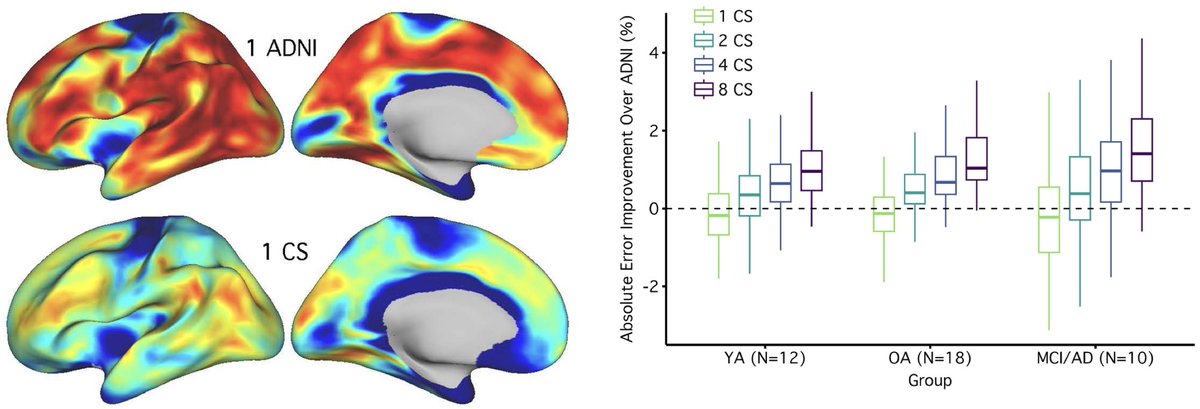
New paper in Imaging Neuroscience by Maxwell L. Elliott, Randy L. Buckner, et al:
Precision brain morphometry using cluster scanning
https://t.co/tzzvmrmgyL
excited to share this new preprint! we show that a DNA methylation measure of the pace of aging, DunedinPACE, is consistently associated with structural brain integrity in three datasets https://t.co/YJj47UNePN
excited to share the preprint of my first project with the Moffit & Caspi lab & @NeurogenDuke ! we show that both motor and cognitive functioning are associated with the functional topography of higher-order brain networks during midlife
https://t.co/lFT2bUzeXe
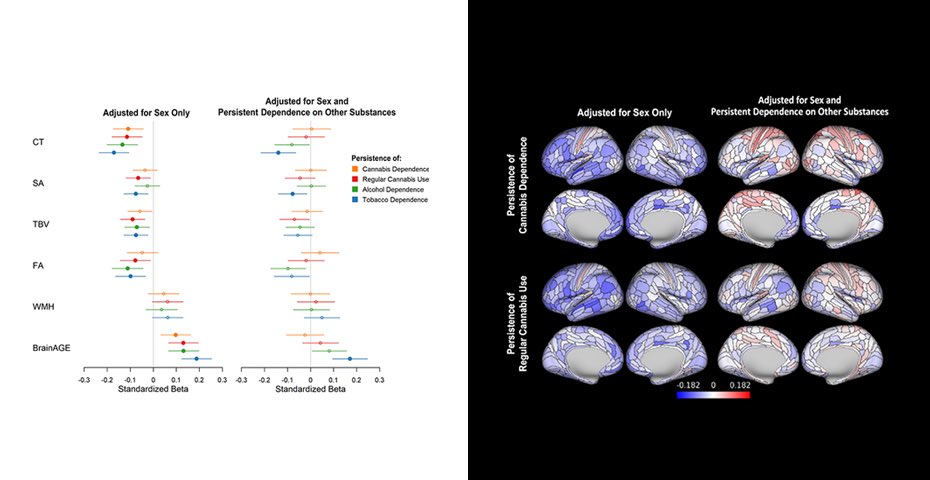
Excited to share our latest publication at @NeurogenDuke! We evaluate brain structure in #cannabis users in the Dunedin Study, finding patterns of reduced integrity, but they are explained by concurrent use of #alcohol and #tobacco.
https://t.co/l4bynNEH4l
Congrats to @DukePsychNeuro prof's Terrie Moffitt, Avshalom Caspi + @NeurogenDuke, who were awarded 3 @NIHAging grants totaling $13M to study:
🔹 if midlife 🧠 scans predict Alzheimer's risk
🔹 why some people age faster than others
🔹 if lifestyle changes curb accelerated aging
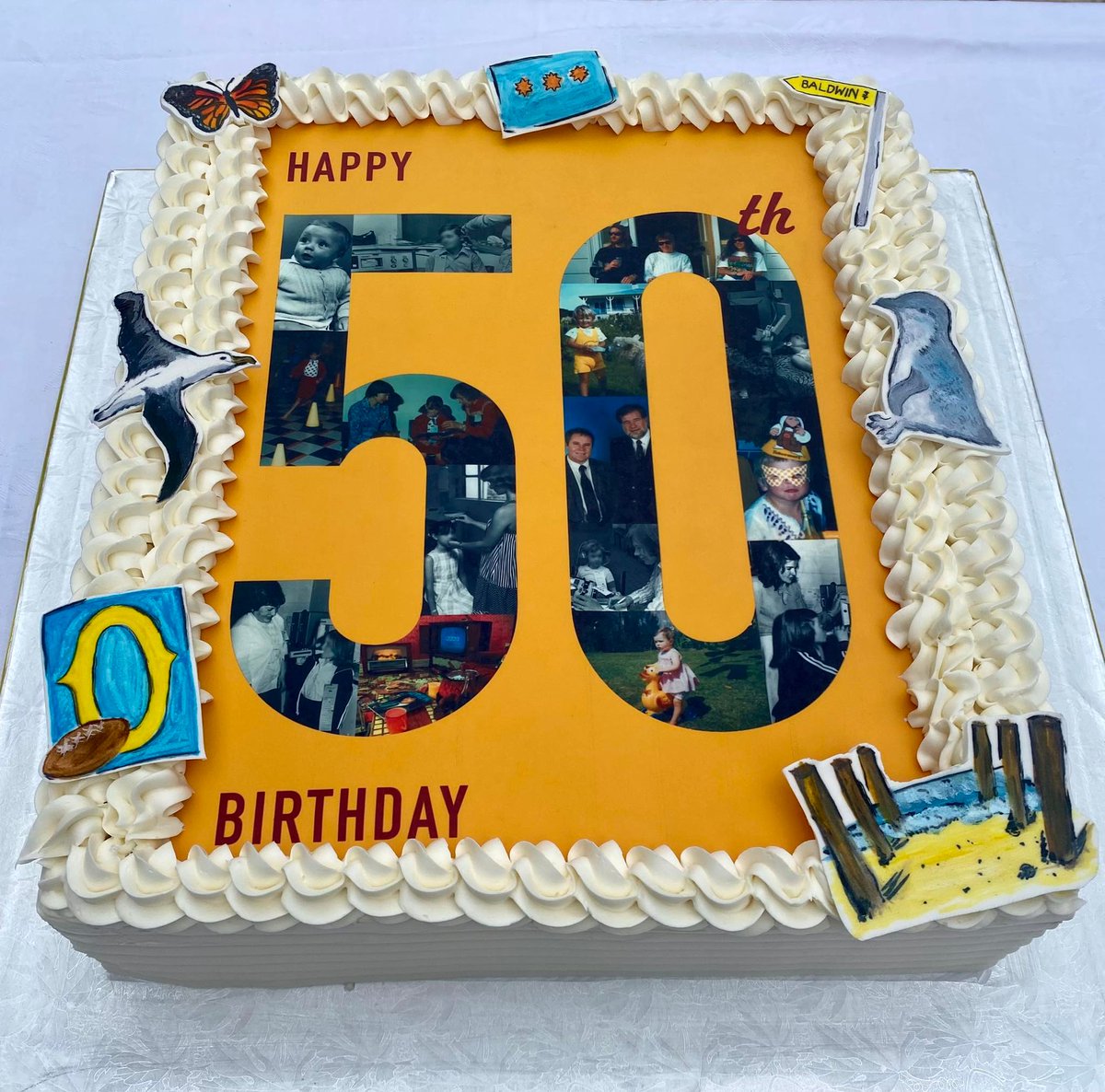
We're celebrating 50 years of The Dunedin Study! 🥳
Congratulations to all involved in this important mahi over the last half-century. Most importantly, we are indebted to the 1037 student members who have shared so much of their lives with us. Ngā mihi nui ki a koutou.
DIBS professor of @DukePsychNeuro Ahmad Hariri PhD (@NeurogenDuke) creates colorful brain "road maps" to chart the biological routes leading to individual differences in behavior and risk for psychiatric and neurological disorders 🌈🧠 https://t.co/XP7U1MO9Lf
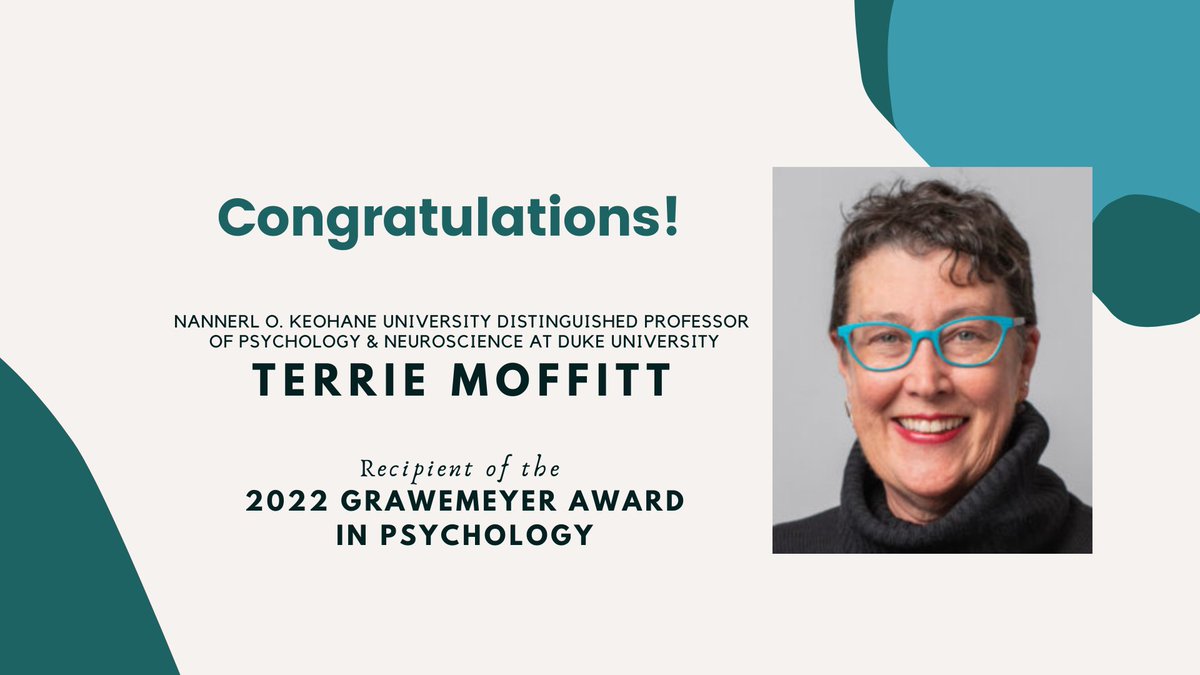
Congratulations to Terrie Moffitt, winner of the 2022 Grawemeyer Award in Psychology whose research over the past 25 years has provided insight on the nature of juvenile crime – leading to changes in how the courts prosecute juveniles. https://t.co/8mQFzeN1mN
@DukeU@DukeTrinity
A new Data Partner joins #alzGAAIN! The Dunedin Brain Imaging Study (DBIS) from @NeurogenDuke studied neuroimaging data from over 800 subjects in Dunedin, New Zealand to understand healthy and unhealthy brain aging.
Learn more on the #GAAINInterrogator: https://t.co/FYAsykSYun
Low ICCs in task-based fMRI, why the Hariri lab (@NeurogenDuke) started focussing on structural MRI for studying reliable individual differences, and how reliability can be improved for fMRI (from 17mins on): https://t.co/NtbhRKHr24 @OHBM