Lets start a thread of practicing changing publications of 2023 in #neurology (including all subspecialties) for #MedEd.
I'll start with @TENSIONstudy in @TheLancetNeuro (https://t.co/2HSrbPs81C) which showed in large core patients (ASPECTS 3-5) using CT imaging selection, EVT was associated with ⬆️ functional outcome and ⬇️ mortality compared to medical management👇
This Core Curriculum by Susan L. Murray and Myles Wolf reviews the physiology and pathophysiology of calcium and phosphate disorders through a series of cases, including clinical conundrums commonly encountered by nephrologists: https://t.co/NOOYpWruzk (FREE)
@DukeKidney
Top 10 #NeurologyToday stories of 2023, No. 3: From June: As the first #antipsychotic drug for treating #agitation in #dementia gained approval, experts shared the risks and benefits of the drug and non-drug approaches for those behaviors: https://t.co/jwSqgZ3TFO
#NeuroTwitter
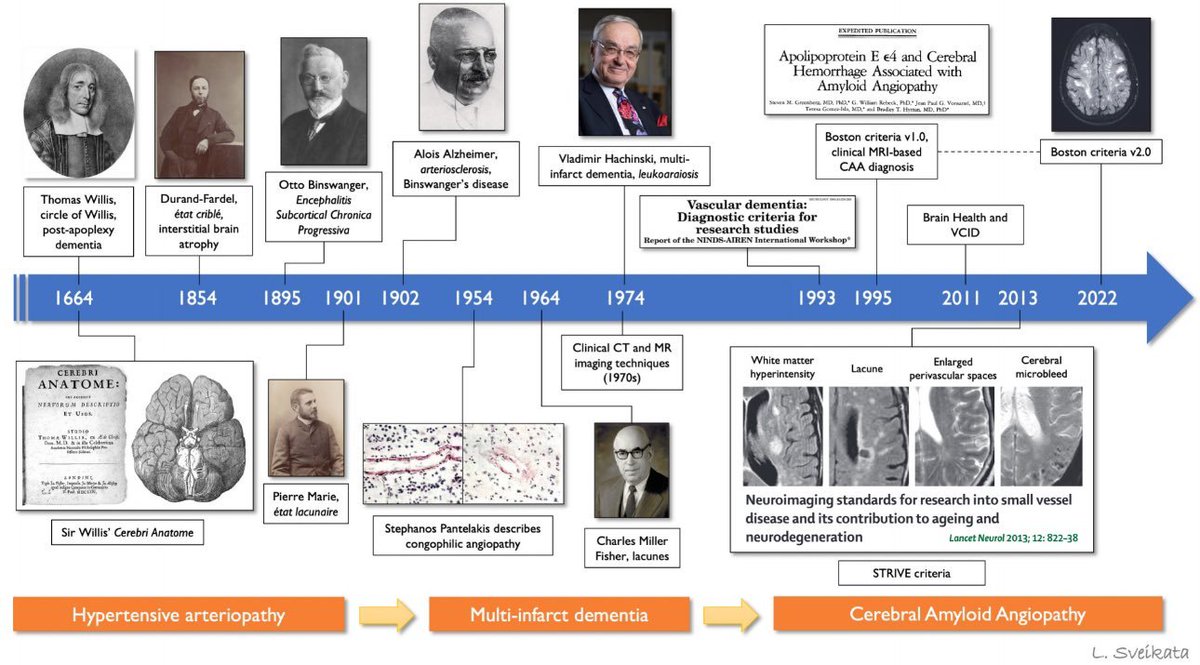
Why study the history of neuroscience?
- to understand the fallibility of science
- to see how discoveries occur
- seeing how ideas have changed (and are always changing) promotes flexibility
- fun stories ❤️
I'd love to see more history in med school! https://t.co/RwO1jF4l0w
A new image for Parkinson appeared in 2023 and now has made it to Wikipedia. Change your mind in 2024 and think beyond the old man sketch. https://t.co/zqiznAr0U9 #parkinson
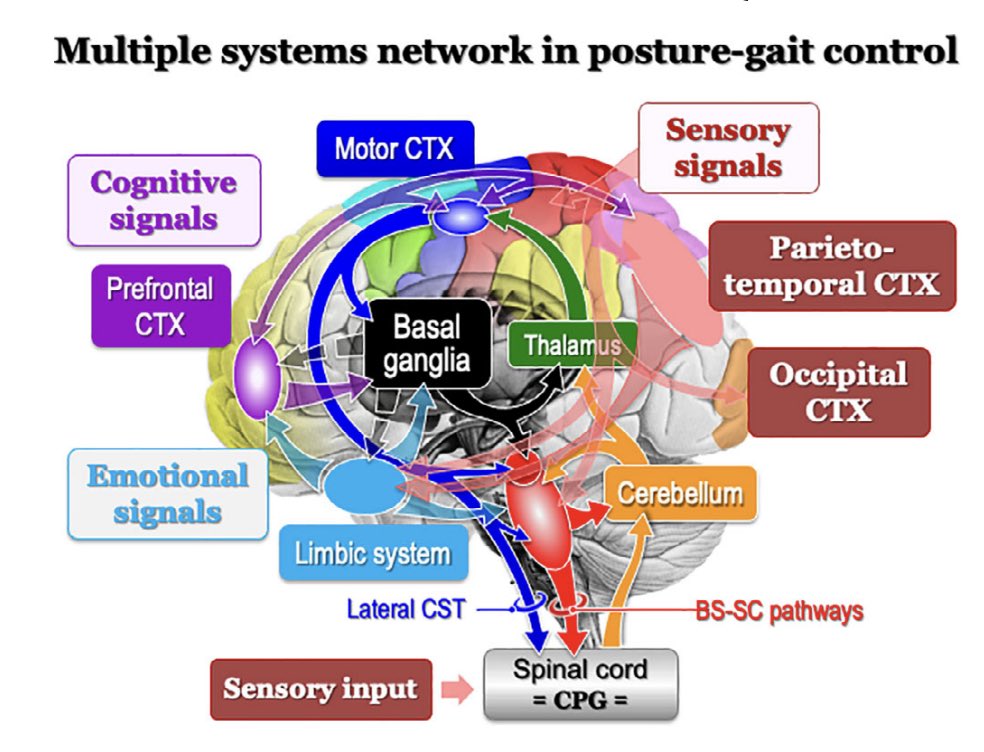
Walking is complicated.
This figure is a great reminder that non-motor symptoms, like cognition & anxiety, are heavily intertwined with motor symptoms, like walking & freezing, in PD.
#MedEd#NeuroTwitter#NeuroX#MedX#MedTwitter#Neurology
https://t.co/kow2QehnTV
The 2023 news had you talking on social media, No. 3: From August: An automated #ArtificialIntelligence program distinguishes normal from abnormal #EEGs and identifies the type of epileptiform activity: https://t.co/sNWhwv0lnr
#NeuroTwitter#epilepsy#seizure
Myasthenia gravis is a rare autoimmune disorder that causes muscle weakness.
This JAMA Patient Page describes the autoimmune disorder myasthenia gravis and its symptoms, diagnosis, and treatment strategies.
https://t.co/ofKnIA9X9O
When it comes to prescriptions, some physicians and patients don’t know when to discontinue.
But the risk/benefit ratios of medications change over time, and patients may do better without some drugs.
@RitaRubin reports on deprescribing. #MedicalNews
https://t.co/lQrsHwmnU4
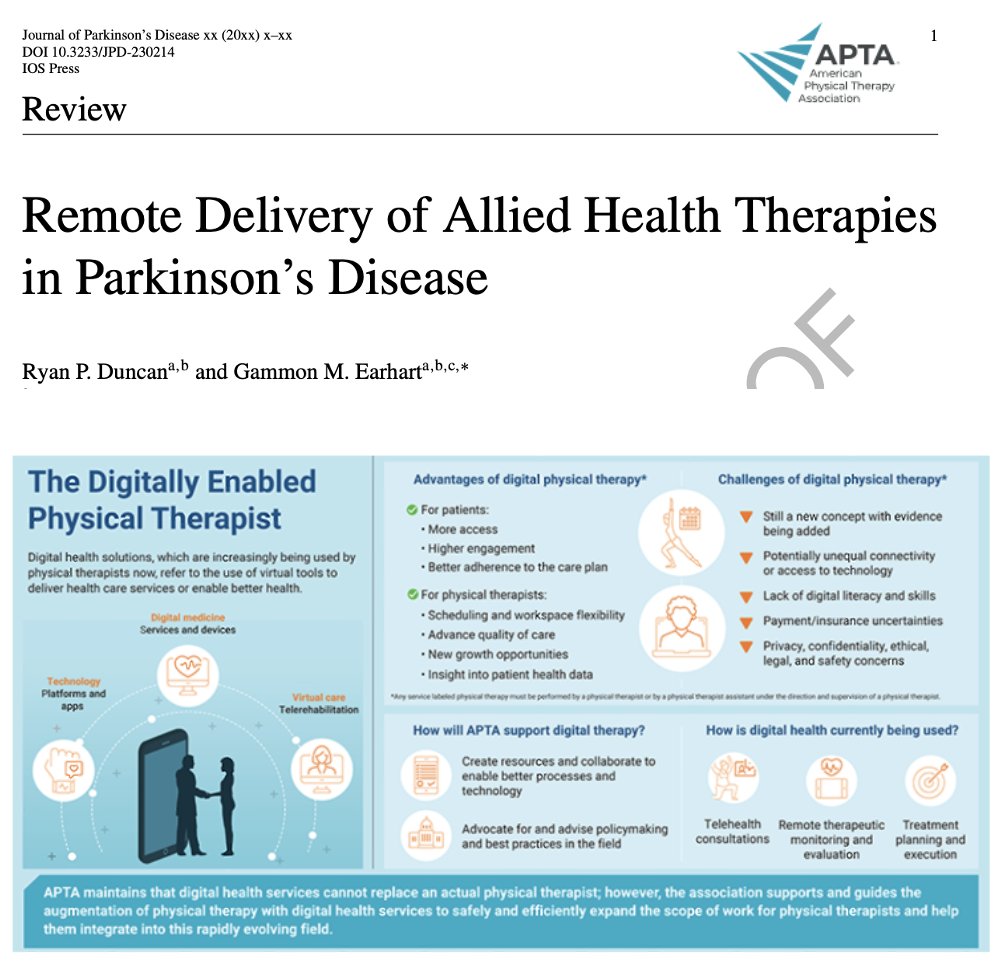
Will we see remote delivery of physical therapy for Parkinson's disease in 2024? How about occupational and speech therapy? What are the challenges and opportunities? Duncan and Gammon review @journal_PD
Key points:
- Remote delivery of allied health therapies rose since the COVID-19 pandemic.
- American Physical Therapy Association says ~33% of physical therapists already use telehealth.
- Pre-pandemic was ~4%.
- Big challenge is access. Do folks have access to appropriate technology.
- Ownership of smartphones is lower among those who are over 70.
- Big challenge is safety. How to conduct telerehabilitation and prevent falls and injury.
- How can we make it satisfying? One study: Slightly more than half (53%) of participants in a home-exercise program rated it 'satisfying.'
- Home based also seems to possibly have less adherence.
- One opportunity is patient burden: can you reduce travel time and costs, parking and caregiver burden.
My take: I am a big fan of continuous year round exercise, physical therapy and allied health programs for persons with Parkinson's disease. This is in my opinion much better than 'burst therapy.' I think we need to be proactive and preventative and if for some folks this means facilitating programs into the home so be it. It should not be a one size fits all, however we have to think about helping the 'many' rather than the 'few.' I like the analogy of the 'dental model' the authors use, however I would say for Parkinson's disease we need the dental model on steroids.
https://t.co/PRca8Afyr7
Can you identify 'belly dancer's dyskinesia?' How about we show you a case due to status epilepticus? Amazing video and EEG was documented by Hurtado-Bedoya and colleagues @GreenJournal
Key points:
- Involuntary rhythmic contractions of the left side of his abdomen.
- This followed treatment of a chronic right fronto-parietal subdural bleed.
- EEG correlated w/ periodic lateralized discharges in right posterior region.
- Diagnosis was clonic abdominal seizures.
My take: These cases are very rare and as the author's mention you should think about 'brain tumors, brain metastasis, CNS infections, cortical dysplasia, stroke, and as in this case post-surgical complications.' The movement was rhythmic, regular and seemed to be left sided, and these were all clues a seizure could be underpinning the movement. Be careful with these cases as there can be a wide differential diagnosis. If for example the phrenic nerve is tickled, you may need to look for a cardiac origin. Look for diaphragmatic flutter and notice whether synchronous w/ systole. If the cause is central (brain) it could persist in sleep. Many experts have been humbled as belly dancer dyskinesia cases can turn out to be functional movement disorders. Experts sometimes use distraction and breath holding, however there is no one test which can sort out a functional case. My advice is be humble, video the case at each visit, and follow the person over time. Have a low threshold for an EEG and MRI if you suspect a seizure. Bravo to Hurtado-Bedoya and colleagues for sorting this case out.
https://t.co/rMzrhnx4e9
New Research: Computed tomography hypoperfusion-hypodensity mismatch vs. automated perfusion mismatch to identify stroke patients eligible for thrombolysis: Background and purpose
Automated perfusion imaging can detect stroke patients with… https://t.co/PVazPICIPZ #Neurology
Checking in on those with FND: how are you doing?
One thing this condition doesn’t do is conveniently go away at times which should be “happy”, “merry” or otherwise.
Hope you’ve all managed to have a decent one in spite of it. 🎄