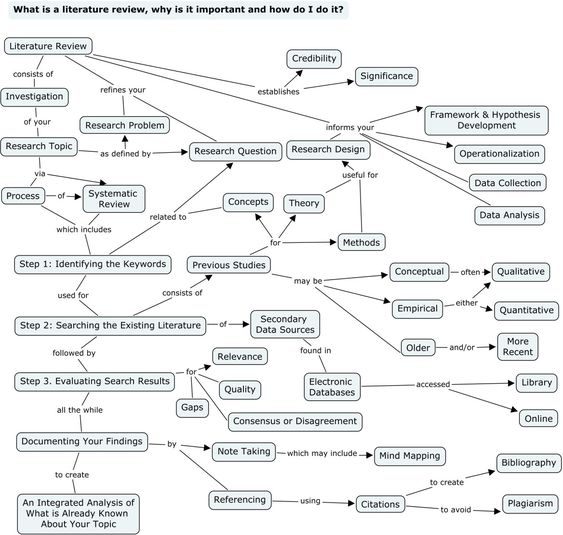
A resource mainly for under- & post-graduate students with a strong focus in behav. neuroscience & neuropsychopharmacology. By The Vlachou Lab Research group.
Higher perceived e-cigarette harm is associated with both quitting and substitution to other tobacco products, find Catherine Nagawa et al.
https://t.co/LGqVZWFLkv
Surveys may misclassify people who vape cannabis in an electronic nicotine product as exclusively vaping nicotine, leading to inaccurate assessments of use, find Cara Drake et al.
https://t.co/Z5xcKsJEa9
A 2024 #ScienceReview highlights the growing recognition of the complex cognitive capacities of #rats and its implications for how they are treated in scientific contexts. https://t.co/8VQDjIKcR5 #ScienceMagArchives
This event is absolutely worth making your way from SfN San Diego headquarters to UCSD campus.
Now more than ever, we need a supportive and open academic culture, and our event is all about that.
Open for free to everyone. Register for details.
About 80% of chronic disease is preventable but the evidence-based measures that prevent chronic disease compete with industry-led measures to promote food, alcohol, smoking, vaping & sedentary lifestyles. Govt must put public health before private wealth
https://t.co/sveL35xYTk
Thank you to all who celebrated 5 years of DCU Psychology!
We reflected on our history, shared our current story, and looked ahead. A special thanks to alumni Michelle, Clare, Emmet, Dean & Aisling, and to staff sharing exciting projects shaping our future.
Thank you to all who celebrated 5 years of DCU Psychology!
At our evening event, expert speakers @StellinaVlachou@LornaCrean@BrianPennie@CatherineFassb1 & Dermot Gough of the Dales Centre led a powerful discussion on pathways to recovery from substance misuse.
Join DCU Psychology in celebrating its 5 year Anniversary on April 7th in the Alice Reeves (H Building) Glasnevin campus. Register to attend our exciting event line up (links posted below)
How the Brain Processes Speech in Real Time
A new study has uncovered how the brain processes speech in real time by mapping neural activity during natural conversations.
Using electrocorticography (ECoG) and AI-based speech-to-text models, researchers analyzed over 100 hours of brain recordings.
They found that different brain regions process speech at three levels—sounds, speech patterns, and word meanings—aligning with distinct neural activity patterns.
The brain also processes language sequentially, first forming sounds before speaking and later decoding meaning after hearing speech.
The model accurately predicted brain activity for new conversations, outperforming previous methods.
These insights could advance speech recognition technology and aid individuals with communication disorders.
If you think you have Trauma, science says it didn't start with you.
Unhealed trauma doesn't just disappear—it gets passed down through DNA as self-sabotage, cycles of failure, and toxic patterns.
Here's what science says about inherited family trauma (and how to heal):🧵
Future Thinking Training Reduces Impulsivity
A new study shows that episodic future thinking—the practice of vividly imagining specific future events—can reduce impulsivity and improve decision-making.
Researchers used fMRI scans to analyze brain connectivity in participants trained to think about future events before making choices between immediate and delayed rewards.
They found that this training increased functional connectivity in the brain’s salience network, which correlated with better decision-making and reduced impulsivity.
Participants who engaged in future thinking completed difficult decision-making tasks more efficiently, suggesting improved cognitive control.
The findings indicate that this technique may be a promising behavioral intervention for alcohol use disorder and other impulse-control issues.
Further research will explore the long-term effects of future thinking training and its potential role in addiction treatment.
A new twin study has strengthened the link between tattoos and cancer risk.
For tattoos larger than a palm:
🔺 137% higher risk of skin cancer (HR = 2.37)
🩸 173% higher risk of lymphoma (HR = 2.73)
Let’s break it down 🧵 1/11
Congratulations to @LornaCrean who successfully defended her PhD thesis 'Raise The Roof: Cognitive Effects Of Homelessness And Implications For Problematic Substance Use Recovery ' supervised by Drs Stella Vlachou @StellinaVlachou & Catherine Fassbender @CatherineFassb1 🎓👏