Just a reminder that if you’re mulling seminar/conference speakers, these New PIs probably gave some pretty impressive job talks! And the list might even inspire some ideas for manuscript reviewers or guest editors.
https://t.co/o1a0XwEsY0
It's been a fun take-over today! Thanks for hosting me, and I'll see y'all back home on my own account @Annika_Barber. To sum up my New PI experience so far:
💜 AFB
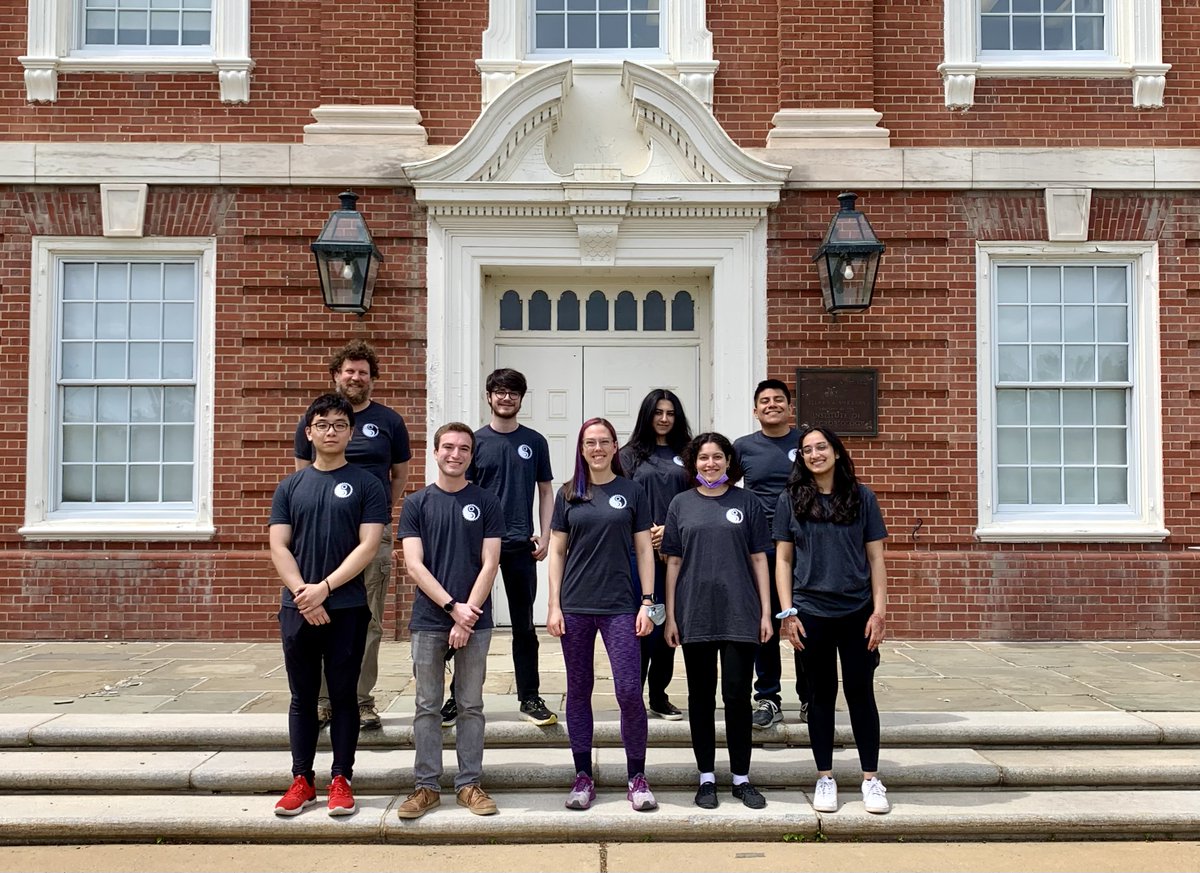
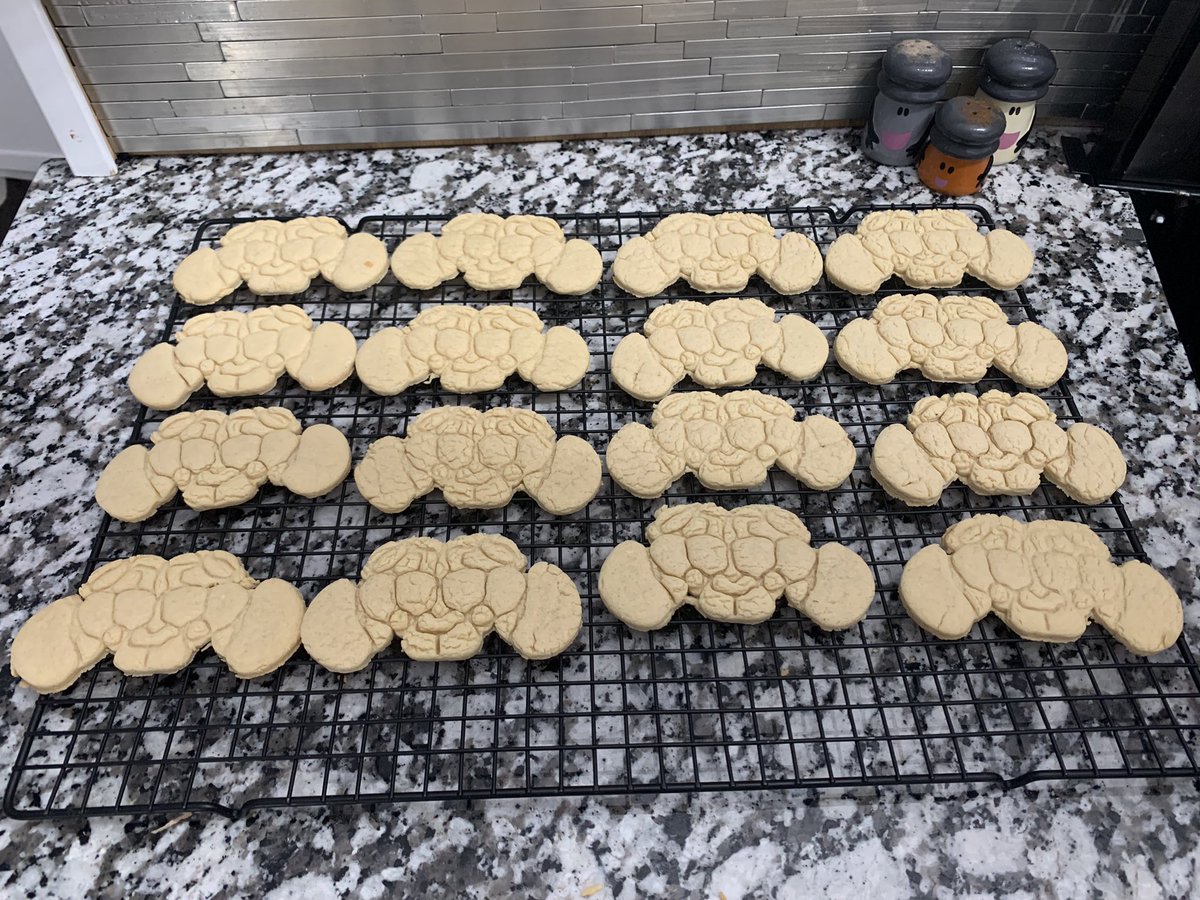
Of course, the people who really run the Barber lab are the lab members. Lucky for me, I hired Mike, the World's Best Lab Manager, right when I started! Genuinely can't imagine getting to now without him. And of course, we've since grown!
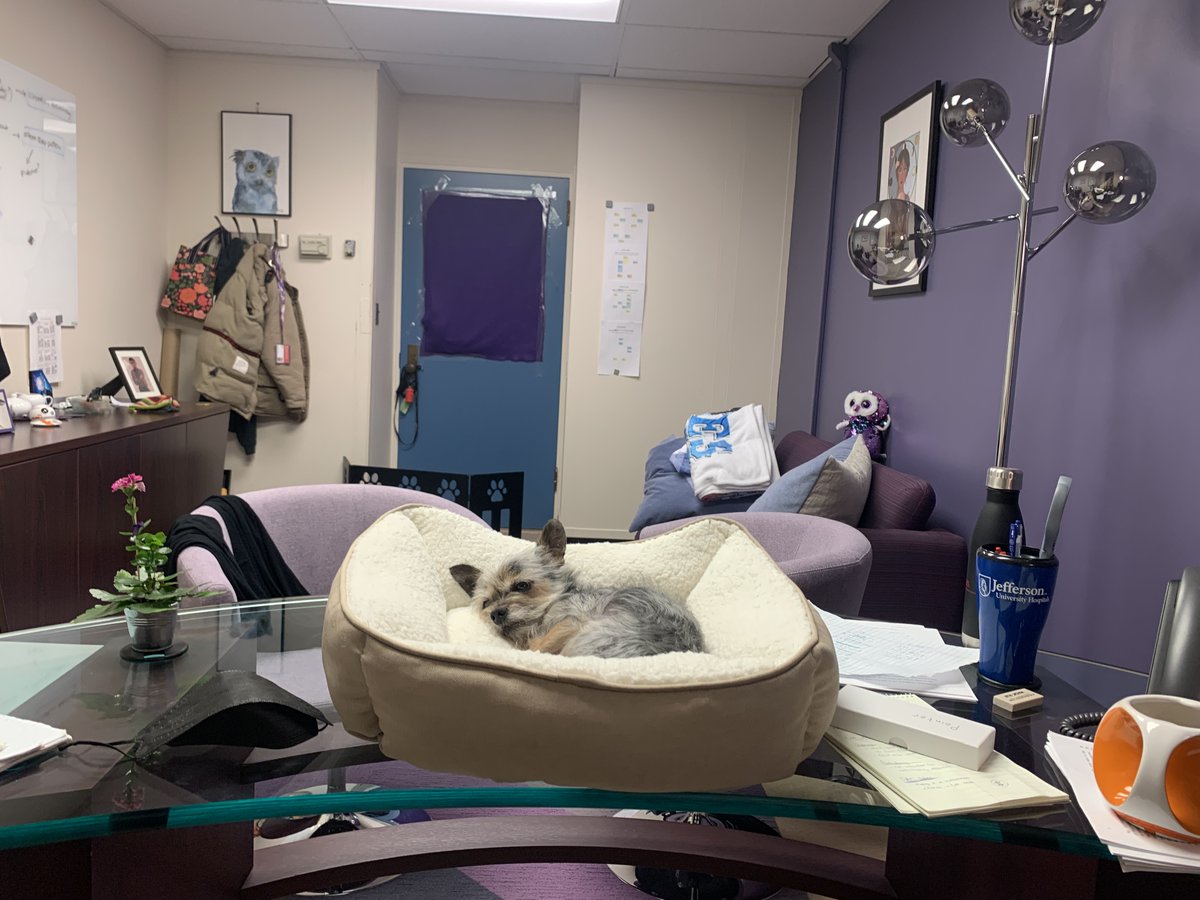
Who really runs the @Annika_Barber lab? Well, I can tell you who *thinks* he runs the lab, and who is also the most popular lab member. That would be Mister Peebles. ~AFB
As a grad student, I thought I needed to meet "important people" at conferences to form a professional network. But I realize now that the most important connections I've made are with peers. And one day soon, we'll be the important people at the conferences! 😆 ~AFB
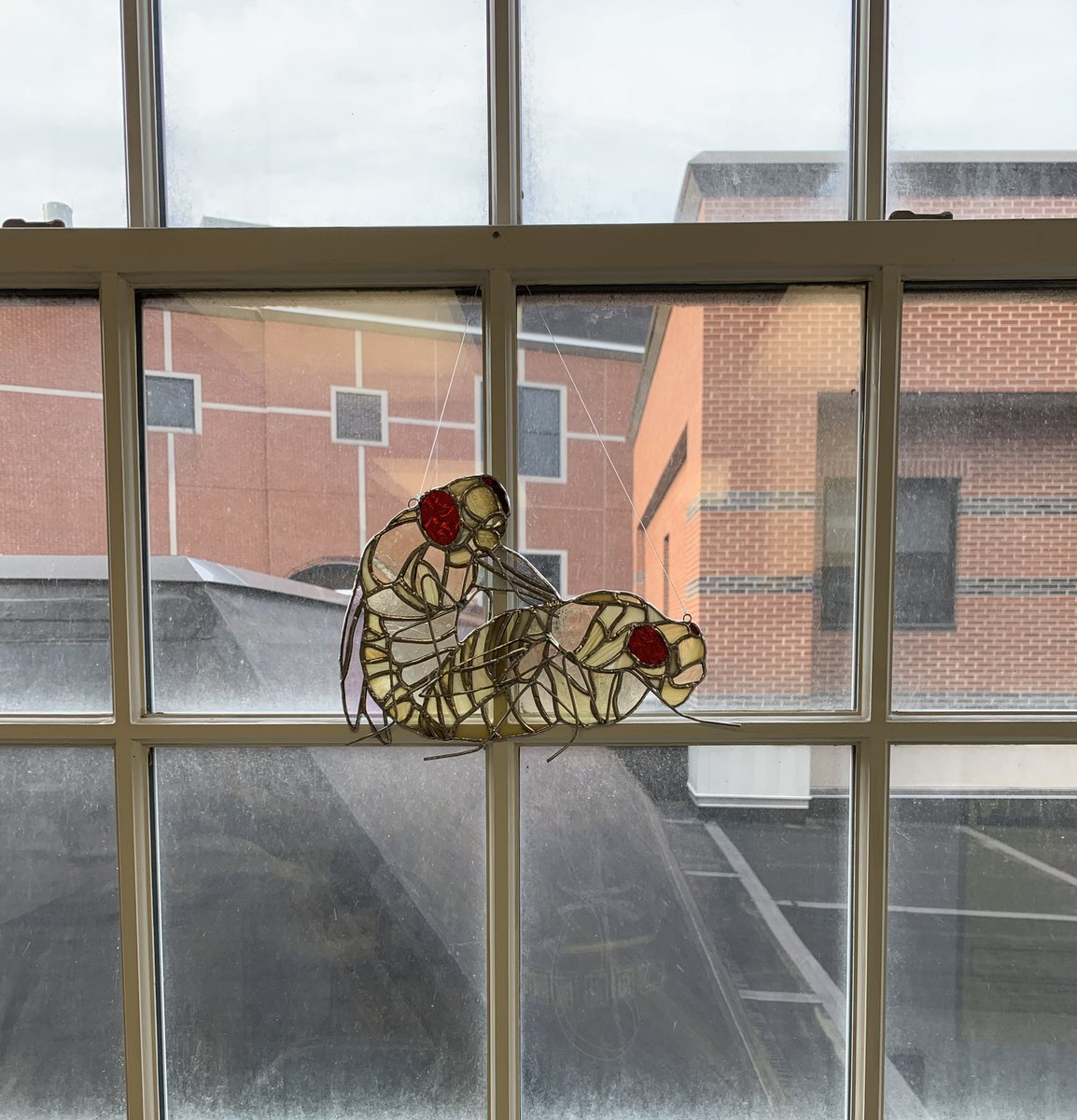
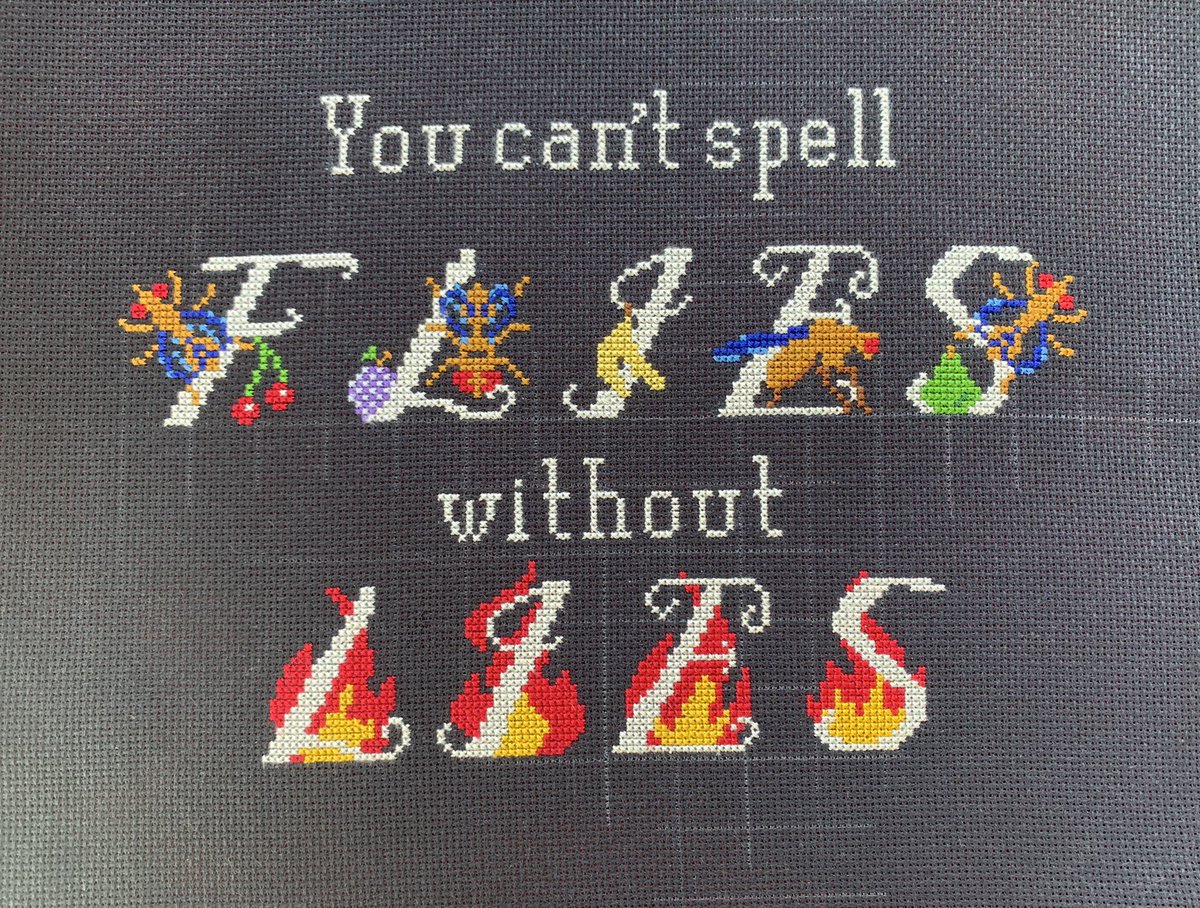
The most important lifeline as a NewPI is community. I have been #unironicallyblessed with an amazing community of colleagues from my postdoc lab, friends I made through NewPI Slack, and the incredible Drosophila research community. #flypeoplearethebest
Do I have definitive advice on starting a lab in a pandemic? Ha! No. But here are some of the things I did that have been useful (I also probably did a lot of dumb stuff). ~AFB
@tera_levin This process also helps people think through what metadata they might need to collect at each processing step. Also, depending on your method, you may need to also store physical samples (tissues, compounds) along the way!
@tera_levin It varies a bit by data type. But basically a description of the project goal, type(s) of data generated, how each data file type will be named, where it will be stored, and any processing steps that occur between file types.
Recently we've implemented quarterly SMART goal setting. We take a lab meeting each quarter to review the past quarter's progress as a team, and set our writing and experimental goals for the upcoming quarter. Breaking goals into SMART components is challenging, but so helpful!
Q: Sure, *you* love rhythms, but why should *I* care?
A: Even if you don't study circadian rhythms directly, controlling for time-of-day effects can get rid of experimental noise in a wide variety of experiments, whether you measure behavior, physiology or gene expression. ~AFB