From blockchain infrastructure to something people could actually carry in their wallet. 👀
$ANET × $DLTX × payments is an interesting direction to imagine.
No announcement.
No promises.
Just a concept of what 2027 could potentially look like.
#ANetwork#Deltix#ANET#DLTX
Don’t judge $ANET only by its current price.
Look at the economy being built around it — utility, transactions, native L1 usage, scarcity and $wANET liquidity.
Utility creates the reason to use.
Scarcity makes the economics interesting.
The real test now is adoption + usage.
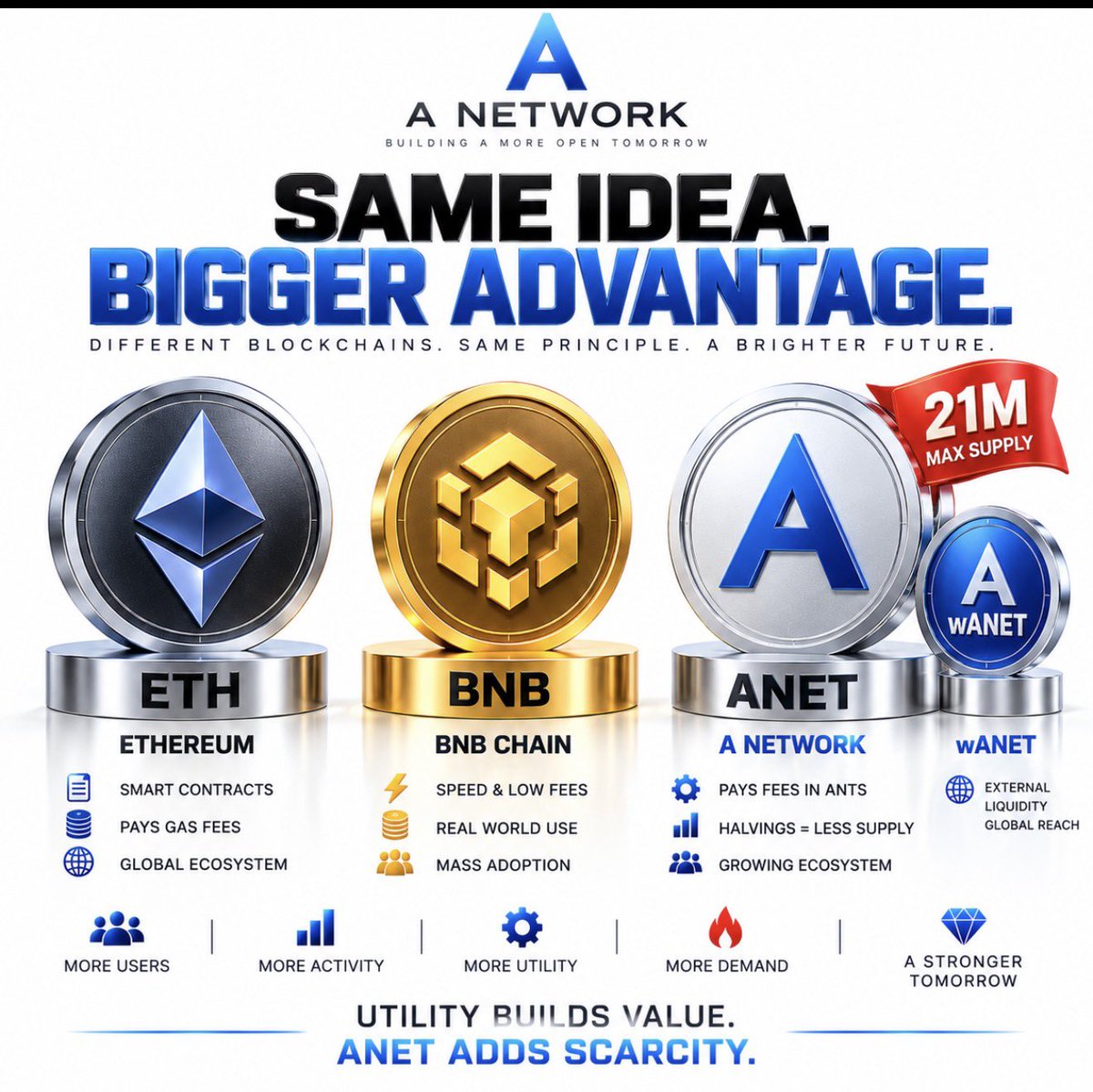
🚨 $ETH DID IT. $BNB DID IT. NOW UNDERSTAND WHAT $ANET IS BUILDING.
Stop looking at the PRICE for a minute.
Look at the ECONOMY behind the coin. 👇
🟣 ETHEREUM — $ETH
Why does ETH have utility?
Because Ethereum is a massive digital economy.
People send tokens.
People use DeFi.
People swap.
People deploy contracts.
People use applications.
And all that activity needs GAS.
What pays for it?
$ETH.
More activity → More transactions → More demand for blockspace → More ETH used for gas.
Simple.
🟡 BNB CHAIN — $BNB
Same basic principle.
Send tokens.
Swap assets.
Use a DEX.
Interact with contracts.
Use blockchain applications.
Transactions require BNB for gas.
More ecosystem activity creates more reasons to USE $BNB.
Now comes the part people need to understand.
🔵 A NETWORK — $ANET
A Network isn’t trying to make ANET useful by simply telling people:
“BUY IT AND HOLD IT.”
It’s building an ECONOMY around it.
⚡ Send $ANET
⚡ Transfer value P2P
⚡ Pay network fees in ANTS
⚡ Use native network services
⚡ Participate in DEX activity
⚡ Use liquidity
⚡ Interact with applications built around A Network
And remember:
100,000,000 ANTS = 1 $ANET
Every ANTS transaction is ultimately using a fraction of ANET.
More users
⬇️
More ecosystem activity
⬇️
More transactions
⬇️
More ANET/ANTS utility
⬇️
More network fees
⬇️
A STRONGER ANET ECONOMY.
But here’s where the comparison gets REALLY interesting. 👀
🔥 SCARCITY.
Ethereum does NOT have a fixed 21M maximum supply.
BNB does NOT have a 21M maximum supply.
Native $ANET is designed around:
💎 21,000,000 MAXIMUM ANET.
That’s it.
And issuance doesn’t stay the same forever.
HALVINGS make new ANET progressively harder to mine.
So imagine the equation:
**GROWING USERS
GROWING UTILITY
GROWING TRANSACTIONS
DECLINING ISSUANCE
21M MAXIMUM SUPPLY**
Now add another piece most people STILL aren’t thinking deeply enough about…
🌉 $wANET
A Network doesn’t only have its native Layer-1 economy.
There is also $wANET, giving the ecosystem an external Web3/liquidity side.
Think about the roles separately:
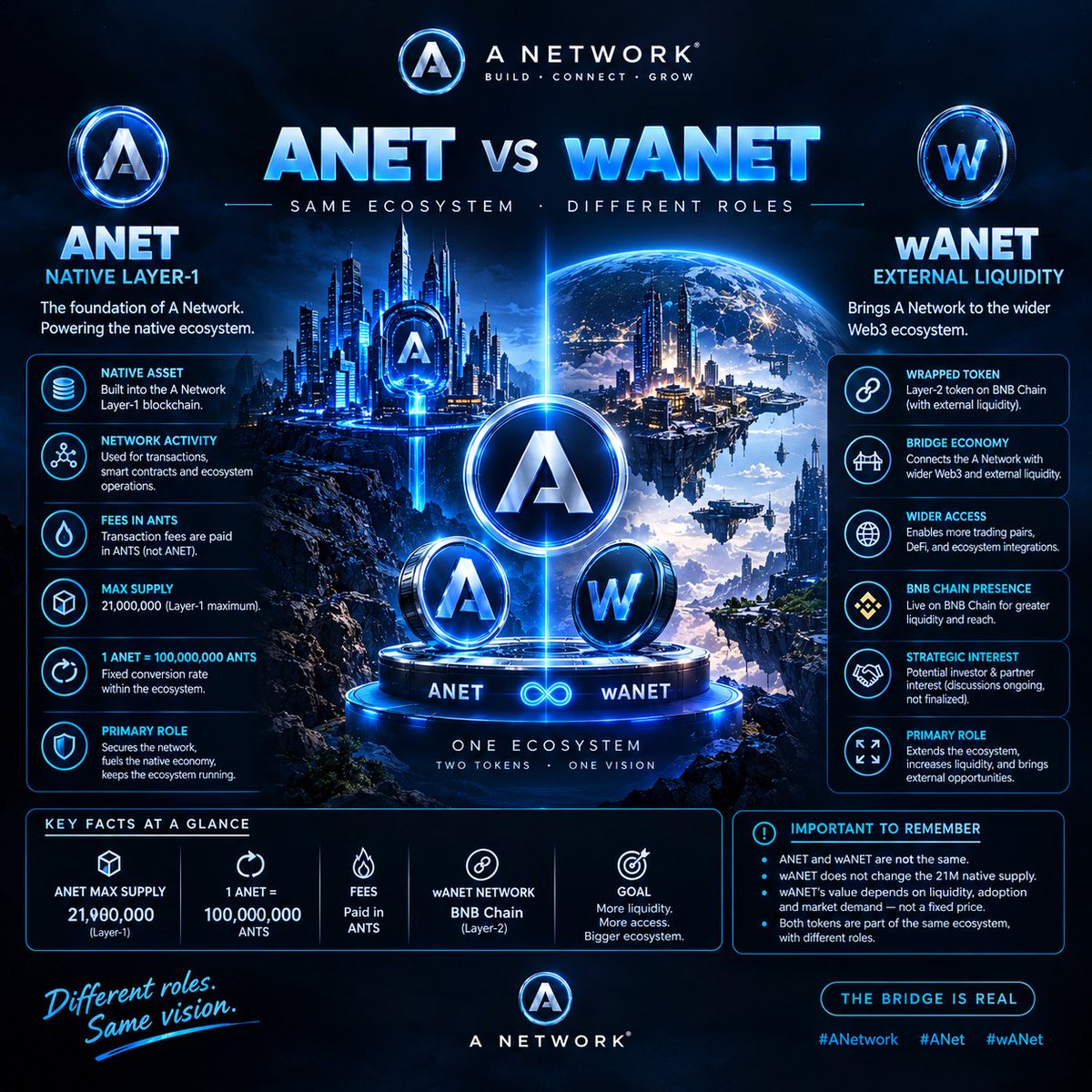
🔵 $ANET = native Layer-1 asset
Used inside the A Network economy for native transfers, ANTS-denominated fees and network activity.
🌐 $wANET = external market/liquidity layer
Designed to extend the ANET ecosystem into the wider Web3 market and liquidity environment.
THAT distinction is important.
One ecosystem.
A scarce native Layer-1 asset + an external market/liquidity layer.
And that’s why comparing ANET only by today’s price completely misses the bigger picture.
The real question isn’t:
“How high can $ANET go?”
The real question is:
🚨 WHAT HAPPENS IF A GROWING ECOSYSTEM NEEDS AN ASSET THAT CAN NEVER EXCEED 21 MILLION?
Ethereum showed us what happens when the native asset becomes necessary to use the network.
BNB showed us what happens when an ecosystem creates constant utility for its native asset.
A Network now has to prove the same thing through REAL adoption and REAL usage…
But with something very interesting sitting underneath it:
21 MILLION MAXIMUM NATIVE $ANET.
And $wANET extending the ecosystem beyond the native Layer 1.
Read that again.
DON’T BUILD A COIN PEOPLE ARE TOLD TO HOLD.
🔥 BUILD AN ECOSYSTEM THAT GIVES PEOPLE A REASON TO NEED IT. 🔥
That is the game.
That is the difference.
And THAT is where the $ANET story gets interesting.
Scarcity and utility can create powerful economic conditions, but they do not guarantee future market value.
#ANetwork #ANet #wANet #Blockchain #Crypto #ANts #Dex
🐜0.00262144 $ANET may look small at first glance.
But in ANTS:
0.00262144 $ANET = 262,144 ANTS 🐜
Same reward.
Different perspective.
That’s why understanding the smaller unit matters.
Stop thinking only in decimals. Start thinking in ANTS.
#ANetwork#ANet#ANTS#wANet
Why have both $ANET and $wANET?
Because a native asset and its wrapped representation can serve different roles within a connected Web3 environment.
$ANET → Native
$wANET → Wrapped
$wANET × $wDLTX dual-economy model.
@ANetworkLLC#ANetwork#ANet#wANet#DLTX#wDLTX
$wDLTX represents the wrapped side of the Deltix ecosystem, creating another layer for how $DLTX can be represented a connected Web3 environment.
$DLTX → WRAP → $wDLTX
$wANET × $wDLTX dual-economy narrative.
@ANetworkLLC@DeltixOfficial#ANetwork#ANet#wANet#DLTX#wDLTX
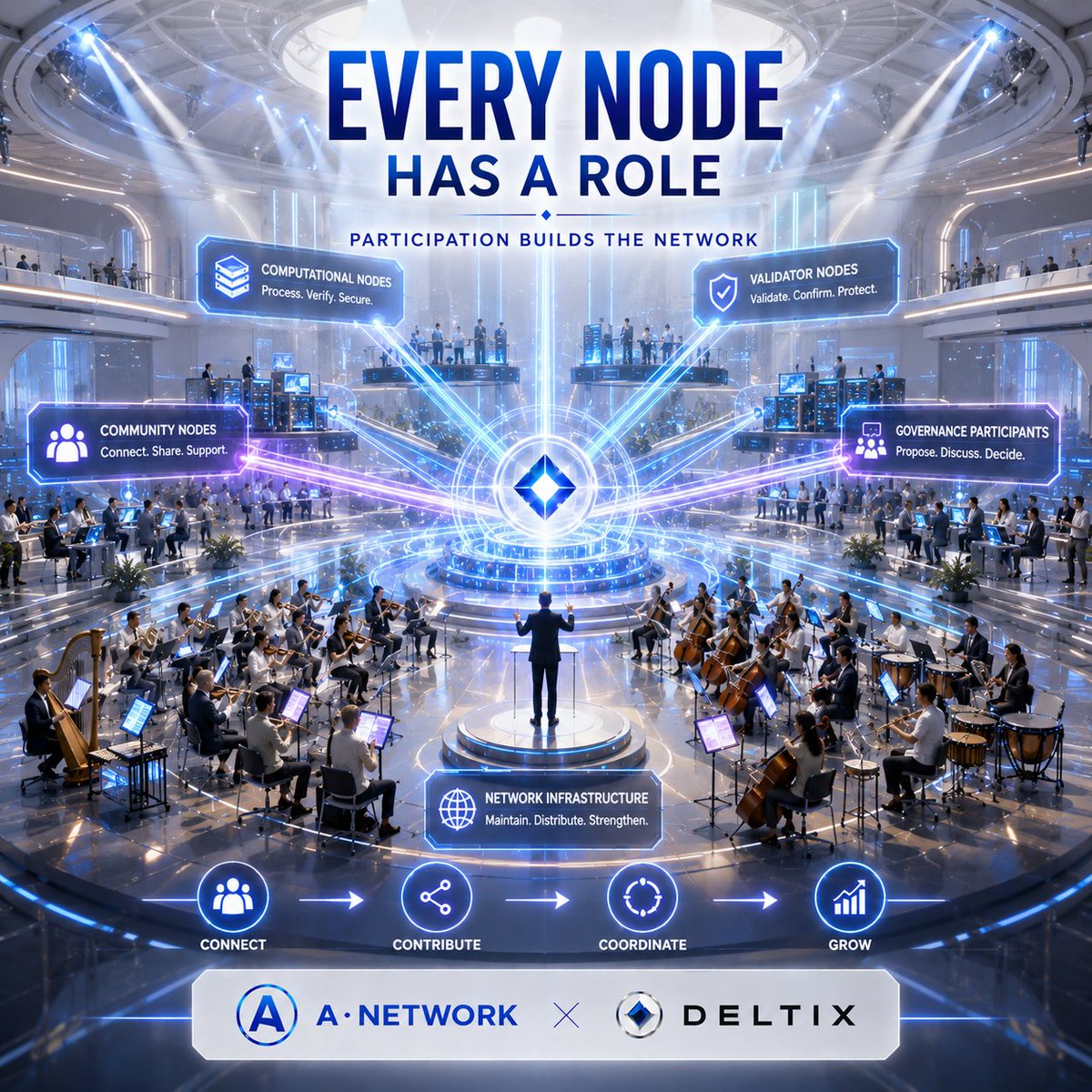
A strong decentralized ecosystem isn't built by one participant alone.
Different people, nodes and contributors can play different roles — but together, those contributions create a stronger network. 🌐⚡
Many participants. One ecosystem.
#ANetwork#ANet#wANet#DLTX#wDLTX
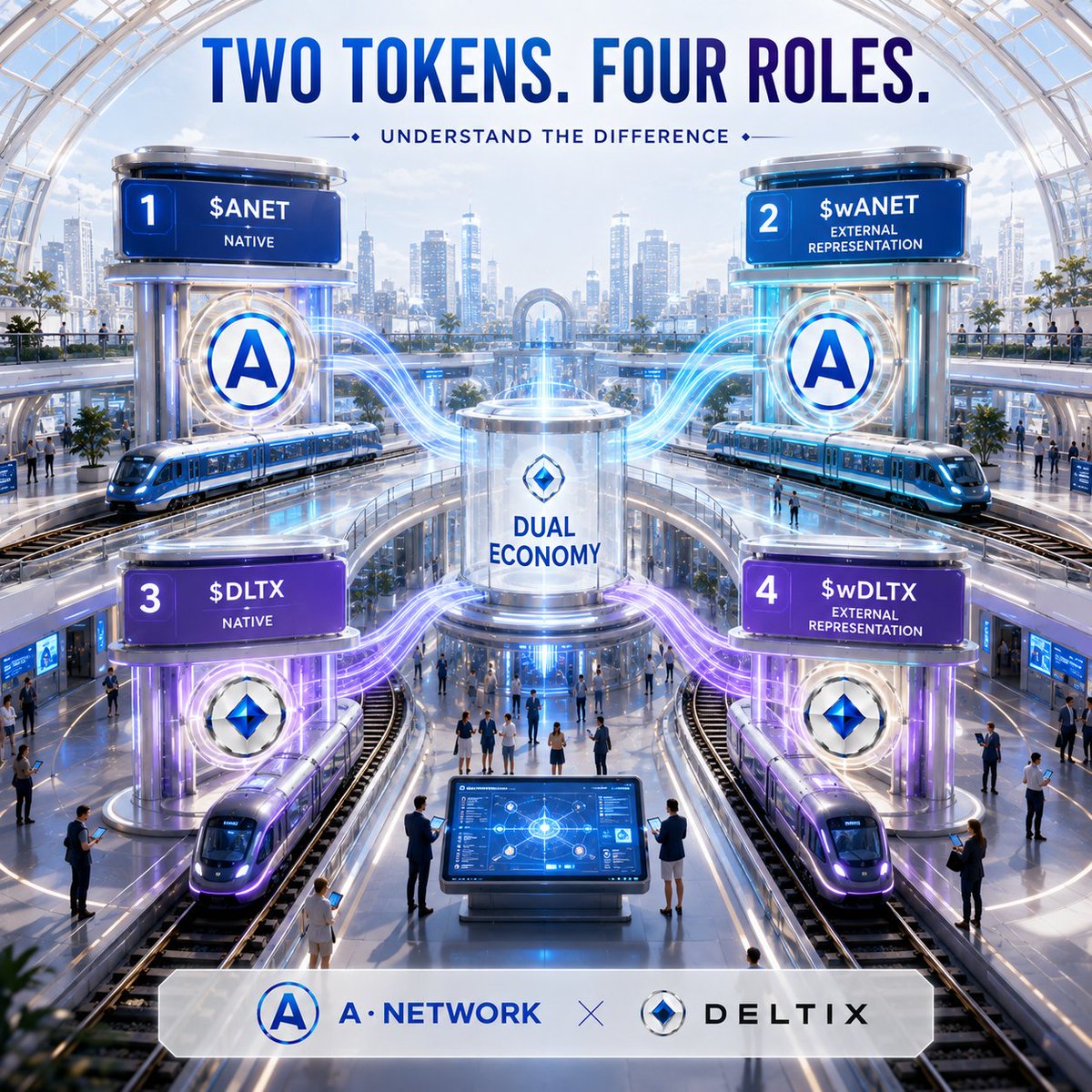
Four asset representations. Different roles. One bigger economic picture.
$ANET / $wANET
$DLTX / $wDLTX
Understanding the distinction makes the dual-economy model much easier to follow. 🌐
@ANetworkLLC@DeltixOfficial#ANetwork#ANet#wANet#DLTX#wDLTX
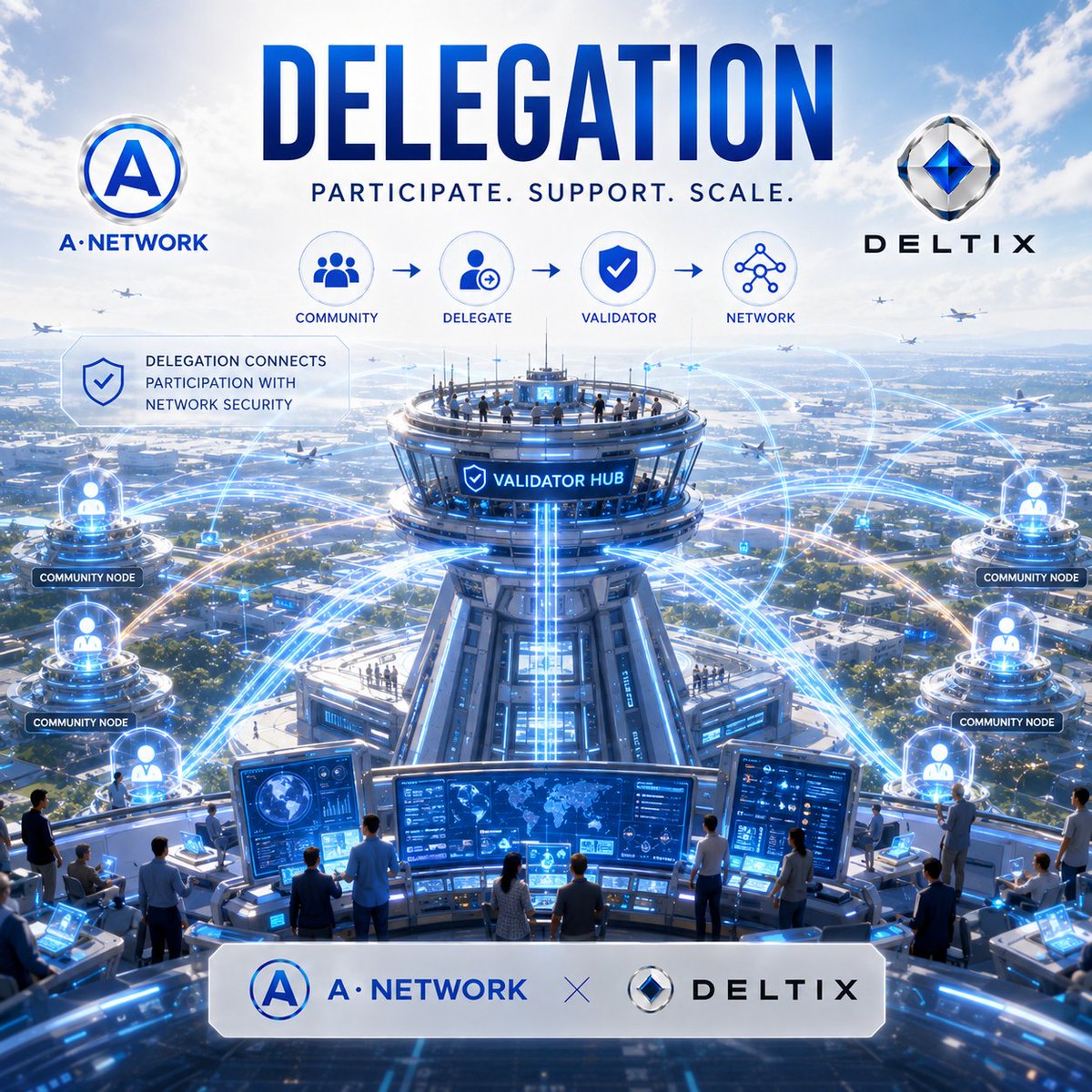
Delegation makes participation more accessible.
Instead of everyone needing to operate infrastructure themselves, participants can support validators and contribute through delegation.
Simple idea. Powerful network effect. ⚡🌐
@ANetworkLLC#ANetwork#ANet#wANet#DLTX#wDLTX
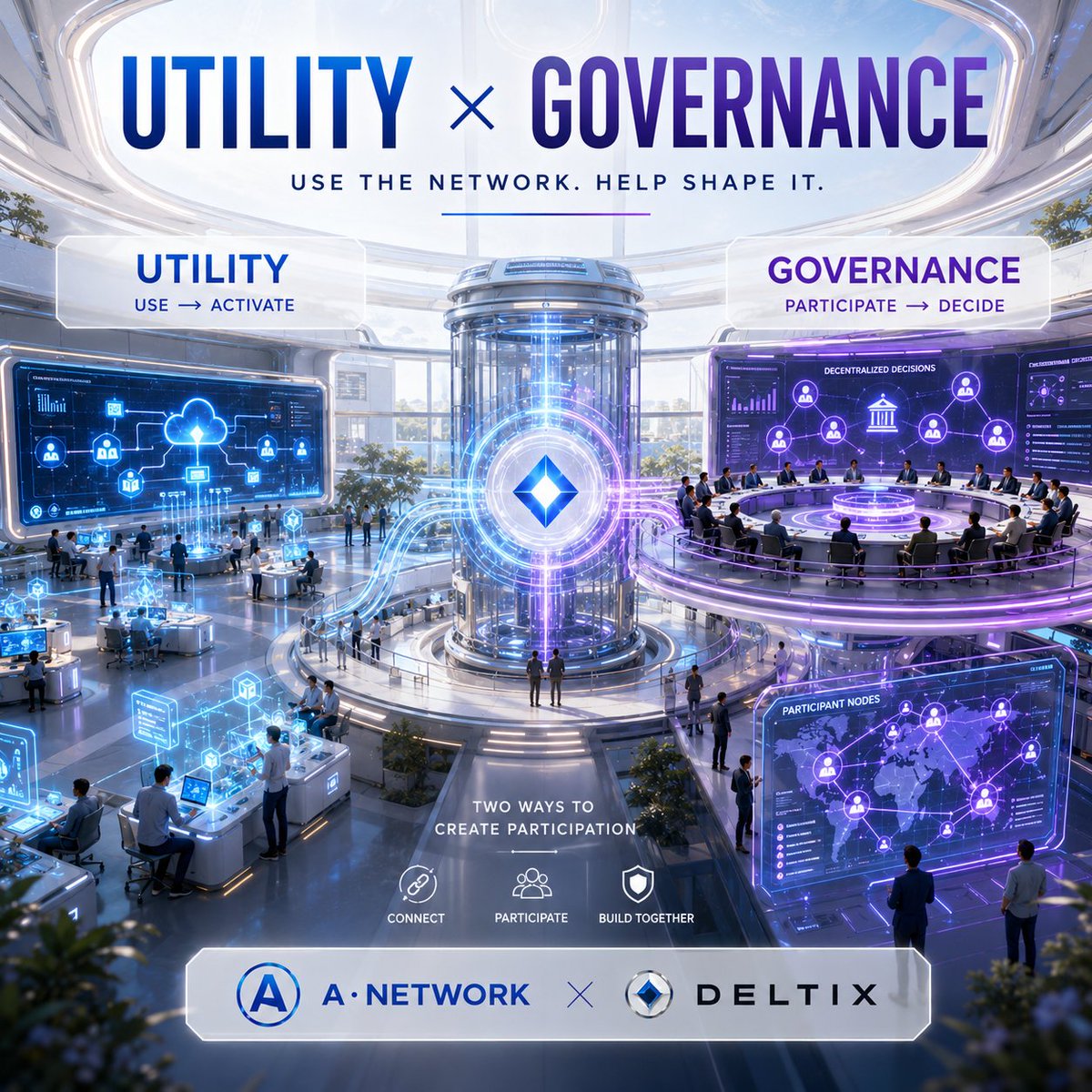
A network becomes more interesting when people don't just use it — they can also participate in shaping it.
Utility creates activity.
Governance creates involvement.
Two different roles, connected by the same ecosystem.🌐
@ANetworkLLC#ANetwork#ANet#wANet#DLTX#wDLTX
Scarcity plays different roles in a digital economy.
One can emphasize limited supply; the other keeps participation moving
Different economic forces can exist side by side — and that’s where the dual-economy conversation gets interesting🌐
#ANetwork#ANet#wANet#DLTX#wDLTX
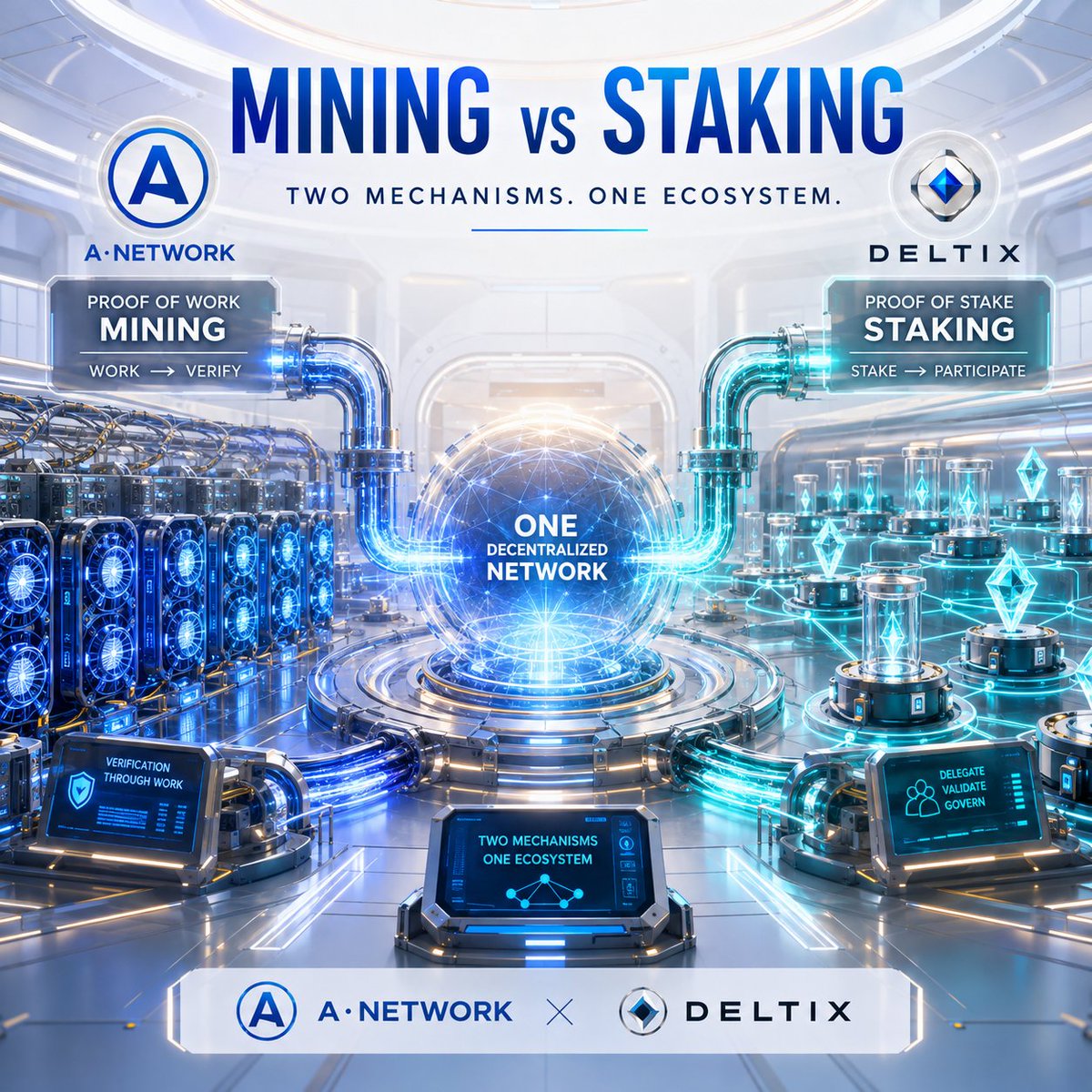
Mining and staking solve different parts of the decentralized equation. ⚡
One focuses on work and verification.
The other focuses on stake and participation.
Different mechanisms. Complementary roles. One bigger ecosystem. 🌐
@ANetworkLLC#ANetwork#ANet#wANet#DLTX#wDLTX
A strong decentralized ecosystem needs more than technology — it needs participation, transparency and a voice for its community. ⚡
A-Network brings verification; Deltix brings participation through staking and governance.
@ANetworkLLC#ANetwork#ANet#wANet#DLTX#wDLTX
Validators are the backbone of a decentralized ecosystem — helping maintain security, integrity and participation. ⚡
A-Network verifies through Proof of Work, while Deltix brings participation through Proof of Stake.
@ANetworkLLC#ANetwork#ANet#wANet#DLTX#wDLTX
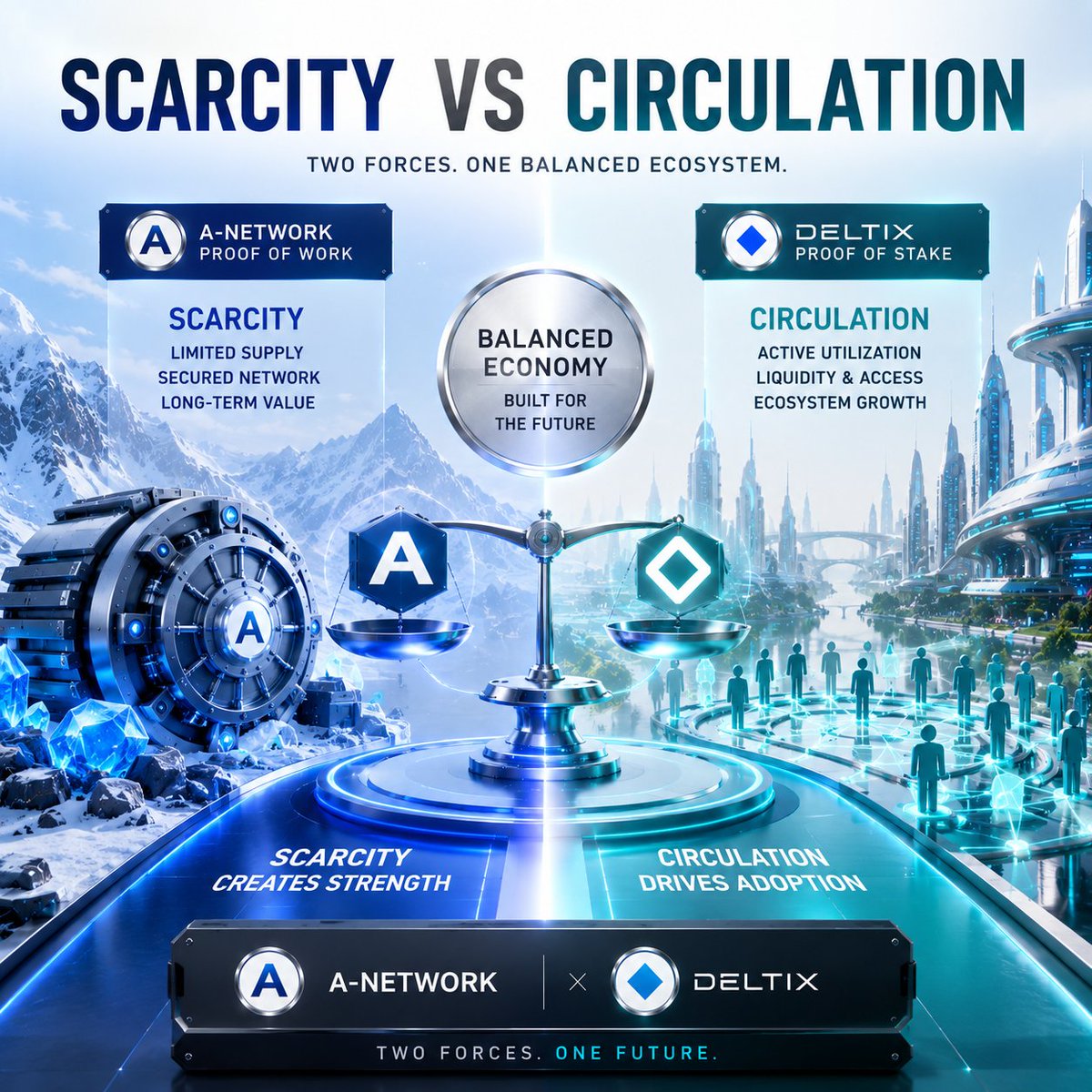
Scarcity can create strength.
Participation can drive adoption.
A-Network and Deltix represent different mechanisms — but their strategic alliance shows how different strengths can complement each other. ⚡
@ANetworkLLC@DeltixOfficial#ANetwork#ANet#wANet#DLTX#wDLTX
Mining and staking represent two different participation models.
⛏️ PoW → Computational Work & Verification
🔷 PoS → Staking & Participation
Different mechanisms. Different journeys. 🌐
@ANetworkLLC@DeltixOfficial#ANetwork#ANet#wANet#DLTX#wDLTX
$wDLTX adds another layer to the Deltix story. 🌐
A native asset and its external representation can serve different roles across ecosystems.
Understanding $DLTX vs $wDLTX helps make the bigger dual-economy picture clearer.
@ANetworkLLC#ANetwork#ANet#wANet#DLTX#wDLTX
$wANET represents A-Network beyond its native environment. 🌐
Understanding the difference between $ANET and $wANET is important when looking at A-Network’s wider economic model.
Native layer → external representation.
@ANetworkLLC#ANetwork#ANet#wANet#DLTX#wDLTX