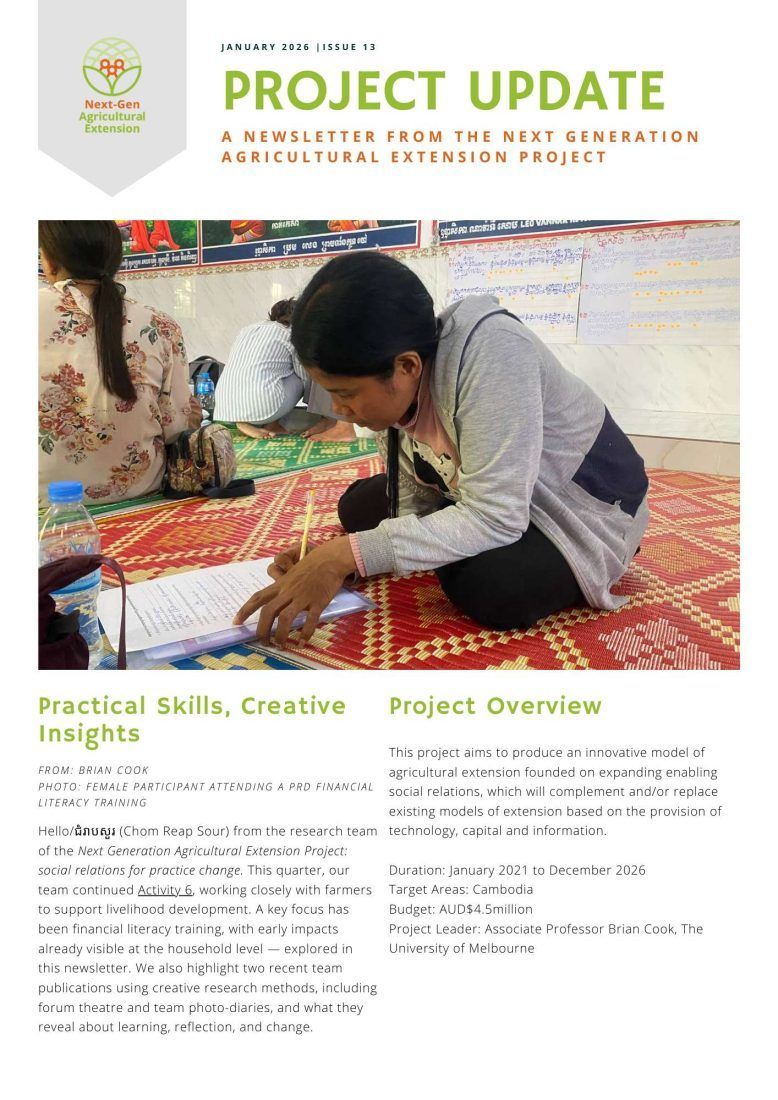
Our latest—and final—newsletter is here 🇰🇭📬! See how we’ve connected research with local action and fostered shared learning to advance sustainable agriculture. @ACIARAustralia https://t.co/m1E2EVmKIf #SustainableAgriculture#Research
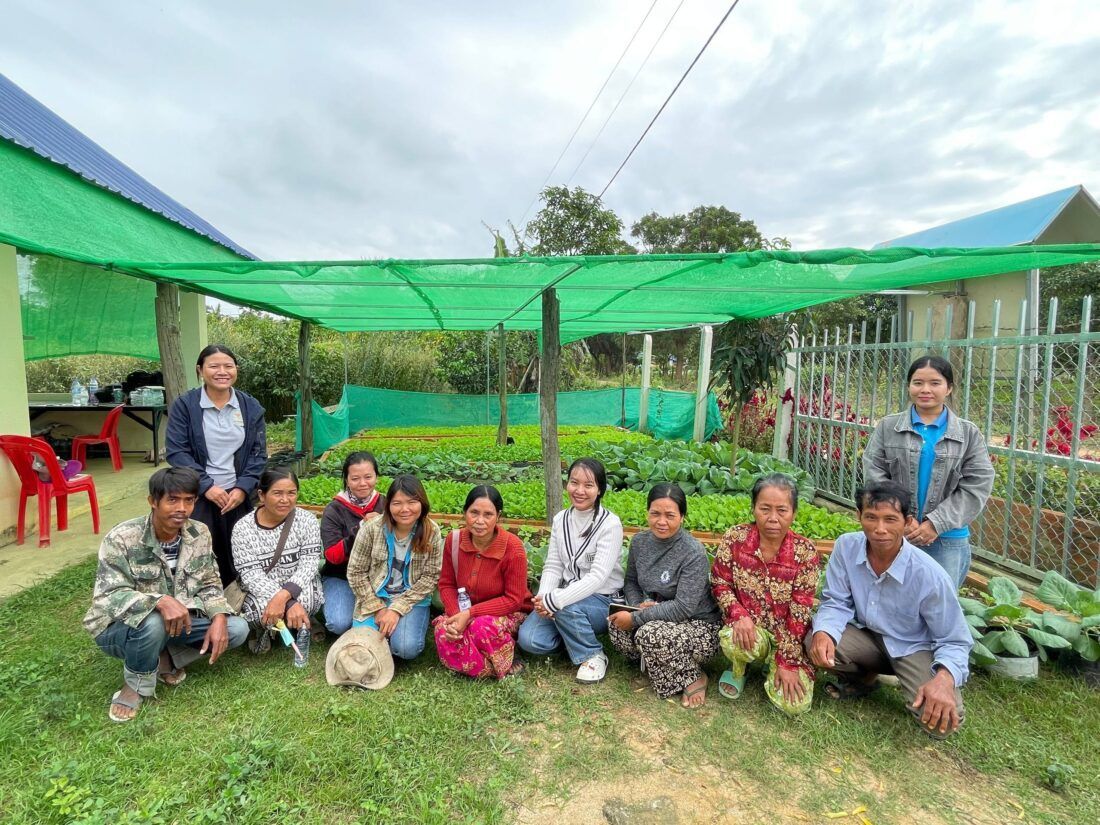
We had an insightful site visit during our end-of-project review in Battambang this month. Farmers shared firsthand how homestead vegetable gardens, chicken rearing, and village savings groups have improved their livelihoods. #RuralDevelopment@ACIARAustralia 🇰🇭 💵
Thanks @ACIARAustralia for taking part in our 3-day end-of-project review in Battambang. We gained valuable learnings on the project’s outputs and outcomes — huge thanks to our partners, activity leaders, and the communities we work with. 🇰🇭 🌽 🌾
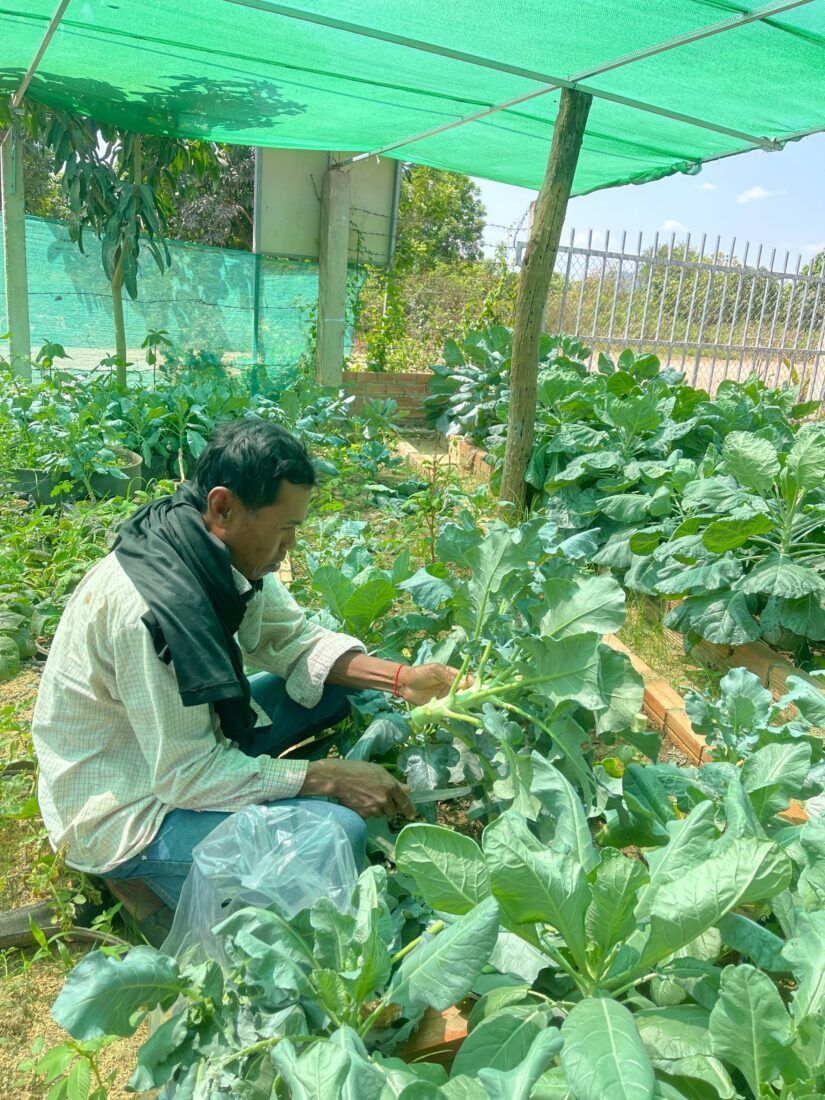
Learn how building a small vegetable net house beside their home impacted farming households in Northwest Cambodia 🫛🇰🇭 The biggest shift? Less worry about food safety. Read more: https://t.co/8NqhQjS1bP @ACIARAustralia#FoodSecurity
Congratulations to Dr. Pao SREAN, from our project partner - the National University of Battambang - who received the Outstanding Cambodian Scientists Award 2025 (Silver)! https://t.co/N3Gm7pIiPV
Discover how the Next-Gen project supports villagers to form community savings groups that build financial resilience, lower debt, and fund small businesses and household needs. Read more: https://t.co/DfqDO21HVQ @ACIARAustralia#FinancialInclusion
Our latest newsletter is out 🇰🇭📬! It covers village savings groups boosting resilience, SDG-focused research on smallholder decision-making and risk, and climate extremes shaping farmers' livelihoods and adaptation in NW Cambodia. @ACIARAustralia https://t.co/ywVZOgydau
This week Dr Van Touch visited the University of Melbourne to share takeaways from farmer field schools run by the Next-Gen Project. Learn more: https://t.co/LZM1nDtPrk
A 1°C rise in temperature can cut rice yields by up to 6–7%.
At IRRI, scientists across disciplines are joining forces to tackle rising heat, drought, and salinity in rice systems.
Read more: https://t.co/suJbqjcPnV
How does expertise in rural development evolve?
New research in SEA shows it is not linear, but a transformative journey shaped by challenge, learning and reflection. Rethinking expertise can support co-learning and system change for the SDGs. Read more: https://t.co/c8VJaAQTJg
When does art drive social change? More research from the Next-Gen Project on participatory theatre. Findings: emotion boosts memory but participation drives action. Read more: https://t.co/29u9KbqDlM 📽 Watch the documentary + performances: https://t.co/yKjhaLjX27
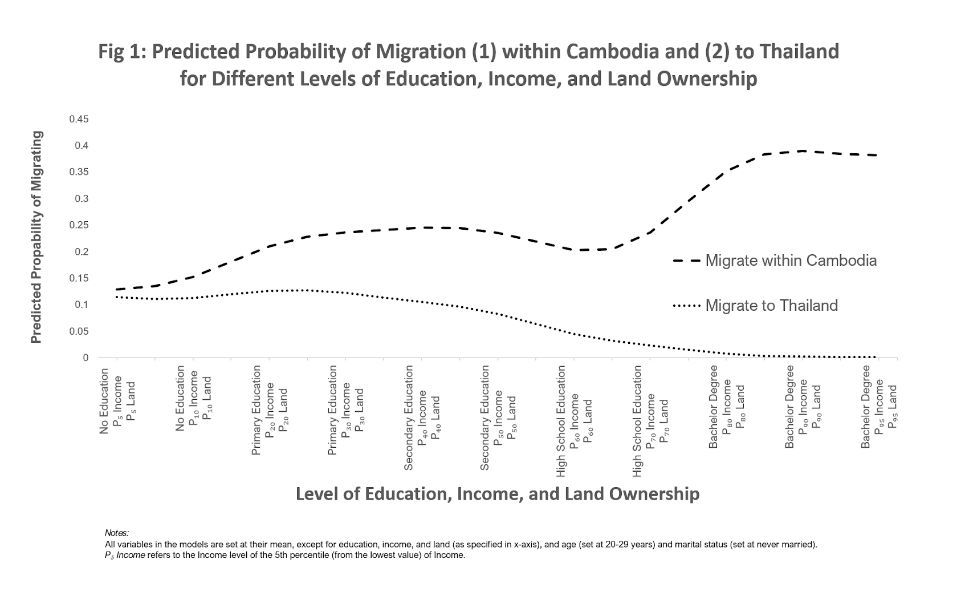
Next-Gen research examines how rural Cambodians manage migration within 🇰🇭 and to 🇹🇭. We integrate mobility histories with labor and wellbeing analysis. Migration serves as a strategy to stabilise precarious livelihoods, not just to leave agriculture. https://t.co/vruVRfjCvc
The Next-Gen project supports 4 savings groups in NW Cambodia, enhancing resilience, reducing high-interest debt, and strengthening communities. Members plan to use loans for livestock, motorbikes for school access, and health costs.
Explore the impacts of farmer-led, field-based extension on cassava farming in NW Cambodia! Practical training in Good Agricultural Practices (GAP) is boosting yields, sustainability & confidence. Learn more about these positive outcomes @ACIARAustralia https://t.co/YZquRiZVkG
2025 Research Report | Findings show that farmer decisions are shaped by structural precarity; intensification works when aligned with real constraints; & extension succeeds through trust, agency & relationships. 🌾📊 https://t.co/0f6bBR8d1d @SciMelb @ACIARAustralia#SDGs
📄 Our latest newsletter is out. Featuring early insights from financial literacy training and new research using 🎭 forum theatre and 📸 photo-diaries to examine learning, reflection, and change. @ACIARAustralia @SciMelb https://t.co/T3gOVwfRtZ