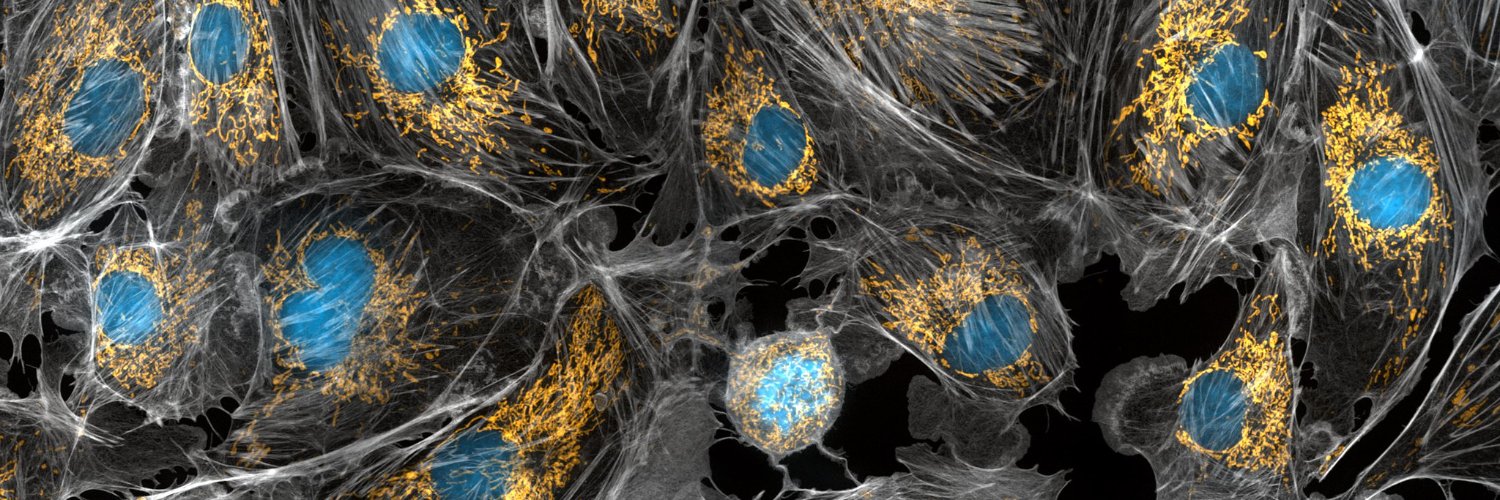
NIH-funded researchers found that some bacteria can share proteins with neighboring bacteria, helping them survive antibiotic treatment.
The findings improve our understanding of antibiotic resistance and could inform future strategies to slow or prevent it.
Learn more: https://t.co/bTgbE5wzF8
🧠 Has your glioblastoma returned or grown?
Researchers at the NIH are enrolling adults with recurrent glioblastoma for a clinical research study evaluating a potential new treatment. Learn more about eligibility today call 833-JOIN-NIH.
https://t.co/4UEXHmLazt
Our Advisory Council continues its vital work shaping the National Plan to End Parkinson’s. Join us August 24 for the second public meeting.
Public comments: [email protected] ("public comment" in subject).
Details: https://t.co/kYmUwkekav
The NIH Unified Funding Strategy is designed to support research that advances the NIH mission.
Dr. Courtney Aklin shares how the strategy will continue to cultivate rigorous, high-impact nursing science.
A consistent, transparent approach to funding helps strengthen the biomedical research enterprise.
Dr. Richard Hodes shares how the NIH Unified Funding Strategy will support a broad and vibrant aging research ecosystem while emphasizing consistency, financial stewardship, and transparency.
Supporting innovative, high-impact science starts with thoughtful funding decisions.
Dr. Jennifer Webster-Cyriaque shares how the NIH Unified Funding Strategy reinforces decisions based on scientific merit, programmatic relevance, and portfolio considerations.
An NIH-funded study indicates that some bone-marrow derived cells in circulation penetrate the walls of the blood-brain barrier as we age. The new research linked these outsiders, which adopt immune behaviors in the brain, with reduced risk of Alzheimer’s disease.
Learn more: https://t.co/sOZGhkBb5d
Millions of Americans use natural products to support their health. NIH-supported research is helping build the evidence needed to understand what works, what doesn’t, and how natural products may support whole person health.
Read more in this Open Access Government article: https://t.co/3Z7ao84nhI
Healthy adults 18+ needed for a research study exploring how different meals affect fats in the blood linked to heart disease. Two to three overnight visits and health tests. Compensation up to $930 upon completion.
Call 833-JOIN-NIH or email [email protected]
https://t.co/crLPylTVpG
Poor diet is one of the leading contributors to chronic disease.
NIH-funded researchers found that analyzing wastewater may offer a simpler, lower-cost way to track a community's diet compared with traditional food surveys.
This approach could help public health officials better understand nutrition trends and inform future nutrition policies.
Learn more: https://t.co/VAQLHyHOPa.
Adults 18+ with nephrotic syndrome are invited to join an NIH research study on how dietary fats affect blood fats. Includes 2-3 overnight visits and health tests. Compensation up to $930 upon completion.
Call 833-JOIN-NIH or email [email protected]
https://t.co/7cNt1P9aKi
The 2026 #BRAINConference is almost here! We look forward to welcoming you to Rockville, MD, August 11–13, as we #InventTheFuture. Before you arrive, prepare by visiting the Know Before You Go page: https://t.co/MDOFWQYnTC
We can’t wait to see you there!
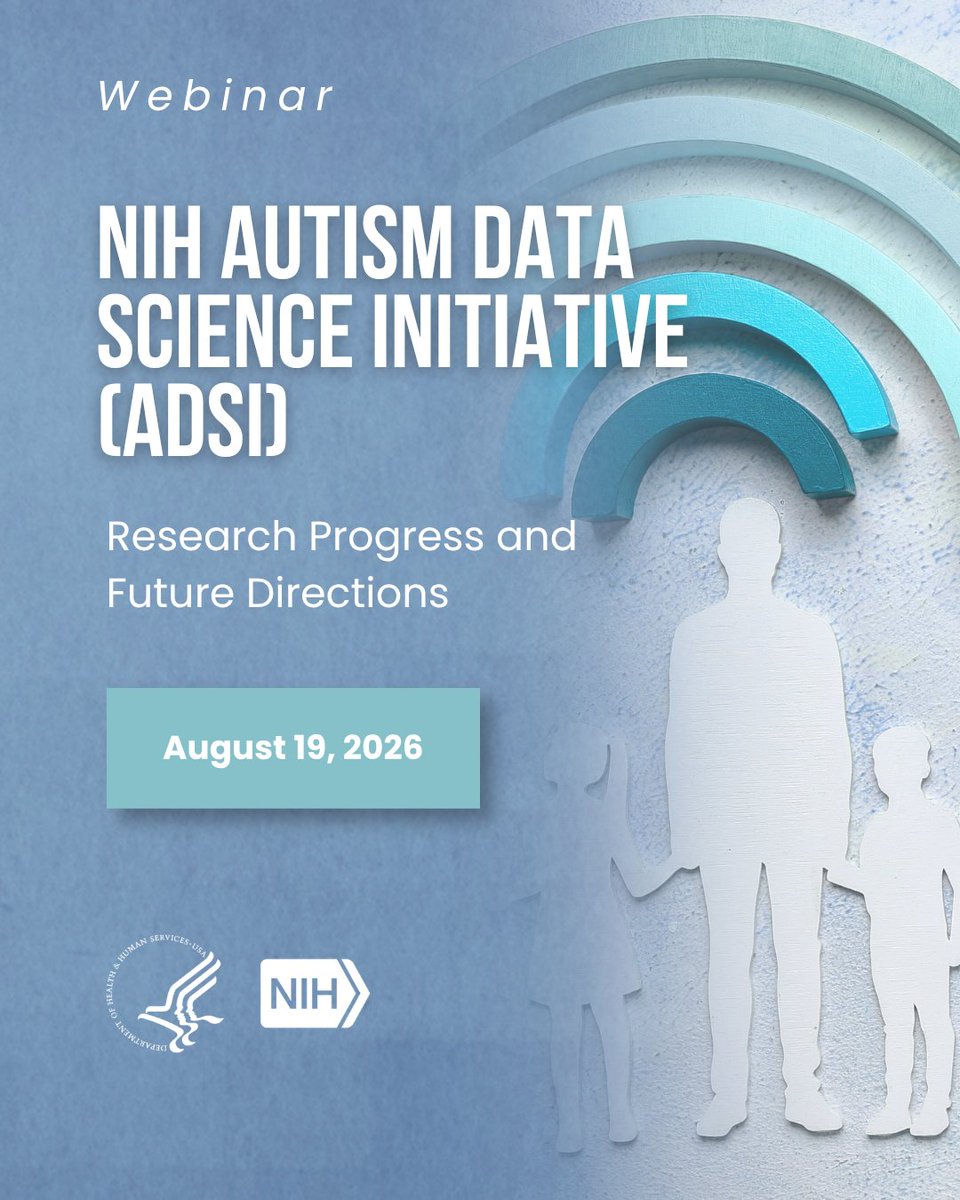
📅Join us on Aug. 19 from 10 a.m. to 3:30 p.m. ET for a public webinar on the NIH Autism Data Science Initiative. The event will showcase recent research progress and highlight future study directions for the Initiative moving forward.
Watch live ➡️ https://t.co/0zIbWGbqjs
Tune in TOMORROW at 1 pm ET for the next talk in the NIH Scientific Freedom Lecture Series, titled “The Reality of Human Sex Differences: Why It Matters for Science, Medicine, and Policy, and Why We Need to Talk About It.”
I’ll be speaking with Dr. Carole Hooven, a nonresident senior fellow at the American Enterprise Institute and an associate in Harvard University’s Department of Psychology.
🎥 NIH staff may join in person or via NIH Videocast, and the public is welcome to watch live through NIH Videocast ➡️ https://t.co/bD4ySMev0b
There’s still time to respond to the Request for Information (RFI) on Parkinson’s disease and related neurodegenerative conditions.
This one-time RFI seeks broad public input to help inform development of the National Plan to End Parkinson’s. Responses are due August 22, 2026.
How is this different from public comments? The RFI is a separate opportunity from the Advisory Council on Parkinson’s Research, Care, and Services (ACPRCS) public comment process. Public comments are an ongoing opportunity for individuals to submit written comments or sign up to provide verbal comments that are shared with the Advisory Council.
Learn more: https://t.co/NB6QcMOssR
Your voice matters.
NIH is seeking input from patients, caregivers, researchers, clinicians, and advocates on Parkinson’s disease and related conditions to help shape the National Plan to End Parkinson’s: NOT-NS-26-039: https://t.co/YlXcTTV4V1
RFI closes August 22, 2026.
#Parkinsons