The Constitution is not a memo from State House or Sugoi Chicken farm. It is the supreme law of a republic whose sovereign power belongs to the people.
Kenyans did not sacrifice blood, tears and courage to secure the 2010 Constitution so that one rogue administration could quietly write Kenyans out of it.
We must remain vigilant. We must defend public participation, constitutionalism, and the sovereignty of the people.
The High Court in Malindi has ruled that Kenya's next General Election ought to be held in August 2026, not 2027.
The court based its decision on the Constitution, which says elections should be held on the second Tuesday in August in every fifth year.
According to the ruling, "every fifth year" means the election should take place during the fifth year after the last General Election, not after five full years have passed.
Since the last General Election was held on 9 August 2022, the court says the fifth year falls in August 2026, making that the correct election period.
The court also found that holding the election in August 2027 would not comply with this interpretation of the Constitution.
However, the court suspended the effect of its decision because organizing a nationwide election in August 2026 is no longer practical.
This means the ruling does not immediately change the current election timeline.
The decision is expected to be appealed, so higher courts could still determine whether Kenya's next General Election will be held in 2026 or 2027.
Our biggest problem is THE PARLIAMENT.
That is where the garbage ferments.
That is where the violation of our constitution and the distortion of our values take place.
That is where the soul of our nation is defiled unabated.
MPs are crooks, fools and functionally illiterates who don't read the bills they vote on as long as they are bribed.
Women reps, on the other hand, are bimbos, hoodrats and sleazeballs who can't be role models to women.
MPs are cold-hearted and callous, and they don't care about the voices of the people they represent.
MPs no longer represent the people.
— and they take us for granted.
Last year when parliament was breached, they were so scared and terrified that they began having the right conversation, and speaking the proper language of our constitution.
But now their horns have regrown.
Unless we beat, whip and stone these crooked MPs, we shall continue whining and gnashing our teeth.
#DrainTheSwamp
This 84-year-old man is called Emmerson Mnangagwa.
He is the president of Zimbabwe.
He walks around with an ugly scarf on his neck like a slave and a brainwashed maniac.
He took office in 2017 after forcing 93-year-old President RobertMugabe to resign.
Emmerson Mnangagwa has refused to leave office because he thinks Zimbabwe is his private property.
2 weeks ago, he amended the constitution to extend his incompetence to 2030.
Zimbabwe was once Africa's bread basket, with the highest literacy rate and a glorious economy.
Today, Zimbabwe is a shell of a country, in economic turmoil.
Instead of Zimbabweans uniting together to revolt against this corrupt dinosaur, they are hiding in South Africa.
What a mess.
Maybe we need a public database documenting goons, their faces, the politicians who hire them and the violence they are accused of committing, so Kenyans can identify them and deal with them immediately they are spotted in public?
Kenyan politicians creating goons today are playing with a fire they may never be able to put out, since the country that quietly accepted brutal cleanups after 2007 no longer exists.
Back then, Mungiki was useful during political violence, then John Michuki’s security machinery moved against its members through arrests, disappearances and killings that many Kenyans questioned only after bodies had already appeared in forests and mortuaries.
The ICC cases later showed how political violence can return to haunt its planners, since witnesses, phone records, meetings, transport arrangements and money trails can carry politicians from campaign rallies into international courtrooms.
Today, Kenyans record everything, question every death, trace every vehicle, follow every mobile money trail and demand names, meaning politicians cannot recruit goons now and expect the State to quietly eliminate them later.
Once these gangs become organised, armed, funded and protected, they will not simply disappear when elections end, and any attempt to kill them after using them would create public outrage, evidence trails and fresh international attention.
The real danger is that politicians think they are hiring temporary muscle, yet they may be creating permanent criminal groups that will demand money, territory and protection long after their political usefulness has ended.
Anyone building goon squads today should study Mungiki, Michuki, the 2007 killings and the ICC files, since using violent groups is always easier than removing them without exposing everyone who created them.
Over 40 Kenyan companies are set to close after applying for bankruptcy in the nine months to March 2026, up from 24 in the same period in 2025.
.The increase is due to weak demand, cash flow problems and delayed payments
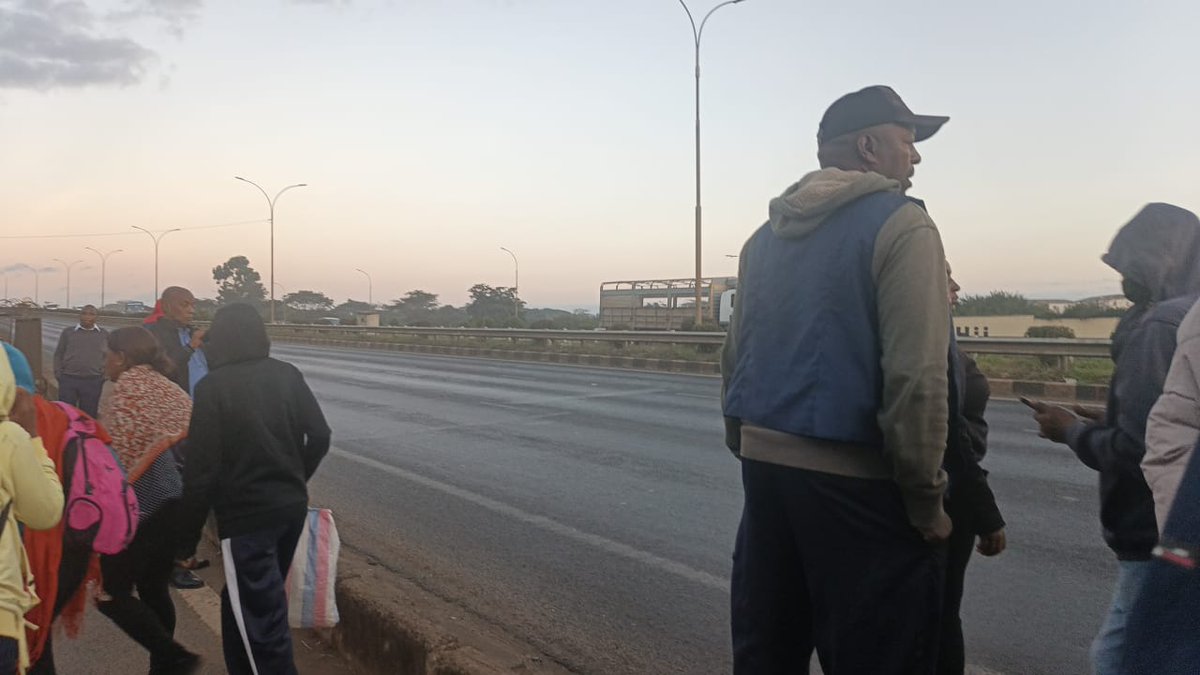
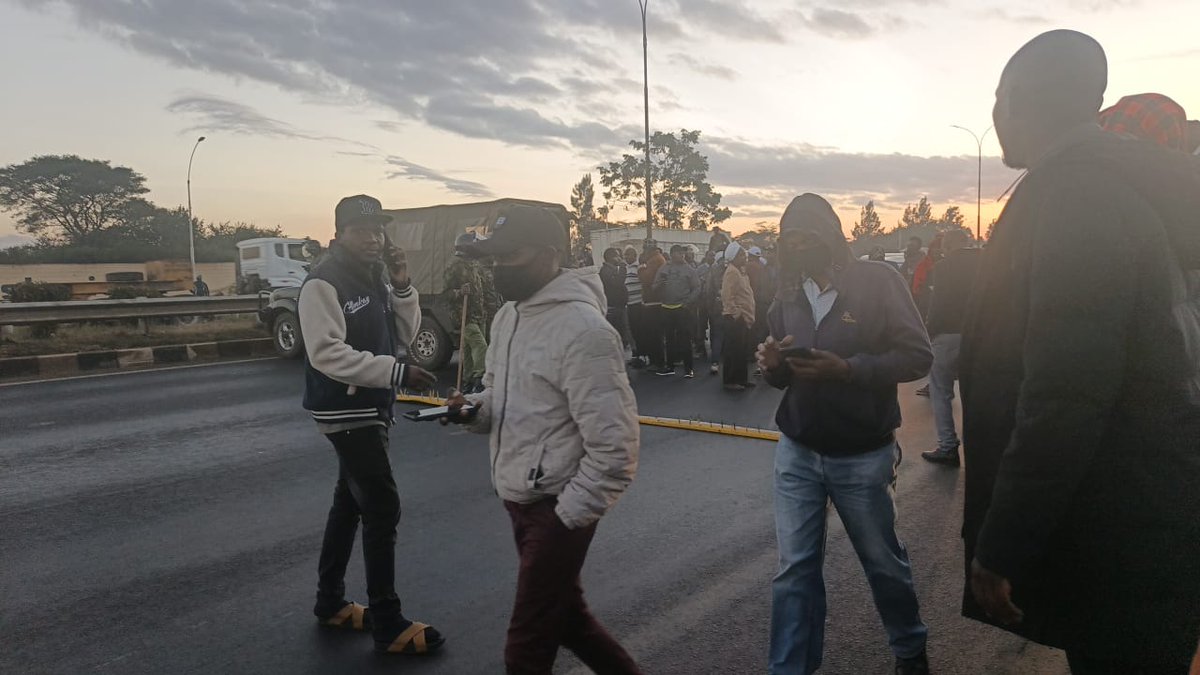
Which protests were police actually controlling here, and why is everyone dressed like they are heading to war when the country is mostly trying to resume normal business?
Police are now so desperate for protests, allowances and deployment money that even a protest of three people has become a procurement opportunity for senior National Police Service officials and Interior Ministry people.
Every whistle, tweet, small gathering or rumour of maandamano now becomes helmets, teargas, roadblocks, fuel, cameras, meetings, allowances and a fresh security budget.
This is no longer public order management, it is maandamano monetisation, where ordinary police officers are thrown to the streets while the real eating happens in offices.
I would like to know how these maandamano operations are being managed by police, because the excitement around deployment is starting to look less like public order work and more like a money making machine for some senior police and Interior Ministry officials.
At this point, it looks like some people inside the security system love protests more than protesters themselves, because every maandamano now comes with roadblocks, fuel, allowances, deployments, procurement, overtime stories and enough confusion to create biashara.