That photo costs about $17. The premium version, where the tiger’s head rests in your lap, goes for around $140. Selling these poses made Thailand’s Tiger Temple roughly $3 million a year, until police raided it in 2016 and pulled 40 dead tiger cubs out of a freezer.
Thailand has about 1,960 tigers locked in cages right now. Almost all of them are at places that sell tourist photos. The most recent Thai government count of wild tigers came back at 179 to 223. There are eight to ten times more tigers in the photo business than tigers out there hunting deer in the forest.
Police forced their way into the Tiger Temple in May 2016 and walked out with 137 live tigers. They also found 40 frozen cubs in a kitchen freezer. Twenty more cubs were floating in jars of preserving fluid. Authorities stopped a temple staff member trying to drive off the property with two whole tiger pelts, ten tiger fangs, and around 1,500 small good-luck charms made from tiger skin.
Speed breeding is what keeps the supply going. Mothers get their cubs taken at two to three weeks old. The females come back into heat much sooner and pop out another litter long before nature would let them. World Animal Protection investigators walked through Thai tiger parks and found half the cats they saw in cages smaller than a one-car garage. A wild tiger covers 10 to 20 miles in a single night.
Cubs work the photo line for a few months. They get passed from tourist to tourist hundreds of times a day. Most are declawed, which is exactly what it sounds like: amputating part of each toe so they cannot scratch a paying customer. Once a cub grows too big or starts pushing back, it is finished with the photo business and too expensive to feed.
The same animals start a second life as product. In 2007, Thailand signed an international treaty banning the sale of tiger parts. Other tiger countries signed too. Authorities still seized 641 tigers, dead or alive, in smuggling busts across Southeast Asia between 2000 and 2011. DNA tests traced 275 of those straight back to the same kind of farms that sell tourist photos. China and Vietnam are the destination, where the parts are sold as tiger bone wine, tiger skin rugs, and traditional medicine.
After the 2016 raid, the government took custody of all 147 rescued tigers. Eighty-six died within three years. Decades of speed breeding had inbred their bloodlines so badly that their immune systems were already gone by the time anyone tried to save them.
"kuasa tersebut ada pada kerajaan"
"kuasa tersebut ada pada kerajaan"
Kecewa betul bila baca statement macamni.
Murah betul maruah kerajaan Malaysia ni bagi kerakyatan. Senang pihak lain salahkan je kerajaan. Kotor sungguh tangan2 mereka2 yang bersetongkol.
Melalui proses naturalisasi? Ouh bukan pemain warisan?
Siaran media MFL kata pemain² bukan didaftar sbg pemain naturalisasi. Tapi JPN kata diberikan kerakyatan melalui naturalisasi.
Mana satu betul?
Undang² naturalisasi FIFA dan MFL kena tunggu 5 tahun.
Macam mana nie?
Sickening & pathetic. When someone has to keep telling everyone how successful they are, it usually means they're not getting the respect they expected. Respect & admiration come when ppl believe you deserve them, not when you try to desperately seek them.
@luchogarcia14 Pls show evidence that Arribas, Glauder and co are real Filipinos, pls show evidence that Nacho Mendez is a “heritage Malaysian player”
U r the CEO, surely u know their background and have access to these information
show us, instantly of tweeting like ur boss
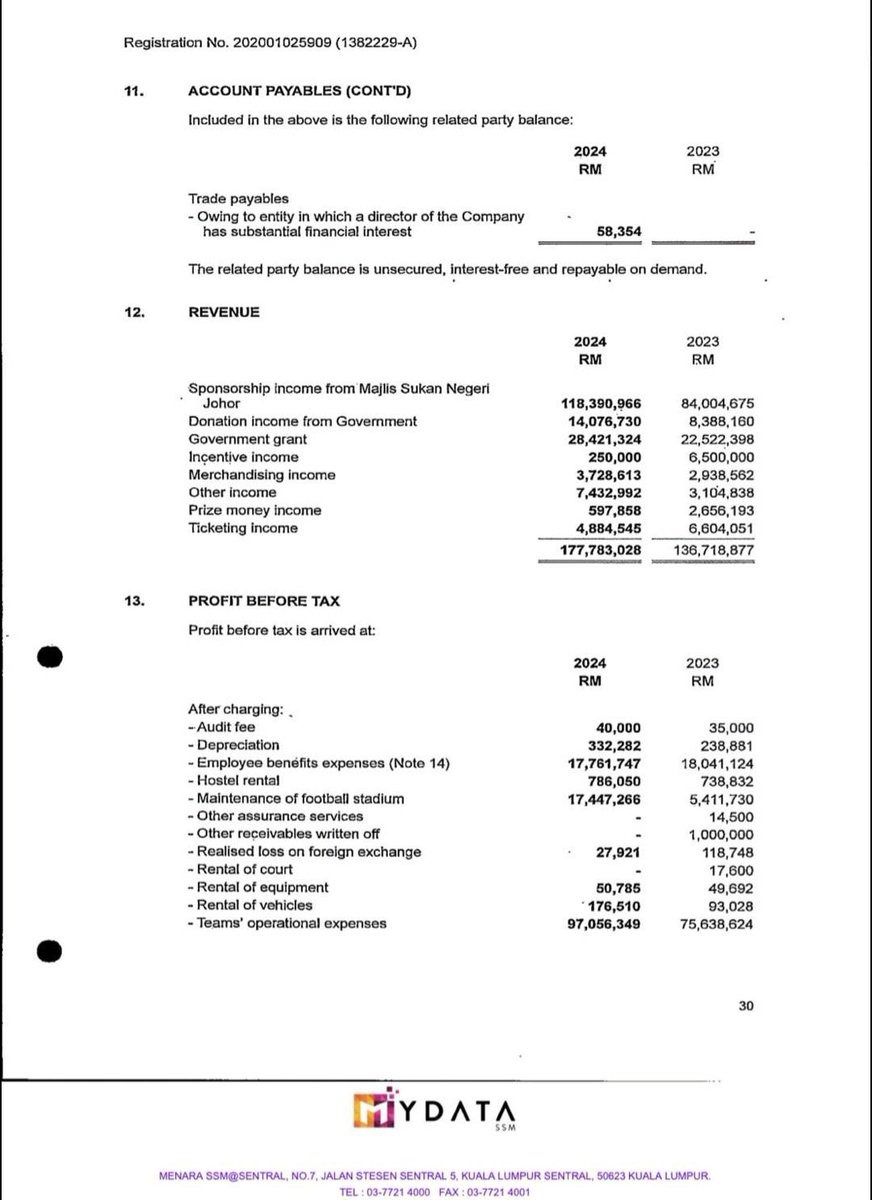
Cuba ambil kalkulator, lepas tu tengok jumlah ‘sponsorship’, ‘donation’, ‘grant’ daripada kerajaan pusat & negeri untuk tahun 2023, 2024.
Kelab Bola Sepak Kg Pisang yang pemainnya bukan manusia tapi zomba pun boleh capai taraf JDT kalau dapat sponsor hampir RM280 juta. OKboi?
JDT is a embarrassment to Malaysia football
Want to act all noble but completely destroyed the game by cheating and intimidation
#MalaysiaFootballJesus continues to try and cover fire with paper…but his disaster PR and urge to tweet will only expose him and his team even more