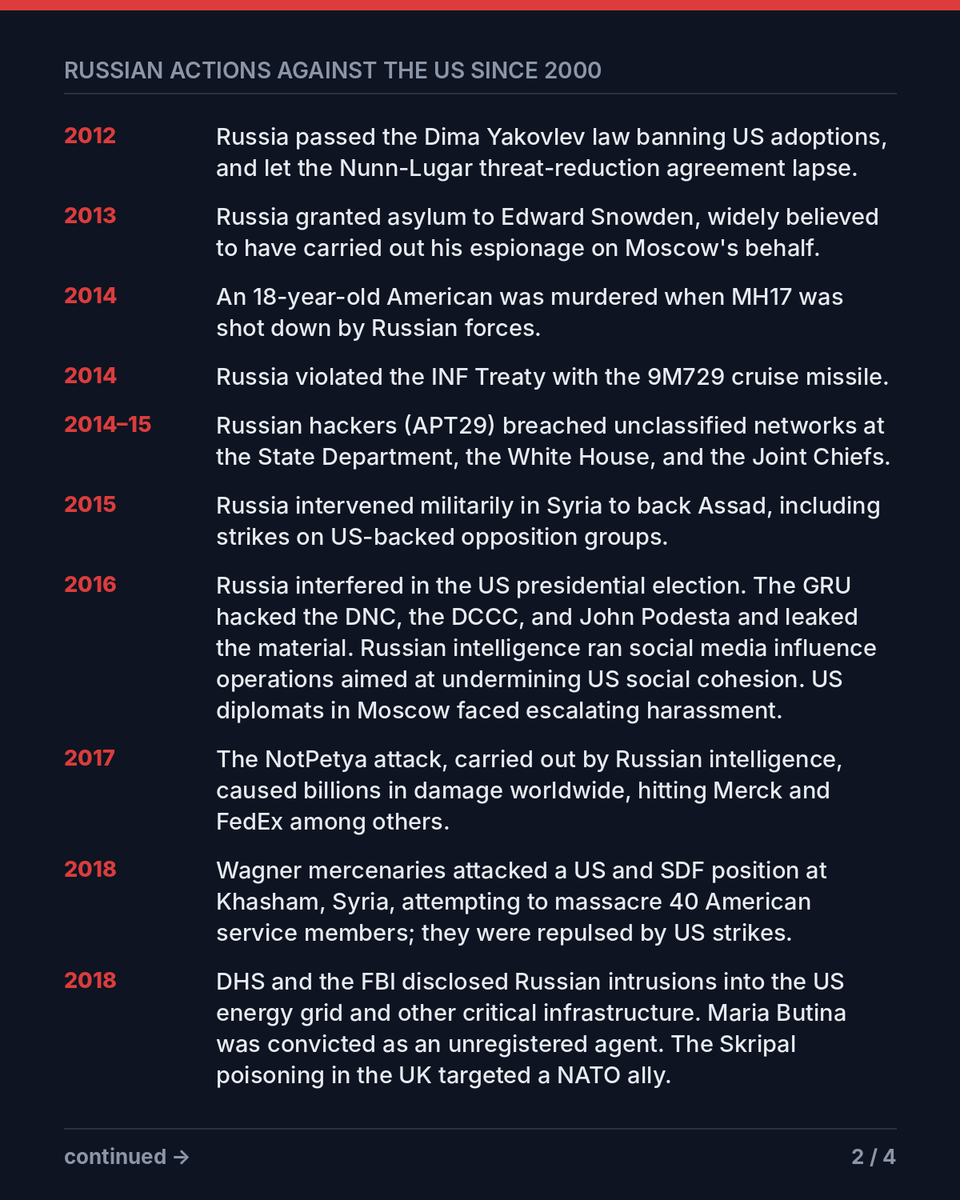
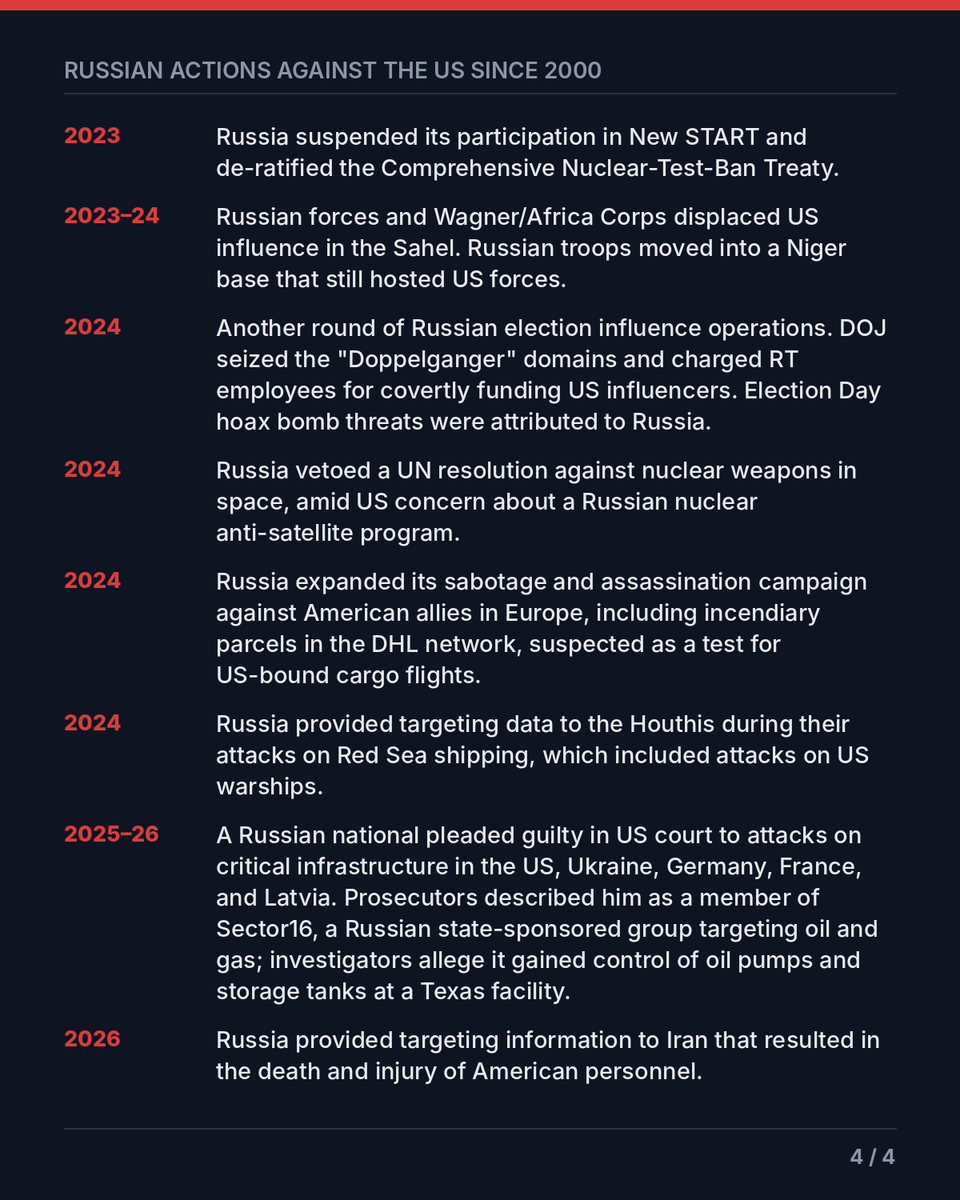
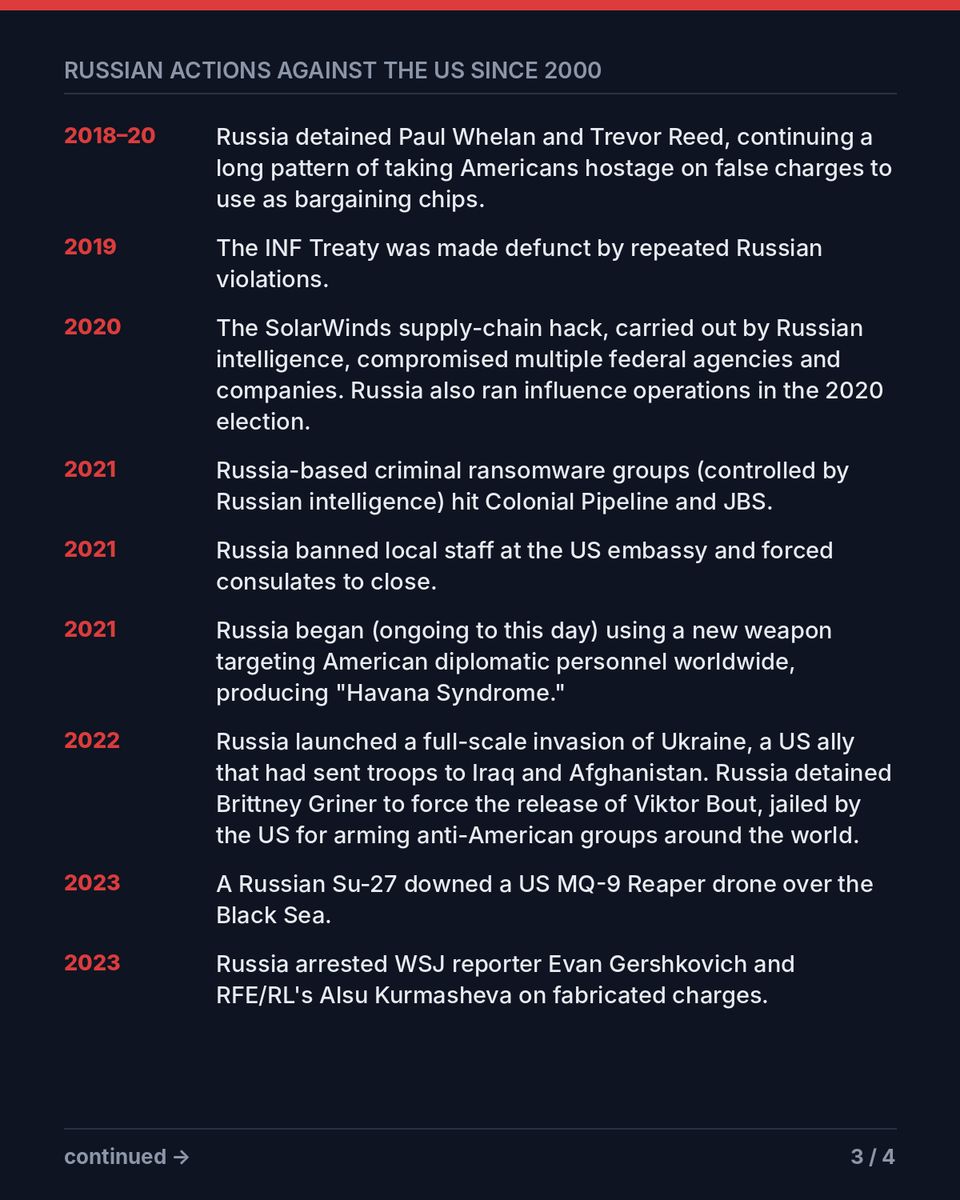
@RepDonBeyer Explain someone to me, American constitution, who actually make laws. Because at this point you are not democracy. You have one man doing decisions. Not a democracy.
155 out of 197 components in Russia’s deadly Kinzhal missile are American-made. According to a recent report, nearly 79% of the identified components in one of russia’s most advanced missiles come from the United States. Another 17 come from Japan, 10 from Switzerland, and 7 from Taiwan. Only ONE component is russian-made.
Russia is using Western technology to build missiles that destroy Ukrainian cities, infrastructure, and homes, killing innocent civilians. Despite years of sanctions, russia continues to obtain these components through supply chains that circumvent restrictions. If the West is serious about stopping russia’s war machine, it must stop the flow of technology that keeps that machine running.
Source: Slovo i Dilo
Russia calls this “domestic production.”
Yet in the Geran-4 flight controller examined by Ukrainian specialists, no Russian-made electronics were found at all. Of 105 identified components, 80 came from 🇺🇸 U.S. companies — with @TXInstruments, including components from National Semiconductor acquired by TI in 2011, accounting for 58.1%.
#Russia #US #ExportControls
An important study that deserves to be shared as widely as possible within the English-speaking world.
Last night, our friends at the *Militarnyi* portal published an English-language article containing a technical analysis of the onboard computer from a Russian jet-powered drone—the "Geran-4."
Of the 105 components identified, 80 come from American companies; Texas Instruments alone (including components from National Semiconductor, which was acquired by TI in 2011) accounts for 58.1% of the total.
In short: this points to a systemic reliance on Western electronics in this Russian attack drone.
For this reason, we have created a separate English-language "quote tweet" with commentary, in which we have tagged @TXInstruments directly.
We would appreciate it if you could share this post. 😉
Please tag journalists, American politicians, experts, and organizations involved in sanctions and export controls in the comments.
Our experience in disseminating such investigations shows that it is crucial to bring these findings to light beyond the Ukrainian "information bubble." They need to be seen by the manufacturers themselves, as well as by journalists, analysts, sanctions experts, American policymakers, and export control specialists.
Regardless of the current policy of the White House, the United States is much more than just a single administration or a single president. They include Congress, the media, industry experts, manufacturers, and government institutions—all of whom can raise the question of how American electronics end up in Russian attack drones on such a large scale. Therefore, such revelations must continue.
@informnapalm https://t.co/AP85tMdvh6
Trying to kill me doesn’t make the list, but I would unselfishly consider that plotting the murder of anyone on US soil as more evidence that Russia isn’t America’s friend…
Voor alle Russische propagandisten en elke wappie die in Russische propaganda is getrapt:
Aanschouw de Poolse Minister van Buitenlandse Zaken die bij de VN stap voor stap de hele Russische propagandamachine feitelijk ontmantelt.
A horrifying story of how the russians torture people.
Donetsk doctor Ihor Kirianenko was 57 when the russians seized him on the road. They tied him to a metal table, stretching his arms and legs like on a cross. Then they attached wires to his fingers and toes, shocking his genitals and ears.
They broke his ribs and fingers, cut his face to the bone, and pulled out his teeth with pliers. “I screamed, and they laughed: ‘Don’t scream so loud — there’s a kindergarten above us. You’ll scare the children,’” Hromadske reports.
After the torture, they brought him home. Ihor stood barefoot, his face shattered, wrapped in a plastic bag. The russians searched for wiretaps, smashed his antique shop, overturned furniture, and stole his equipment. Then they arrested his wife.
After that, they took him back to the torture chamber. On New Year’s Eve, the guards got drunk. “They knocked out all my teeth. Pulled my canines out with pliers. I heard a crunch and blacked out. When I came to, they were kicking me, breaking ribs and fingers. They were drunk and didn’t feel their own strength,” Ihor recalls.
They brought him back to the cell, but the guards refused to take him — he was covered in blood. They feared he would die. A doctor was called. He looked at Ihor and said: “He won’t die overnight, don’t worry.” They forced Ihor to sign a statement saying he had fallen down the stairs. Blood dripped onto the paper as he signed.
The cell reeked of mold; rats scurried between holes in the walls. The food was ground fish with bones and scales. Ihor’s fingers healed crookedly, without bandages. In court, he testified about the torture, but the judge ruled: “No evidence of torture established.” He was sentenced to 12 years in prison.
In the Makiivka colony, he refused seven times to take a russian passport. During roll calls, he always responded in Ukrainian: “Ihor Volodymyrovych.” For that, they beat him.
On August 15, 2025, he finally returned to Ukraine. “People came out to greet us. An old man in underwear with crooked legs waved a flag. A grandmother began to cross herself. People smiled and cried at the same time.”
Ihor spent seven years in captivity. He is now 64. He says he just wants to live.
Source: translated and adopted from Tymofiy Mylovanov
No sé cómo terminará esta guerra, pero pase lo que pase sólo puedo asegurar que Volódimir Oleksándrovich Zelenski es uno de los líderes más valientes, heroicos y éticos de la historia de la humanidad. Dios bendiga y proteja Ucrania.
With Yandex data centers under constant attack, I’m starting to worry that the White House will issue yet another demand to stop the strikes. After all, it would be a tragedy if Russia’s valuable bot traffic dried up just before the midterms.