@ManojSr60583090 अपनी बेटी को अच्छे संस्कार देते तो यह दिन नहीं देखना पड़ता I बेटी की कमाई खाने के चक्कर में माँ बाप उसकी समय पर शादी नहीं करते तो उसका परीणाम ऐसा ही होता है I
It now seems the Harappan culture was not the start of Indian civilisation, but just another dot in our long story of human civilisation.
New studies have revealed that humans lived in Gujarat's Kutch area over 12,000 years ago, predating the Harappan culture by 5000 years. These people ate molluscs found in the region’s mangrove forests, and used a variety of stone tools to hunt.
This new discovery suggests that instead of any sudden external influence, there has been a gradual, locally rooted process of adaptation and cultural development in human civilisation in the Indian subcontinent.
‘The accumulated knowledge of local geology, water resources, and navigation of these pre-historic humans may have later helped the Harappans plan their settlements more effectively and engage in long-distance trade.’
So now we push back our civilisational timeline to 12000 years from BP, leaving behind the SSVC.
The old man in the left in this picture can be easily mistaken for a great priest !!! No ! He is Dr. C P. Mathew who was the Head of the Oncology Department at Kottayam Medical College and later principal. On the 'right' is Brahmashree Suryan Subramanian Bhattathiri.
Contd..
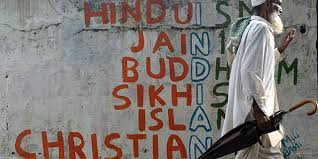
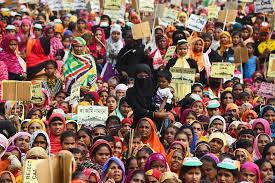
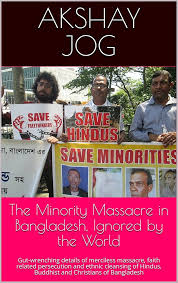
Systemic Ethnic Cleansing of Hindus and Sikhs in Pakistan, Bangladesh and Afghanistan
1. Sindhi Hindus
Status: Significantly reduced in Pakistan’s Sindh province due to the 1947 Partition of India - Migration &Riots.
Approximately 4.9 million Sindhi Hindus remain in Sindh as of the 2023 Pakistan census, concentrated in areas like Umerkot (54.7% Hindu) and Tharparkar (811,507 Hindus).
Reasons for Decline:
Partition Violence
Ongoing Persecution: Reports indicate ongoing issues like forced conversions (approximately 1,000 non-Muslim girls annually) and temple destruction (95% of temples in Pakistan damaged since 1990). About 5,000 Hindus migrate from Pakistan to India yearly.
Economic Loss: Sindhi Hindus left behind businesses and properties in urban Sindh, with no precise valuation but described as substantial due to their economic dominance.
Current Challenges: In Pakistan, Sindhi Hindus face voter registration issues, with only 1.777 million registered voters out of 4.77 million, limiting political representation.
2. Balochi Hindus
Status: Largely diminished in Balochistan, Pakistan. The 1941 census noted Hindus as 14.6% of West Pakistan’s population (including Balochistan), dropping to 1.6% by 1998.
Reasons for Decline:
Partition Migration: Over 5 million Hindus and Sikhs, including Balochi Hindus, migrated from West Pakistan to India in 1947 due to communal violence and distrust. The Hinglaj Mata temple in Balochistan remains a key Hindu pilgrimage site, indicating a historical presence.
Persecution: Ongoing discrimination and lack of political representation have reduced their numbers further.
Cultural Loss: The abandonment of temples and cultural sites in Balochistan represents an unquantified cultural and economic loss.
Current Challenges: Balochi Hindus are a small, scattered community, with some assimilated into Sindhi Hindu populations in India. Data on their distinct identity is limited.
3. Kashmiri Hindus (Kashmiri Pandits)
Status: Largely displaced from the Kashmir Valley due to the 1989–1990 insurgency. Estimates suggest 300,000–600,000 Kashmiri Pandits fled Jammu and Kashmir, reducing their presence to a few thousand in the valley by the 2000s.
Reasons for Decline:
Insurgency and Violence: Militant groups targeted Kashmiri Pandits, with killings, threats, and property destruction forcing mass exodus. The Indian government facilitated their relocation to Jammu, Delhi, and other areas.
Lack of Return: Despite rehabilitation schemes, few have returned due to ongoing security concerns and lack of infrastructure restoration.
Property Loss:
Pandits abandoned homes and land, with estimates of property losses in the billions (USD equivalent), though no official valuation exists.
Current Challenges: Kashmiri Pandits in India face cultural dislocation and demand restoration of their rights in Kashmir. Their plight is widely discussed, unlike other communities listed.
4. Afghani Hindus
Status: Nearly extinct, with only 30–40 individuals remaining in Afghanistan as of 2021, primarily in Kabul and Jalalabad. Historically, Hindus numbered around 200,000 in the 1970s, with significant populations in urban centers like Kabul, Kandahar, and Herat.
Reasons for Decline:
Historical Persecution: From the 1880s under Amir Abdur Rahman Khan, Hindus faced boycotts and harassment, triggering early migrations. The 1978 conflict and subsequent civil wars (1990s) led to a mass exodus, with 50,000 leaving under the Aab Gang pilgrimage passport scheme.
Taliban Rule: During the 1996–2001 Taliban regime, Hindus were forced to wear yellow badges and faced restrictions on religious practices, accelerating their departure. The 2021 Taliban takeover prompted further evacuations by India.
Economic Loss: Hindus were prominent in trade, and their departure led to unquantified economic disruption in Afghan cities.
Current Challenges: The remaining Hindus face extreme marginalization, with only one priest left guarding a temple in Kabul. Most have resettled in India, the UK, or the US.
5. West Punjabi Hindus
Status: Virtually eliminated from West Punjab (now in Pakistan) post-1947. The 1941 census recorded Hindus and Sikhs as 20% of West Punjab’s population; by 1951, Hindus were 1.3%. Most migrated to East Punjab (India) during Partition.
Reasons for Decline:
Partition Violence: West Punjab saw intense communal violence, with an estimated 1 million deaths across the Punjab region. Approximately 4.5 million Hindus and Sikhs migrated to India.
Ethnic Cleansing: Some sources describe the migration as ethnic cleansing, with systematic attacks on Hindu and Sikh communities.
Property Loss: Hindus left behind flour mills, businesses, and homes in cities like Lahore, with losses in the billions (USD equivalent, unquantified).
Current Challenges: West Punjabi Hindus are now integrated into India’s Punjabi Hindu population, with no significant presence in Pakistan.
6. Afghani Sikhs
Status: Drastically reduced, with only 70–80 families (≈700 individuals) remaining in Afghanistan as of 2020, down from 200,000–500,000 in the 1970s. Most live in Kabul and Jalalabad.
Reasons for Decline:
Conflict and Persecution: The Soviet invasion (1979) and civil wars (1990s) destroyed most gurdwaras (e.g., seven of eight in Kabul). The Taliban imposed jizya tax and banned cremation, forcing many to flee to India, the UK, or Canada.
Targeted Attacks: Notable incidents include the 2018 Jalalabad bombing (10 Sikhs killed) and the 2020 Kabul gurdwara attack (25 killed).
Cultural Loss: Destruction of gurdwaras and cremation grounds represents significant cultural and economic loss, with rebuilding costs unquantified.
Current Challenges: Remaining Sikhs face cremation bans and social exclusion. Most have resettled abroad, with communities in Delhi and New York.
7. West Punjabi Sikhs
Status: Nearly eliminated from West Punjab, Pakistan, post-1947. The 1941 census noted Sikhs and Hindus as 20% of West Punjab’s population; by 1951, Sikhs were negligible. Most migrated to East Punjab, India.
Reasons for Decline:
Partition Violence: Sikhs faced targeted killings and property seizures, with 4.5 million migrating to India. The Sikhistan movement for an independent state heightened communal tensions.
Post-Partition Persecution: Remaining Sikhs faced discrimination, with gurdwaras like one near Jahman village collapsing in 2023.
Property Loss: Sikhs abandoned businesses, land, and gurdwaras, with losses in the billions (USD equivalent, unquantified).
Current Challenges: West Punjabi Sikhs are now part of India’s Sikh population, with minimal presence in Pakistan. Some historical sites, like Gurdwara Janam Asthan in Nankana Sahib, are maintained by Pakistan.
8. Bangladesh Hindus
Status: Significantly reduced. Hindus comprised 22% of East Pakistan’s population in 1951, dropping to 7% in Bangladesh by 2023. The population is around 13 million, concentrated in areas like Dhaka and Chittagong.
Reasons for Decline:
Partition and 1971 War: About 6.5 million Hindus migrated to India during the 1947 Partition and the 1971 Bangladesh Liberation War due to violence and persecution.
Ongoing Issues: Reports highlight forced conversions, land grabs, and violence against Hindus, systematic ethnic cleansing.
Economic Impact: Hindus in Bangladesh face property seizures, with no precise valuation of losses. Temple destruction and economic marginalization add to costs.
Current Challenges: Hindus face underrepresentation in politics and occasional violence, though they remain a significant minority. Claims of rapid decline are speculative without recent census data.
#Hindupersecution #EthnicCleansing #Hindu #SanatanaDharma #Sikh
"Communities that have been wiped out:
1. Sindhi Hindus
2. Balochi Hindus
3. Kashmiri Hindus
4. Afghan Hindus
5. West Punjabi Hindus
6. Afghan Sikhs
7. West Punjabi Sikhs
8. Bangladesh Hindus (not wiped off, but will be quickly)
But the world thinks Muslims are under attack in India."
- @CommanGUY
ऐसे "Role Models” चाहिए क्या Gen - Z को ??
ये रणवीर अलहाबादिया (@BeerBicepsGuy) है .. इसके पॉडकास्ट तो देखें होंगे आप लोगों ने, अब इसकी असलियत भी देख लो .. एक फूहड़ टेलेंट शो में क्या क्या स्टैंडर्ड सेट कर रहा है.. मुझे लगता है इसकी इस ओछी हरकत के बाद सेलिब्रिटीज़ को इसके शोज़ का बहिष्का��� करना चाहिए..
Save Culture Save India कैम्पेन के प्रेरक @UdayMahurkar जी से भी मेरा अनुरोध है की सिर्फ अश्लीलता परोसने वाले OTT प्लेटफॉर्म्स ही नहीं ऐसे इन्फ्लुएंसर्स पर भी नकेल कसने की ज़रूरत है
A 144 year old Saint took his last breath at Mahakumbh in Prayagraj
He attained samadhi at the age of 144, leaving behind a legacy of spiritual wisdom and unwavering faith 🚩.
May his soul find eternal peace.
Om Shanti! 🙏✨