Mamma di 2 post-universitari, psicologa etá evolutiva SSN, animo rock-new wave, lettrice onnivora, ex ginnasta ora pigra, amo il mare, i tulipani e i sassi
Non ci sono allarmismi, non siamo vicini alla fine e del mondo, ma questa situazione dipende quasi completamente dalle nostre attività produttive, dunque qualche contromisura la dovremmo prendere. Oppure continuiamo a negare, rimandando a domani ciò che dovevamo fare ieri.
Mentre noi parliamo delle scaramucce tra due patetici personaggi, ieri quasi un milione di persone si sono radunare a Tirana, per protestare contro l'abuso edilizio voluto da Kushner.
Sono 22 giorni che gli albanesi ❣️ protestano senza sosta!
È di nuovo la sera prima di partire.
Ho guardato i pianeti e la Luna decorare il crepuscolo e tra loro c'erano anche quelle speranze che non se ne vanno mai. Il colore diventa notte e io penso a quello che sarà, a quello che sarò e a come altri desideri si scioglieranno in luce✨
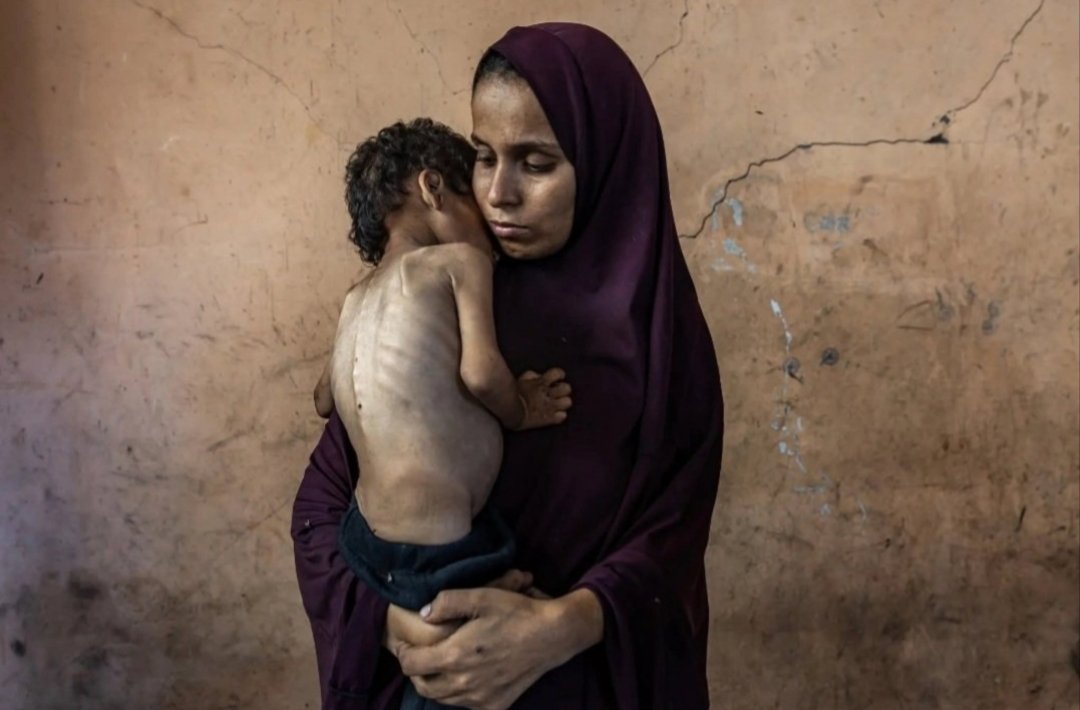
L’IDF ha ucciso un neonato palestinese di 7 mesi con un colpo alla testa…
In Cisgiordania occupata negli ultimi tre anni Israele ha ucciso 30.000 bambini.
Per riposarsi e rilassarsi dai loro crimini di guerra e dalla strage dei bambini, i soldati israeliani vengono a fare le vacanze in Sardegna, protetti da una scorta.
Lo scudo protettivo politico militare e mediatico continua… #GENOCIDIO
In 1965, a 17-year-old girl in Sicily was kidnapped, assaulted, and held captive for over a week.
Then her attacker offered her a deal:
Marry him, and everything would be “forgiven.”
At the time, Italian law allowed rapists to avoid punishment if they married their victims.
It was called “reparatory marriage.”
The logic was horrifying:
A woman’s “honor” mattered more than her consent.
If she married the man who violated her, her reputation could supposedly be restored — and the rapist could walk free.
Most women had no real choice.
Families pressured them.
Communities expected obedience.
The law itself encouraged silence.
But Franca Viola said no.
At 17 years old, traumatized and publicly shamed, she refused to marry the man who assaulted her.
That single word changed Italy forever.
Her decision sparked outrage in her town.
Neighbors turned against her family.
Their vineyards and olive groves were burned in retaliation.
But Franca’s father stood beside her and supported her decision to press charges.
In 1966, Franca testified publicly against her attacker in court.
At a time when most victims were expected to stay silent forever, she spoke openly in front of the entire country.
Italy watched in shock.
Her attacker, Filippo Melodia, was convicted and sentenced to prison.
For the first time in Italian history, a woman had publicly rejected “reparatory marriage” and won.
The case became international news.
But the law itself still remained.
For another 15 years, rapists in Italy could technically still escape punishment by marrying their victims.
Then finally, in 1981, Italy abolished the law completely.
And many activists pointed to Franca Viola as the moment the country first began confronting the cruelty of that system.
Years later, Franca married a childhood friend who had stood beside her through everything.
Not because she needed her “honor restored.”
But because she deserved love, dignity, and a life defined by her own choices.
That’s why her story still matters.
Franca Viola wasn’t just resisting one man.
She was resisting an entire culture that treated women’s suffering as something to hide rather than something to fight.
At 17 years old, she stood against her attacker, her community, and even the law itself.
And eventually, the law changed.
Sometimes history moves because powerful people decide to act.
And sometimes history moves because one terrified teenager quietly refuses to surrender.
Aquilani, una persona diversa nel mondo del calcio, un allenatore che gioisce e partecipa in modo autentico allo spirito di squadra, non come certi mister stizzosi e arroganti, egoriferiti