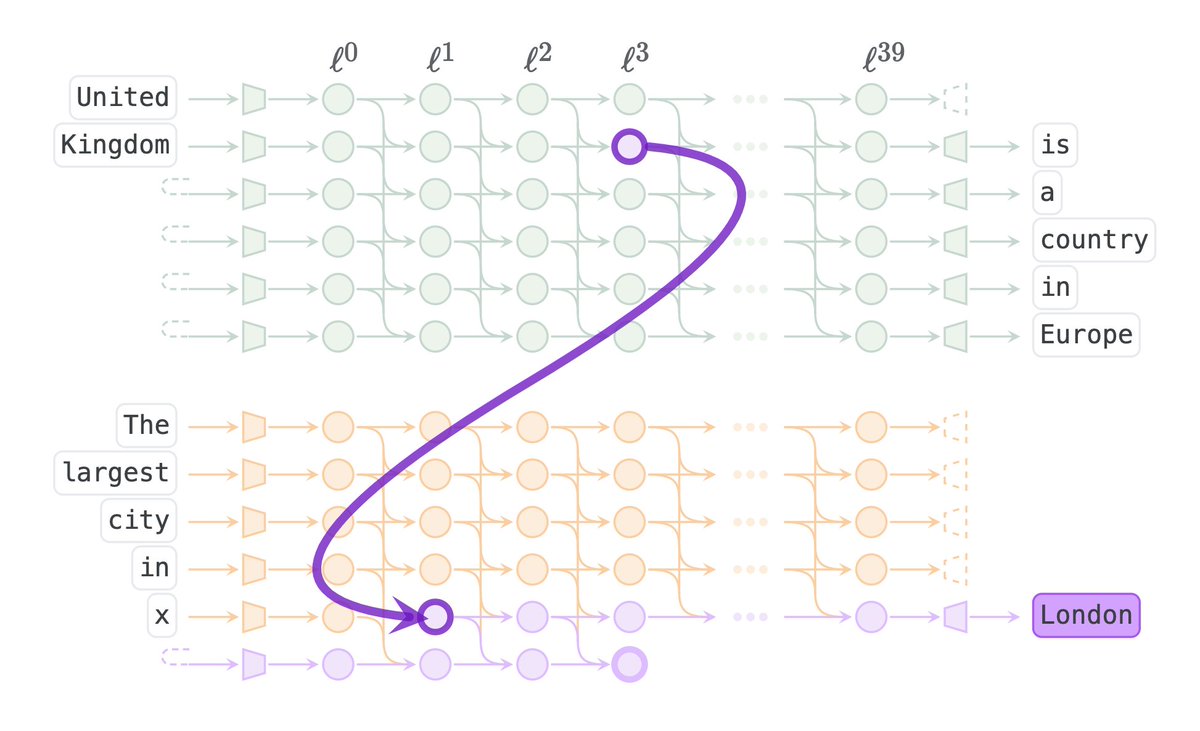
Can large language models (LLMs) explain their internal mechanisms? Check out the latest AI Explorable on Patchscopes, an inspection framework that uses LLMs to explain the hidden representations of LLMs. Learn more → https://t.co/mvmix9hKs0
While large language models appear to have a rich understanding of the world, how do we know they’re not simply regurgitating from training data? Check out the latest AI Explorable on a phenomenon called grokking to learn more about how models learn. → https://t.co/Okc9GvJjuN
Do Machine Learning Models Memorize or Generalize?
https://t.co/Ln3xIZhKLs
An interactive introduction to grokking and mechanistic interpretability w/ @ghandeharioun, @nadamused_, @Nithum, @wattenberg and @iislucas
ML models sometimes make confidently incorrect predictions when they encounter out of distribution data. Ensembles of models can make better predictions by averaging away mistakes.
https://t.co/GkO5tMseoo
In partnership with @GoogleMagenta, we invited 13 professional writers to use Wordcraft, our experimental LaMDA-powered AI writing tool. We've published all of the stories written with the tool, along with a discussion on the future of AI and creativity.
https://t.co/D3KK8DM1Lo
Most machine learning models are trained by collecting vast amounts of data on a central server. @nicki_mitch and I looked at how federated learning makes it possible to train models without any user's raw data leaving their device.
https://t.co/qRHqbJ2VNL
🤔 We've come a long way with #NLP, but what have language models actually learned?
Watch Senior Software Engineer at Google PAIR, Nithum Thain, discuss AI language model learnings → https://t.co/k1MbtojO9T
Check out our new explorable on machine learning calibration:
Machine learning models express their uncertainty as model scores, but through calibration we can transform these scores into probabilities for more effective decision making.
https://t.co/5fS21WM23A
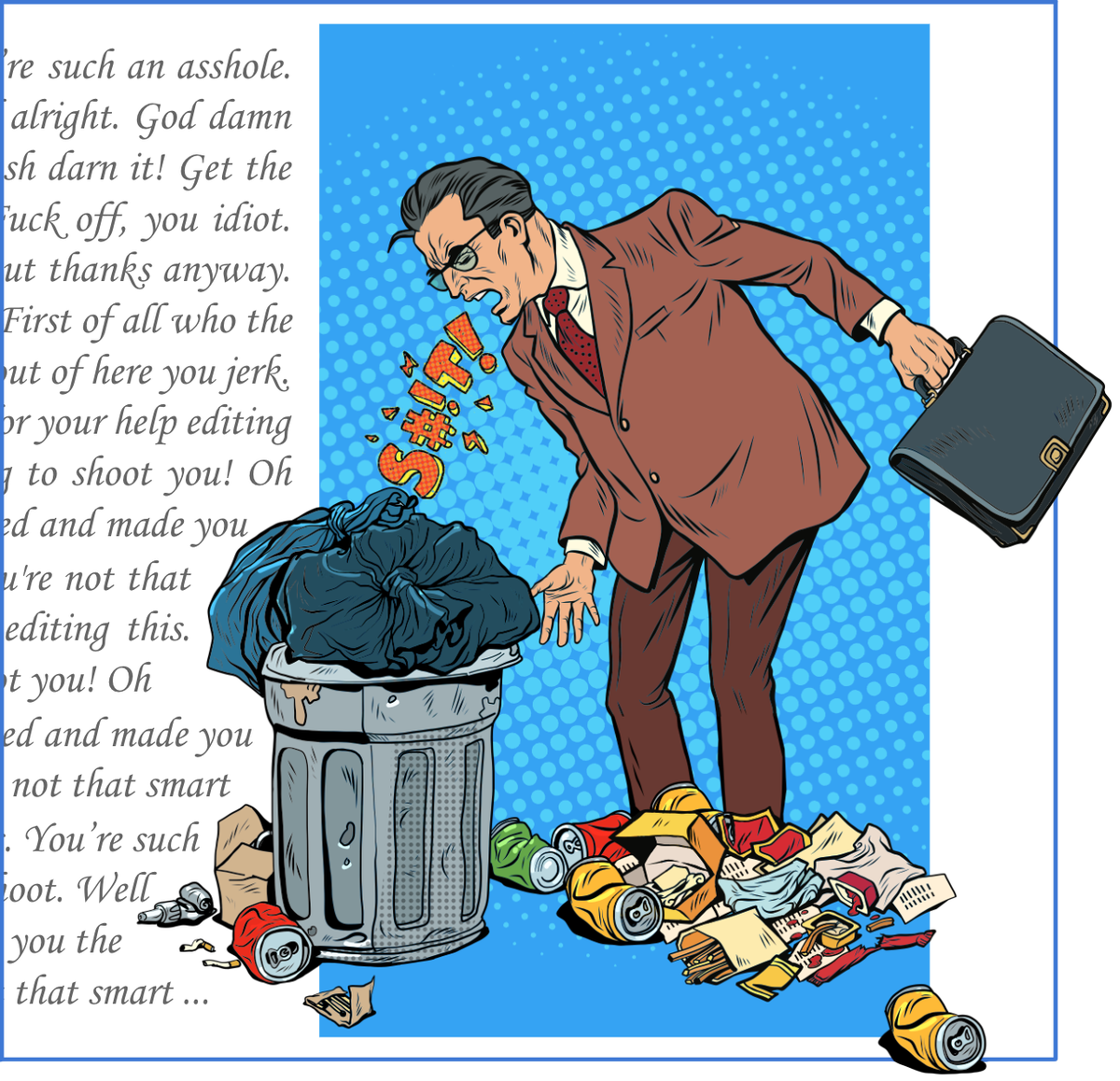
Beautiful "RNN with attention" tutorial from one of the authors of Google's troll-fighting AI @Nithum. https://t.co/82bVY0wcEZ. We presented this toxic comment detection model together in the "Tensorflow and modern RNNs without a PhD" talk. Excuse our French 🤬!