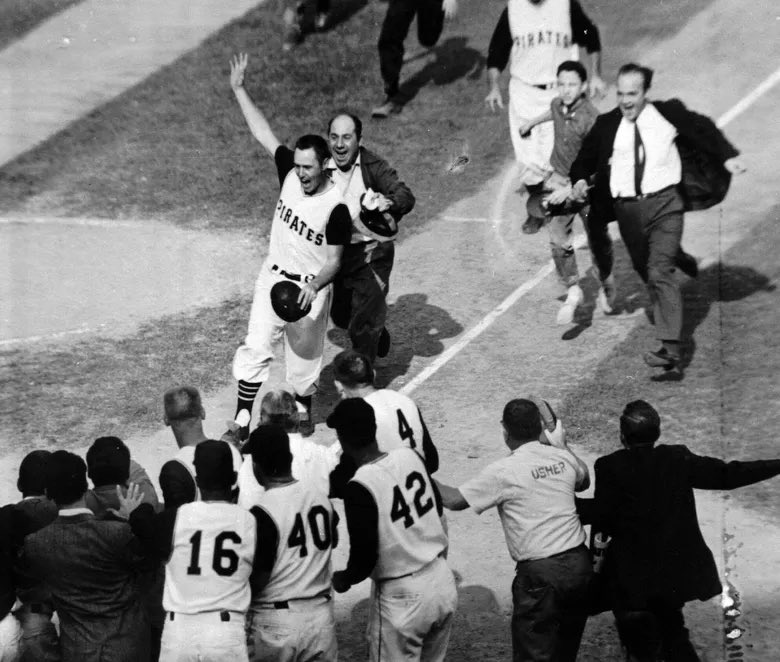
Terry Bradshaw and Willie Stargell with Pittsburgh steel workers, 1979. Photo by Walter Iooss Jr. It was shot for the December 24–31, 1979 issue of Sports Illustrated, which featured the two stars as the magazine’s Sportsmen of the Year. This photoshoot celebrated a historic year for Pittsburgh, as both the Steelers (led by Bradshaw) and the Pirates (led by Stargell) won their respective world championships in the same season—earning the city the nickname City of Champions.
If this is the end of the Pens Big 3, what a run it’s been.
— 3 Stanley Cups
— 3,924 games
— 3,974 points
— 1,365 goals
— 3 Conn Smythes
— 3 Harts
20 years together. The longest-tenured trio in North American pro sports.
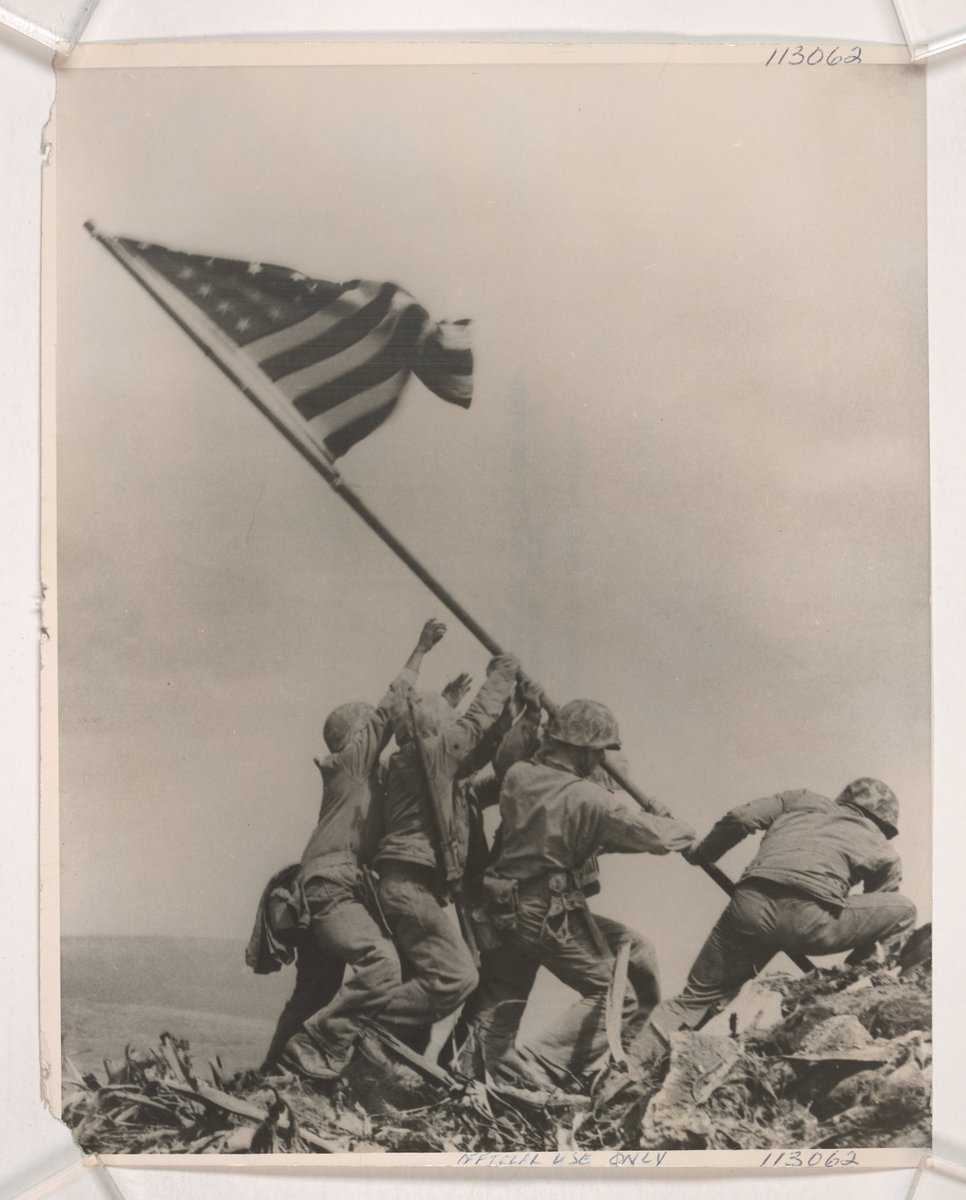
We honor the Marines who raised the flag on Iwo Jima on February 23, 1945.
Those men bravely fought through one of the toughest battles in the Pacific.
Their courage drives our commitment to defend this nation with the same grit, sacrifice and unbreakable resolve they showed on that mountain.
I’ll confess. I’ll probably listen to this year’s Here We Go song 5-10 times a day for the next week. A Steelers playoff tradition. This year’s is pretty good.
Not a dumb question at all!
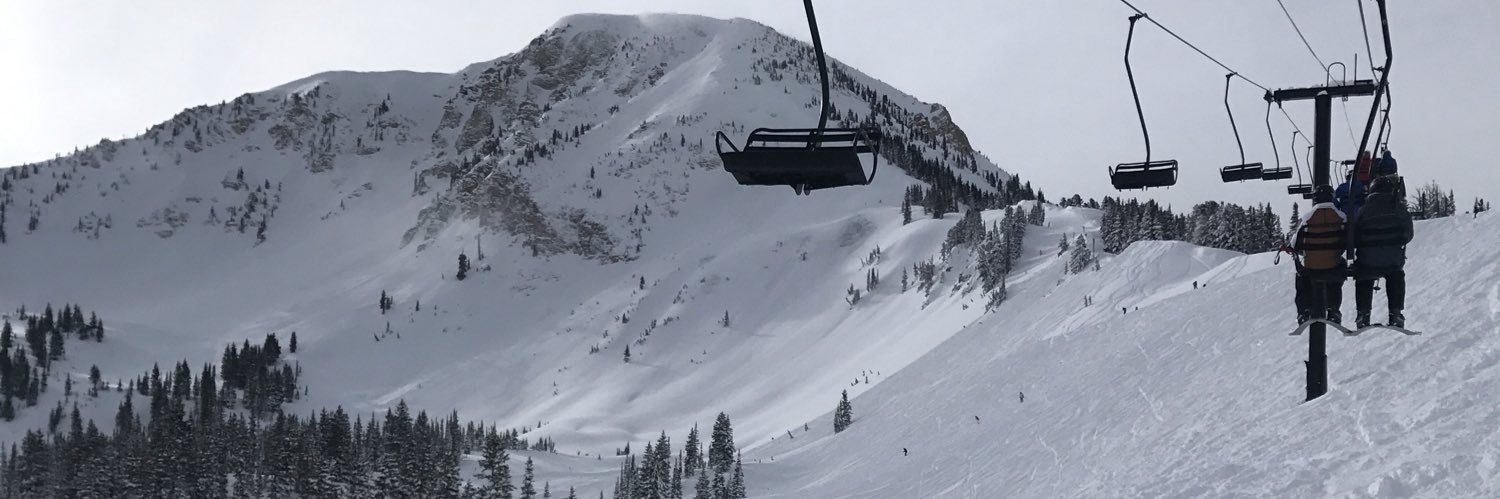
Technically, yes, wind at the same speed would be less impactful at higher elevations than at sea level. Because the density of the air is lower, there are fewer molecules to blow against you and create the resistance you feel in heavy winds.
Wind load (the force of wind pushing on an object) is directly proportional to air density, meaning the wind load in Denver (where the density is on average 82% that of sea level) would also be 82% of that at sea level.
However, realistically, any difference would probably be negligible in terms of what your body experiences. So it might be 18% less forceful, but would you really notice?
Still think weather isn't real @hen_ease?