Historian researching the Indian National Army and the experiences of Indian Prisoners of War of the Japanese in World War Two.
D.Phil. (Oxon.) FRHistS
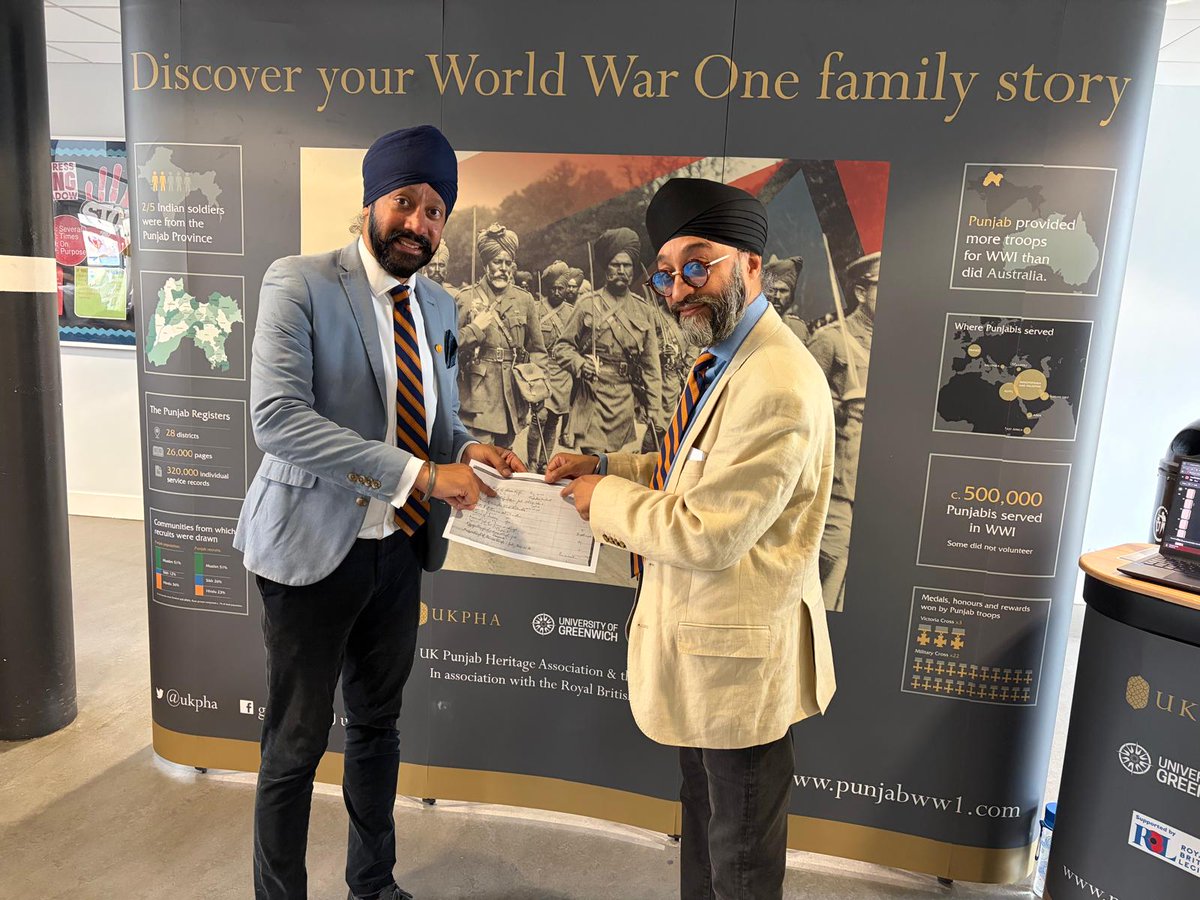
Punjab Registers @UKPHA overturns a historical injustice as 9909 Punjabi soldiers from the Indian Army are added to the official @CWGC casualty database - the largest such addition since the Second World War.
An International research project that brought together historians, Indian Army specialists & heritage volunteers from UKPHA, CWGC & @UniofGreenwich. Particular thanks to PhD students @G_AWilliams & @JasminAthwal@NAM_London whose research has been critical in the methodology of identifying casualties.
9,909 Punjabi WW1 casualties from the #Indian Army - Muslim, Hindu and Sikh - diverse in nature but united in service and sacrifice, commemorated for the first time.
Manjinder Nagra found her GGF WW1 record after contact with @UKPHA:- you can too - please get in touch!
Thank you @BBCBreakfast for the opportunity!
#Commemoration
#SouthAsianHeritageMonth
#ww1
#Firstworldwar
BBC News - Thousands of forgotten Punjabi WW1 soldiers recognised for first time
https://t.co/xeyGSjfPFa
Thanks to @andrewehrhardt and @CSNS_UK for hosting the UK launch of 'Transatlantic Storms in Anglo-American Relations' (@Georgetown_UP) earlier this week. Thanks also to the audience for braving the heat (a full house with no AC!) and for their challenging questions!
Kevin Noles just keeps giving.
"Renegades in Malaya" an academic paper by @NolesHistory, published in the British Journal for Military History in 2017
It explores the cooperation of British-Indian Army regulars with the Imperial Japanese Army during the #MalayanCampaign (1941-1942).
It was referred to as the “F. Kikan”, a special Military Intelligence and liaison organization led by Major Fujiwara, to subvert front-line Indian Army formations and marshal large numbers of Indian prisoners of War.
The IJA made a great catch with Captain Mohan Singh. The troops were from the 1/14th Punjab Battalion, one of the infantry units over-run by the Japanese during the fighting at Jitra, and included Captain Mohan Singh, an Indian Commissioned Officer who would come to have a pivotal role in the history of the
F. Kikan.
The early successes of these operations laid the vital groundwork for the establishment of the Japanese-sponsored Indian National Army (INA) later in
1942.
https://t.co/bQq26GOgs2
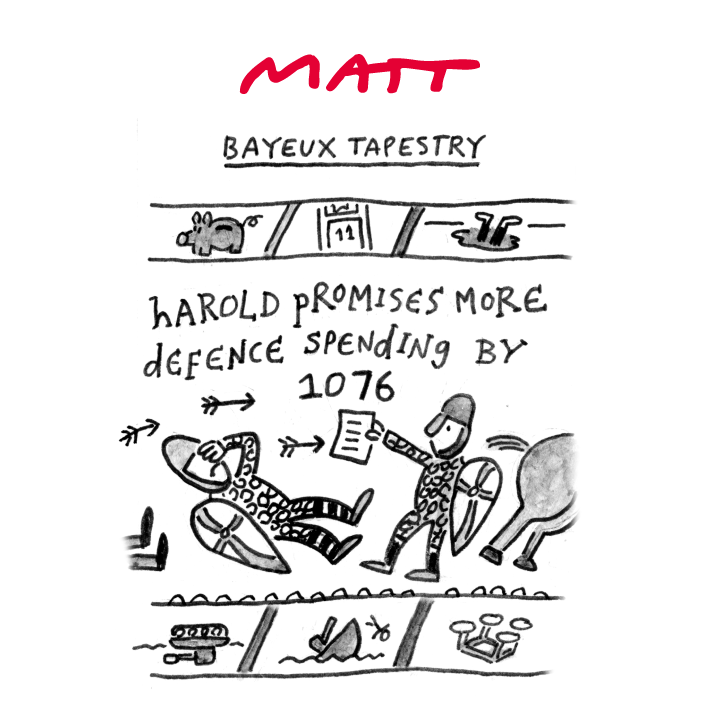
Let’s nail this state lie once and for all. The government is NOT increasing defence spending by £270 billion during this parliament. It is a ludicrous claim.
Yet one Keir Starmer made to Parliament’s Liaison Committee in March: Labour, he said, will “spend £270 billion MORE (my emphasis) than we would otherwise have done on defence” in this Parliament.
Starmer has always been weak on facts and figures but even by his standards this is a massive porkie.
This is the truth: £270 billion is the total cumulative projected defence spending for the four financial years from 2025/26 up to and including 2028/29 lumped together.
It is NOT even the cumulative increase in defence spending during these years.
Nobody (except perhaps Gordon Brown) speaks about public spending in this way, unless the intention is massively to mislead.
By 28/29 defence spending is projected to be £13 billion a year more than at the start of the period. So not exactly £270 billion. But I guess if you’re going to lie you might as well make it a whopper.
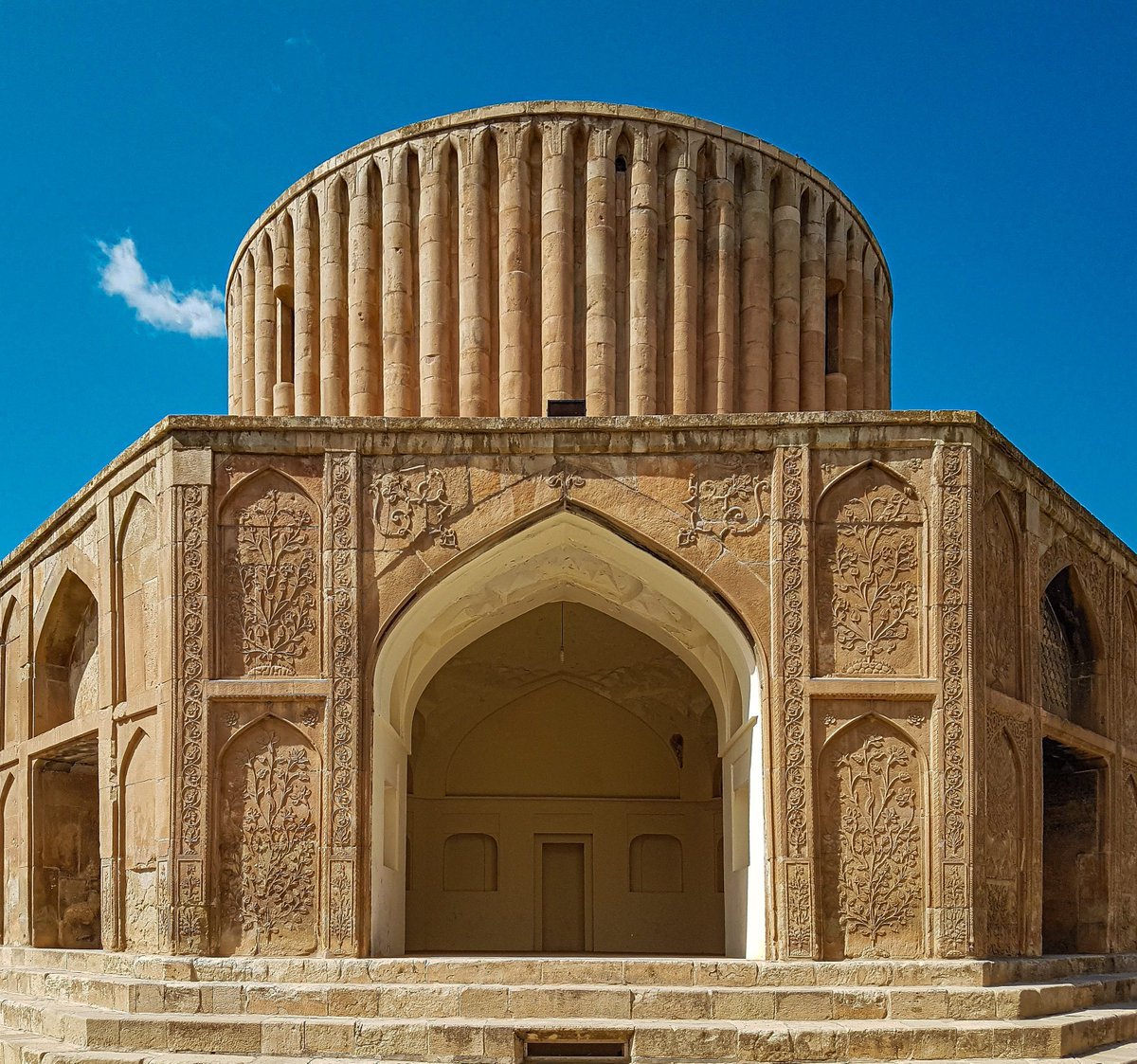
The Man Who Destroyed The Mughal Empire
In the small town of Kelat-i-Naderi, two hours north of the Iranian pilgrimage town Mashhad, lies a sandstone Mughal tomb that feels straight out of Delhi.
This is all starting to get very real. The team @VikingBooksUK are putting together a great looking book tour for Collapse. The home game @blackwelloxford, near where I live, will be special though. Tickets available for 12 October through the link below:
Most of us believe that the modern style turbans were introduced by the British for Sikh Soldiers in the British Indian Army.
It is not the case.
When Maharaja Ranjit Singh onboarded Jean-François Allard (French) and Jean-Baptiste Ventura (Italian) as his Generals to modernise his army, he created Fauj-i-Khas (Special Brigade) under the two generals (around 1820s).
The training of Sikh army in European tactics required the change in attire and the new uniform with a change in style of turban was introduced.
So, the modern-style pagg dates back to 1820s and not early 1900s and is 200 years old.
As tensions between Europe and the United States grow sharper, the old rhetoric according to which America generously saved Western Europe out of pure benevolence is being wheeled out again by Americans. It needs to be understood clearly: THIS IS A COMPLETE FABRICATION.
Entry was forced, not chosen
•Neutrality maintained from September 1939 through December 1941, despite the fall of Poland, the fall of France, the Battle of Britain and the onset of the Shoah.
•The US entered only after Pearl Harbor (7 December 1941) and Hitler’s declaration of war on the US (11 December 1941). No American initiative.
•House vote to extend the draft on 12 August 1941: 203 to 202. One vote.
•Gallup polling 1939 to 1941: a consistent majority opposed entering the war. The America First Committee reached around 800,000 members.
Britain paid cash before getting aid
•“Cash and Carry” (November 1939) required belligerents to pay in gold or dollars and to ship in their own bottoms.
•“Destroyers for Bases” deal (2 September 1940): 50 obsolete WWI destroyers in exchange for 99-year leases on eight British bases (Newfoundland, Bermuda, Caribbean).
•Britain was forced to liquidate US-held assets (American Viscose sold to a Morgan Stanley syndicate in March 1941) before Lend-Lease was enacted.
•Lend-Lease Article VII (Master Agreement, 23 February 1942): British commitment to dismantle Imperial Preference as a condition of aid.
War aims: dismantling the British Empire and seizing its succession
•Atlantic Charter (14 August 1941): Roosevelt inserted self-determination and equal access to raw materials, directly targeting the Ottawa Preference system of 1932.
•Bretton Woods (July 1944): the dollar became the reserve currency, Keynes’s “bancor” plan was rejected, sterling was subordinated.
•Council on Foreign Relations War and Peace Studies (1939 to 1945, Rockefeller-funded): explicit planning for US succession to British hegemony.
Roosevelt betrayed France repeatedly
•Treaty of Guarantee signed by Wilson, Clemenceau and Lloyd George on 28 June 1919. France surrendered the Rhine frontier in exchange. The US Senate refused to ratify (Versailles rejected on 19 November 1919 and again on 19 March 1920). The British guarantee, tied to US ratification, lapsed automatically. France had traded the Rhine for nothing.
•June 1940: Reynaud’s telegrams of 14, 15, 18 June begged Roosevelt for intervention or at least a public commitment. Roosevelt’s 13 June reply offered material aid and explicitly refused military commitment. He forbade publication.
•The US maintained full diplomatic recognition of Vichy until November 1942 (Admiral Leahy as ambassador to Pétain).
•Operation Torch (November 1942): a deal with Darlan, the Vichy collaborationist, then with Giraud, deliberately excluding de Gaulle.
•Casablanca / Anfa conference (January 1943): Roosevelt tried to impose Giraud, a docile military figure, over de Gaulle.
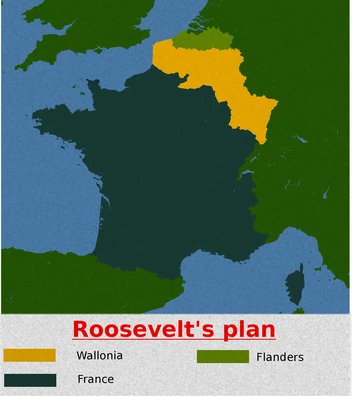
•Roosevelt’s “Wallonia” project: in 1942 and 1943 the President proposed to Anthony Eden and to Lord Chandos the creation of a new buffer state, “Wallonia”, carved out by detaching Alsace-Lorraine and parts of northern France from French territory and merging them with French-speaking Belgium and Luxembourg. France, the country that had been invaded, was to be amputated by its own ally. The plan was dropped only because of British opposition and de Gaulle’s establishment of facts on the ground.
•AMGOT plan: a US military government envisaged for liberated France, with its own occupation currency printed in advance. A pure denial of French sovereignty.
•Recognition of the GPRF withheld until 23 October 1944, more than four months after D-Day, while the GPRF was already administering liberated France.
•France excluded from Yalta (February 1945). The French occupation zone in Germany was carved out of British and American zones at Churchill’s insistence, against Roosevelt’s preference.
Strategic priorities served US interests, not liberation
•“Germany First” (ABC-1 plan, March 1941) was set before Pearl Harbor to protect the Atlantic and the hemispheric position, not to rescue Europeans.
•The second front was delayed from 1942 to 1944 despite Soviet demands, in favor of Mediterranean operations covering imperial sea lanes.
•Quincy Pact (14 February 1945, USS Quincy): the Roosevelt and Ibn Saud agreement secured Saudi oil before the war was even over.
Continued business with the Reich
•Ford-Werke, Opel (a GM subsidiary), IBM via Dehomag, ITT via Focke-Wulf: American-owned industrial assets operated inside Nazi Germany throughout the war.
•Standard Oil of New Jersey and IG Farben agreements on synthetic rubber and aviation additives are documented into 1941 and 1942.
•Union Banking Corporation (Prescott Bush) was seized under the Trading with the Enemy Act only in October 1942.
Indifference to the persecuted
•Évian Conference (July 1938): the US refused to raise immigration quotas for Jewish refugees.
•SS St. Louis (June 1939): 900 Jewish refugees were turned away from US shores.
•The rail lines to Auschwitz were not bombed in 1944 despite War Refugee Board requests and the available range of bombers based in Italy.
American soldiers were not ideological crusaders
•Around 16 million Americans were mobilised, of whom about 10 million were conscripted under the Selective Training and Service Act (September 1940), the first peacetime draft in US history.
•Samuel Stouffer, The American Soldier (1949, around 500,000 surveys): the primary combat motivation was small-unit loyalty and wanting to go home. Abstract ideological motives (“Four Freedoms”, the defeat of fascism) ranked low.
•The extermination of the Jews was not publicly known at the scale we now understand until the camp liberations of spring 1945. “The war to save the Jews” is a post-1960 retrospective construction.
•GI Bill (June 1944): around 8 million beneficiaries. This was the real domestic payoff, a middle-class expansion program, not a liberation crusade.
Postwar result: American primacy, not European freedom
•US GDP rose from around 27 percent of world output in 1941 to around 50 percent in 1945. The only major economy enriched by the war.
•Marshall Plan (1948) conditioned on market opening, the exclusion of Communist parties from government, and purchases of US goods.
•NATO (1949) under permanent American command (SACEUR). US bases installed in Europe to the present day.
•The empires of the allies (British, French, Dutch) were dismantled within twenty years. The US emerged as the sole Western hegemon.
Conclusion
None of this is a moral indictment. It is, in truth, perfectly normal. In the long history of nations, it is exceedingly rare for a country to send its children to die out of altruism. States send their sons to fight to defend their interests. That is the rule, not the exception. The Americans behaved as any serious power behaves.
The fault lies partly with us, for having believed otherwise. But it lies also with the Americans of today, who sincerely believe their own propaganda, who have ended up taking the Hollywood version of their own history at face value, and who now lecture us from the height of a fable. We would like, finally, to talk to them as adults talk to adults, between people who understand the real nature of things.
We were fortunate that, for a moment in history, American interests partly coincided with our own. That coincidence was real, but only partial. It meant the defeat of Germany and the holding at bay of Soviet Russia, both of which served us. It also meant the deliberate weakening of Britain and France, the dismantling of their empires, and the subordination of their currencies and industries, none of which served us. The same hand that pushed back the Wehrmacht also pulled down the pillars of European power. We benefited from the first half of that movement and were diminished by the second.
We can still be grateful to the young American soldiers buried in Normandy, Lorraine and the Ardennes. Most had not chosen to be there. They were fighting first for their own, not for ours. Their deaths remain tragic, and we did partially benefit from their sacrifice. Gratitude toward them is owed and should be plainly expressed. It is a separate question from the strategic intentions of the government that sent them.
The choice facing Western Europe in 1945 was real: vassalage to the Germans, vassalage to the Soviets, or vassalage to the Americans. Of the three, American tutelage was by far the least brutal, the least extractive, and the most compatible with the survival of parliamentary institutions and a measure of prosperity. That is not in dispute. But the lesser of three evils is not generosity. Vassalage is not liberation. The two should never be confused.
The lesson is ours to draw. No one but Europeans will ever defend the interests of European children. It is time to reclaim our independence, so that our children inherit a future of their own, and not one held hostage to the shifting interests of Washington.
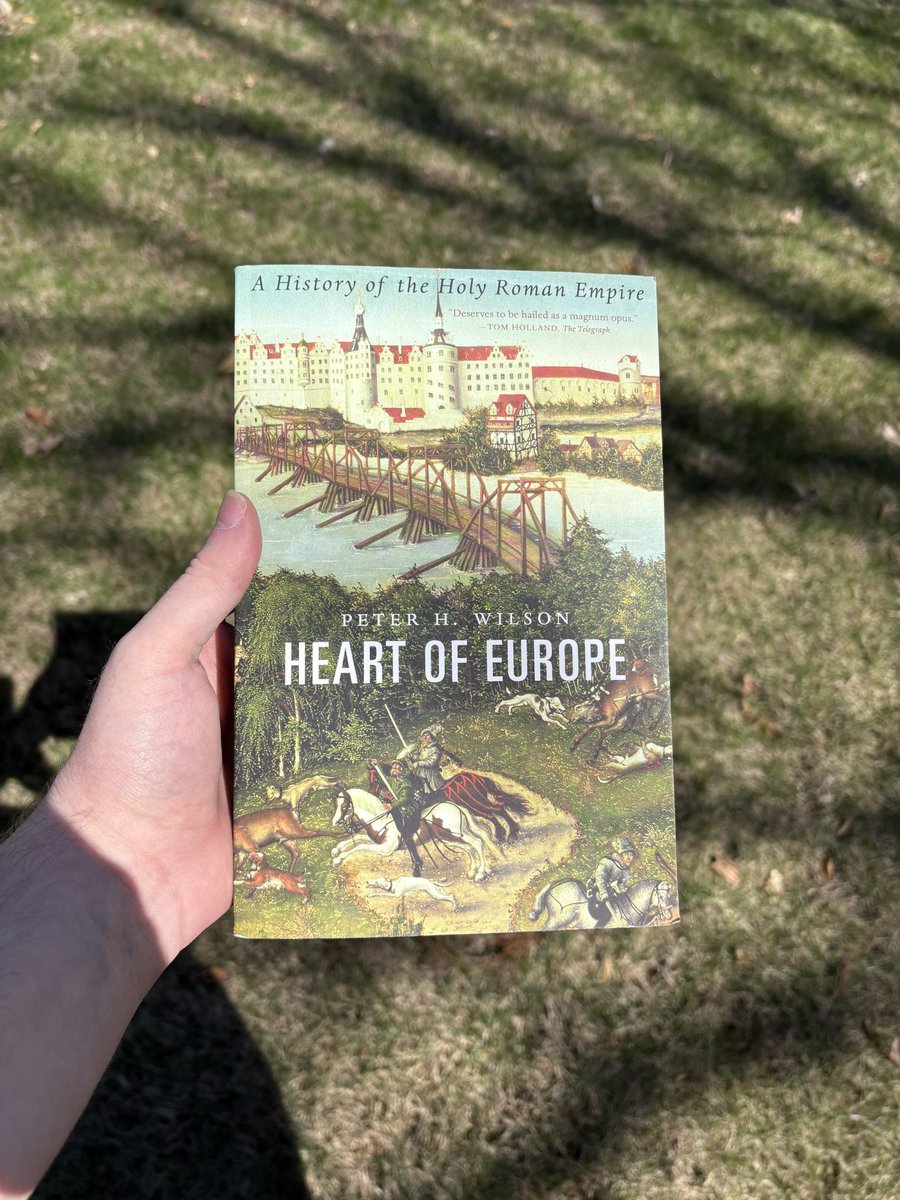
We’re back! We are pleased to say the next issue of the BJMH will be published next week, on Friday, 17 April. It has been a long wait but we have a bumper edition with 8 excellent articles and 2 research notes. As always, Open Access and free to all at https://t.co/WYNJKywcSW
@MalayaSingapore Always glad to see something published on the INA although this is limited to British archives. Using the Indian archival material on the INA is probably essential these days (and its all online!). In truth, Auck etc got caught out by the unexpected end of the war...
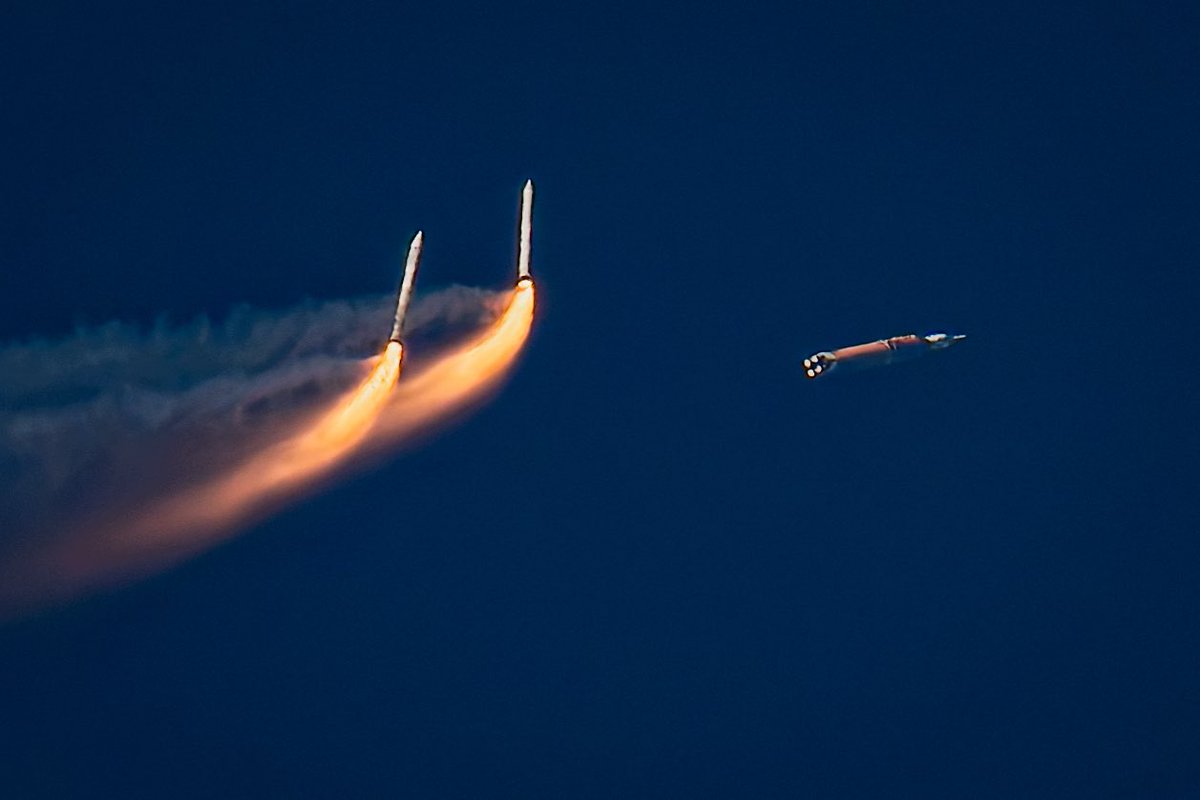
This is a truly incredible shot, especially given that the NASA live feed chose to show video of the cheering crowd right at the exact moment of solid rocket booster separation…