Quando Lucio Caracciolo gli chiede come sono i soldati israeliani e che dialogo c’è con loro il cardinale Pierbattista Pizzaballa strappa una risata al pubblico e allo stesso tempo lo accompagna a riflettere nel profondo: «C’è un po’ di tutto ma devo dire con dolore – io sono religioso, insomma, dovrei essere un po’ religioso! – che i più duri sono i religiosi, i religiosi che combattono». Poi c’è un passaggio da pelle d’oca. Il patriarca di Gerusalemme («la diocesi più difficile del mondo») descrive con piglio da cronista la situazione attuale della Striscia di Gaza per come la osserva nei suoi viaggi entrando da Nord. «Le città sono rase al suolo, livellate, azzerate. Viaggi su strade fortuite in mezzo alle tende nelle quali vive la gente, in mezzo alle fognature. Nessuno parla degli odori e dei topi, i topi che mordono soprattutto i bambini che anziché andare a scuola giocano accanto alle fogne. C’è un degrado che non puoi immaginare, lo devi vedere».
Su Repubblica l'articolo del nostro inviato Paolo Berizzi
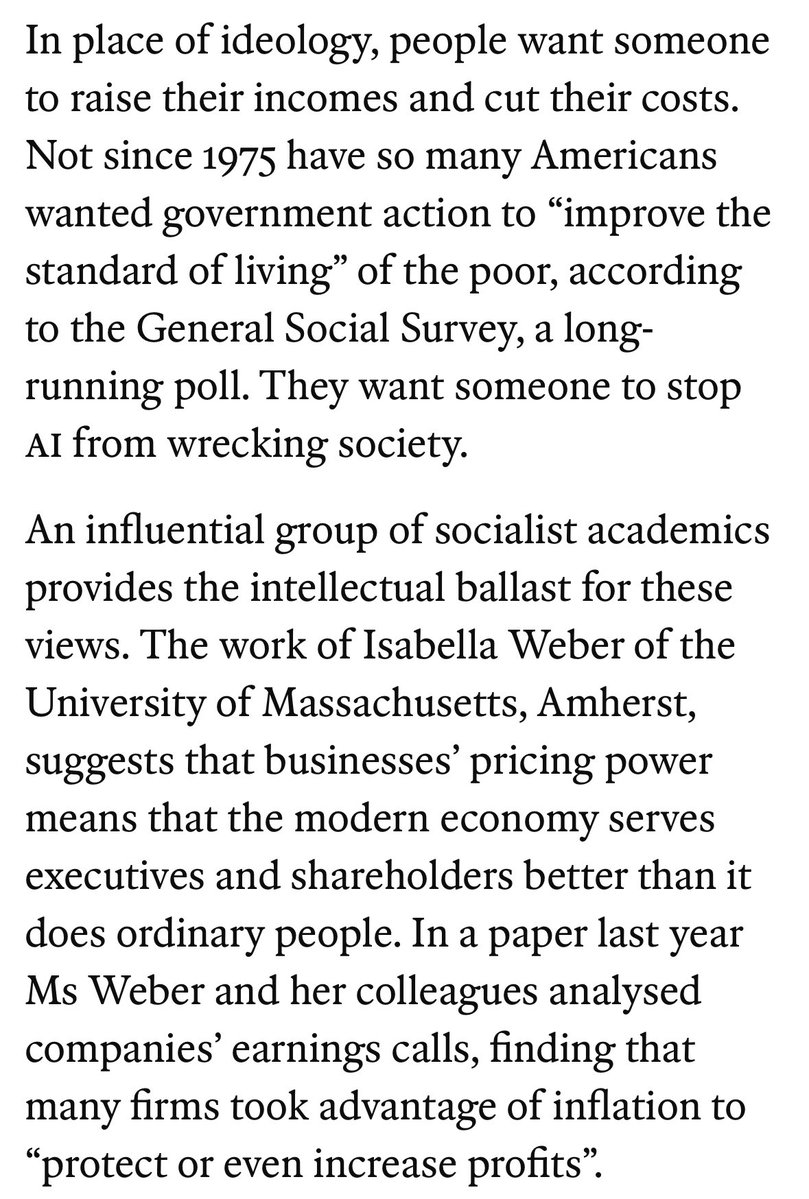
Hard to think of a greater honor than to be considered The Economist‘s intellectual enemy #1.
My work is “intellectual ballast” for the largest number of Americans since 1975 wanting government to “improve the standard of living” of the poor, cut their costs, raise their incomes and stop AI from wrecking society, they say. Dream of an endorsement. Thank you @TheEconomist!
Incredible that the NDP torpedoed their chances in an election just so a smug, petulant asshole with right wing policies wouldn't be elected and it happened anyway.
'He yells': Mark Carney's focus has Liberal MPs bristling .... an unflattering inside look from my colleague @althiaraj: https://t.co/H128RaaZNn via @torontostar#cdnpoli
Doug Ford and Mark Carney claim $2.2 billion HST rebate on new homes will help renters become owners. Instead, it’s helping the wealthy buy more rental properties https://t.co/N6ljVY6KC8
Claudia Sheinbaum is the only Jewish head of state in the Americas and the president of a country with a population 13x that of Israel. Frum loathes her because she is pro Palestinian and a social democrat.
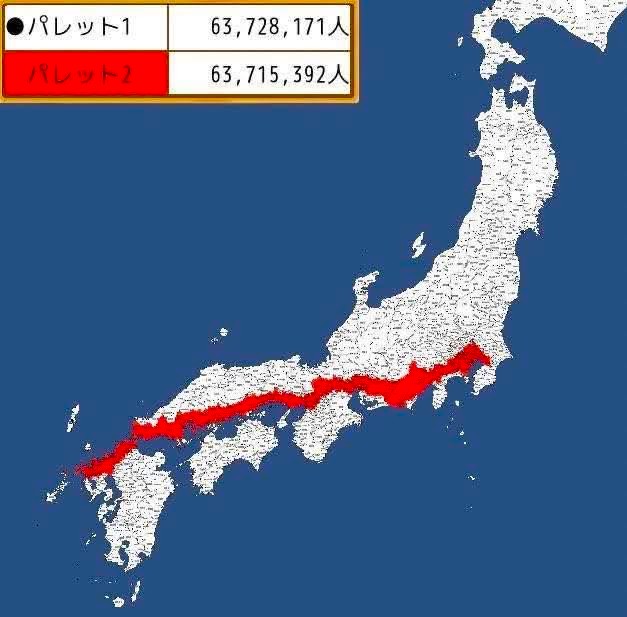
As a great admirer of the Japanese rail system, I'm bothered by ignorant and motivated attempt to use it as the poster child for "privatised" (as opposed to "government run") rail. Japan is indeed the great outlier: privatisation was designed and remains embedded within an institutional framework of regulatory oversight, land-use coordination, political expectations and pressure.
In the UK, competing rail franchisees extract operating profit, whereas Japanese firms are vertically integrated regional monopolies who benefit from deep value capture from the land and commercial real estate around stations in dense walkable urban environments with high demand. This strongly incentives them to max passenger #'s at those stations, which in turn incentives infrastructure maintenance and stringent punctuality.
This also means they don't need to squeeze customers through fares. But fares are also strictly regulated by the state (MLIT): operators apply for revisions, and MLIT approves or rejects them based on their assessment of operator's costs, a permitted rate of return, efficiency benchmarks etc.
In practice, this "private" rail system is marked by a lot of informal government pressure ("administrative guidance") on costs and on shutting down unprofitable rural lines unilaterally. As a result, fares almost never rise and the decline of rural service has been a slow, negotiated process of managed despite Japan's demographic malaise.
All of this relies on a set of institutional complementarities most countries simply don't have: the decades long hand-in-hand with urban policy and land use planning (---> decades of accumulated commercial property assets), a clean balance sheet inherited at privatisation (debts were ultimately taken over by the public), the enormous urban density and walkability across the entire urban corridor from Tokyo to Fukuoka, a very particular corporate culture (quasi tyrannical emphasis on precision, reliability, service, continuous improvement from crew behaviour to station cleanliness) which is rewarded by the business model (sic), and a system in which firms bow to informal government pressure.
El Papa cuando le preguntan su postura sobre la migración: “Yo cambiaría la pregunta: qué hace el norte global para ayudar al sur global en su situación que les obliga a migrar”
Even more than in the past, it is clear today that the proliferation of armed conflicts is often driven by the exploitation of oil and mineral deposits, with no regard for international law or the self-determination of peoples.
Beyond shameful!
Next time the German government lectures ANYONE about human rights, remember that in Germany, you get arrested if you peacefully hold up pictures of starving Palestinian children.
This video is from Berlin.
When simulation becomes the norm, it weakens the human capacity for discernment. As a result, our social bonds close in upon themselves, forming self-referential circuits that no longer expose us to reality. We thus come to live within bubbles, impermeable to one another. Feeling threatened by anyone who is different, we grow unaccustomed to encounter and dialogue. In this way, polarization, conflict, fear and violence spread. What is at stake is not merely the risk of error, but a transformation in our very relationship with truth.
Within digital environments — structured to persuade — interaction is optimized to the point of rendering a real encounter superfluous; the otherness of persons in the flesh is neutralized, and relationships are reduced to functional responses. Dear friends, you, however, are real persons! Creation itself has a body, a breath, a life to be listened to and safeguarded.