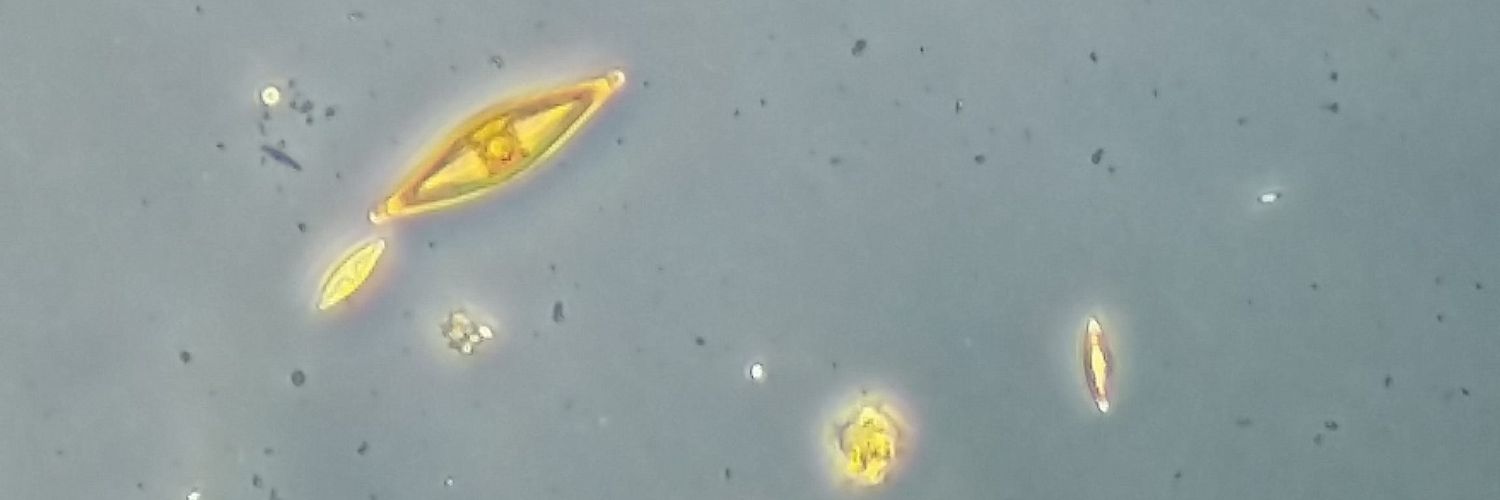
Scientist, phycologist aka lover of algae, fangirl & procrastinator extraordinaire. Stares at algae🦠 & dabbles in microbiology🧫. Water monitoring & all that.
New open access in Hydrobiologia: Shotgun #metagenomics uncovers novel features of the #cyanobacteria community in a large, shallow lake in Central Italy https://t.co/8RIb2H9Tkg
What a beautiful, stunning, brilliant example of a human.
He spent most of his life trying to make others' lives, and the world, better.
The world is a better place for him being here
Travel well, good sir
https://t.co/tmrA2sj28V
The neurodivergent paradox: won't message first, won't answer calls, avoids eye contact... but if you speak to them? Suddenly the funniest, most passionate person in the room. We're just waiting for a safe space to switch on.
I don’t really think it’s about me Karoline. I think it’s about the idea that we all have fallen down and that we all wish we could be a little kinder to each other. And we all hope for a little grace and understanding when we get honest with ourselves and the world. And we all have that friend or brother or parent or son that has fucked up but fought to get back on their feet. Or that may be you. Or it may be the one that lost the battle and we are mourning them every day- and asking why couldn’t he fight for himself. Whatever it is- it’s not about me. It’s about all of us. So I genuinely ask you to forget about me- and reach out to someone you love who is struggling and tell them you’ll fight alongside them if they will fight for themselves.
Anthony Head got so famous in Britain for a coffee advert that his serious acting work dried up. So he moved to America and ended up on a hit show about hunting vampires. He died this week at 72, and that coffee advert is the least interesting thing he ever did.
It was for instant coffee. The story started in 1987 with a woman knocking on her neighbour's door to borrow some, and it ran for six years like a tiny soap opera, each instalment ending on a will-they-won't-they cliffhanger. The country got hooked. When the last one aired, around thirty million people tuned in to see if the couple would finally get together, and a newspaper ran it on the front page. There was even a spin-off novel and a hit album, all from a coffee advert.
That kind of fame can trap an actor. The bigger parts stopped coming, so Head went to America and landed Buffy the Vampire Slayer. He played Giles, the school librarian and guardian of a teenage girl who secretly hunts vampires, the calm grown-up quietly keeping her alive. He once said he based the character on Hugh Grant, all stammering and bookish. For seven seasons he was the warmest father figure on television.
Years later he got to play the exact opposite. Ted Lasso is a comedy about a kind American coach loose in English football, and Head was the villain, Rupert, a rich and cheating ex-husband. His former wife wants to hurt him so badly that she hires Ted hoping the team will collapse. Head started as an occasional guest, then joined the main cast, ending up in 18 episodes.
He said the bad guy was the fun part, because a villain has more going on, and he liked playing men who were nothing like him. You can see the care in it. Rupert starts out as a cartoon and slowly turns into something sadder, a man with money, a young wife and a new baby who still cannot enjoy a single thing he owns. By the end everyone around him grows up. He just shrinks.
None of that was him. His Ted Lasso castmate Brett Goldstein said Head "played the worst person in the world," and pulling it off so well took real talent, because in life he was the kindest man on the set. When the news broke, Sarah Michelle Gellar, the young actress he had looked after on Buffy, posted a photo of the two of them. "I'm not okay," she wrote.
He died months after losing Sarah Fisher, his partner of more than forty years. He leaves behind two men named Rupert, one a gentle teacher and one a cruel charmer, and a long line of people who knew him saying the same thing. The gentle one was closer to the truth.
Norway just released their official 2026 World Cup team photo — and the internet has completely lost its mind.
Every single player is dressed head-to-toe in authentic Viking warrior attire. Shields, swords, longships, and a dramatic Oslo fjord in the background. No airplane steps. No tracksuits. Just 26 footballers looking like they sailed out of the ninth century.
The photo is titled "The Vikings Are Coming."
It was shot by renowned British photographer David Yarrow, who privately secured a beach near Oslo and transformed it into a full Viking camp. The idea actually started back in 2023, when Yarrow first photographed Erling Haaland alone in Viking dress, waist-deep in a fjord. The photographer later said: "If you had to choose one sportsperson in the world that doesn't need much hair and makeup to look like a Viking, it's Erling Haaland."
One small detail that makes this even better — captain Martin Ødegaard couldn't make the shoot. He was busy winning the Champions League final with Arsenal in Budapest that day. So Yarrow photographed him separately afterward and digitally added him into the frame. Even the clouds matched.
The numbers behind this team are absurd. Haaland scored 16 goals in just eight qualifying matches — the most of any player across all of European qualifying. Norway won every single one of those eight games, including two victories over Italy: 3-0 in Oslo and 4-1 at the San Siro. Italy, a four-time world champion, will not be at this World Cup. Norway will.
They haven't been to a World Cup since 1998. That's a 28-year wait.
At the tournament, they face Iraq, Senegal, and France in the group stage — with their final game setting up a direct battle between Haaland and Kylian Mbappé.
The Vikings are not just coming. They're already here.
After 8 billion doses (yes 8 BILLION, not a typo) Covid vaccines are at this point one of the most tested medical interventions in history and one of the safest ever
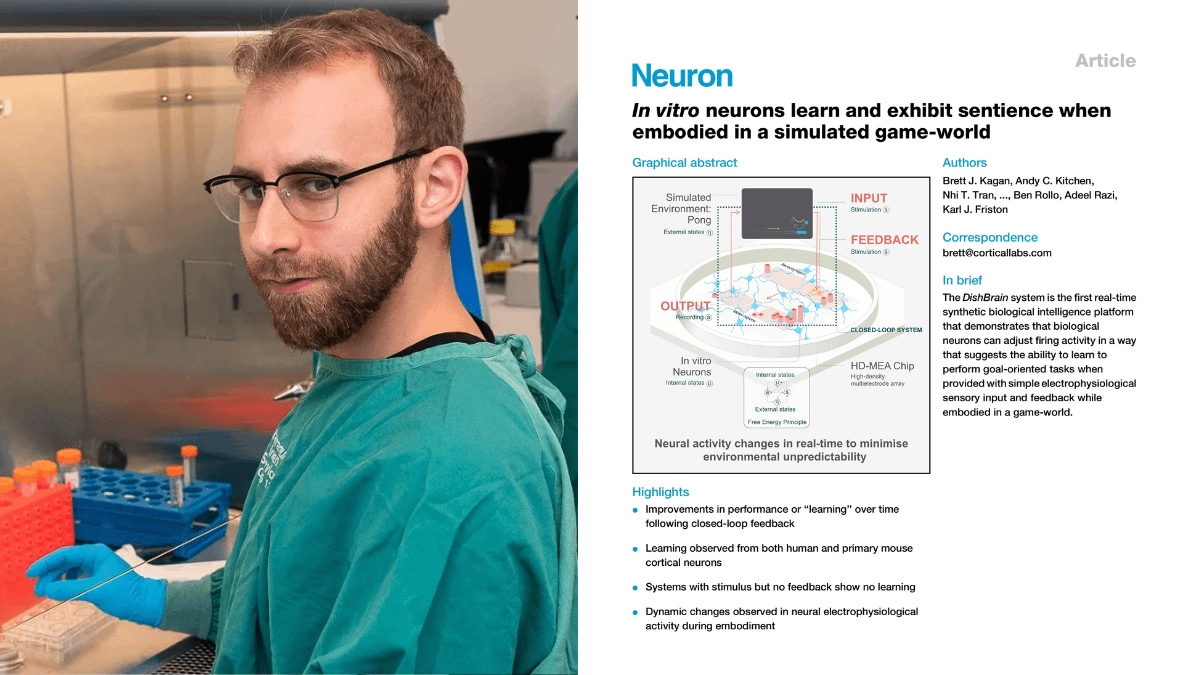
An Australian scientist took 800,000 human brain cells, kept them alive in a dish, wired them to a computer, and taught the cells to play the video game Pong in five minutes, which is faster than any AI on Earth had ever learned the same game.
His name is Brett Kagan.
He runs the science team at a Melbourne company called Cortical Labs, and the paper that broke the story was published in the journal Neuron in October 2022. The title sounds like a science fiction novel. In vitro neurons learn and exhibit sentience when embodied in a simulated game-world.
The setup was simple, and that is what made it so strange.
Kagan and his team took some brain cells from mouse embryos. They took some human brain cells grown from stem cells. They placed them on a chip covered in tiny electrodes, the size of a small coin, and they hooked the chip up to a computer running Pong.
The electrodes could do two things. They could read what the cells were doing. They could also send small bursts of electricity back into the cells.
The team used those two channels to talk to the dish.
When the ball was on the left, they fired the electrodes on the left side of the dish. When the ball was on the right, they fired the electrodes on the right. The closer the ball got to the paddle, the faster they fired. The cells could move the paddle by sending their own signals back.
That was the whole game.
Then the team added one more rule, and this is the part that changed everything.
When the cells missed the ball, they got a random, chaotic burst of electricity for four seconds. Noise. Static. Pure unpredictability. When the cells hit the ball, they got a clean, steady, predictable signal.
That was the only feedback the dish ever received.
Within five minutes, the cells started getting better at the game.
The rallies got longer. The hits got more frequent. The dish was not winning, but it was clearly playing, and it was improving, and nobody had told it the rules.
It had figured them out by itself.
The reason this worked is the part that should stop you for a second.
Brains hate surprise. That is the thing they are built to avoid. Karl Friston, who is one of the most cited neuroscientists alive and a co-author on the paper, has spent his whole career proving this. The brain is not really a thinking machine. It is a prediction machine. It runs on a single quiet rule. Make the world less surprising.
The cells in the dish were doing the same thing.
The chaotic stimulus felt like surprise. The clean stimulus felt like calm. The only way to get more calm and less chaos was to stop missing the ball. So the cells learned to stop missing the ball, not because anyone trained them, and not because they wanted a reward, but because the only way to quiet the noise was to play the game well.
They were not learning Pong. They were learning to make their own world more predictable, and Pong just happened to be the world they were stuck inside.
The same thing your brain is doing right now.
Every choice you make today, every word you reach for, every plan you build for tomorrow, is your brain trying to make the next moment less surprising than the last one. The feeling you call thinking is mostly your head doing the same thing those cells did. Trying to quiet the static.
The dish learned Pong faster than any AI had at the time, using around 800,000 cells and almost no power, while the AI systems running the same game needed thousands of times more energy and far longer training runs.
Kagan said it plainly in his interviews after the paper came out.
He said the cells were not trying to win. They were trying to feel less lost. And the moment he said that, half the room realized he was no longer just describing the dish.
He was describing them.
New open access in Hydrobiologia: Systematic review reveals patterns, trends, and knowledge gaps in the #urban#ecology of freshwater ecosystems https://t.co/axXC1dcHoj
Drinking an iced coffee with ADHD is a literal game of neurological roulette. Am I going to get a sudden burst of executive function and conquer my entire to-do list, or is my brain going to treat this shot of espresso like a high-dose melatonin and drop me into a deep, unprompted 3-hour afternoon nap? There is absolutely no middle ground.
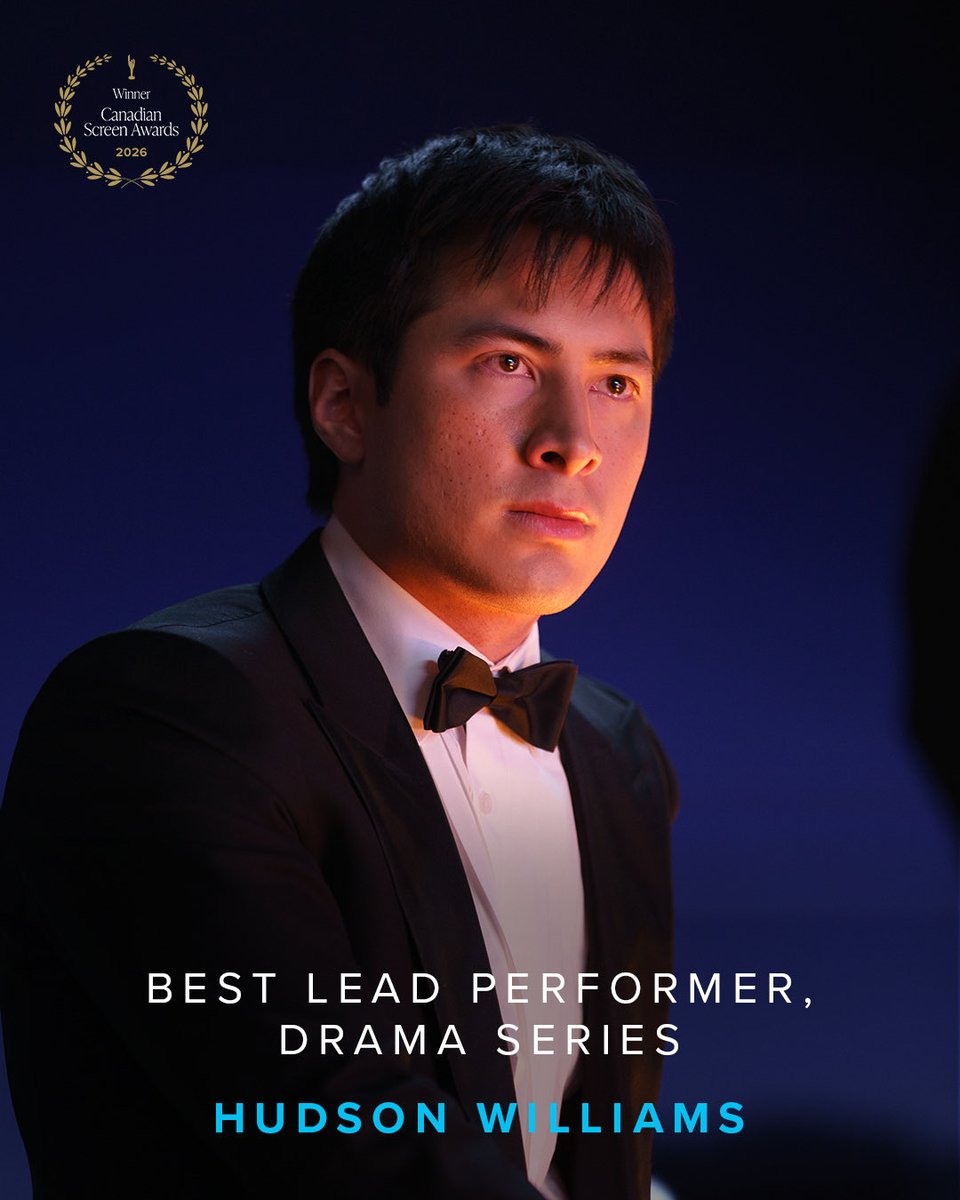
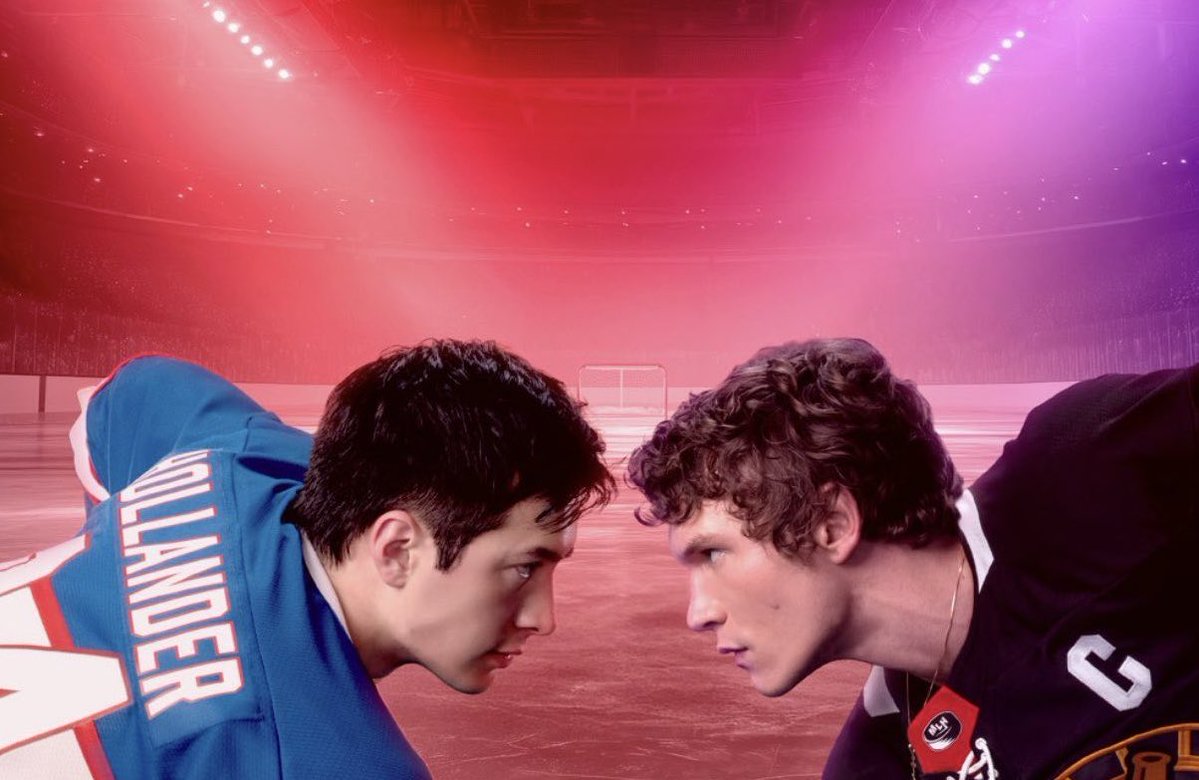
A big night for #HeatedRivalry 🏆🏒
Congratulations to the cast and crew on their #CdnScreenAwards wins, and a huge congratulations to #HudsonWilliams for taking home Best Lead Performer.
Several mammal species live in cold-water environments thanks to adaptations like blubber and large size. A notable exception is the sea otter—so how does it stay warm?
A 2021 Science study found an answer: skeletal muscle thermogenesis.
Learn more on #WorldOtterDay: https://t.co/mwEw1q0y5Q