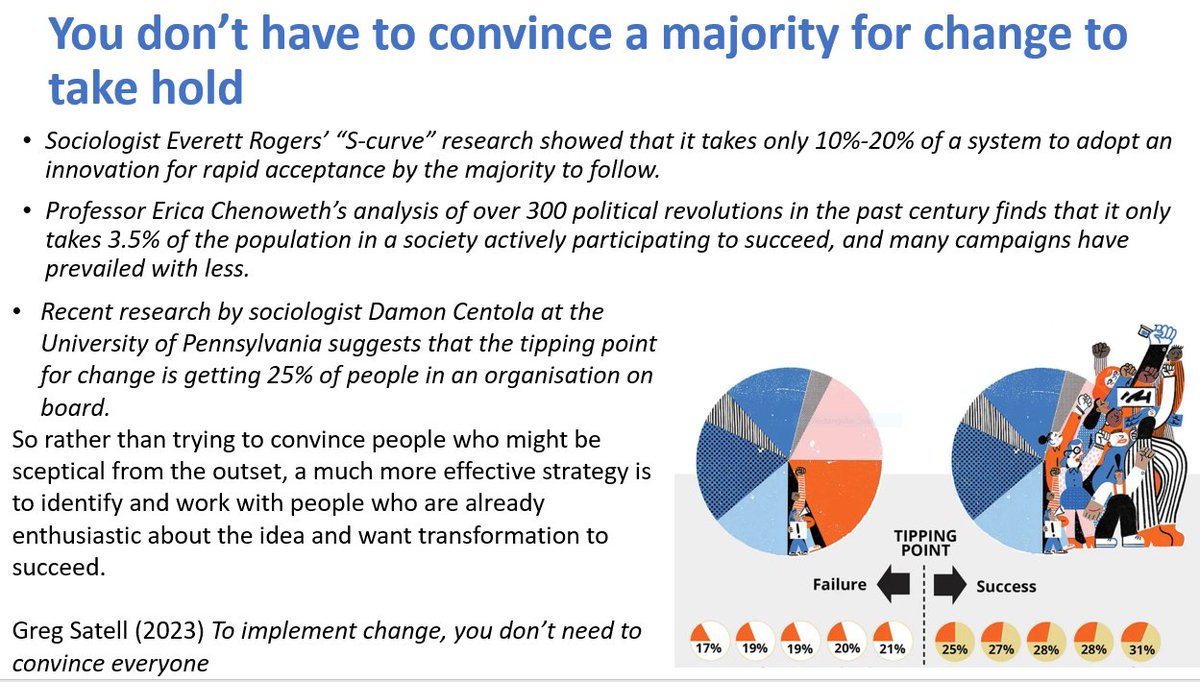
Have a good idea for change/improvement? If you take a business case to senior leaders (requesting funding & an organisation-wide approach) you're more likely to activate resistance than to win over a majority. More effective is to identify people already enthusiastic about the idea and work with them to create/test changes: https://t.co/MKTnqxMp2U By @Digitaltonto
Planning a Microsoft teams meeting for rehab OT staff from any service, 4pm on 5th April 🎉
Purpose - networking and mutual support. Let me know by tag/dm if anyone wants to join the session. 😎
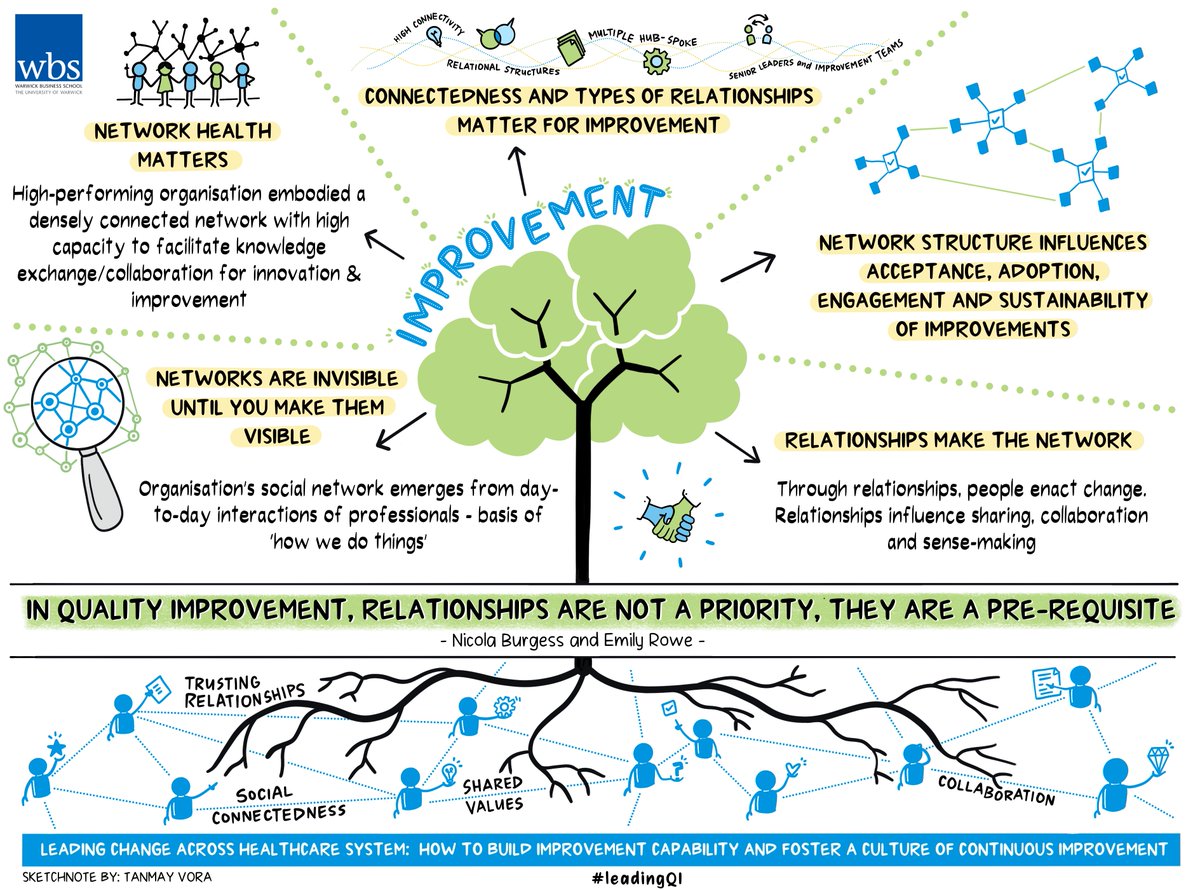
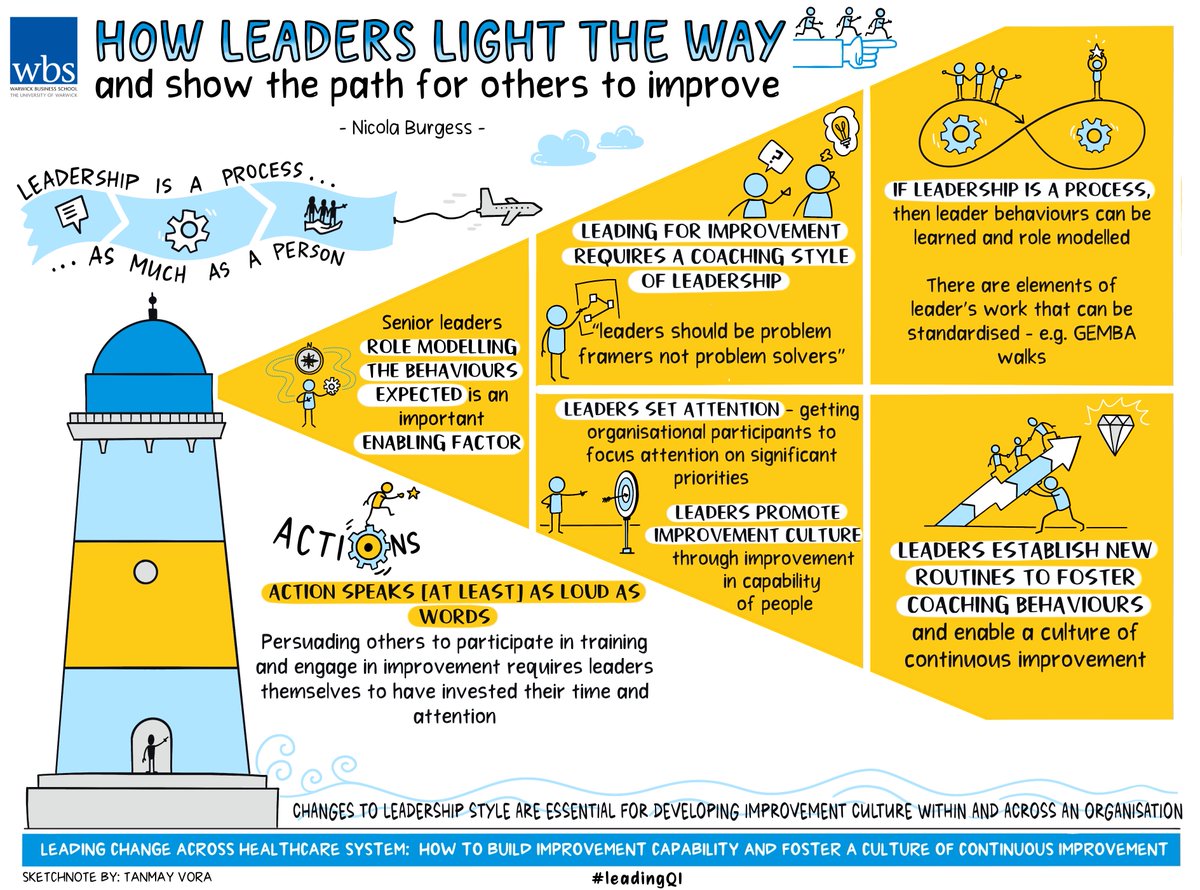
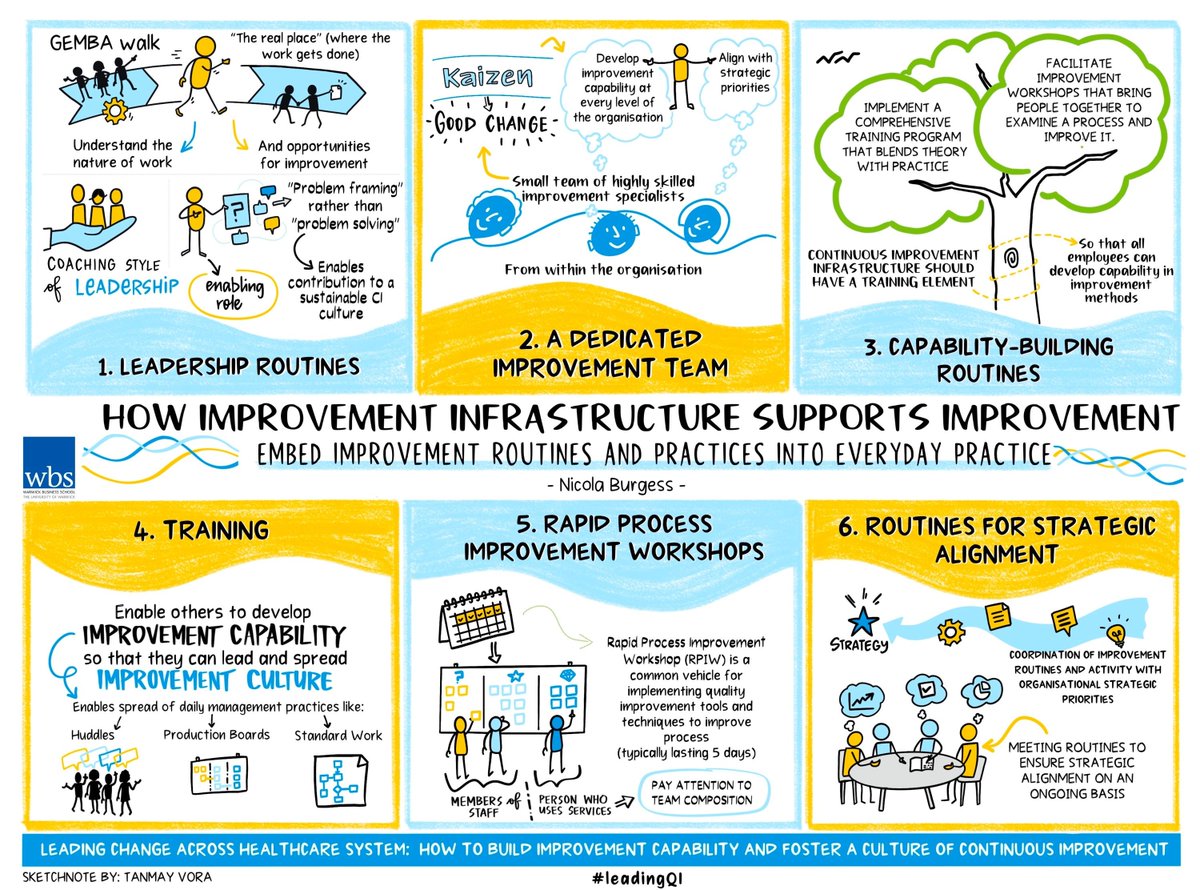
If we want continuous improvement, we have to build an "improvement infrastructure": improvement routines & practices embedded into the everyday practice of our leaders & teams. More learning from the NHS-VMI partnership from @DrNicolaBurgess: https://t.co/khSMbdsTke #LeadingQI
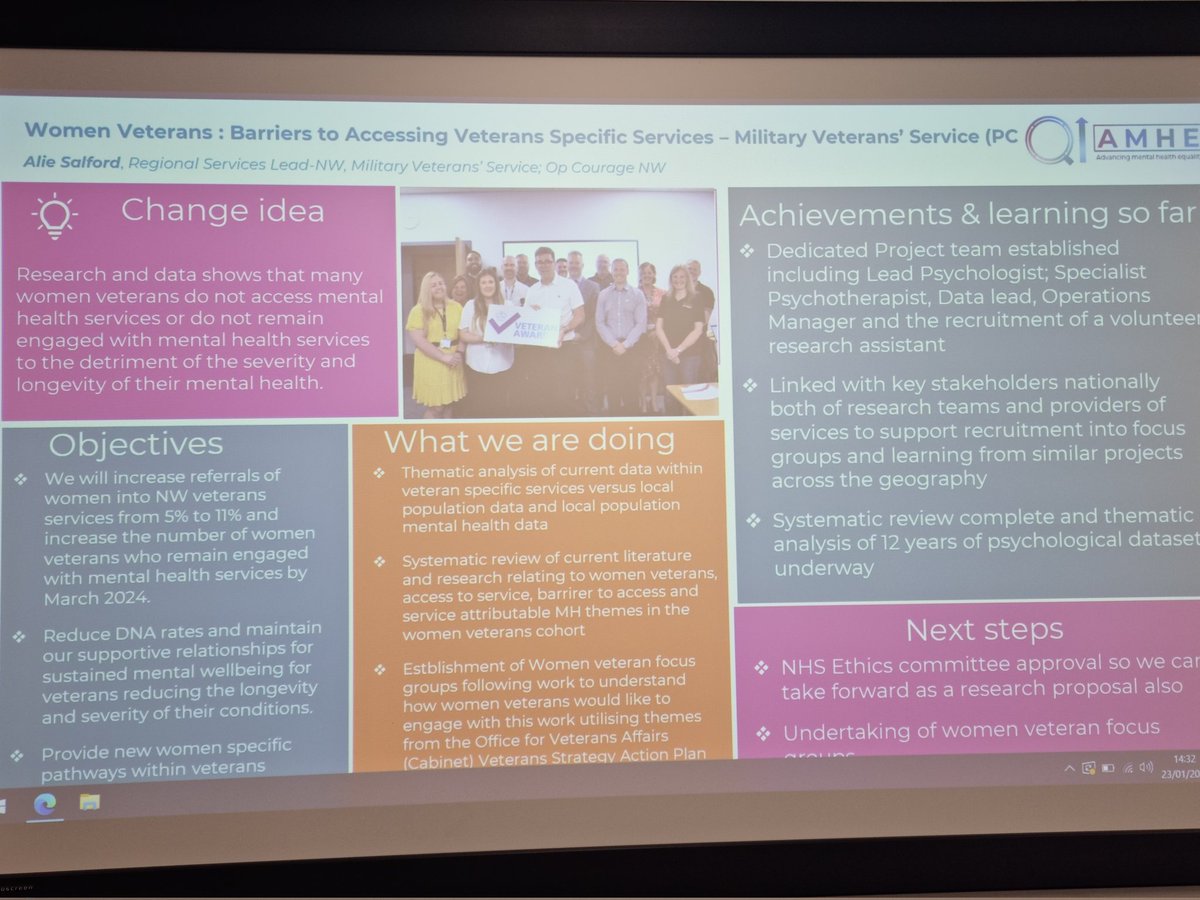
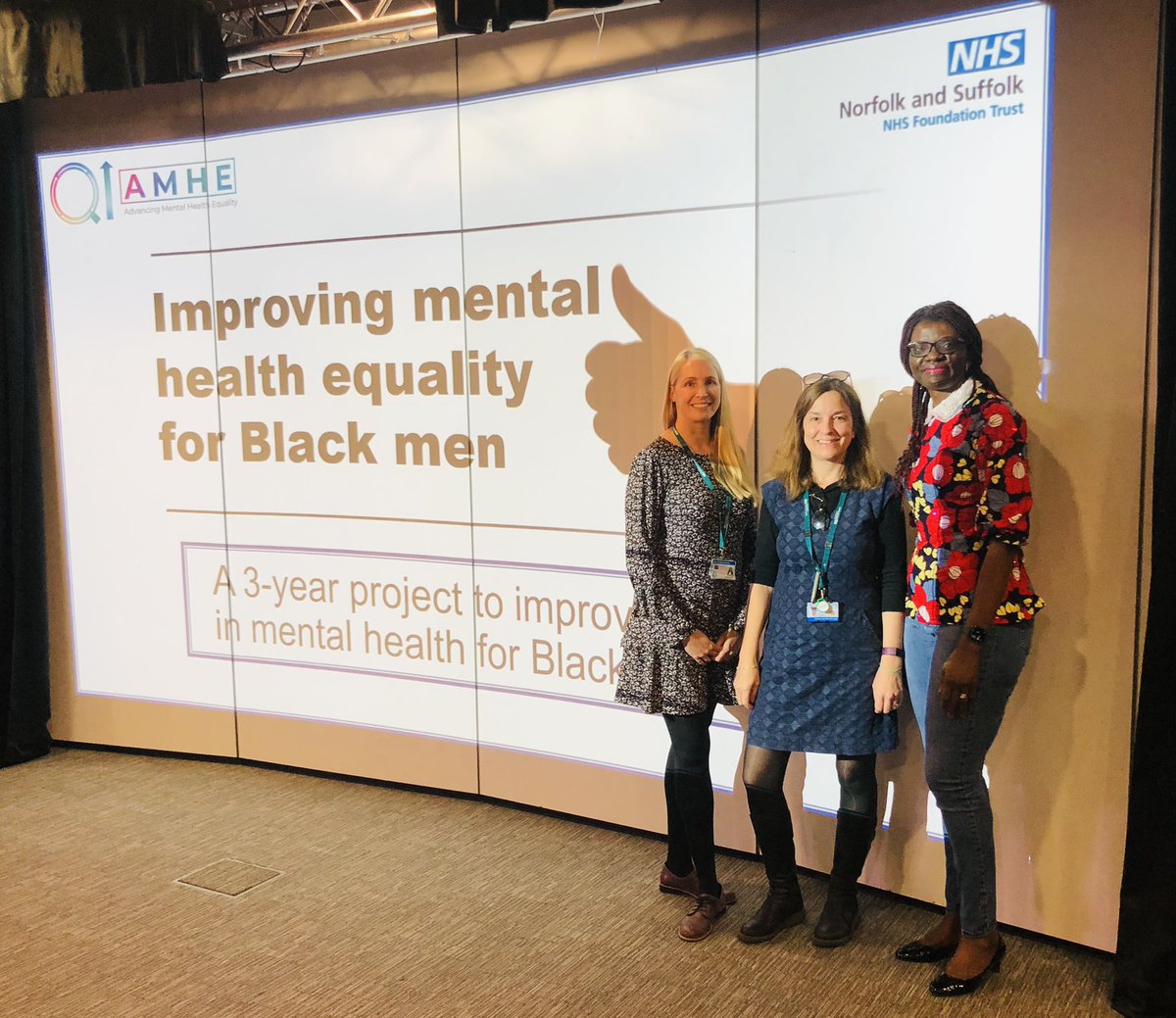
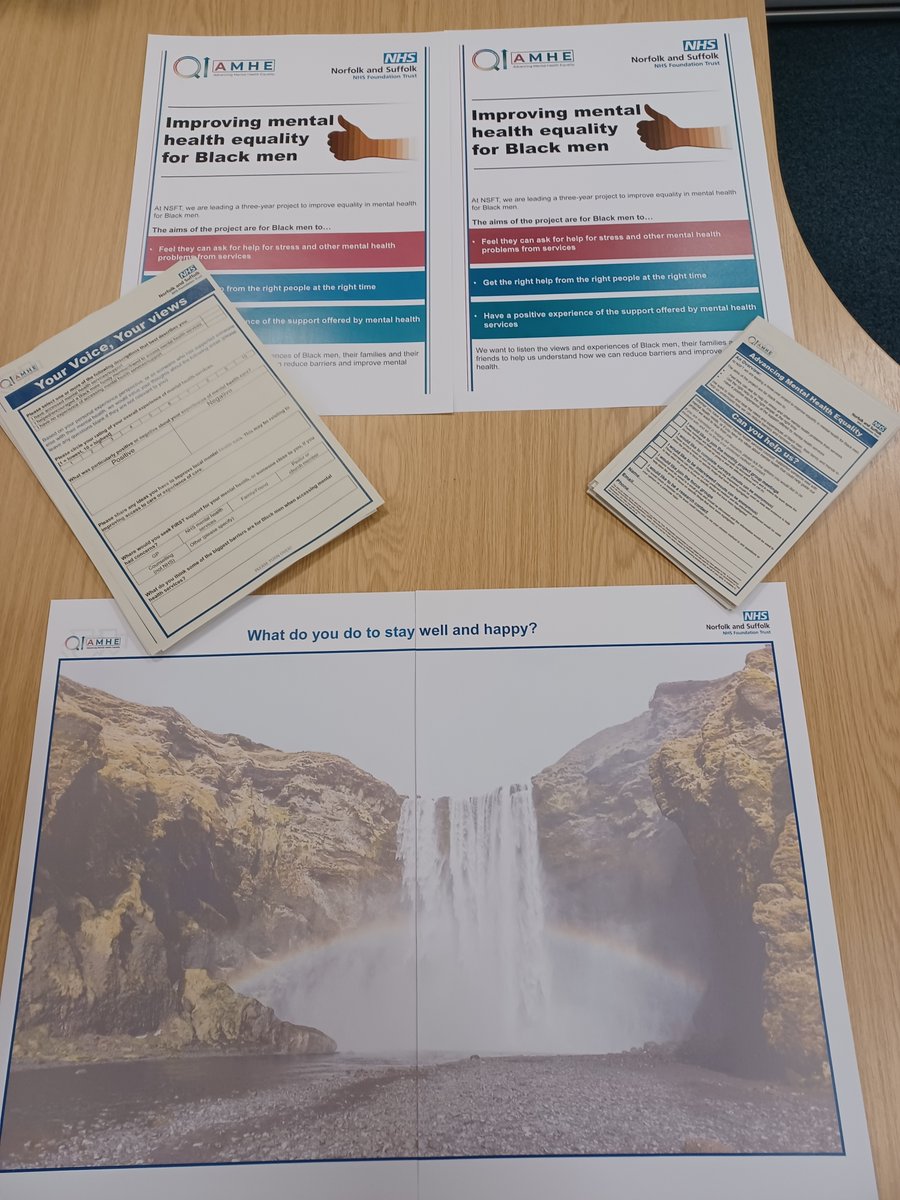
On Monday, it was lovely to spend some time learning from the work of organisations across the country who are applying QI to advance mental health equalities. Lots of ideas being tested, for and with specific local populations #AMHE#QITwitter@rcpsych@NCCMentalHealth
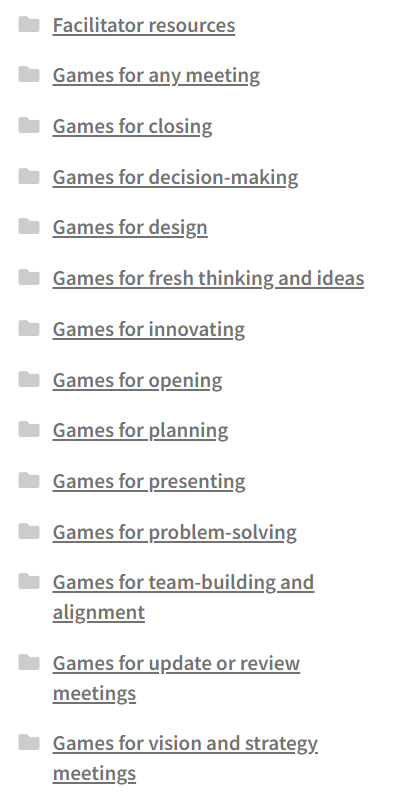
The Gamestorming website from @davegray & co is a fantastic source of (free) resources for facilitators & leaders of change. It offers "games" to help you break down barriers, communicate better & generate new ideas, insights & strategies: https://t.co/p58FrKI3CY TY @Visual_Coach
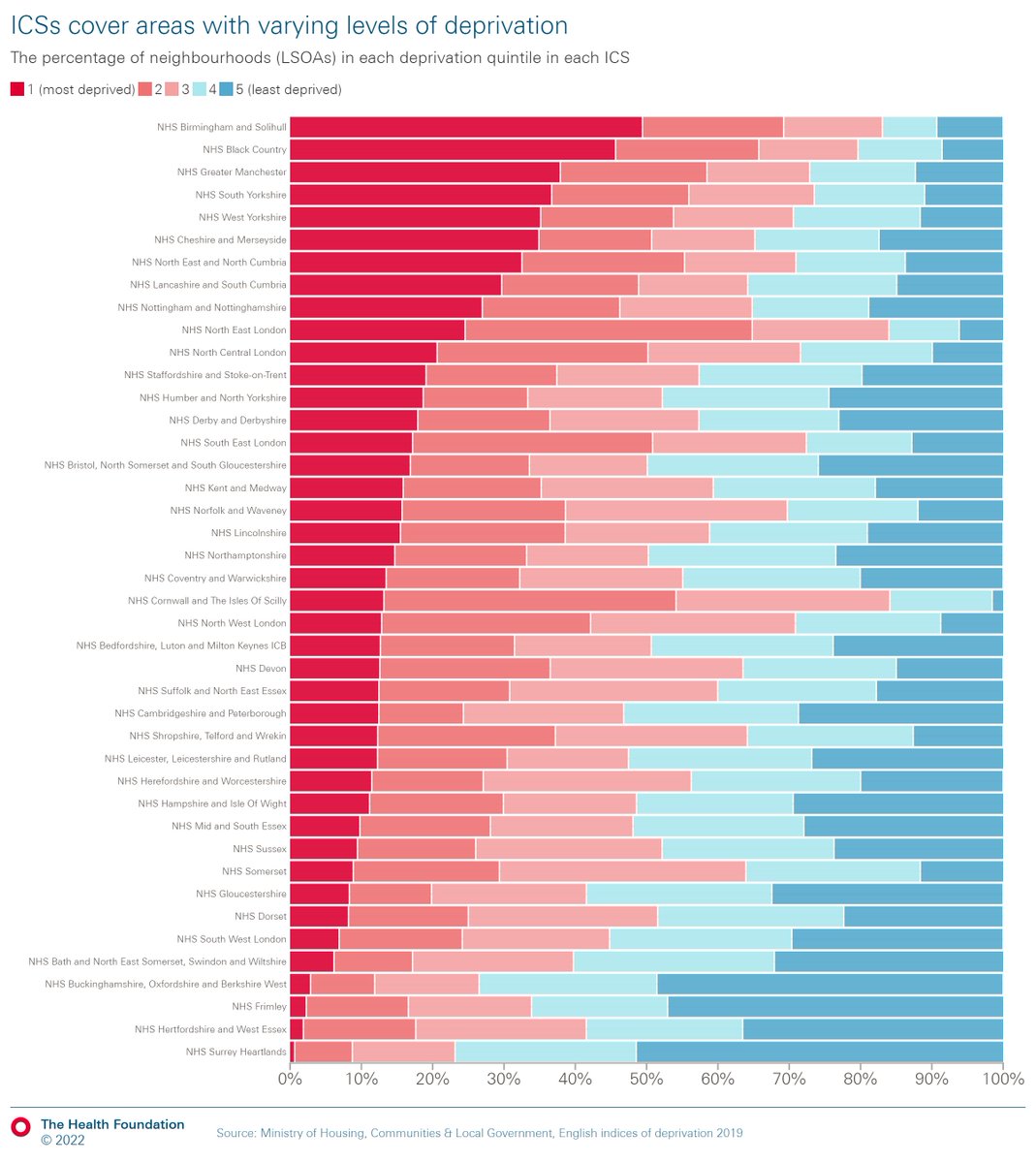
Some ICSs have a high concentration of deprivation – nearly 50% of neighbourhoods in some ICSs are in the most deprived fifth of areas nationally.
Our long read explores health inequalities across ICSs and some of the challenges ahead ➡️ https://t.co/JqoqOni9L9
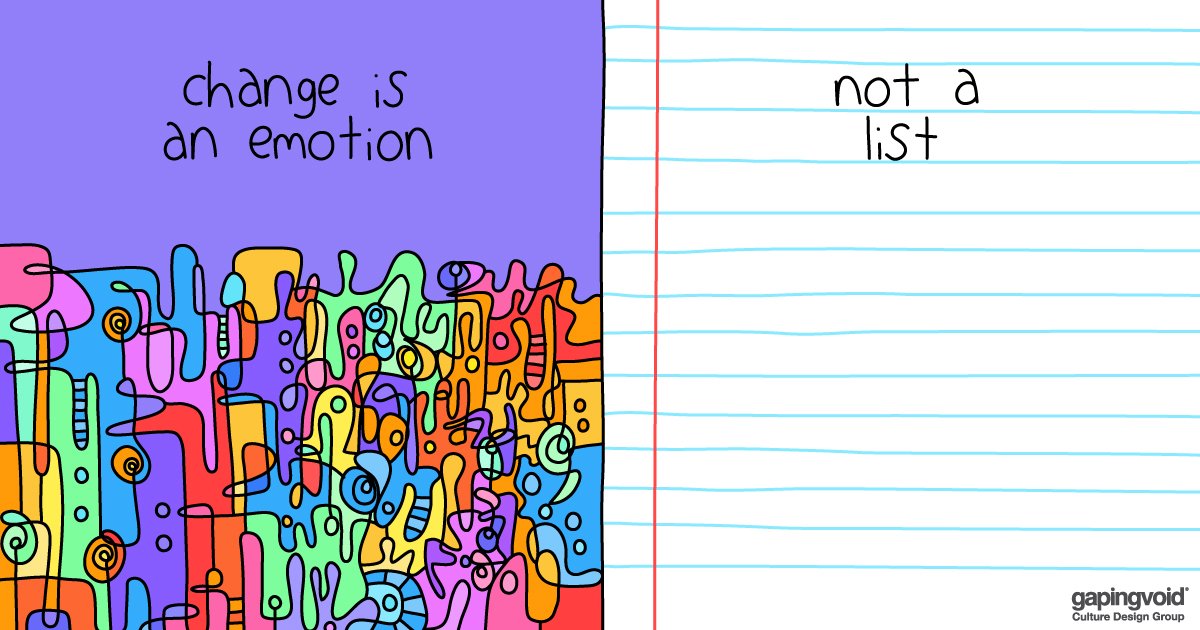
"Change is an emotion not a list". To motivate & mobilise people for change, we must connect with emotions, through values. We have to elevate the socio-behavioural aspects of change/improvement to sit alongside the process-technical if we want sustainable results. TY @gapingvoid
If we want to transform systems, we must become pattern learners. Changing processes & structures is insufficient. We should pay attention to the everyday patterns, behaviours, relationships & interactions underlying all parts of systems: https://t.co/AU4o3WFjub By @YunusGriffith
We can't move forward with real, profound change unless we create "space". We need "space" for reflection, re-design, & new forms of emergence. The press of "urgent" sometimes seems to prevent the insight necessary for leading real change. Wisdom: Paul Batalden; Art: @newhappyco
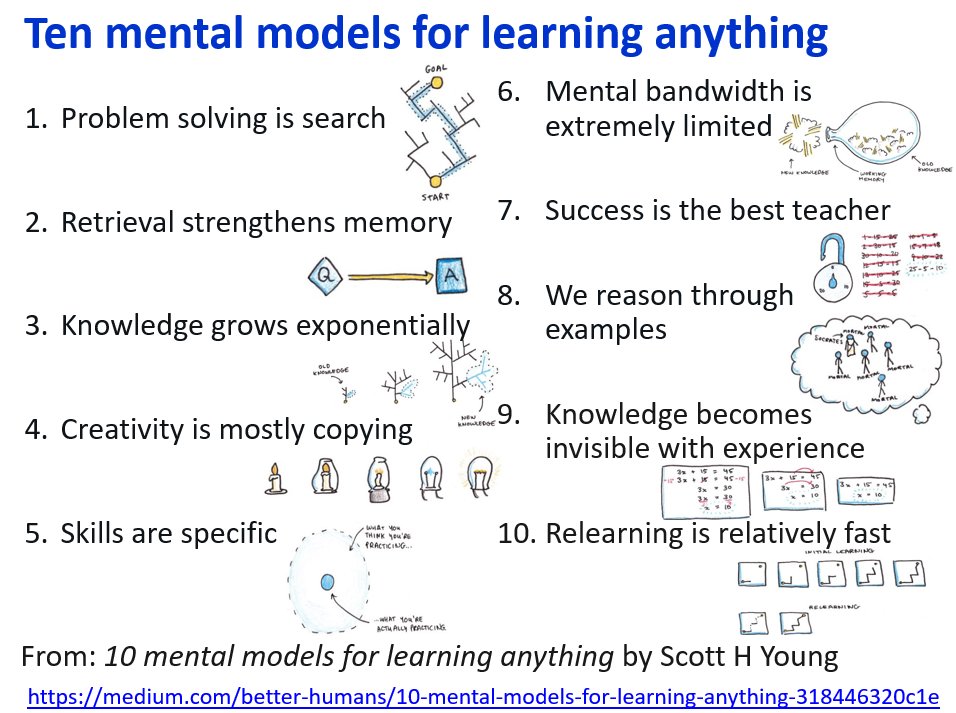
A mental model is a thought process about how things work in the real world. So much of successful change is about learning/relearning which makes it very helpful to think through how we can best support ourselves & others to learn & grow: https://t.co/Z9WZJfTTzQ TY @scotthyoung
Mid-level leaders ("middle managers") are likely to be the people playing a critical role in keeping our organisations going right now. Let's celebrate the outstanding contribution they are making: https://t.co/T66sAEI0U1 Via @FT Graphic @AbhijitBhaduri
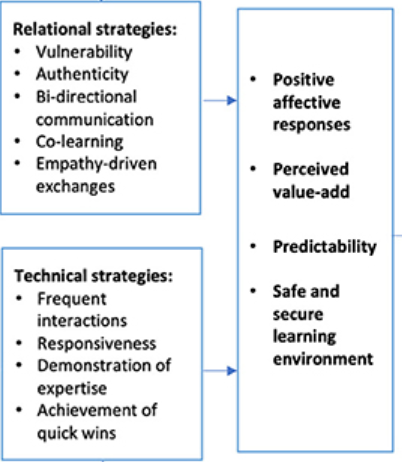
In the field of implementation science, there's lots of research on technical strategies & rational choices but little on the critical role of trusting relationships in enabling change to happen. So it's great to see this article by @allisonjmetz et al: https://t.co/KgExLWaRn1
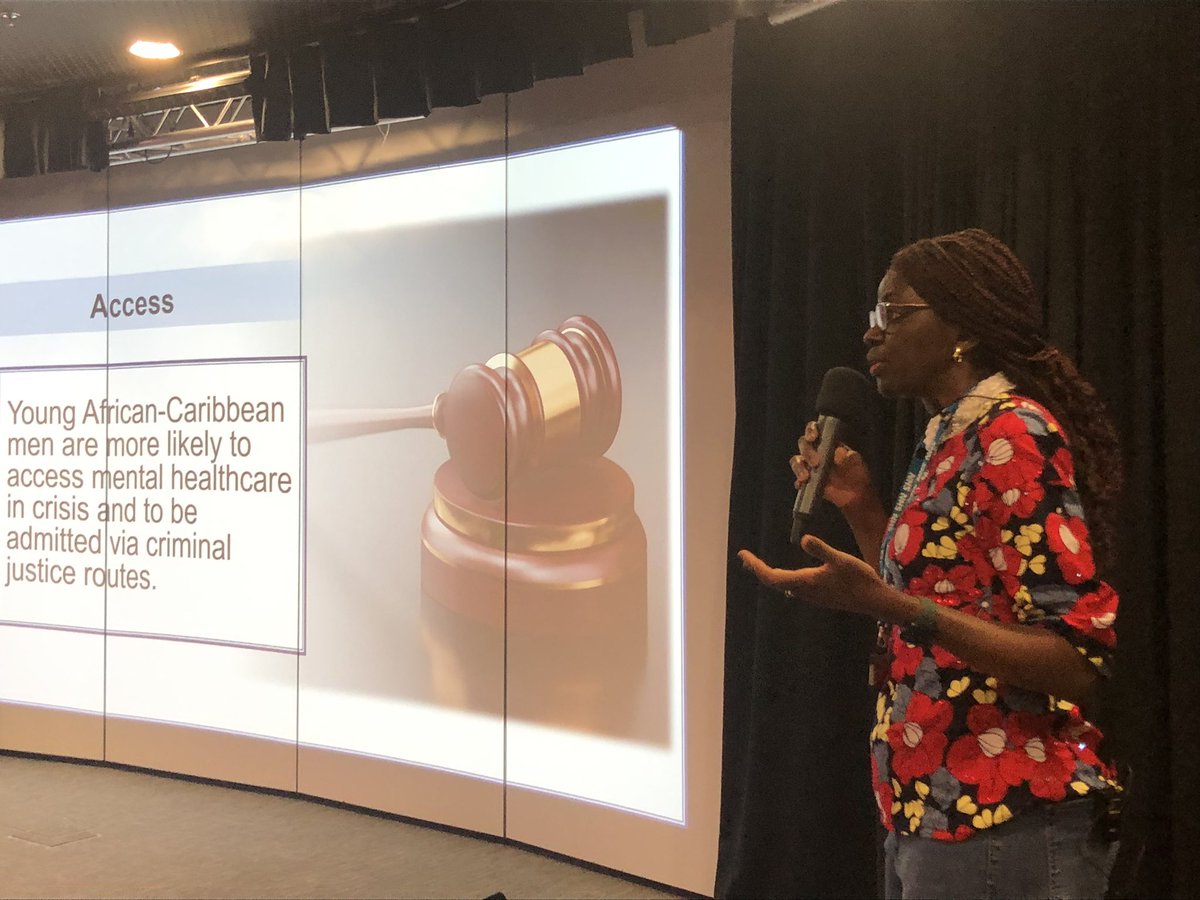
Our Advancing Mental Health Equality (AMHE) project team are at today's Norfolk Black History Month 2022 launch event at the Forum!
If you see the team, make sure you say hello 👋 Learn more about the event here https://t.co/9qbg8njOEf
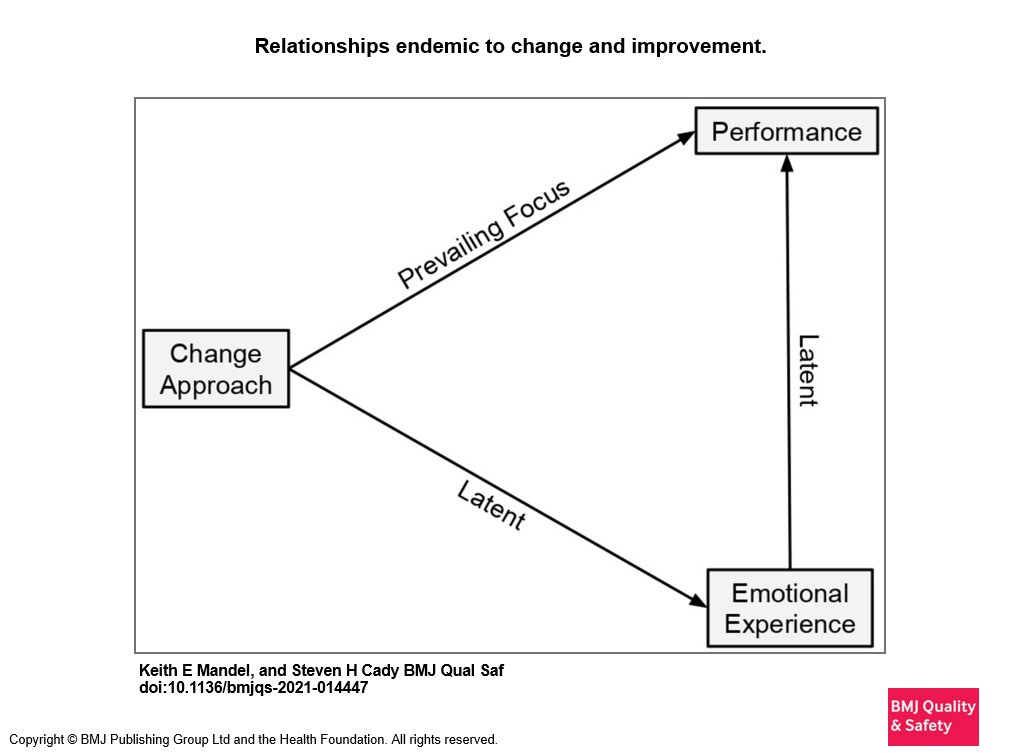
When organisations start change/improvement initiatives, they often over-focus on the relationship of change approach & performance, & under-focus on the connection with the emotional experience of participants. Time to redress the balance: https://t.co/Ad7XticJTp Via @TheQI_guy
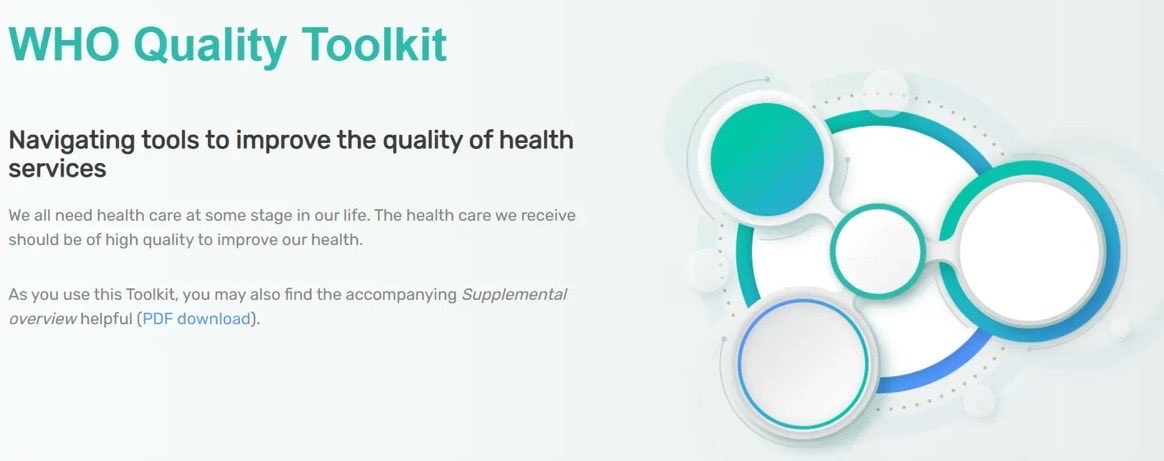
The World Health Organisation @WHO has created a Quality Toolkit. It’s organised its existing resources into categories for those working for quality improvement at national, district, facility &/or community level: https://t.co/TYkhDvxlFg Thanks @drmarionlynch @THETlinks