Teslas mit FSD fahren im Schnitt 5,3 Mio. Meilen, bevor es zu einem schweren Unfall kommt, manuell mit Assistenz sind es 2,2 Mio., ohne nur 855k, US‑Durchschnitt 660k. Ein ziemlich deutliches Sicherheits‑Statement zugunsten von FSD. 💪🔥
•Gegenüber manuellem Fahren mit Assistenz (2,2 Mio. Meilen) ist FSD etwa 2,4‑mal „sicherer“ (Meilen pro schwerem Crash).
•Gegenüber manuell ohne Assistenz (855k Meilen) ist FSD ca. 6,2‑mal „sicherer“.
•Gegenüber dem US‑Durchschnitt (660k Meilen) ist FSD etwa 8‑mal „sicherer“.
1 Akku 1.000.000 km mit 85% Kapazität und ohne jegliche Reparatur. Motor 1.112.000 km, nach einer gründlichen Revision in der bekannten EVC in Zagreb danach 960.000 km ohne Reparatur. Motor nach oben offen lediglich der Simmering muss demnächst erneuert werden.
🚨 Breaking: Release Datum für FSD Supervised in Europa!🇪🇺
Ab dem 20. März werden die Niederlande 🇳🇱 als erstes europäisches Land Zugang zu FSD Supervised erhalten.
Jetzt wird es spannend:
Wie schnell folgt der Rollout in die restliche EU?
FSD 14.2.2.5 on Mad Max gets pulled over by a State Trooper for speeding 🚔🚨
A few interesting observations:
When passing the State Trooper, FSD saw the vehicle and moved over into the left lane to yield more space (albeit without slowing down).
When the trooper turned his lights on, FSD did initiate a turn signal as if it was going to pull off onto the shoulder. Unfortunately, I disengaged at this point and didn’t get to see if FSD would’ve actually stopped.
Fortunately, only a warning was issued for speeding (allegedly). 🎟️
VW Licenses "Autonomous Driving" System - from Xpeng
VW is licensing VLA 2.0 from XPeng, marking the first time a manufacturer has licensed an autonomous driving platform from a Chinese manufacturer.
On February 24, 2026, XPeng CEO He Xiaopeng announced internally that Volkswagen would be the world's first commercial launch customer for VLA 2.0. This marks the first time a Western mass-market manufacturer has licensed core autonomous driving software on a large scale from China.
In 2023, Volkswagen already invested approximately $700 million for a 4.99 percent stake in XPeng. The system from XPeng is designed to enable Level 4-like autonomous driving functions but still needs to prove ist capabilities.
VLA 2.0 is XPeng's current attempt to compete with Tesla FSD (especially in China and Asia) – focusing on physical world understanding, gesture recognition and extreme scenario robustness without map dependency the company claims.
After all the failed attempts with its in-house Cariad Group or external providers such as Mobilye, Bosch, Horizon Robotics, Valeo, Uber, Argo AI, Autora, and OIA, a new licensing agreement is hardly surprising. All these attempts cost VW billions without yielding a working solution. But instead of licensing the only proven SAE Level 4 and 5 solution available on the market, developed by Tesla—a solution for which CEO Elon Musk had openly invited manufacturers to license—VW is now turning to an unproven solution for one market, likely wasting time and money again with an uncertain outcome.
The Xpeng software will initially be used in the two jointly developed Chinese models starting in 2026, including an SUV. All vehicles based on the CEA platform in China, including those with combustion engines or plug-in hybrids, could follow.
Back in October, VW vehemently denied reports from China that the company intended to rely on XPeng's autonomous driving solutions. As we now know this denial was either a blatant lie or misleading.
XPeng now joins VW's years-long list of promises regarding autonomous driving systems that they supposedly would soon introduce but never did. I strongly doubt that an XPeng so called SAE Level 4 system will be successfully implemented outside of China but time will tell.
NASA's Curiosity rover, which landed in 2012, has sustained significant damage to its aluminum wheels due to sharp, embedded rocks in Gale Crater, with holes and broken grousers (treads) appearing early in the mission. Despite this wear, the rover remains fully operational, with engineers implementing software changes, such as modifying wheel speed, and mapping safer routes to extend its lifespan.
Tesla FSD (Supervised) Launch in Europa steht kurz bevor 🇪🇺🇳🇱
Die 2026.4.1 Build zeigt klar: Der EU-Rollout (geführt von NL) geht in die finale Phase.
🔎 Highlights:
• Neuer EU-Toggle is_supervised_active_eu
• NL & FR Manuals mit Kreisverkehr- & Tram-Logik
• ASS „(Upcoming)“-Tag entfernt
• v14.1.7 Demo-Fahrten für UN-R-171 (DCAS) laufen
⚠️ Einziges offene Thema: finales RDW-Go.
Fazit: Infrastruktur steht – jetzt fehlt nur noch das grüne Licht.
Seit November kann jeder fast täglich FSD Probefahrten an diversen Orten in Europa testen. Die RDW, die niederländische Verkehrsbehörde, prüft Teslas Antrag auf die Ausnahmeregelung 39 der UN-ECE.
Dieses Beispiel in den Niederlanden zeigt die Leistungsfähigkeit des Assis.
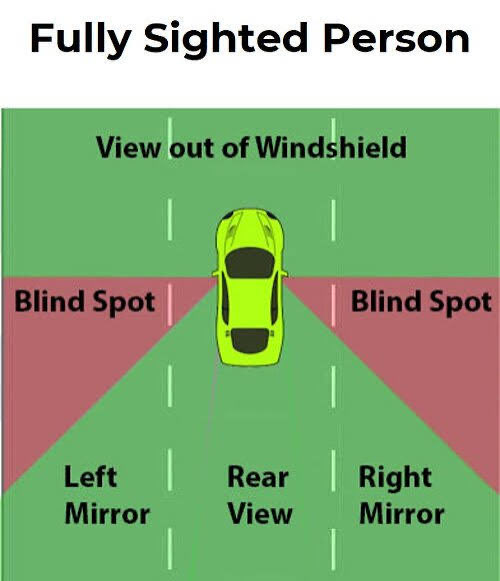
When comparing a 7 camera based vision by @Tesla 🎥 ALL on ALL the time vs. Human eyes 👀 with ONE field of vision at any ONE time… why are human drivers even allowed on the road??? 🤔🙄😅
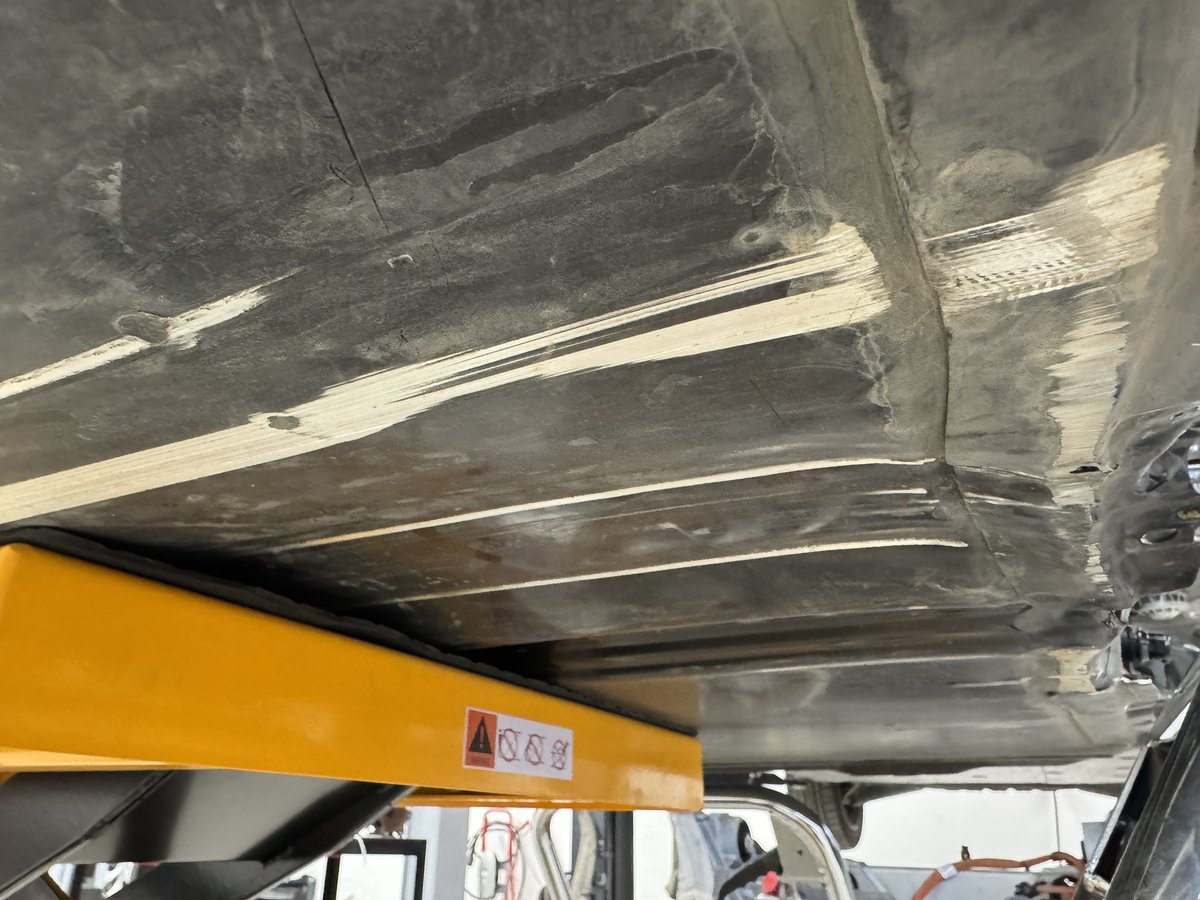
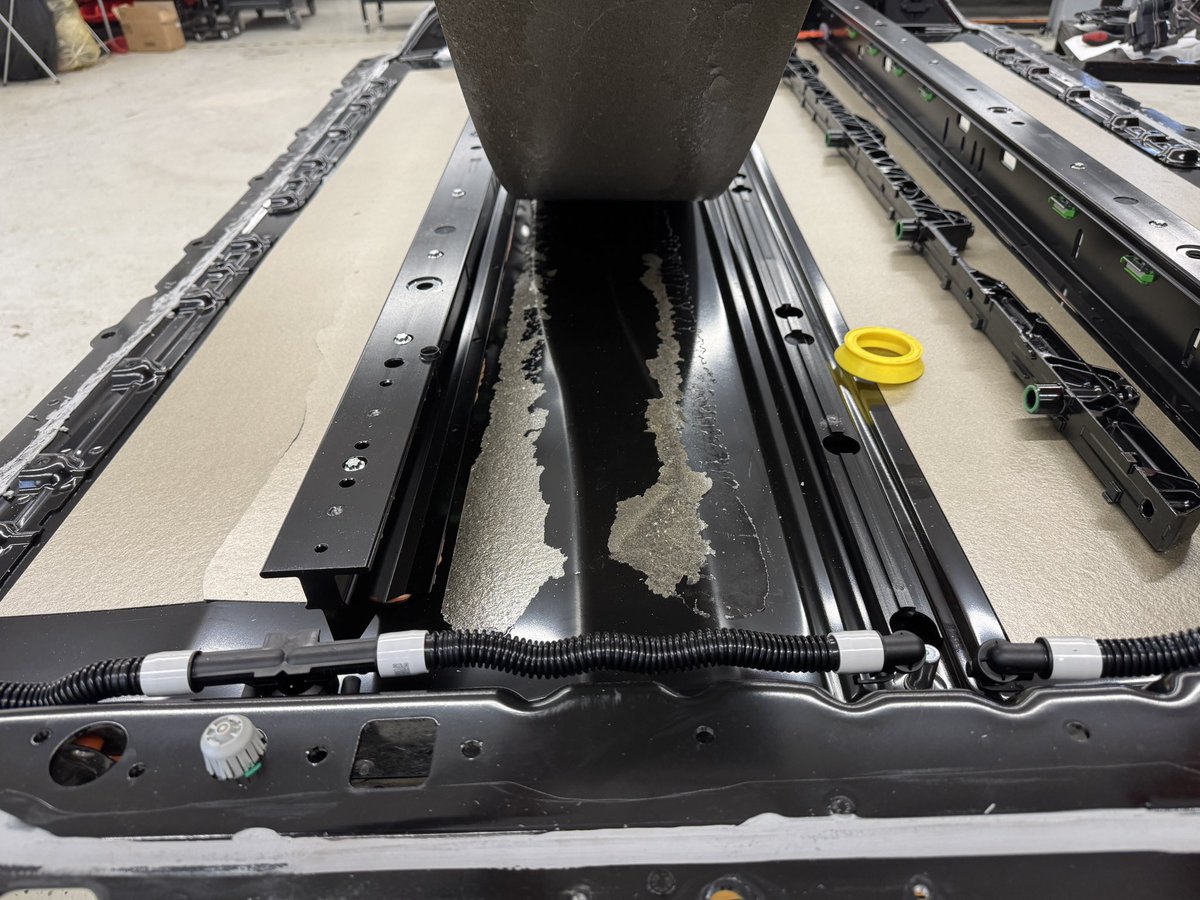
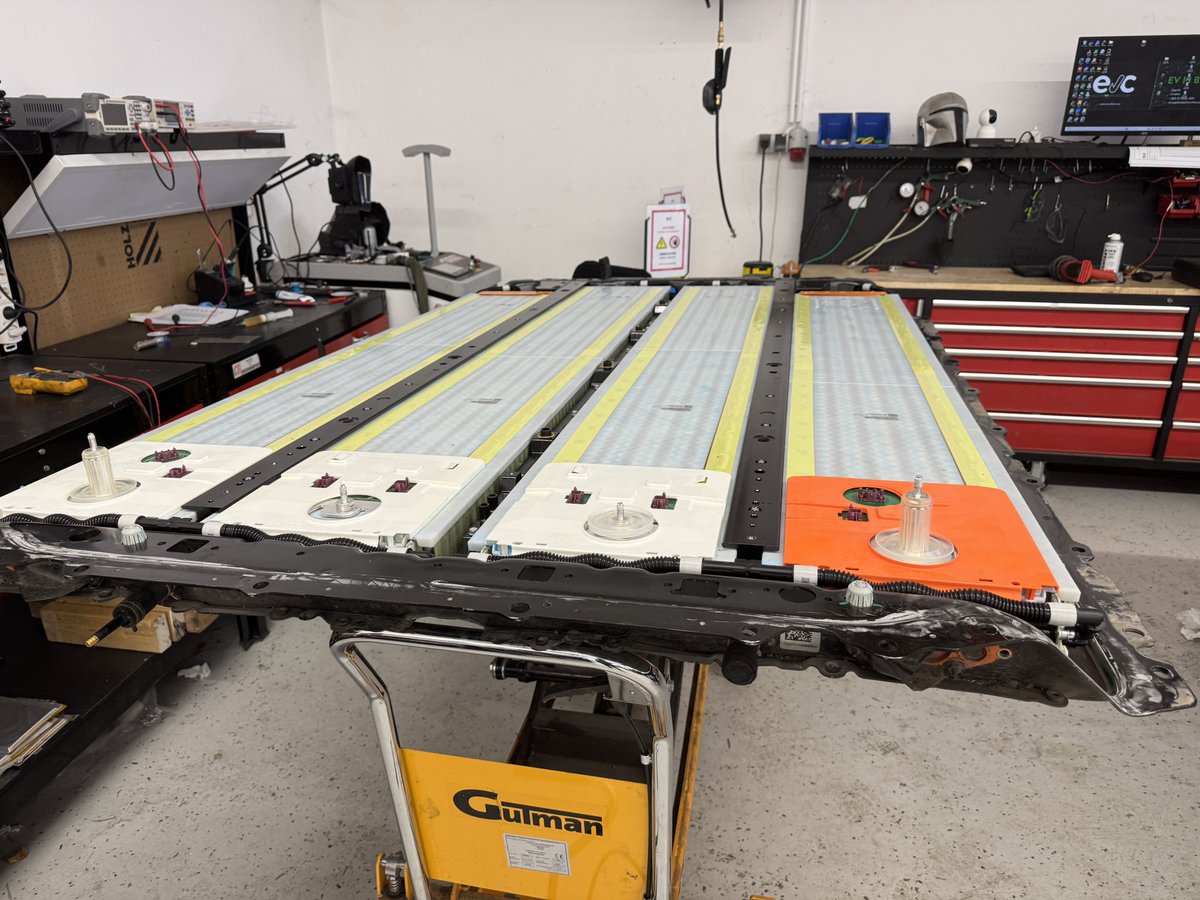
🇺🇸🇭🇷 What happens when a Tesla Model Y from Austria suffers severe mechanical damage to the high-voltage battery housing?
This type of repair requires a replacement battery housing, typically a recycled one, since a brand-new housing is not sold separately. The job involves transferring the battery modules and the rest of the system into the replacement housing.
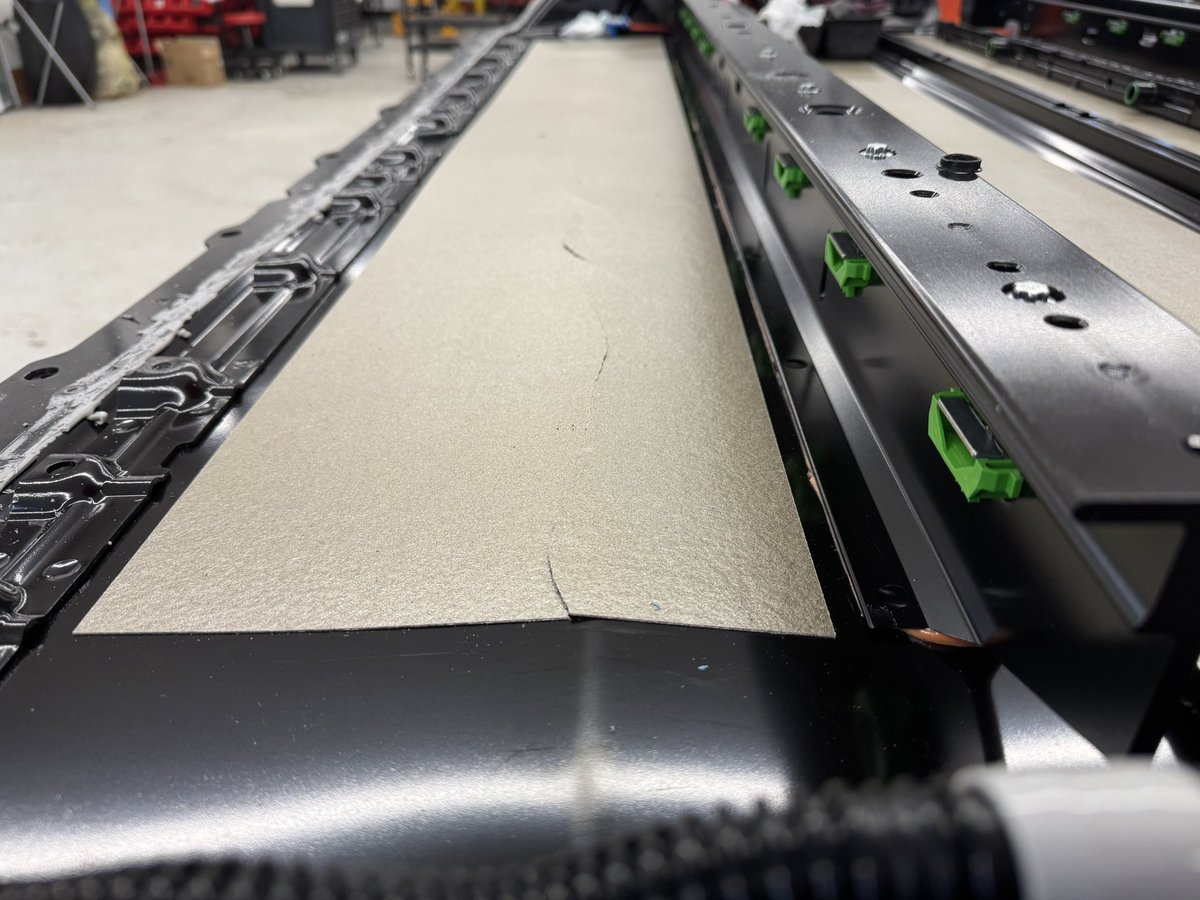
In this case, the impact dented the housing by about 3–4 cm and nearly damaged the module and cells themselves. Tesla Model 3 and Model Y battery systems have an allowable dent tolerance of up to 8 mm, whereas most other manufacturers allow only 0–4 mm, and some models have virtually no tolerance at all.
Because the Model 3 / Model Y Cell-to-Module (C2M) design uses a “coolant snake” cooling system rather than a bottom cooling plate (as used with prismatic or pouch cells), the risk of an internal short circuit in such an impact is minimal—almost negligible. This also makes housing replacement comparatively straightforward.
The repair takes around 4 days. For other manufacturers, a similar intervention usually takes significantly longer.
Costs:
•OEM replacement: €14,900 + VAT
•EVC repair: €3,000 + VAT
Book at 5 EVC locations: Stupnik – Zagreb | Velika Mlaka – Zagreb | Berlin | Ljubljana | Belgrade
🇭🇷 Što se događa kada dođe do teškog mehaničkog oštećenja kućišta visokonaponske baterije na Tesli Model Y iz Austrije?
Ovakav zahvat zahtijeva zamjensko kućište baterije, najčešće reciklirano, jer se novo kućište ne prodaje zasebno. Posao uključuje prebacivanje baterijskih modula i ostatka sustava u drugo kućište.
U ovom slučaju udarac je udubio kućište za oko 3–4 cm i gotovo oštetio sam modul i ćelije. Baterijski sustavi Tesle Model 3 i Model Y imaju dopuštenu toleranciju udubljenja do 8 mm, dok većina drugih proizvođača dopušta samo 0–4 mm, a neki modeli praktički nemaju nikakvu toleranciju.
S obzirom na to da Model 3 / Model Y koristi Cell-to-Module (C2M) dizajn s “coolant snake” sustavom hlađenja, a ne donju rashladnu ploču kao kod prizmatičnih ili pouch ćelija, rizik od unutarnjeg kratkog spoja u ovakvom udarcu je minimalan — gotovo zanemariv. To ujedno čini zamjenu kućišta jednostavnijom.
Zahvat traje oko 4 dana, dok kod ostalih proizvođača sličan postupak obično traje znatno dulje.
Cijena:
•OEM zamjena: 14.900 € + PDV
•EVC repair: 3.000 € + PDV
Book at 5 EVC locations: Stupnik – Zagreb | Velika Mlaka – Zagreb | Berlin | Ljubljana | Belgrade
🇪🇺 TESLA SHOWS OFF MODEL 3 SAFETY TECH IN NEW EURO TEST
Tesla just ran its Model 3 through a bunch of safety drills in Europe, and crushed it.
They tested how the car reacts to people suddenly walking into the street, other cars cutting in, and stuff like that.
It avoided crashes on its own without the driver doing anything.
All these safety features? They come built-in. No upgrades needed.
Tesla's basically saying: “Yeah, your car should stop itself before hitting someone. That shouldn’t cost extra.”
Source: @niccruzpatane, @teslaeurope, Euro NCAP
📍Wie oft sind Menschen im Straßenverkehr abgelenkt – am Handy, müde, unaufmerksam?
Ein System wie Tesla FSD Supervised ist immer wach, immer fokussiert – und reagiert in Millisekunden.
Dieses Video aus Hamburg zeigt, warum es keine Ausreden mehr gegen autonome Systeme gibt.