ESPN let go of Suzy Kolber, Steve Young, Max Kellerman, Keyshawn Johnson, Jeff Van Gundy, Jalen Rose, Todd McShay, Matt Hasselbeck, Ashley Brewer, Joon Lee, LaPhonso Ellis.
There are about 10 more expected to be let go today
So the Supreme Court rejected the student loan forgiveness plan. Ron DeDumbass vows to eliminate the Department of Education and other agencies. The titanic submarine thing was “found”. Zion Williamson could be having two children. Texas is on fire.
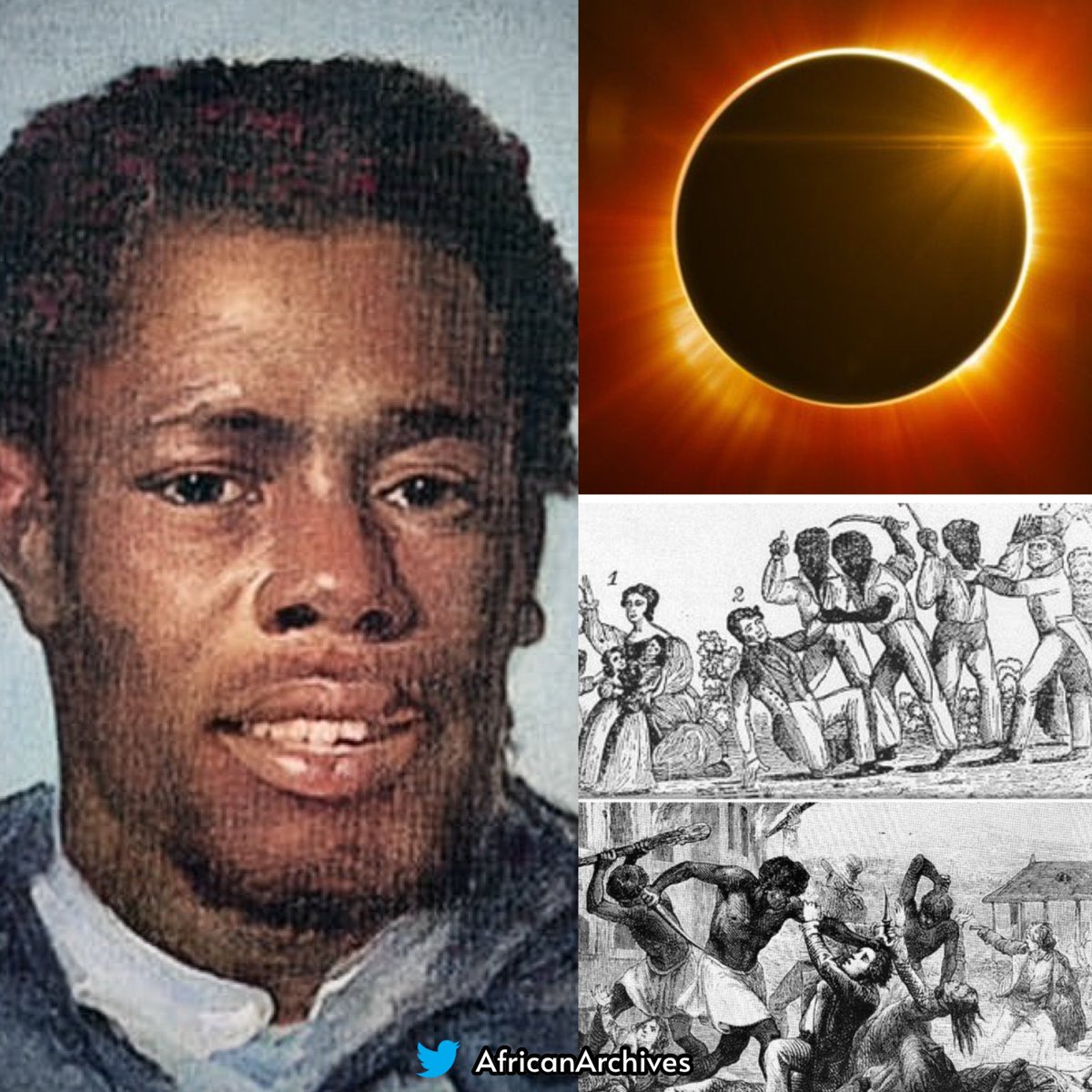
In 1831, Freedom fighter Nat Turner started what is considered the most deadly slave revolt in the history of the United States , the Nat Turner Rebellion, which sparked the events leading to civil war.
A THREAD
It boggles my mind that people in America always wants to jump to the Holocaust when it comes to dehumanizing and systematically killing of any race. 😅😅😅
Cecil J. Williams, a photographer, made a powerful statement in 1964 when he drank from a "white only" water fountain.
Williams was born in 1937 to parents of mixed ancestry: his mother was half-white and his father was half Native American. He received a camera from his older brother at 9 and realized he could earn money from his photographs. By 11, he photographed his first wedding, and by 12, he took pictures of people at church on Sundays, charging a dollar or two.
In the 1950s, Williams focused his camera on documenting efforts to end segregation in South Carolina. He captured important moments during the Briggs v. Elliott case, one of the first legal battles for desegregating public schools in the United States.
In 1960, during his senior year of college, Williams visited New York City and learned that JFK was holding a press conference at a downtown hotel. Despite forgetting his press pass, Williams was saved from being kicked out by security when JFK intervened and allowed him to stay. This encounter led to Williams becoming one of JFK's favorite photographers during his presidential campaign.
In 2019, Williams opened his own museum in Orangeburg County, South Carolina, displaying over 350 images and artifacts from the civil rights movement. The museum also serves as a community center.