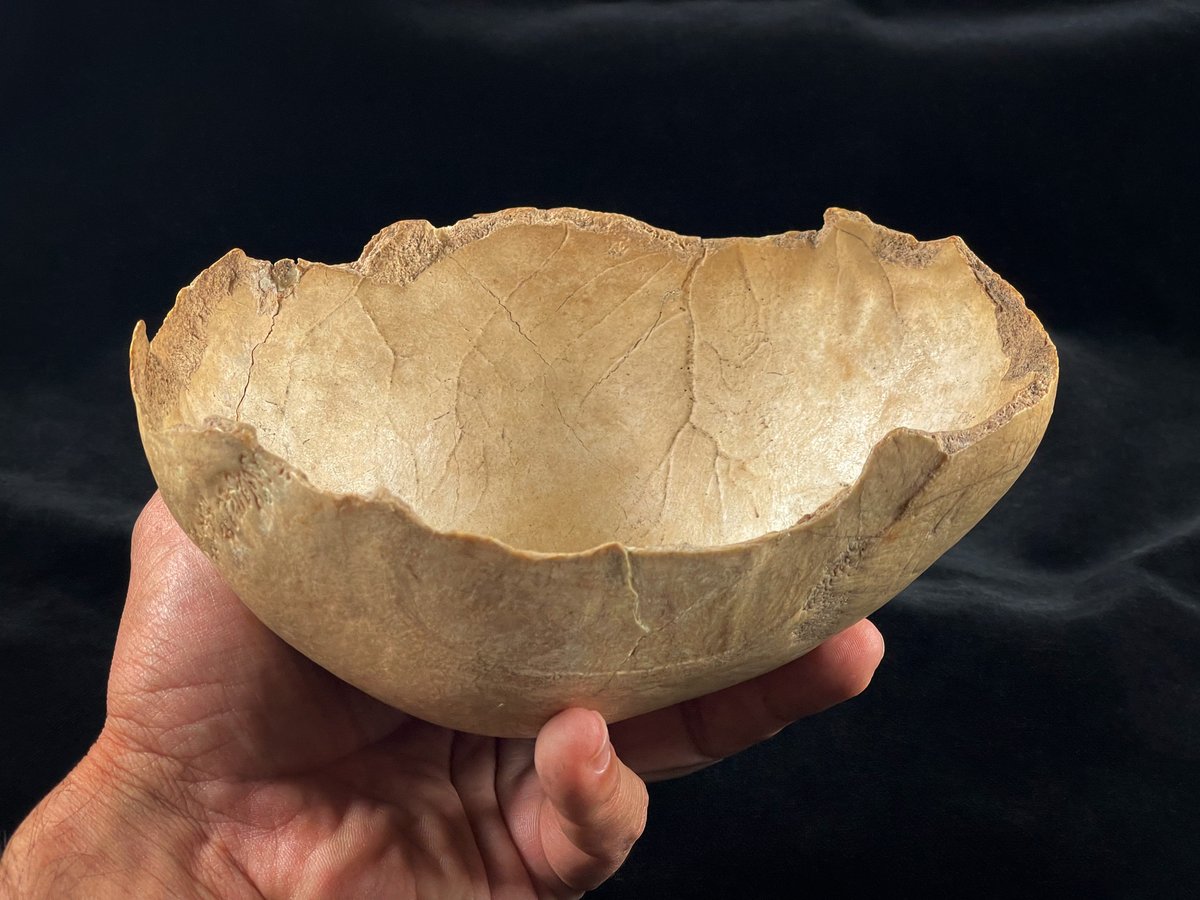
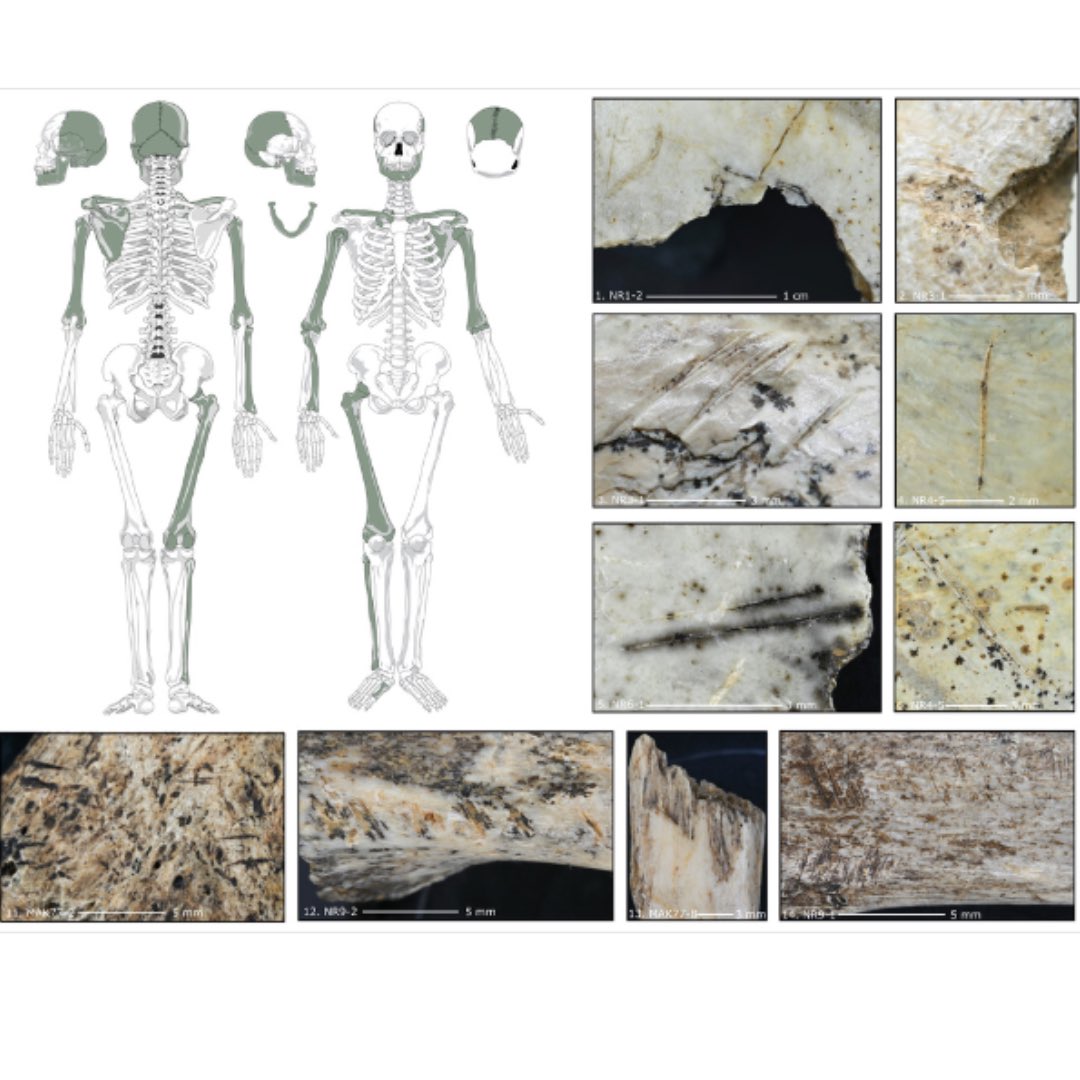
🗣️ Un nuevo estudio publicado en Journal of Archaeological Science, coliderado por investigadores del @IAM_CSIC y del @iphes, analiza cerca de un millar de restos humanos procedentes de las cuevas de Malalmuerzo, Carigüela y Majolicas, en Granada.
https://t.co/vj38ADdiYp
Very excited to present a preprint of the first chapter of my thesis, which focuses the end of the LGM (Ice age / Last Glacial maximum) in Europe, and specifically the post-LGM Balkans.
How did catastrophic black death and myxomatosis outbreaks on an isolated island affect the genomes of humans & rabbits, respectively?
And how did the microbes evolve in response to this?
PhD position @CpgSthlm with @AndersGother and me as supervisors!
https://t.co/mT5wPIAQs5
🦴🧬🦴🧬🦴
Abstract submission is now open for the 1st International Conference on Palaeogenomics!
June 23–26 2026, in Stockholm.
Join researchers from across the field for 4 days and >100 talks (+ posters)!
Submit abstracts here 👉
https://t.co/lCaQHcX9GT
Deadline: Nov 30
It was a pleasure presenting our archaeogenetic analysis on Roc de les Orenetes at the @ISBA11_Torino last week. Such a great chance to meet colleagues and exchange opinions. Looking forward to the next one!
New paper by Marina Bretos! Genetic ancestry, kinship, and funerary organization in the last Late Bronze Age communities of NE Iberia. A collaboration between @MPI_EVA_Leipzig , @IUCAunizar and @IBE_Barcelona
https://t.co/UlmchxuMan
Cannibalism in Neolithic Atapuerca? 💀🔬
Our latest study reveals clear evidence of a new cannibalistic event among farming communities at El Mirador cave. A fascinating glimpse into prehistoric life... and death. https://t.co/mYxqD3DRHh
@WhiteRabbit36@PalmiraSaladie@iphes
🤗Se trata de la cara humana más antigua de Europa occidental y su atribución a una especie distinta y más primitiva que el Homo antecesor confirma que el occidente europeo estuvo poblado por dos tipos de homininos en el Pleistoceno Inferior
🎥Antonio Rodríguez (@IAM_CSIC) 👇
📢Excited to share our new paper on bone diagenesis and stratigraphy! https://t.co/fF1fKZGZB0
Let’s back to Atapuerca to talk fossil bones, site formation, and heritage—featuring a new method to recontextualize fossils without context. 🦴🔍 A thread on this below 👇 @iphes
🔴 Descobertes noves evidències de canibalisme cultural de fa 18.000 anys a Polònia!
L’estudi, publicat a @SciReports i liderat per @Cesc_Marginedas, proposa podria estar relacionat amb tensions intergrupals i conflictes territorials
🔗 Més info: https://t.co/KkgDFP6o7c
Our papers, out today in @nature, show how ancient DNA from the Eneolithic and Bronze Age steppe points to a North Pontic origin of the Indo-European language family and a Caucasus-Lower Volga (CLV) origin of Indo-Anatolian (inclusive of the now extinct Anatolian languages). 1/
Oldest modern human #genomes sequenced. These seven early #Europeans belonged to a small, isolated group that left no present-day descendants. Study @Nature led by @arevsumer, Kay Prüfer, Johannes Krause @MPI_EVA_Leipzig. https://t.co/thySPSDXyR & https://t.co/IDwbcYjkkF
📢 Excited to announce our latest publication: "Alteration by natural processes or anthropogenic manipulation? Assessing human skull breakage through machine learning algorithms". ☠️ https://t.co/23MkoqFjUO #Archaeology#Taphonomy@PalmiraSaladie@WhiteRabbit36@AsierGOlivencia