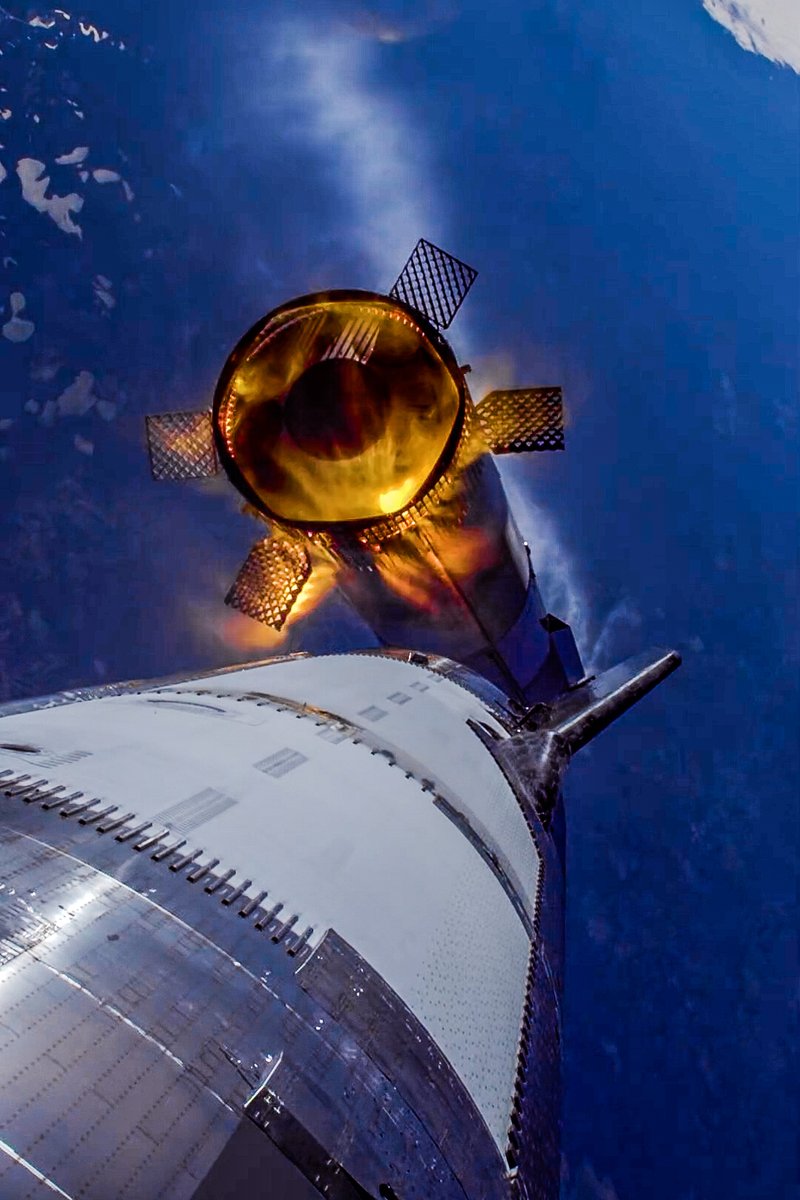
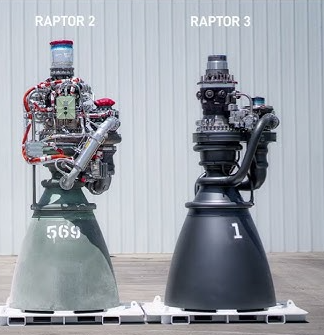
The main failure of flight test 12 is actually a sign of how insanely powerful the Raptor 3 engine is.
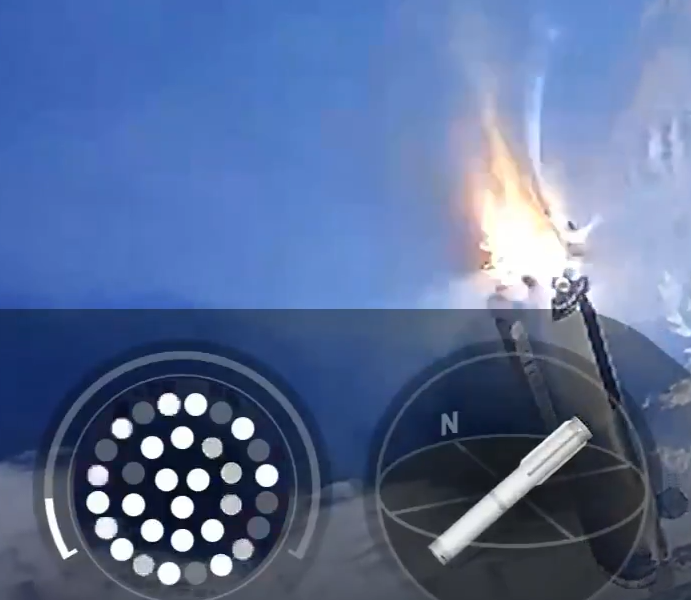
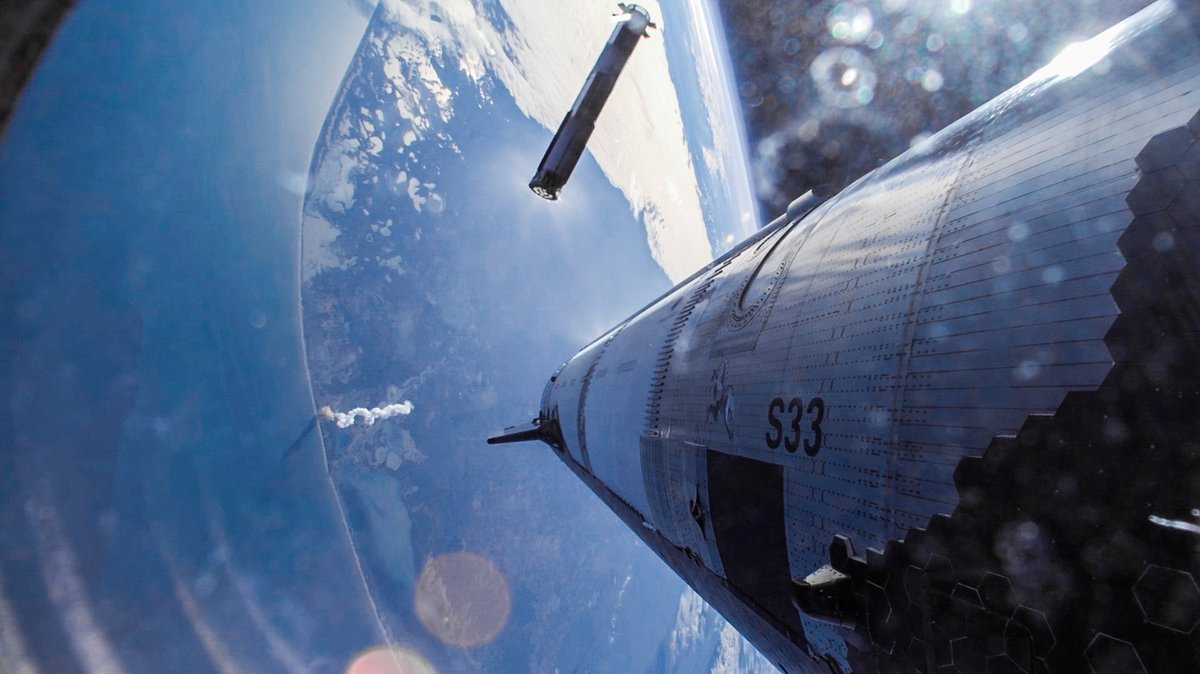
During "most engine cutoff," that extra power from the booster and the upperstage engines during the hotstage separation pushed the booster to flip sideways at 44 degrees per second, or 0.77 rads/s. Nominally, it should flip up instead of sideways more slowly.
That rotation was WAY too fast in the wrong direction with added axial rotation, causing an estimated 2.2 g outward force at the nose of the booster, causing massive sloshing for the propellant. That caused gas ingestion, engine explosion, and cascading failure for the boostback. This led the booster to an uncontrolled fall at terminal velocity.
I think for the next flight, they are going to have to change the gimbal profile for the MECO to reduce rotation and counteract the upperstage engine push, increase the coast time to allow propellant to settle, and stagger the relight more slowly with 2 engines per 3-4 seconds or so.
This won't need many hardware changes, mostly software changes, so the next launch will probably be sooner than expected... classic too much of a good thing problem.
- Linux is free
- Docker is free
- Kubernetes is free
- Git and Github are free
- GitHub Actions is free
- Python is free
- AWS, GCP, Azure are free (limited use)
- Terraform is free
- ArgoCD and Flux are free
- Prometheus and Grafana are free
all you need is a laptop and internet.
@elonmusk recently gave us more insights into the upgrades being made in the next versions of SpaceX's Starship and Super Heavy Booster.
Gridfin placements referred from @BingoBoca & @mcrs987.
Here's a quick summary of those immediate changes to the Next Gen Hardware 👇 :
https://t.co/Hs8IEVn4Q8 explains discoveries at the frontier of medical research through accurate and entertaining 3D animation. Animation is a captivating medium for presenting ideas about science that are impossible to film or difficult to visualise when described with words.
Our biomedical animations pull the viewer deep into a molecular landscape that exists in all of us to experience the intricate activity of the remarkable human body.
Answering a strong community demand for meaningful information around complex topics, https://t.co/Hs8IEVn4Q8 participates in a broad range of education and media projects globally to promote an intuitive comprehension of science and medical research.
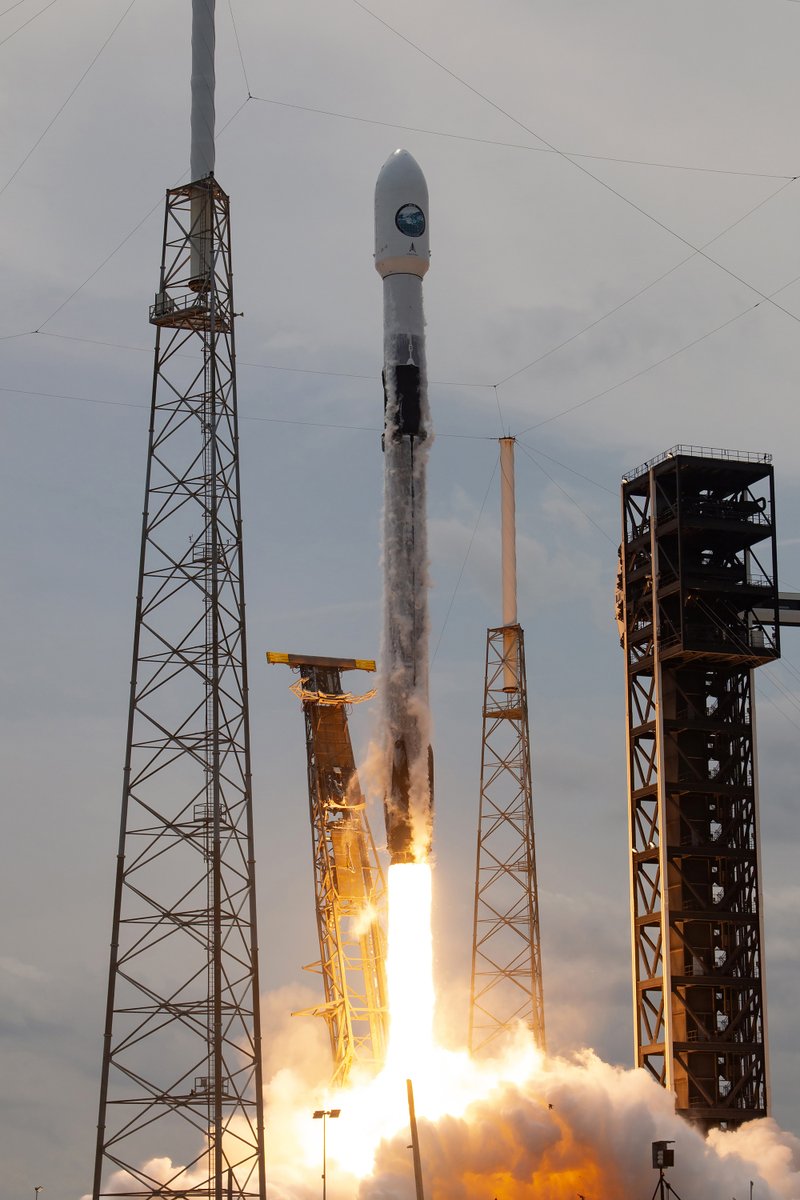
I don't think people who started following the starship program after flight 2 can truly understand just how insane watching the booster fly with 33 Raptors ignited was. Almost no one thought this would happen, saying it would happen was considered a joke.
There are honestly some decent and common questions about the Apollo program’s moon landings that I figured we should check out ourselves. Because there’s no denying things from the Apollo program look unusual and are quite literally foreign to us in all other contexts.
Enjoy 10 months of research, work, dozens of animations, 9 hours of 6k dialogue that took up 3.1 terabytes of hard drive space and MOUNTAINS OF LOVE covering the most incredible journey in all of human history (so far), the Apollo Program.
Send this to anyone who watched the Bart Siebrel video on @joerogan, and maybe @elonmusk, you should make Joe watch this so he has answers to his questions.
00:00:00 - INTRO
00:04:40 - APOLLO 17 LIFTOFF FOOTAGE
00:19:05 - WHY DON'T WE SEE STARS
00:25:40 - LUNAR SHADOWS
00:32:00 - CROSSHAIRS BEHIND OBJECTS
00:34:10 - WHY DID THE FLAG WAVE
00:38:00 - ASTRONAUTS ON WIRES
00:47:15 - FOOTPRINTS / PROP ROCKS
00:49:05 - MOON ROCK OR WOOD
00:51:35 - VAN ALLEN BELT RADIATION
01:12:55 - LOST APOLLO 11 TAPES
01:07:55 - DID NASA FAKE FOOTAGE
01:19:30 - LOST SATURN V PLANS
01:23:00 - THE LUNAR LANDER'S THIN SKIN
01:27:50 - LUNAR ROVER DUST
01:29:30 - OTHER PHOTOGRAPHIC EVIDENCE 01:37:20 - DID ANYONE ELSE TRACK THE MISSIONS 01:40:15 - THE SOVIETS' REACTION TO APOLLO 01:42:10 - ORBITAL MECHANICS OF APOLLO
01:51:15 - DELTA V OF APOLLO
02:04:30 - WHY HAVEN'T WE GONE BACK
02:14:30 - SUMMARY
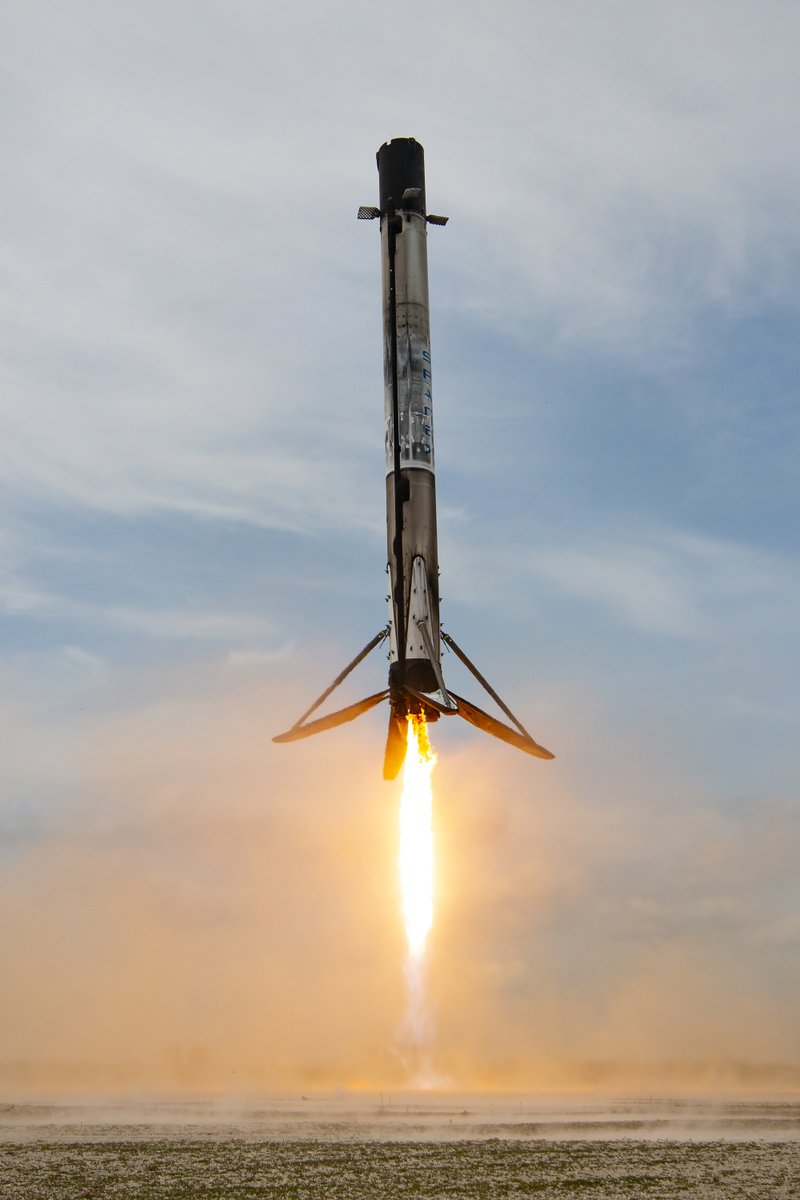
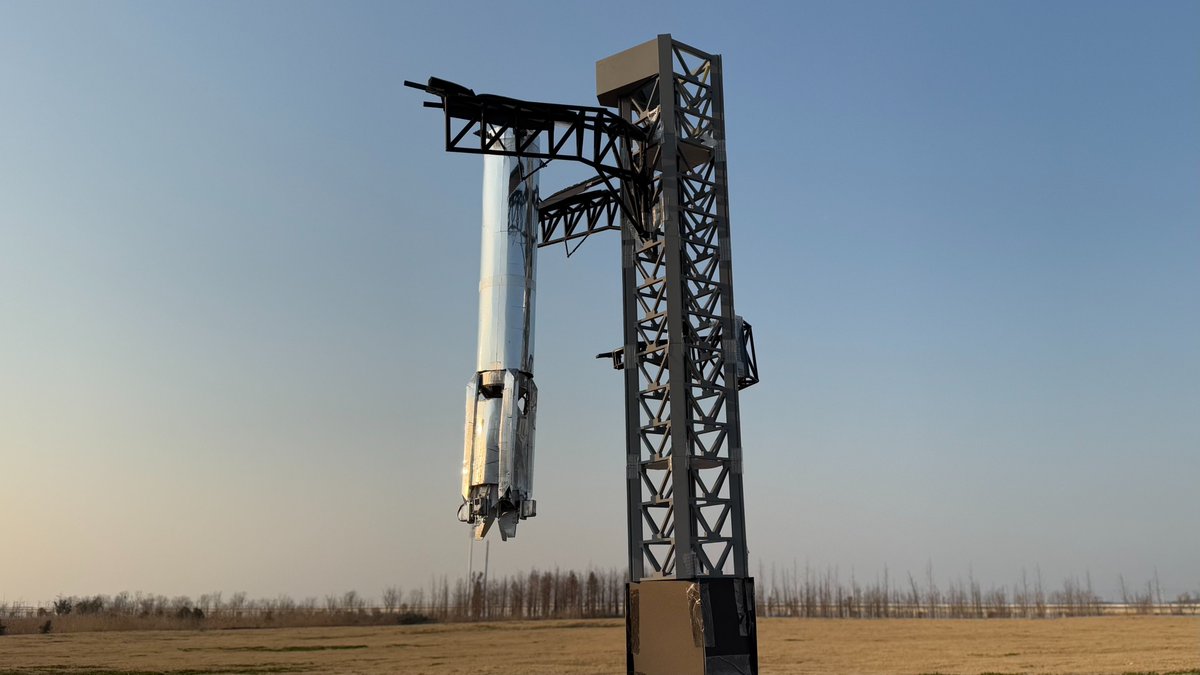
After flying to a peak altitude of ~90km, traveling more than 60 km downrange from Starbase, and completing its boostback burn and coast, Super Heavy ignited its landing burn less than 40 meters away from the preflight target.
The Raptor engines and booster guidance system precisely maneuvered the vehicle through the highest wind speeds yet for a Super Heavy landing burn.
Upgrades to the chopstick controls enabled them to start wider and move earlier for catch, expanding the envelope for booster landing burn trajectories.