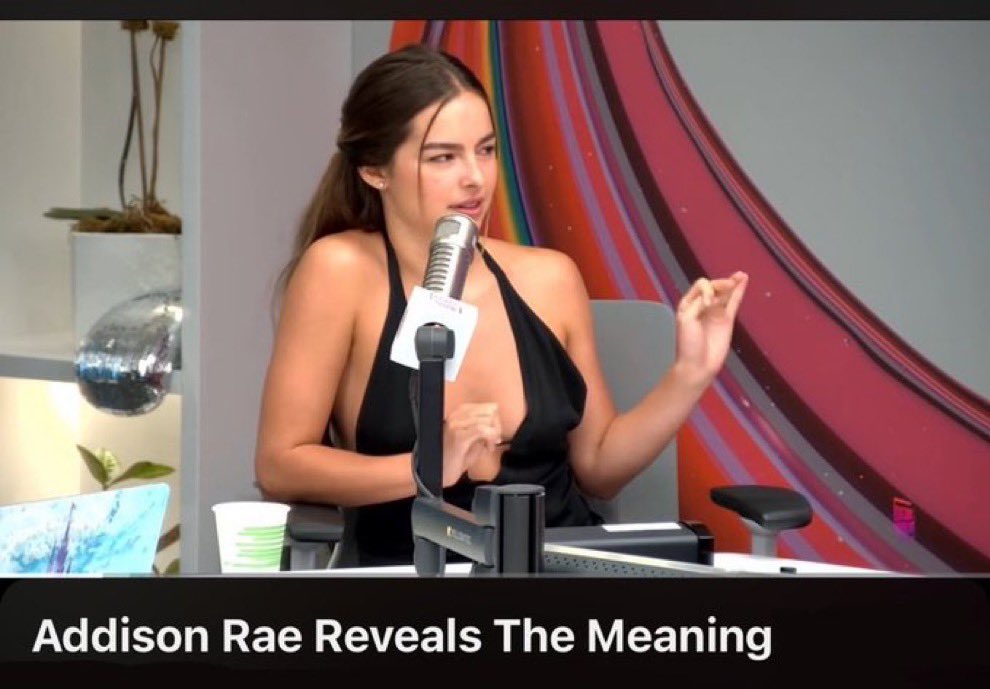
When a young hoe tells me the Dancefloor is Liberation and the Club is Community I find it trite. But when a beautiful 67-year old woman sings it four decades into her career……I FEEL FREE
Escuchar música que amabas a los 15 años es una forma de autocuidado. No es nostalgia. Es reconexión. El cerebro recuerda cómo se sentía ser tú en ese momento. Y a veces, para avanzar, necesitas recordar quién fuiste cuando soñabas sin límites.
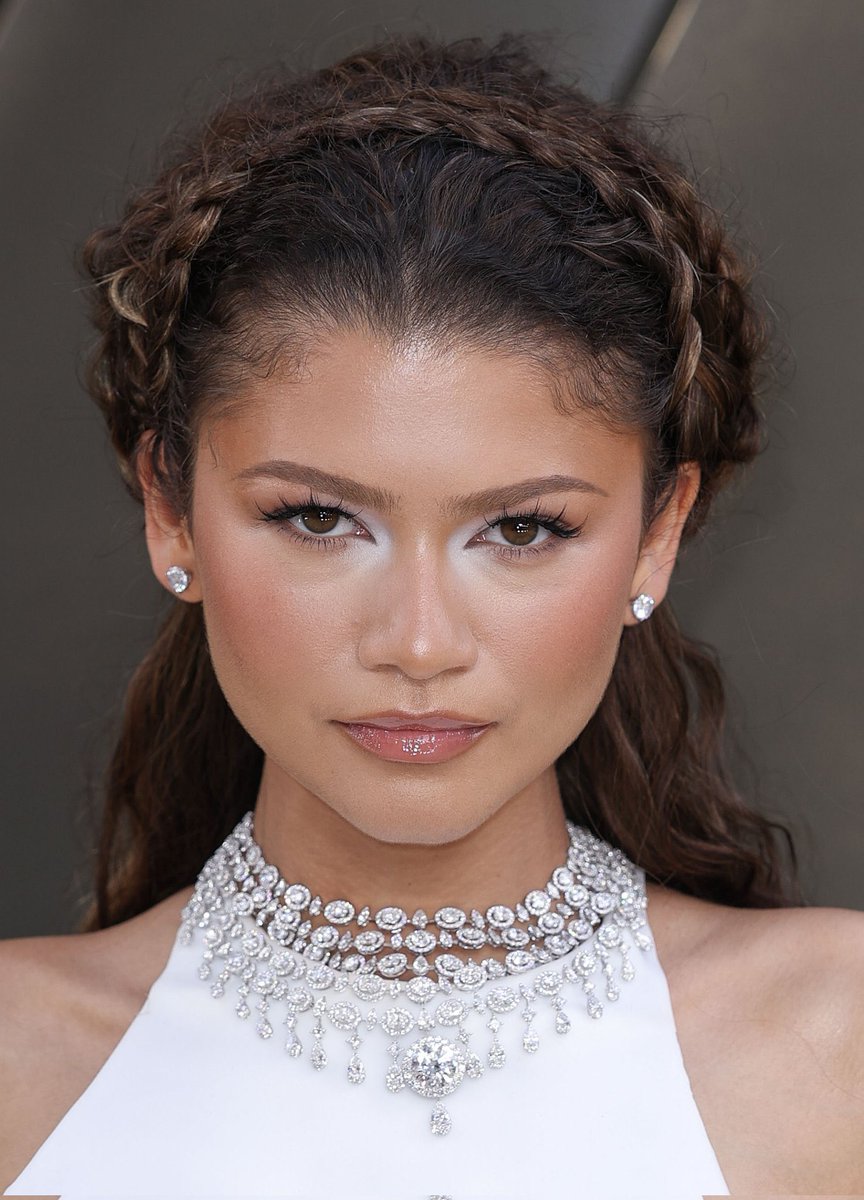
every time i see a new beautiful picture of zendaya i am like oh wow this is the most beautiful picture of zendaya i’ve ever seen and then i see another new one and im like oh wow this is the most beautiful picture of zendaya ive ever seen and then the next new one drops and im
one of the biggest lessons of this album is im never wasting another second of my 20s or any of my life feeling too old for anything which is dumb and insane and embarrassing asf! the virgin fear of aging gen z vs the chad 67 year old banger-making madonna
Every decade seems to produce its own version of the same question. Does the world actually need dance music right now, or is it just noise to drown out something worse? The 2020s have answered that question loudly.
When the 2008 financial crisis hit, the cultural response was motion. Pop leaned hard into escapism, and that instinct produced some of the most enduring dance records of the era. When the outside world becomes unstable, the dancefloor becomes one of the last predictable spaces left, but, it makes sense. That same instinct resurfaced almost immediately at the start of this decade, only this time the crisis wasn’t economic, it was a literal shutdown of the spaces dance music depends on. Dua Lipa’s ‘Future Nostalgia’ arrived in March 2020, days before lockdowns swept the world, and somehow became the soundtrack to a year with no dancefloors at all. Kylie Minogue followed months later with ‘Disco’, doubling down on the same instinct at a moment when the genre’s actual home ground had disappeared entirely.
The instability didn’t end when the clubs reopened. It just changed shape. Political division took over where economic collapse and pandemic isolation left off. Discourse online rewards outrage before it rewards anything else. Entire news cycles now run on division as a business model.
Against that backdrop, dance music has become one of pop’s most vital spaces again, and the decade’s biggest records prove it. ‘Chromatica’ set an early tone in 2020 alongside Lipa and Minogue, insisting, almost stubbornly, that joy still had a place even when the floor it was meant for had disappeared. ‘RENAISSANCE’ followed in 2022 with a different kind of urgency. It reconnected mainstream pop to the ballroom and house lineage that built dance music in the first place, at a moment when queer and Black communities needed that history reclaimed loudly and publicly.
‘Brat’ pushed things somewhere rawer in 2024, its production matching a generation’s anxiety beat for beat, chaotic and hyper in a way that mirrored the timeline it was competing with.
More recently, Slayyyter’s ‘WOR$T GIRL IN AMERCA’ and Madonna’s ‘CONFESSIONS II’ extend that same thread into 2026, each proving that dance music’s usefulness has always been about surviving reality on your own terms.
It’s worth noting that nearly every record driving this resurgence has come from women, continuing a lineage that traces back to disco’s own roots in queer and marginalized spaces. That’s not incidental. It’s the same lineage repeating itself.
None of this makes dance music inherently political, and it was never built to be a direct commentary tool. What it offers is a counterweight, a controlled kind of chaos that lets people process an uncontrolled one. The music changes shape from decade to decade, but the function stays the same: Freedom, sweat, hope, fun, release.
La decisión de tener a Zendaya como Atenea es perfecta porque si yo fuera una habitante de la antigua Grecia y de repente se me apareciera esta mujer yo no dudaría ningún segundo de que es una diosa.