Day15/100 of learning solidity
Today, I learned how to compile smart contract and deploy them to a testnet / live block chain using foundry toolchain.
I was kind of confused at first
but now, after spending hours on it I fully understand how everything works
#web3#foundry
Day15/100 of learning solidity
Today, I learned how to compile smart contract and deploy them to a testnet / live block chain using foundry toolchain.
I was kind of confused at first
but now, after spending hours on it I fully understand how everything works
#web3#foundry
Day14/100 of learning solidity
Today I switched from using REMIX IDE to using VISUAL STUDIO CODE for writing my smart contract.
Here are the steps I took in setting it up 👇
#100DaysOfCode#Solidity#Web3
Day 13/100 of learning Solidity
Today I learned how to build a refund function in a crowdfunding smart contract.
Here’s what I learned 👇
#100DaysOfCode#Solidity#Web3
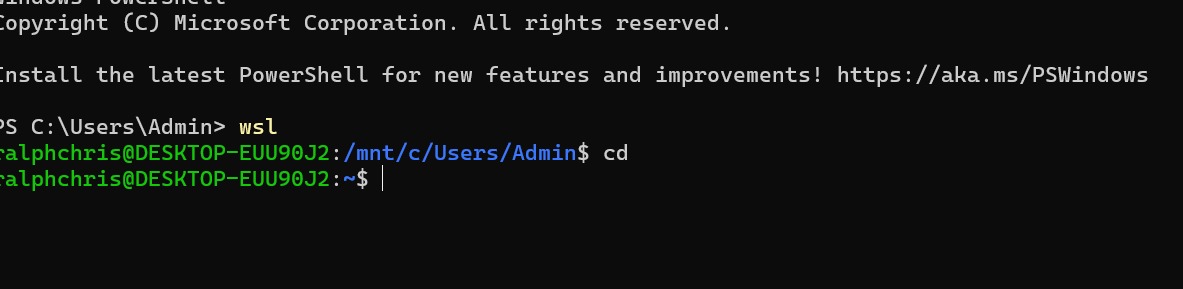
We will need to set Ubuntu as default for easy access
Wsl --set-default Ubuntu
After running this command, Ubuntu will set as default anytime you run wsl on you terminal
It will require you to provide a username and password after installing successfully
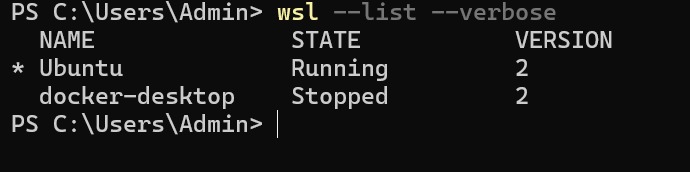
Type this command to confirm that Ubuntu has been installed successfully
wsl --list --verbose
Next thing to do is installing Ubuntu
( Ubuntu is a type of wsl distro created to run on windows without the need of traditional virtual machine or dual-boot setup)
Type this command in your terminal
Wsl --install -d Ubuntu
2. Then type this command on your terminal
Winget install wsl
Wsl stands for windows sub system for Linux, and it's the environment we will be using to write our code
6. Finally, I used an event:
Refunded(address indexed funder, uint256 amount)
This helps track refunds on-chain and makes the contract more transparent.
Day 13/100 of learning Solidity
Today I learned how to build a refund function in a crowdfunding smart contract.
Here’s what I learned 👇
#100DaysOfCode#Solidity#Web3
Day 12/100 of learning Solidity
Today I learned about receive() and fallback() functions — and how contracts handle direct ETH transfers.
Here’s what I learned 👇
#100DaysOfCode#Solidity#Web3
1. I implemented a refund() function that allows users to get their ETH back if the funding goal is NOT reached.
This is important for trust in crowdfunding dApps.
Day 12/100 of learning Solidity
Today I learned about receive() and fallback() functions — and how contracts handle direct ETH transfers.
Here’s what I learned 👇
#100DaysOfCode#Solidity#Web3
Day 11/100 of learning Solidity
Today I learned about modifiers and how to restrict access in smart contracts.
I’ll be explaining step by step below 👇
#100DaysOfCode#Solidity#Web3
4. In my code, both receive() and fallback() call:
fundcontract();
This means anytime ETH is sent (with or without data), the contract automatically executes my funding logic.