Many Oahu sellers think having a home show a long days-on-market is a bad thing.
So, they reset it to show like a new home on the market.
What they do not realize is that buyers are more likely to make an offer if the home shows more days on market, because they feel like they can negotiate the offer.
For a home that just came on the market, the seller is less likely to negotiate, so they might decide it is not worth making an offer.
@jtrader I analyzed it. Did I miss something? Did I do anything wrong? Either way, I move on and accept it, but I do like to look at my trades just in case I see a pattern.
@QullamaggieHQ Is there a way to see this video crystal clear?
It is a fantastic video, thanks for sharing it, but at least through X on my screen it is hard to see the pattern because it is blurry.
I hear a lot of complaints about how much insurance costs have gone up, add in the cost of food which is getting more expensive and homeowner's do not have enough money to pay their mortgage, which is sad.
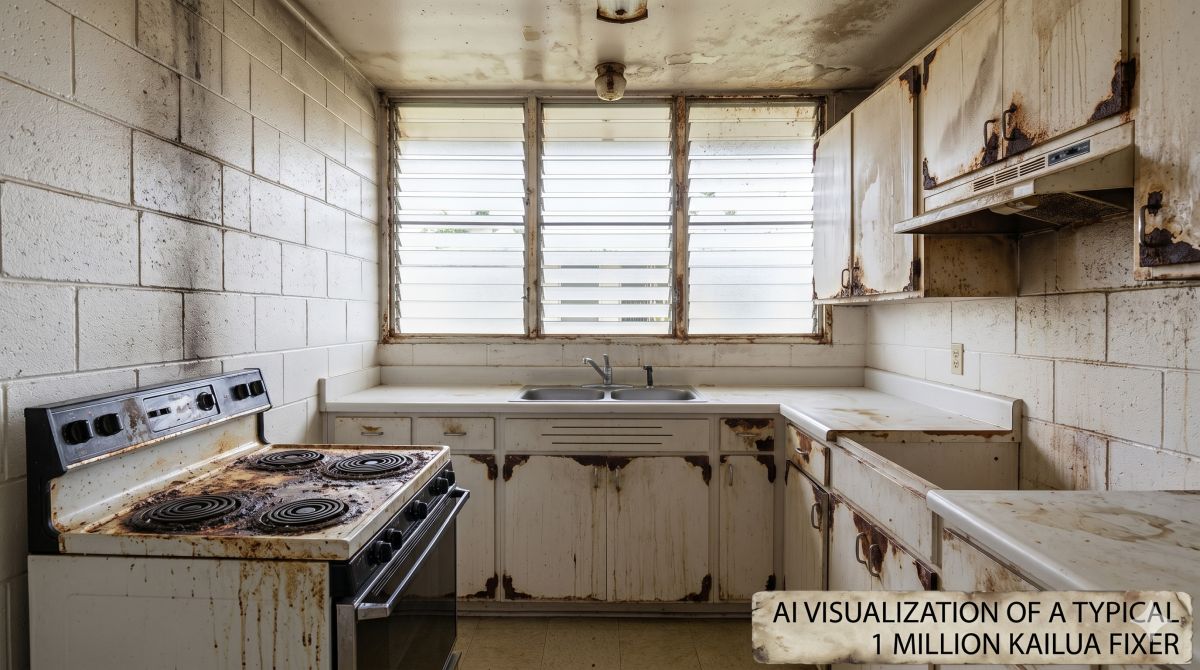
What does $1,000,000 buy you in Kailua today?
It sounds like a lot of money, but this is the representative condition buyers are facing at that price point.
The U.S. housing market is currently seeing a significant shift in home prices. Median listing prices across the country fell 2.3% year-over-year for the week ending April 30, marking the 15th consecutive week of annual declines. This sustained cooling trend suggests a more favorable landscape for patient shoppers looking to buy a home.
Read: https://t.co/gduwPnU6Ck
The "AI Spend" spigot is officially leaking.
OpenAI is missing revenue targets and has $1.5T in spending commitments it potentially can't pay.
Combine that with:
• Oil @ $110 (Iran conflict)
• Consumer Sentiment @ all-time lows (49.8)
• Real Estate volume @ 2009 freeze levels
• AI layoffs are hitting the white-collar workforce
Are we seeing the 2000 Tech Bubble and the 2008 Housing Crisis combined?
Is this the "mid-year bear market" Tom Lee warned about, or something deeper?
Per @WalletHub, 13.3% of Hawaii’s personal income goes to state and local taxes (property taxes, individual income taxes, and sales & excise taxes), making it the most tax-burdened state followed by New York…Alaska has the lowest overall tax burden
@DataArbor
It’s already worse than 2008–2009 in some housing metrics…
…and almost no one is talking about it.
Existing home sales have collapsed 35% from the peak -- a technical demand crash.
And this is happening before unemployment rises, before forced selling, before real distress.
The pressure is quietly building beneath the surface.
The real pain hasn’t even started yet.