The research people care about: 🔪❣️🦈SHARKS SMELLING BLOOD!!! POOP INK SHOOTING WHALES!!! 💩😤🐋
The research that’s my favorite:
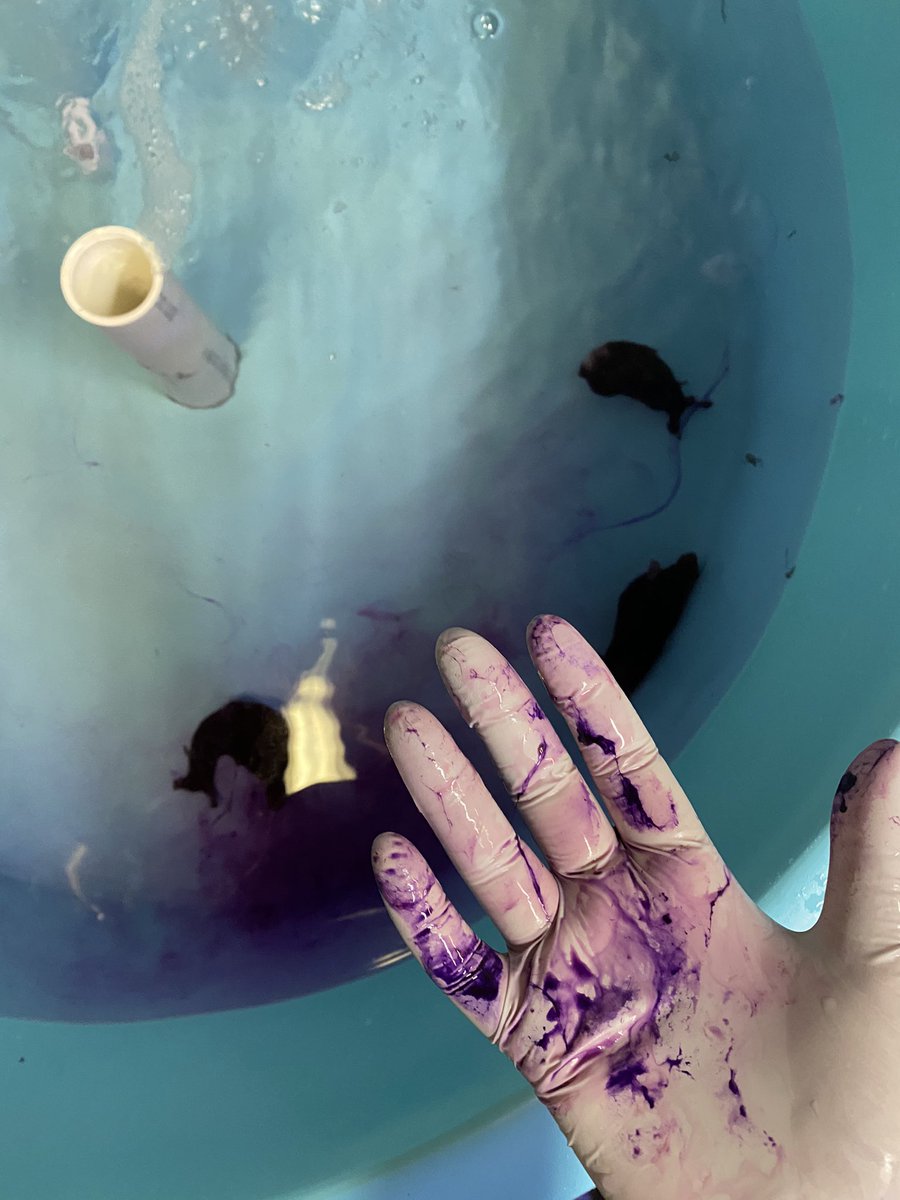
🥰✨💜 Inky slug friends 🥰✨💜
With my new position, @tricialmeredith let me brainstorm a title.
I enlisted @CornOnTheKnaub for help and we mad a list of five options.
I am now the “Research and Biological Imaging Specialist” but Jamie got me a desk plaque with our favorite pick 😍
"Sharks are especially interested in fish blood, squid blood, shrimp blood. But on that note, I will say that sharks are smart. They are like us. They can modulate their behavior," says @oceanexplauren
https://t.co/9zPq0UoKSi
Update, we did it! We raised $5,000 in 24 hours. Special shout out to our Program Coordinator Norah Mendoza who truly went hard in the paint and camped out in a park for a full 24 hours to make this happen. #CarryingTheTeam
So you’re telling me that being underpaid with no job security and often no benefits is not appealing to people who just spent the last 5++ years living paycheck to paycheck as a graduate student?
Shocked!
New data released by the U.S. National Science Foundation underscore concerns that the academic community is facing a postdoc shortage and that early-career scientists are increasingly favoring higher paid positions outside academia. @ScienceCareers https://t.co/Xu9t7BN0f9
Being a postdoc is working pretty much non-stop on both actual science, and suppressing the feeling that it will be all for naught if you never make it into a permanent job.
This may not be the typical academic route, but it's exactly what I want to do with my career. I am so excited to continue looking at fun stuff, asking interesting questions, and building my research program in this new role all with incredible students. So thankful. So pumped.
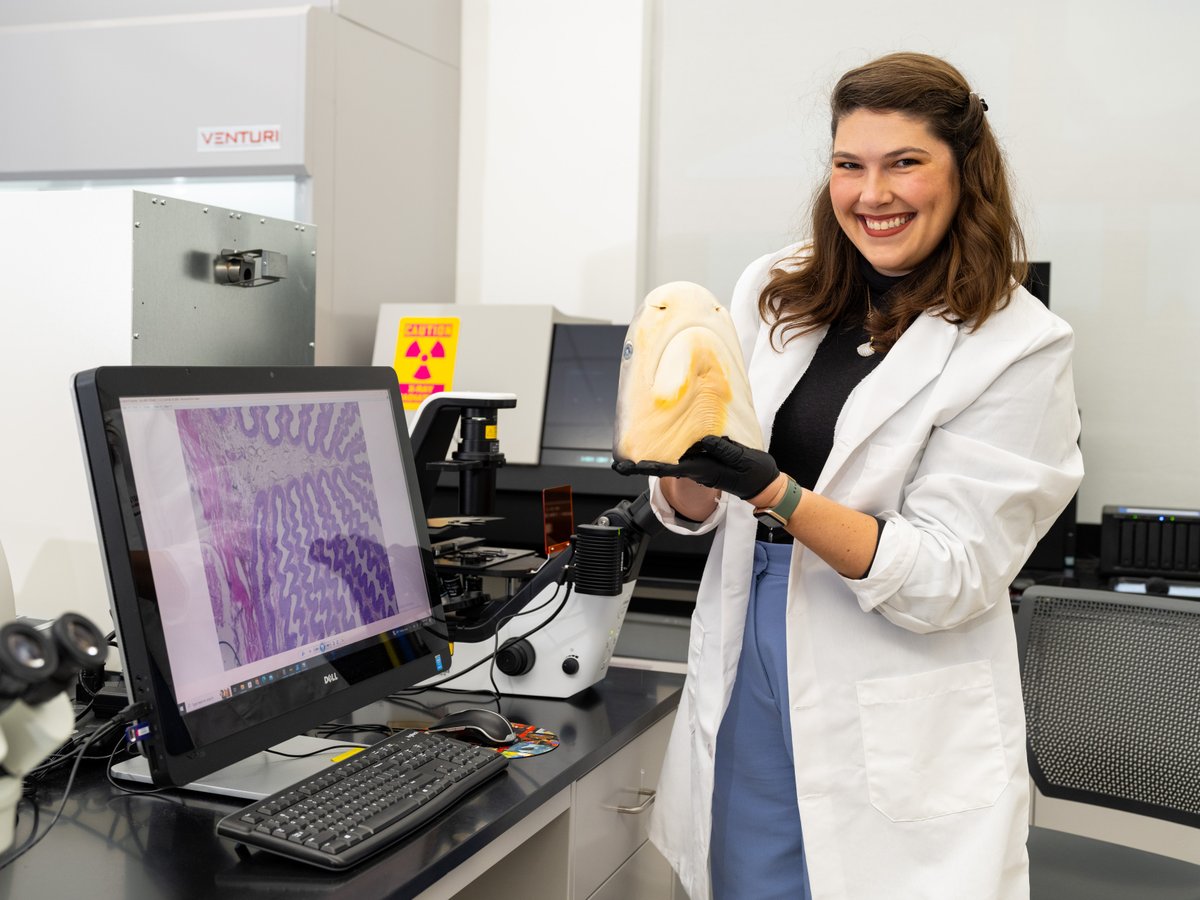
Really excited to announce that after my National Science Foundation Postdoctoral Fellowship ends in May, I will be sticking around @ADHUS_FAUHS as the Research and Bioimaging Specialist!
TLDR: I got my dream job
5) I get to keep working with the amazing team of researchers and educators I have had so much fun with these last 1.5 years. Special shout out to @tricialmeredith who I am so lucky to continue working for.
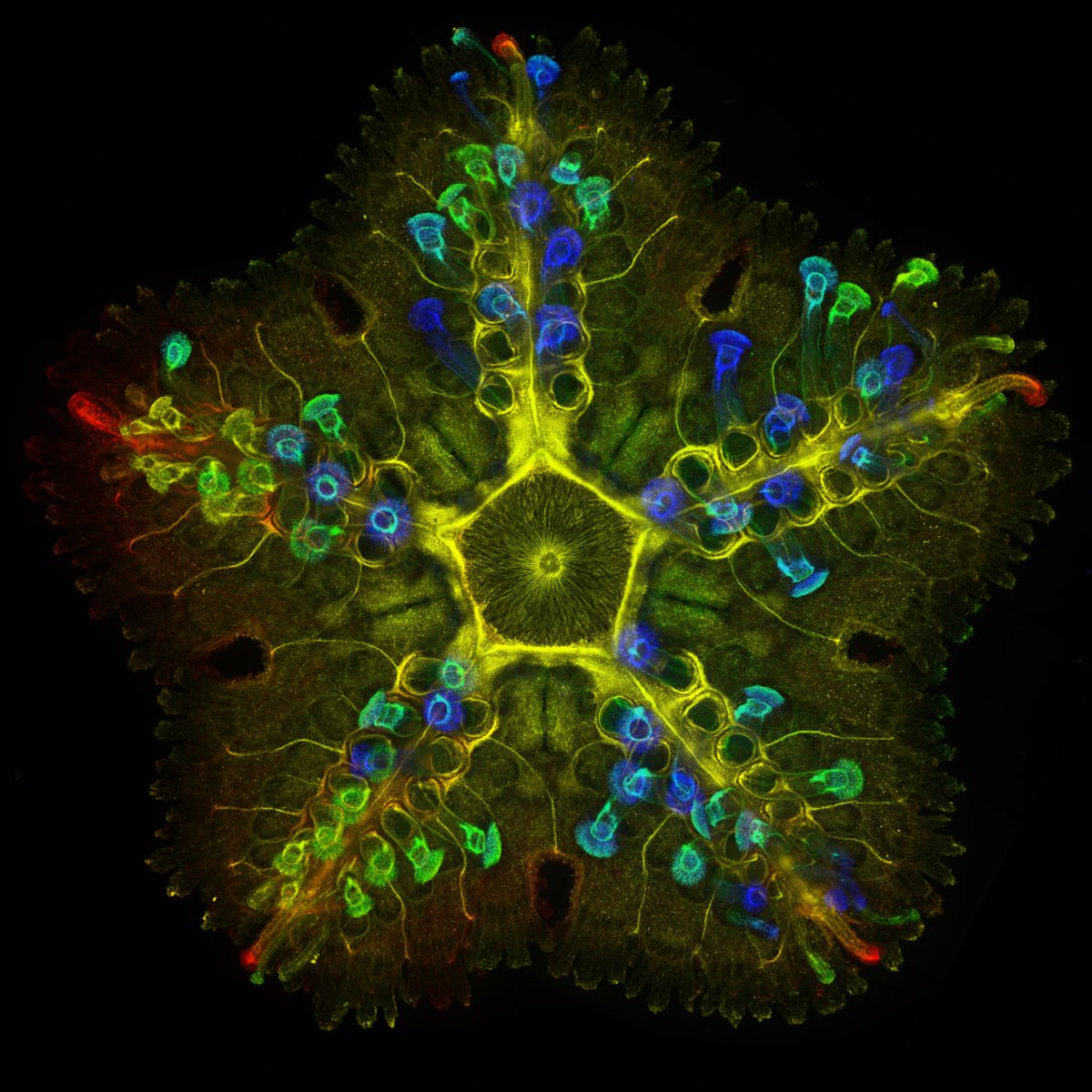
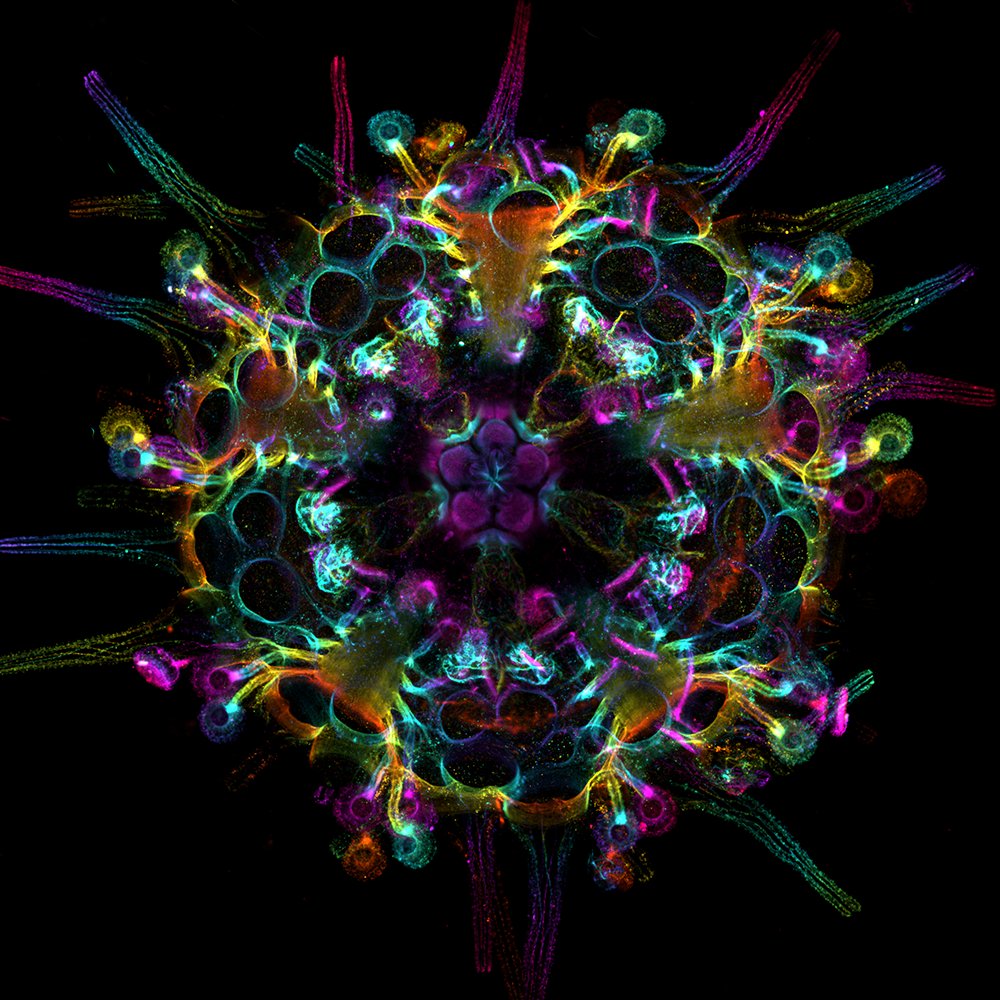
@FormeryLaurent @lab_lowe With this method, we are now able to look inside these animals in a way that was previously impossible and ask questions about how their bodies are organized, how their nervous system is wired, and more.
What does the nervous system of a sea urchin look like? Can we study intact organ systems in calcified animals? I’m excited to share this preprint (with @FormeryLaurent and @lab_lowe) on whole-body tissue clearing in fragile invertebrates, where we tackle those questions.