Healthy oceans sustainably deliver benefits to people now & in the future. We use #datascience, #openscience, and #rstats to assess ocean health @ucsb_nceas
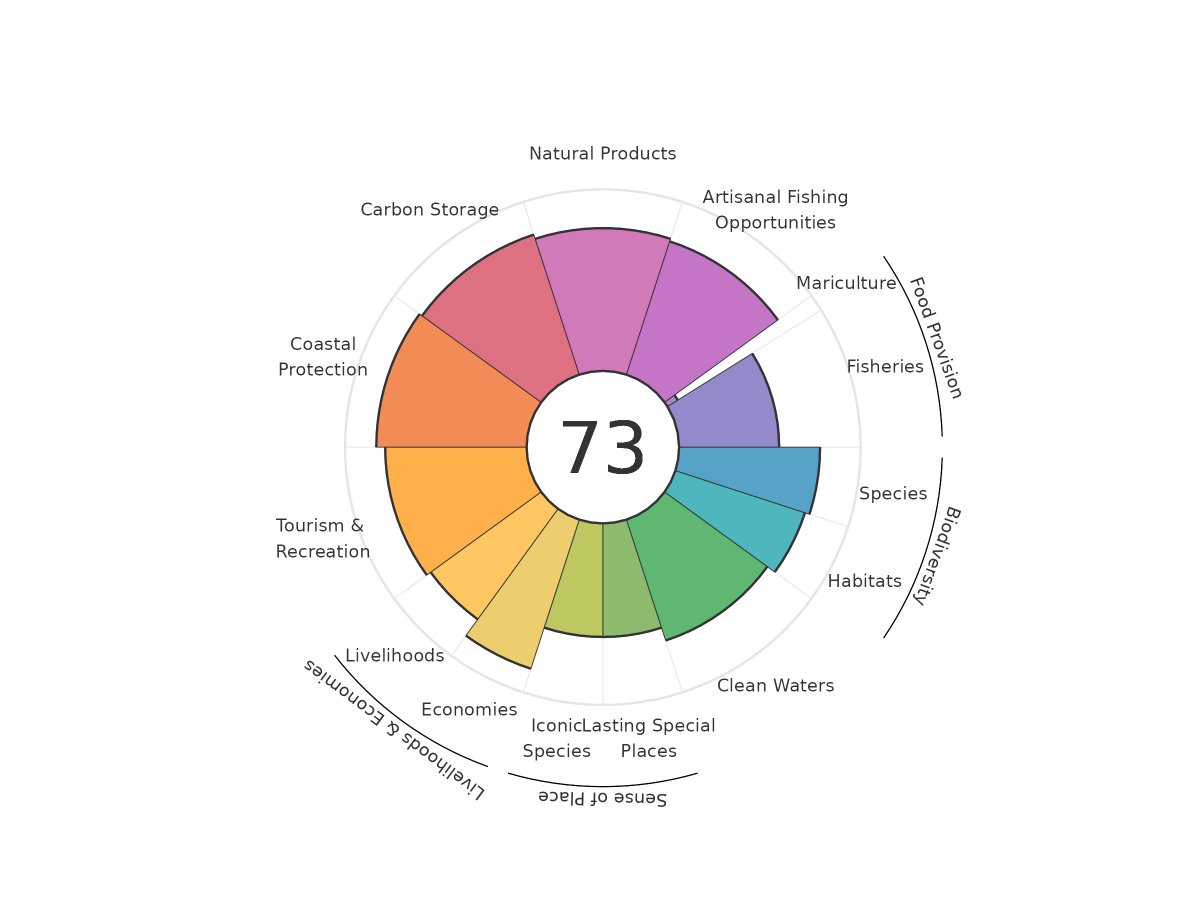
The 2023 @OceanHealthIndx scores are in! So how healthy are our oceans? The 2023 global average is 73/100, showing stability across years. #OpenScience#oceans#DataScience
Check out the scores for all 220 regions here: https://t.co/719DaBaOlL
Explore the surprising history of whale hunting - and how they impact our @OceanHealthIndx scores - in the latest blog post from NCEAS data scientist Carlo Broderick 🌊 https://t.co/zNPV9vLwL9 #marineconservation
Dive into the world of marine conservation with OHI fellow Erika Egg! 🐋 Discover the impact of protected areas on our oceans and learn about the progress and challenges in safeguarding marine ecosystems. https://t.co/Gq90Tw5sTO🐟 #OceanConservation#ProtectedAreas#MarineLife
Join OHI Fellow Carlo Broderick as he delves into the cultural traditions, environmental impacts, and health concerns surrounding centuries-old whale hunting in the Faroe Islands! Check out the latest OHI blog post to learn more: 🌊🎣🐬🐋 https://t.co/xFqQn0ckaS
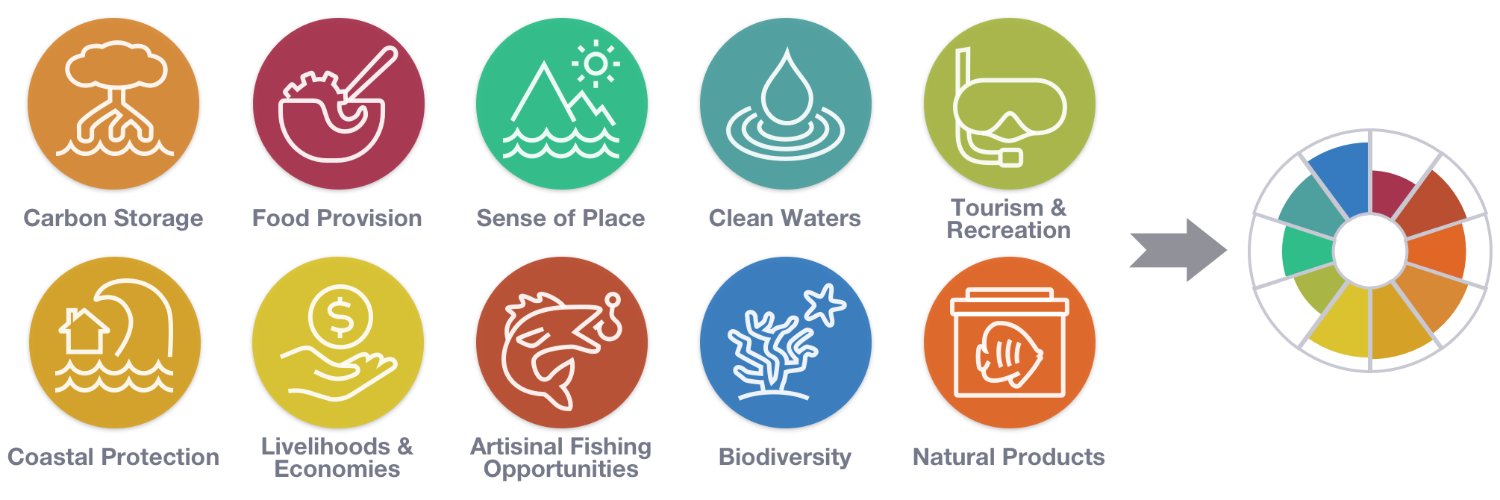
Curious about how ocean data becomes meaningful goal scores in the Ocean Health Index? Check out OHI Fellow Adelaide Robinson's new blog post and visualize how goals and data layers are connected!
#DataScience#oceans#OpenScience 🌊📊📈https://t.co/zFJvzhsp3r
Another summer, another trio of @OceanHealthIndx fellows! Welcome to the team Carlo, Adelaide, and Erika 💙 following in last year’s footsteps, all three are recent MEDS graduates. Learn more about their background and upcoming work for the 2023 scores: https://t.co/RXONYuBTNS
🔥🌲Check out this new initiative @ucsb_nceas! The Western Wildfire Resilience Index (WWRI), modeled after the OHI, aims to provide the first holistic metric of wildfire resilience in the North American West. Learn more about the WWRI and 7 new jobs here: https://t.co/iZVRc4V92O
Attention all environmental data scientists! 📈 📊 NCEAS is hiring two (!) #DataScience analysts for our Western Wildfire Resilience Index (salary ~60-65k), modeled after the @OceanHealthIndx. UCSB is an AA/EOE, including disability/vets. Apply by 6/16: https://t.co/z2WZhlqvvg
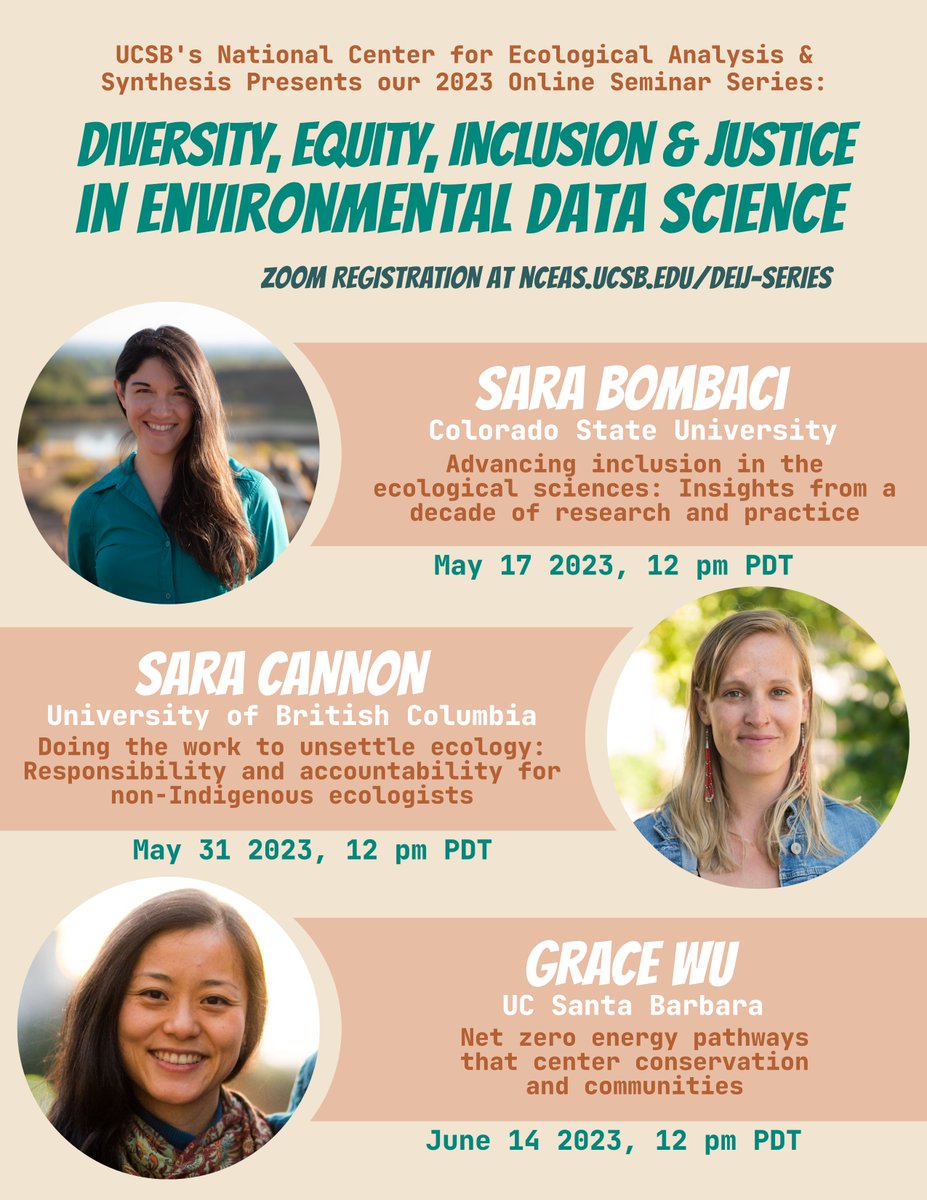
Our most popular annual event is finally here! 🎉Announcing the lineup for our (virtual) 2023 seminar series on diversity, equity, inclusion & justice in environmental data science: @SPBombaci, @secanno, & @gcc_wu! Learn more and register online at https://t.co/hs1BUA3xfP
A pretty cool team doing pretty cool science 🌊 check out the 2022 @OceanHealthIndx scores if you’re a fan of soft bottom habitat, fisheries governance, marine biodiversity and more https://t.co/Ng3BAIUHCI
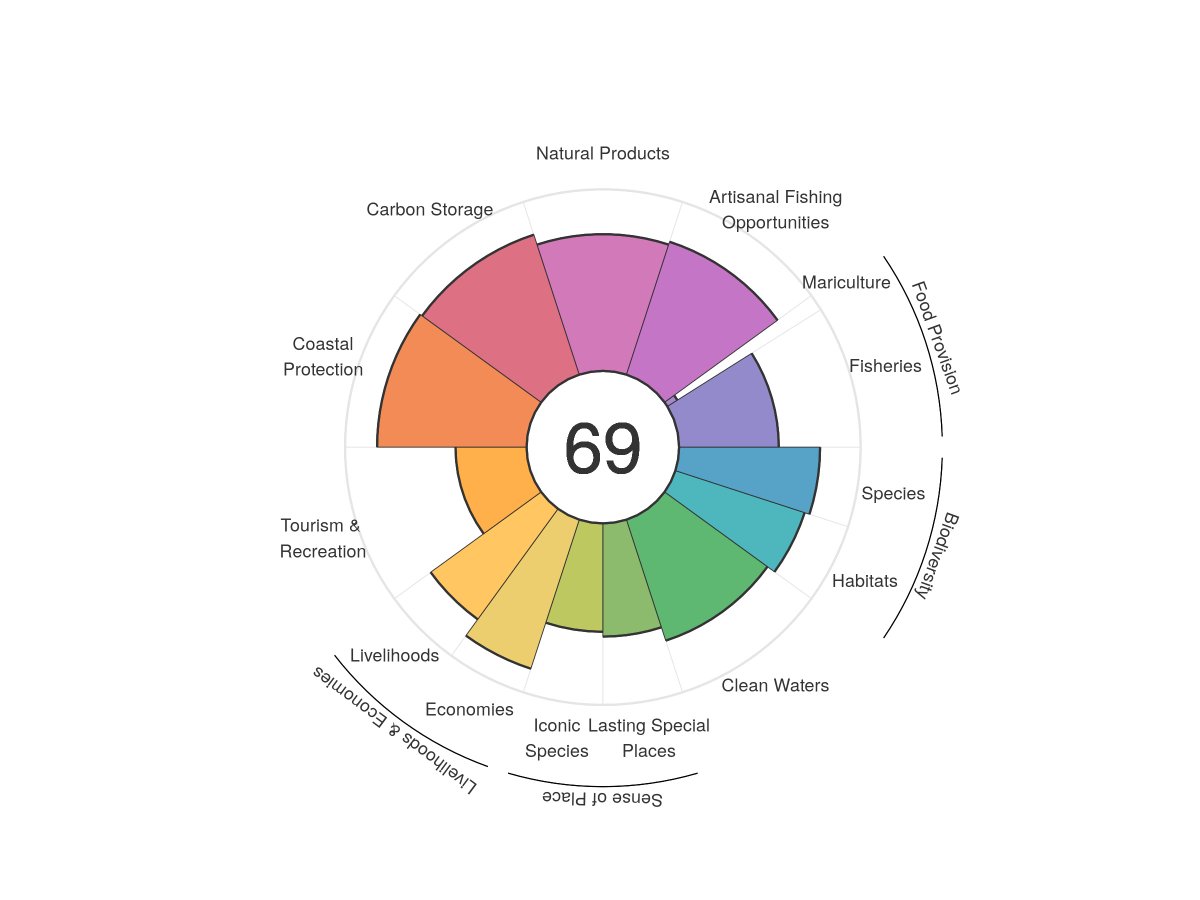
A healthy ocean is essential for a healthy planet. Scientists from @ucsb_nceas have measured the ocean biodiversity, ecosystem functionality, and marine life health for a global 2022 Ocean Health Index score of 69 out of 100. https://t.co/x6TKfPIZk0
Introducing this year's @OceanHealthIndx average score: 69/100. "It’s really amazing to watch a bunch of messy, highly diverse data get compiled, processed and analyzed...Each year is a new adventure that improves the way we manage and protect our oceans"
https://t.co/7Rxamzauw6
Check out the article, "Taking Ocean Vital Signs" from the @ucsantabarbara current on the 2022 OHI scores, the calculation process, and how the index has evolved over time! https://t.co/h9C0aWM0QK @ucsb_nceas
The 2022 Ocean Health Index Scores are in! The global average is a 69/100 - stable, but opportunities for improvement. Curious how ocean health has changed over time in your country? Further explore scores and methods: https://t.co/nJOhEKYM6R #oceans#OpenScience@ucsb_nceas
Welcome back @PeterFMenzies! Following a @BrenUCSB Masters in Environmental Data Science and an @OceanHealthIndx fellowship, Peter is joining us as a spatial analyst for @seasktch. He’s eager to apply his data science skills to help with global marine conservation. 🌊 #NewtoNCEAS
New paper out from members of the OHI team! Thanks @ZoologyDave for a great thread on the paper led by OHI founder @BSHalpern. The group spatially mapped the global pressures (disturbance, ghg, nutrients & water use) of agriculture, marine fisheries, and marine aquaculture.
We are thrilled to welcome back @juliet_s_cohen who transitioned from being an @OHIscience fellow to the @arcticdatactr data science team! Juliet is diving deep into Arctic satellite images, passionate about “making data more accessible and open to Arctic researchers” #NewtoNCEAS
Ever had to deal with hours of mind numbing manual file downloading and data transcription? OHI fellow @PeterFMenzies explains how to use #rvest, #purrr and #tabulizer to extract tables from highly formatted PDFs in R! #rstats https://t.co/BNIISVWb5w
Introducing a new habitat for OHI, tidal flats!! This year one of our fellows, Cullen Molitor, developed a workflow to download and analyze data created by @remotelysense on the global extent of tidal flat habitat. #rspatial#terra#raster https://t.co/AX1RDDLJwK