I built my last project entirely with Claude Code. I didn’t write a single line of code by hand.
It still took me nearly 3 months.
Why so long and not a day or week? Because building serious software has never been just about typing code.
Early on, there are tons of unknowns. As you build, test, and get feedback, you discover problems and requirements you couldn’t have anticipated.
I spent a lot of time reviewing Claude’s work, not line by line, but at a higher level: the approach, architecture, and design decisions. I constantly challenged it, debated its choices, and pushed for simpler, more robust solutions.
That’s software engineering.
AI helped me bring my vision to life without spending countless hours typing code, wrestling with syntax, searching through documentation, and figuring out the mechanics of how to implement things. Without AI, building this app would have taken me 5-6 months if not longer.
As I’ve said over and over, software engineering is not going away but AI is changing _how_ we build software. The tools are changing and the engineer’s role is evolving.
And this is why knowing how to build good software still matters.
You may not need to remember every API or piece of syntax anymore, but you still need to understand things like separation of concerns, coupling and cohesion, abstractions, data modeling, API design, error handling, security, performance, and testing.
When AI proposes an architecture, creates an abstraction, adds another layer, or introduces a dependency, you need enough engineering knowledge to ask: Is this actually necessary? Is there a simpler way? Will this scale? Is this secure? Will this become a maintenance nightmare six months from now?
AI can write the code. You still need to know what good code and good software look like.
I built my last project entirely with Claude Code. I didn’t write a single line of code by hand.
It still took me nearly 3 months.
Why so long and not a day or week? Because building serious software has never been just about typing code.
Early on, there are tons of unknowns. As you build, test, and get feedback, you discover problems and requirements you couldn’t have anticipated.
I spent a lot of time reviewing Claude’s work, not line by line, but at a higher level: the approach, architecture, and design decisions. I constantly challenged it, debated its choices, and pushed for simpler, more robust solutions.
That’s software engineering.
AI helped me bring my vision to life without spending countless hours typing code, wrestling with syntax, searching through documentation, and figuring out the mechanics of how to implement things. Without AI, building this app would have taken me 5-6 months if not longer.
As I’ve said over and over, software engineering is not going away but AI is changing _how_ we build software. The tools are changing and the engineer’s role is evolving.
And this is why knowing how to build good software still matters.
You may not need to remember every API or piece of syntax anymore, but you still need to understand things like separation of concerns, coupling and cohesion, abstractions, data modeling, API design, error handling, security, performance, and testing.
When AI proposes an architecture, creates an abstraction, adds another layer, or introduces a dependency, you need enough engineering knowledge to ask: Is this actually necessary? Is there a simpler way? Will this scale? Is this secure? Will this become a maintenance nightmare six months from now?
AI can write the code. You still need to know what good code and good software look like.
🚀 We’re live!
Meet Datalab. A collaborative platform designed for both dataset creators and users. Too often, data is scattered, hard to trust, or locked away. Datalab changes that.
Start exploring today: https://t.co/hwgzuTWfNL
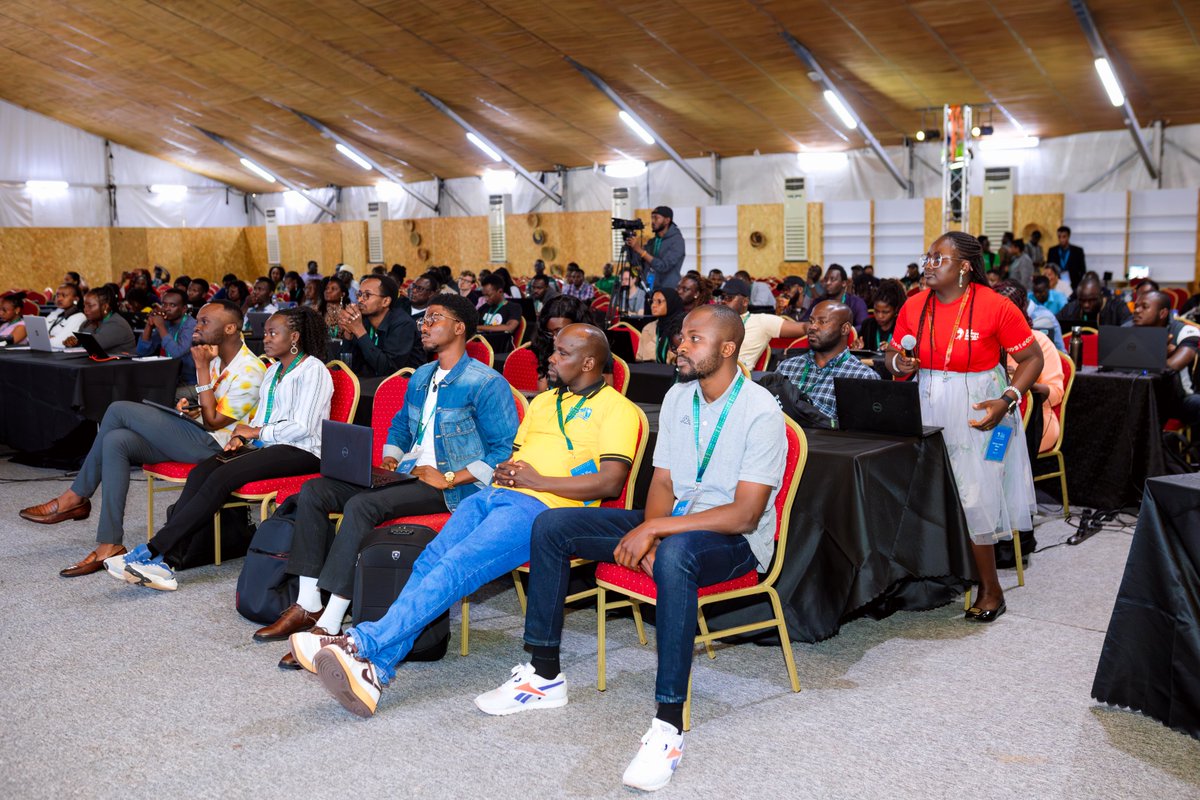
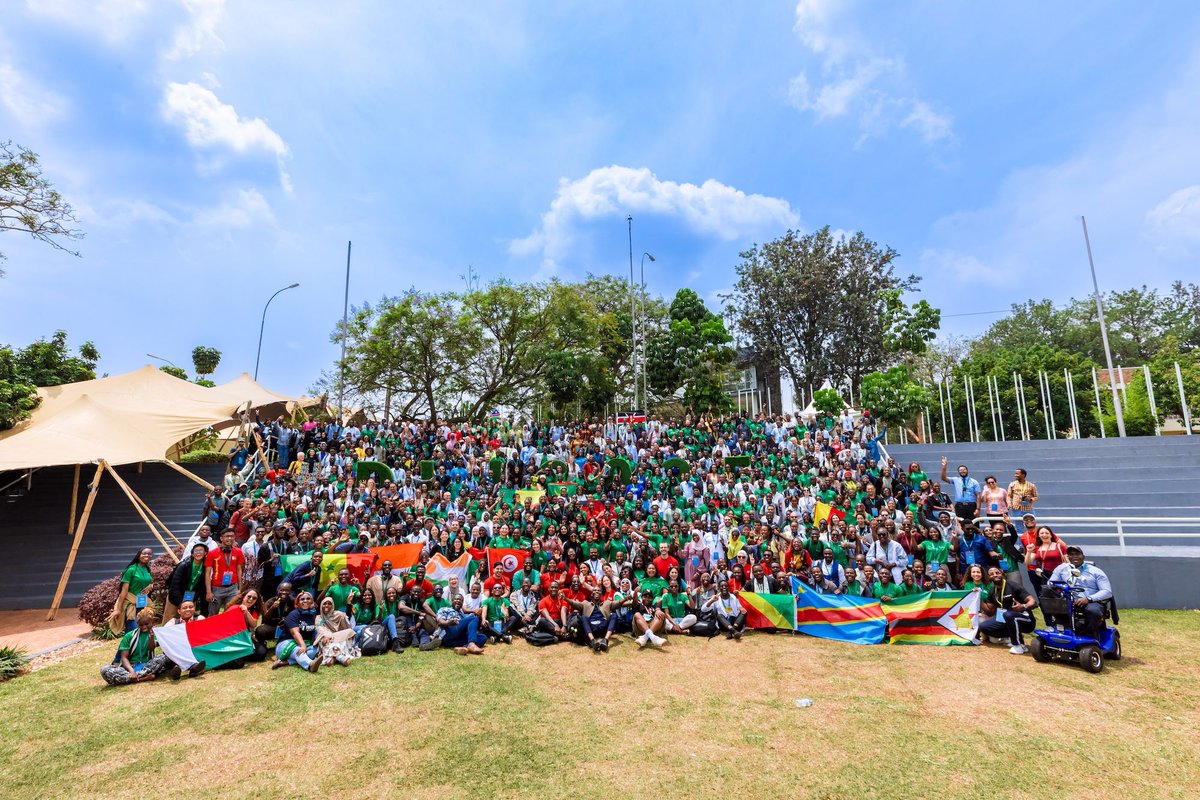
We gathered in Kigali 🌍 for the 2025 Deep Learning Indaba. Nearly 3,000 applied, 1,294 joined in person, 400 virtually. 6 days of AI research, debate, teaching & learning. From 300 in 2017 → to a pan-African Baobab tree. 🌳 #DLI2025@DeepIndaba
This year’s Deep Learning Indaba @DeepIndaba was special. I had the honour of giving a talk and joining panels on data and compute in Africa. Every time I share on these topics, I see more clearly how central they are to shaping our technological future on the continent.
Data is the lifeblood of AI, and yesterday's discussion on African Datasets was a powerful call to action for inclusivity and equity.
This initiative aims to bridge the data gap by building a robust repository of high-quality, African-relevant datasets. This is a vital step to empower local innovation, ensure the ethical use of AI, and develop solutions that address the continent’s unique challenges in health, agriculture, and language.
It's time to build a truly representative global AI landscape.
#DLI2025 #Indaba2025 #Urunana
Super excited to join #DLI2025, representing @datawise_AFR and showcasing our research dataset - Sheria Corpus.
Can't wait to connect, learn and build with the amazing AI community across Africa!
Unfortunately I will miss the first day of @DeepIndaba due to flight delays. But looking forward to meeting everyone from Monday afternoon. Find me at the compute workshop and Centring Data in African AI workshop. @__Obrian will also be around representing @datawise_AFR#DLI2025
We just launched SheriaCorpus V1 — a curated dataset of Kenyan court decisions to support legal NLP and civic transparency in Africa.
Explore it here 👉 https://t.co/zPnqXxdJXQ
@KevinNaughtonJr React or Next js for frontend, Django for backend.
I first learnt Django, later wanted to be a full stack dev so learnt React which eventually introduced me to Next Js.