@MaxPuliero Using the overlay method yields incorrect results. Notice how the sphere normal distorts and loses strength as the second normal map gets blended in. Using the "Reoriented Normal Mapping" method (Green) won't distort the underlying normals.
Beyond the Static: Deep in the woods...in the dead of night...An eerie research facility...And a device...That lets you peek...Beyond the static
https://t.co/7LlWPZDf4H by @tmpUnnamed
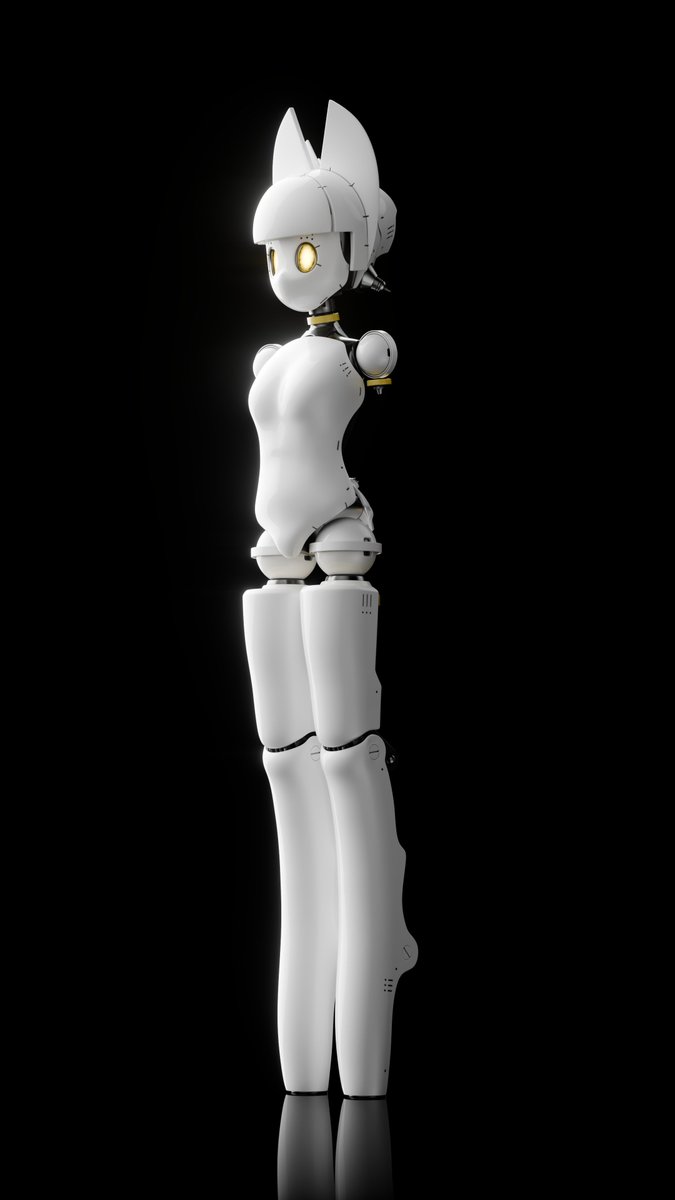
@D_Fastoss I have been following its development since the early beta and I have tried it a bit, but didn't get too deep into using it. This project was also aimed to practice and improve my topology skills and tackle my fear of creating characters
@artofsully You can totally use an image as the dither pattern! (Just make sure it's in linear color space) This way you can avoid doing the flipbook math and also get to have many more "frames"!
@artofsully@AmplifyCreates Dithering is conventionally done using a dither matrix with values depicting thresholds. Animations below are using a 16x16 Bayer matrix and Hilbert curve. It would be more efficient to use such a tiling matrix, and adjust the alpha clip threshold to get your desired coverage!