You are human beings, I'm a human being; you want a happy life, and I want a happy life. But I think that aim will not be fulfilled only on the basis of material values; what we all want is affection and what we all need is to be more warm-hearted.
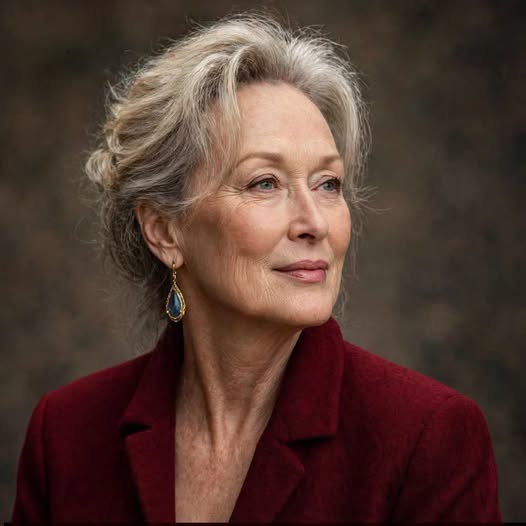
Meryl Streep aurait un jour confié :
« Je ne cours plus après l’attention, l’amour ou le respect. Je ne veux pas faire partie de la vie de quelqu’un simplement parce qu’il pense devoir me garder auprès de lui. Je veux être là parce qu’il me choisit sincèrement.
Si je dois prouver ma valeur, mendier de l’attention ou convaincre quelqu’un de se soucier de moi, alors je sais que je ne suis pas au bon endroit.
La vie est trop courte pour continuer à consacrer son énergie à des personnes et à des situations qui ne nous donnent rien en retour. Vieillir ne me fait pas peur. Ce qui me fait peur, c’est de me perdre moi-même simplement pour rendre les autres heureux.
Alors, aujourd’hui, je choisis la paix. Je choisis les personnes qui reconnaissent ma valeur sans que j’aie besoin de la réclamer. Et surtout, je choisis de rester fidèle à moi-même. »
#Merylstreep #lage #attention
Modern luxury is the ability to live quietly. No drama. No noise. No pretending to be someone you are not. Just living a low-key life that actually feels like yours. Reading good books. Listening to music. Staring at walls. Going for walks. Watching classic movies. Working on your purpose. Thinking about life and all. Feeling joy in ordinary things. Just that. That is peace.
하버드 대학교에서 무려 85년 동안 724명의 인간을 청소년기부터 노년기까지 추적 관찰하는 소름 돋는 실험을 진행함.
"결국 마지막에 가장 성공하고, 건강하고, 행복한 삶을 산 사람들의 공통점은 무엇인가?"
이에 대해 하버드 의대 정신과 로버트 월딩어(Robert Waldinger) 교수가 내린 결론은 돈도, 명예도, 학벌도 아니었음.
정답은 바로 양질의 관계였음.
Conoce al psicólogo número 1 del mundo:
Albert Bandura.
Dedicó su vida a investigar por qué unas personas actúan y otras se quedan bloqueadas haciendo lo mismo de siempre.
Aquí tienes sus 7 grandes lecciones para dejar de pelearte contigo mismo:
Parenting has zero influence on any psychological trait after age 21.
Dr. Russell Barkley is direct about the data. Twin studies show parental influence peaks before age 7, drops sharply after that, sits at just 6% by the teenage years, and hits zero once someone turns 21.
Genetics and out-of-home forces, peers, schools, neighborhoods, other adults, do most of the long-term shaping. What a child knows still comes from exposure. Their core traits, personality, and abilities largely do not.
This lands hard because so much modern parenting advice still treats every outcome as a direct result of home effort. The evidence points somewhere quieter: the biggest levers sit outside the house and outside our control.
The work of raising kids still matters. It just stops being the main author of who they become.
The more you optimize for happiness in childhood, the more you actually wire for anxiety in adulthood.
Dr. Becky Kennedy is right. Every time we rush to fix a kid’s upset, new toy, new plan, new distraction, we teach them hard feelings are emergencies that must end immediately. By adulthood the nervous system only knows two settings: full-on distress or full-off. No dimmer switch left.
That gap turns ordinary disappointment into panic. The feeling itself becomes the threat because it was never allowed to stay long enough to become familiar.
I want kids to know the dark is survivable, that they don’t have to scramble for the light the second it appears. That’s how the resilience muscle actually grows.