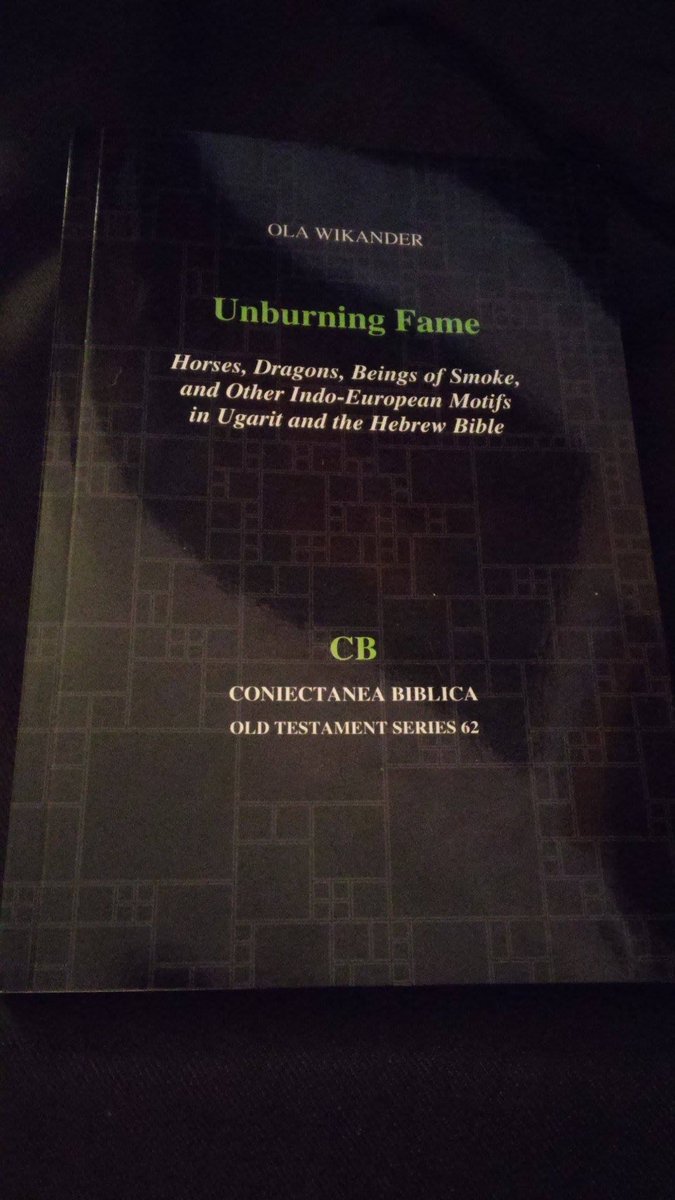
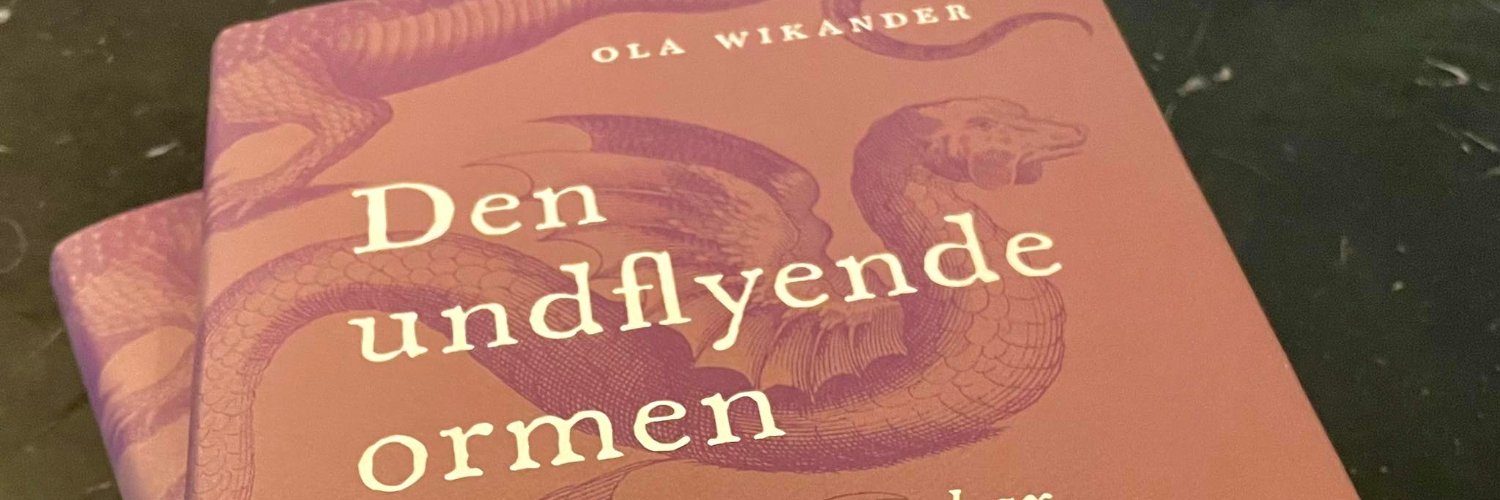
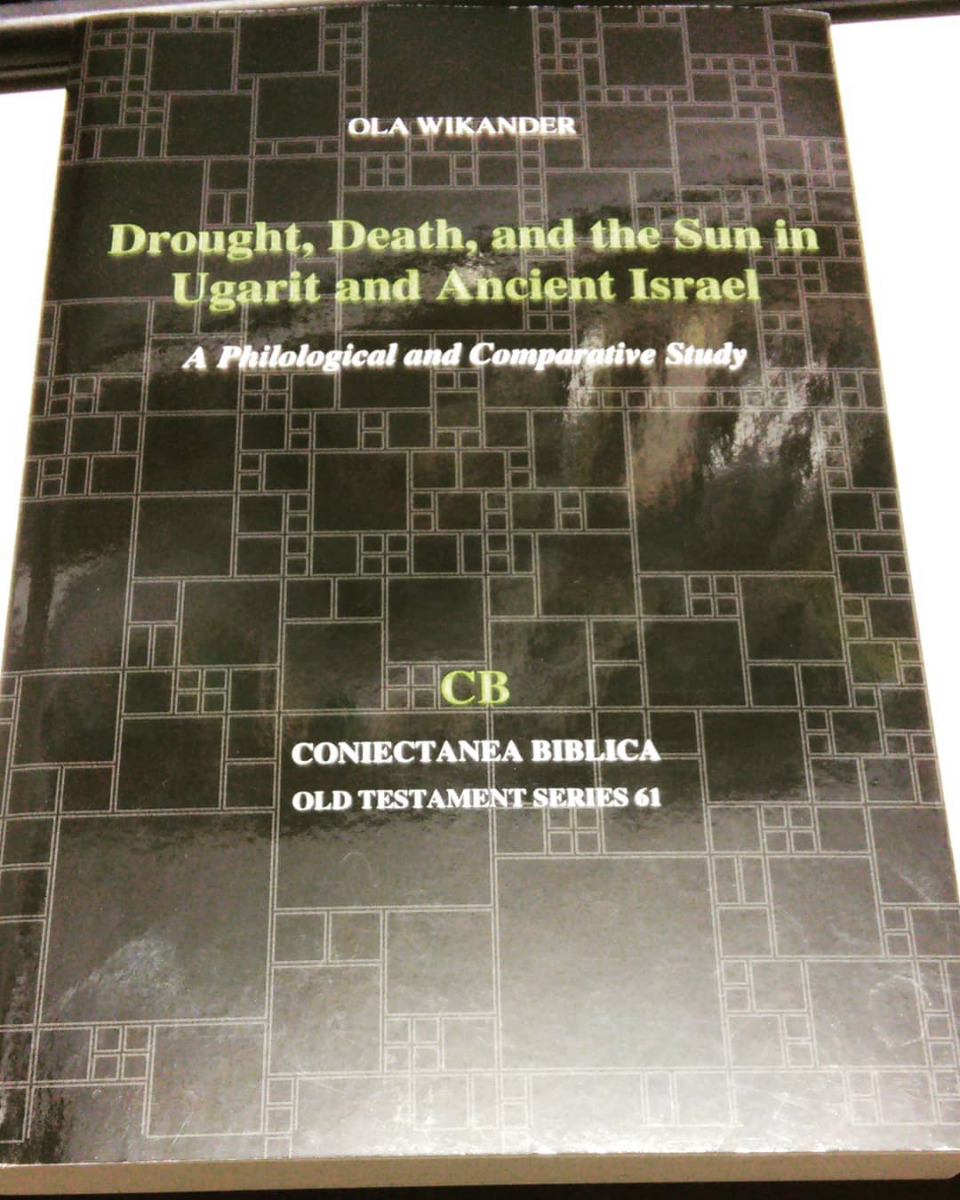
Updated list of my books, so far (thread)!
First:
Unburning Fame: Horses, Dragon, Beings of Smoke, and Other Indo-European Motifs in Ugarit and the Hebrew Bible (2017)
and
Drought, Death, and the Sun in Ugarit and Ancient Israel: A Philological and Comparative Study (2014)
Finally incorporating manuscript comments from OT/HB seminar sessions that took place back in 2022 and 2023 :-) .
Who said keeping old scribbled-over pieces of paper doesn't pay off, eh?
Drought in Northwest Semitic and Egyptian -- an Afro-Asiatic Poetic Inheritance?
A guest blogpost by @OlaWikander on the Afro-Asiatic Corner!
https://t.co/XEICadrARo
Berber and Semitic share many morphological and phonological similarities. Those similarities make me feel pretty good about reconstructing Proto-Afro-Asiatic (or at least Proto-Berber-Semitic). But good lexical matches are few and far between. A thread. #berber#semitic
A few green words of the day:
Various Semitic languages use the root *wrq for describing "green" and similar colors (e.g. Hebrew yārôq, various Arabic words from wrq, etc.). In Ancient Egyptian, the word w3ḏ, "green/blue", is probably related to the Semitic root.
I mean, obviously the Marvel (and most specifically, Agents of SHIELD!) self-learning robots imitating humans are called LMDs. Because it's from the Semitic root L-M-D, "to learn"! 😆
Wonderful, calm summer winds rustling through the trees under the afternoon sun, proving yet again that Sweden is a land of eternal frost and darkness.
@sccarlson Yeah; this is not common procedure for me at all, but it helped me get a grip on this one thorny issue. Maybe I'll do it more moving forward!
Just solved a really difficult philollogical problem. At least I think I did.
Writing the argument out in longhand really really helped! I could actually follow the reasoning from start to finish, believe it or not 😇!