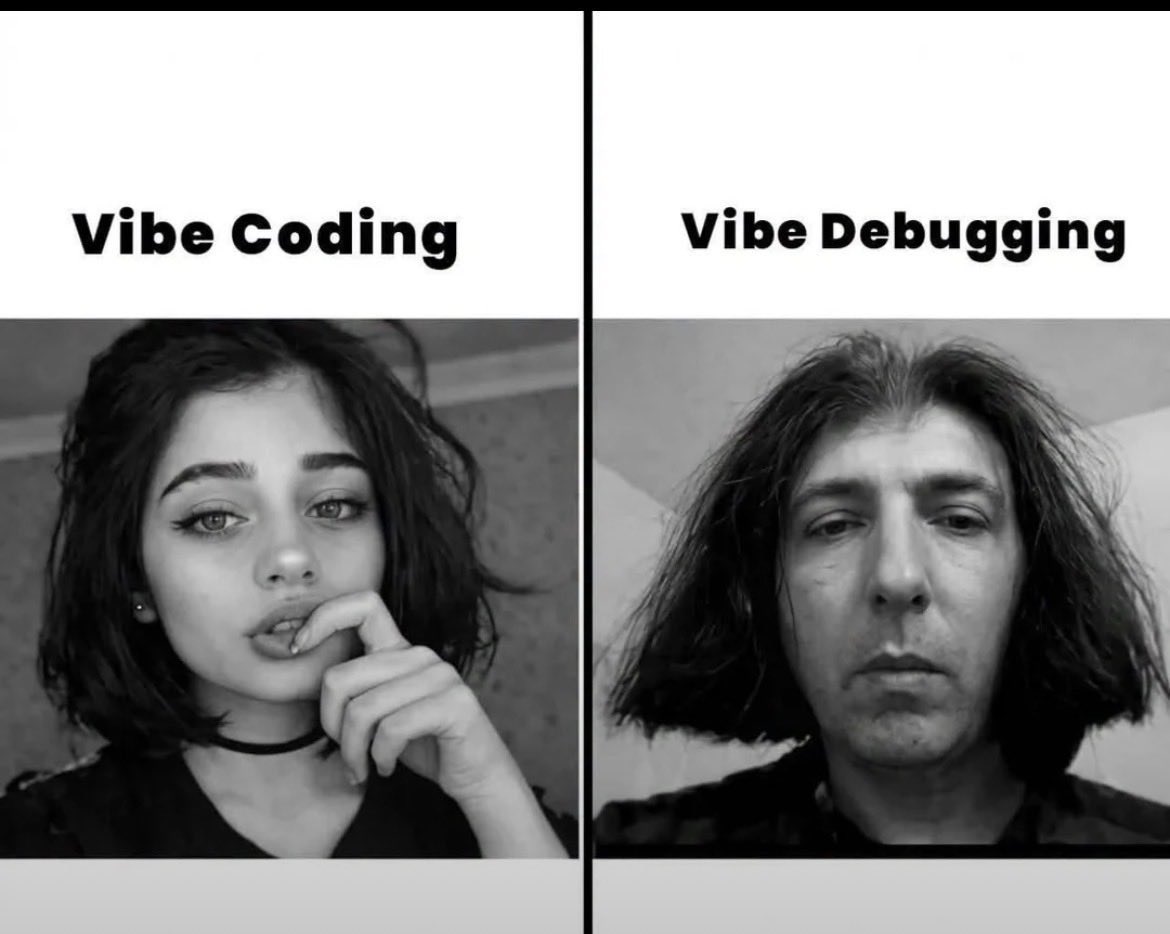
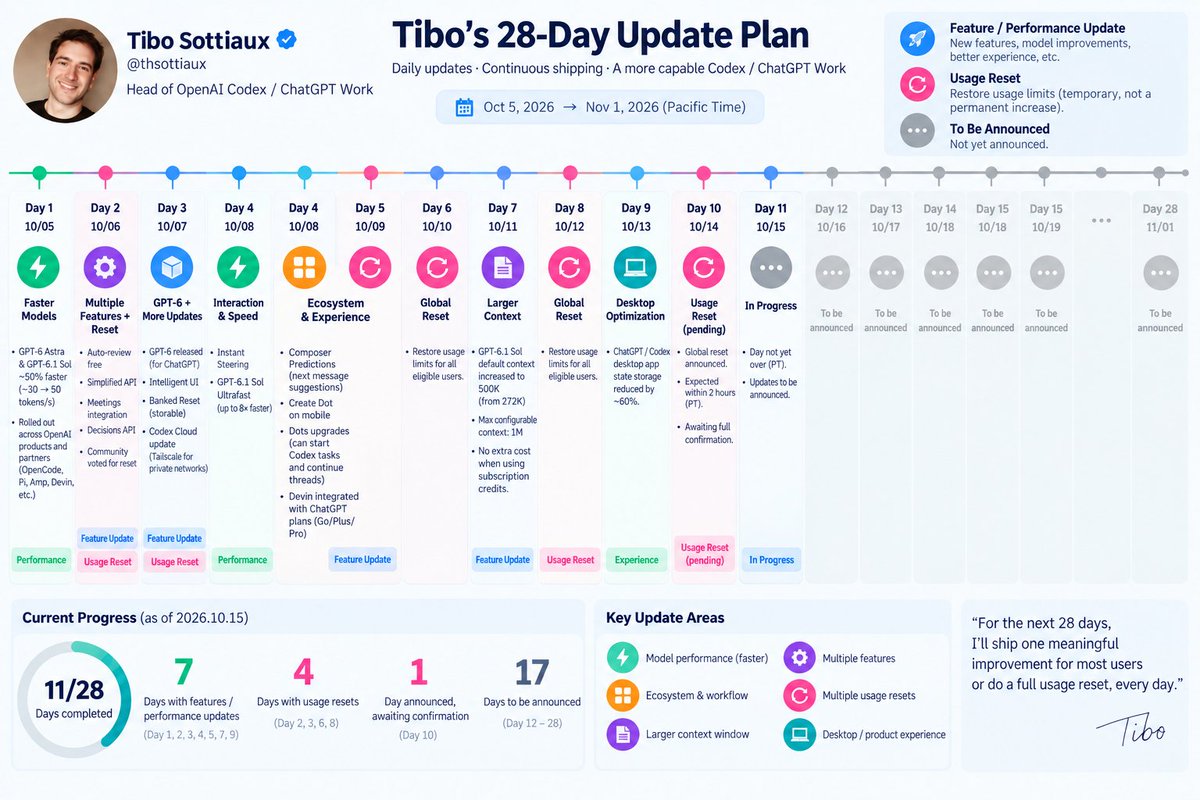
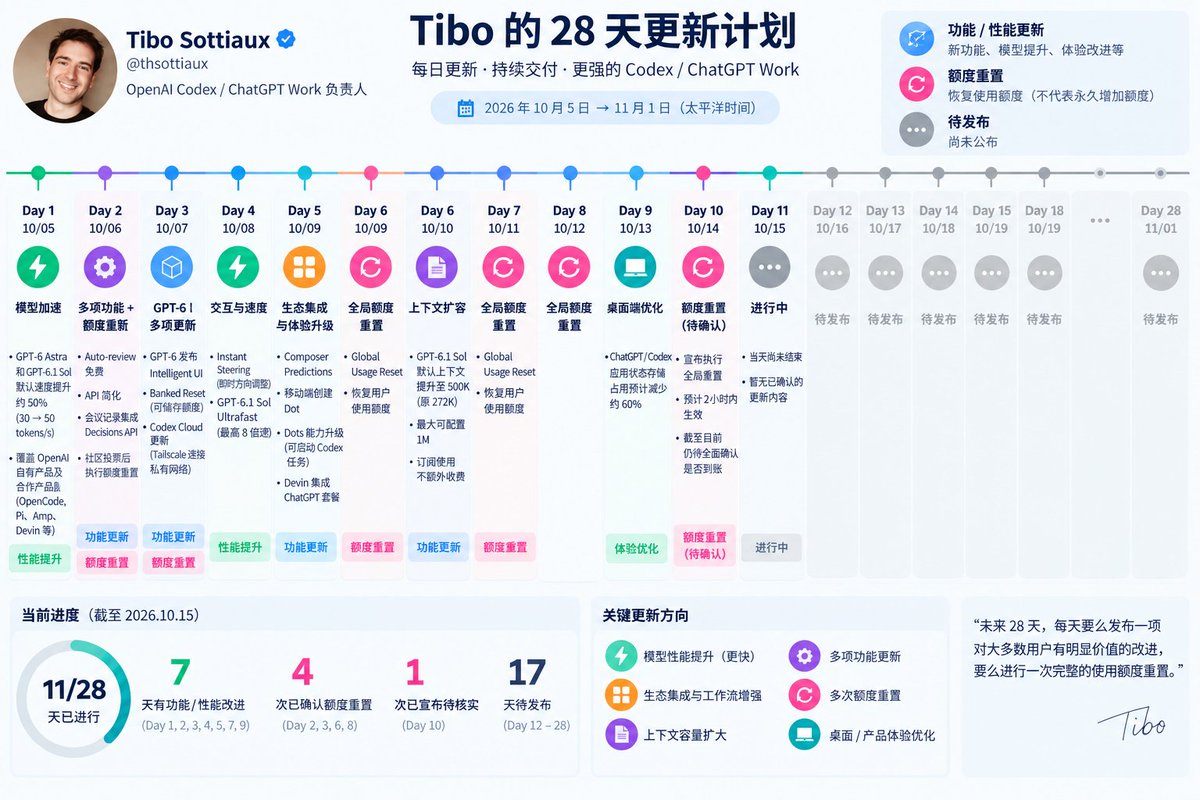
Winner announcement in 24 hours! We'll randomly draw 100 eligible winners with help from @grok. Make sure you follow us, like & repost to be in the running. Good luck! 🍀
Love it. 🥳
All my newsletters now go to my Grok email.
Grok reads, filters, and summarizes them for me on my terms.
Goodbye information overload.
Hello only the stuff that actually moves the needle.
Sound familiar? 😩
You ask an AI to code → it jumps straight in with no plan
Halfway through, context explodes and critical info is gone 🤯
Multiple agents edit the same files and overwrite each other 💥
It says “done” — but you have no real evidence it was actually verified ✅❌
Orchestrate v1.0.0 fixes this.
Parent agent owns the plan + final acceptance
Subagents investigate, implement, integrate, and fix
✅ Clear ownership
✅ Controlled parallel work (no conflicts)
✅ Evidence of completion required
✅ Context survives compaction
Just say orchestrate to use it 🚀
Pairs especially well with my three-loop-workflow skill
(Plan → Build → Close + independent review)
👉 https://t.co/FeoOPansl1
👉 https://t.co/VbdyWAYhzE
totally agree!
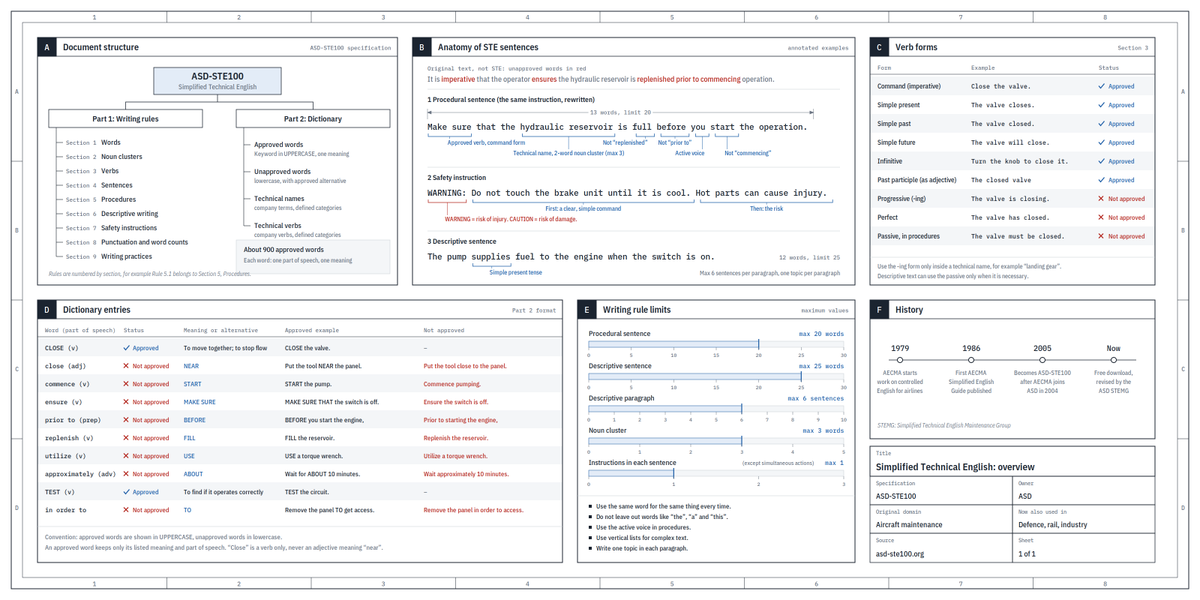
I have set STE as a must follow rule in my CLAUDE.md/AGENTS.md several months ago, and enjoy it a lot.
If you have time, I recommend you to download from https://t.co/fmSIK1etMv , and read the document by yourself, it’s free and useful.
We'll be spending a lot more time trying to understand the outputs of language models. A few thoughts, tips & tricks:
Writing. Something I've had success with: Ask your LLM to explain something in ASD-STE100, it's a controlled language specification originally developed for aerospace maintenance documentation. LLMs well-versed in this language and it comes with heavy constraints on clean writing style that I often find a lot more readable. Sometimes I've tried to soften it a bit e.g. ask for "80% of the way to ASD-STE100" because the spec is quite stringent. But even better:
Diagrams / images. Instead of writing, ask your LLM to create a diagram. These can be a lot easier to process, parse, and understand. But even better:
Web pages. Ask for output "in HTML" to get a beautiful, interactive webpage. LLMs are getting really good at frontend and can create beautiful experiences, animations, etc. But even better:
Explainer videos. The output format I am most bullish on is fully custom / bespoke explainer videos generated on any arbitrary topic. Experiment with things like "Create a 3b1b style video explainer on X. Use my ElevenLabs API key for audio narration". (you'd need an API key for the latter or you can ask your LLM to find you decent free alternatives that use your local compute). This is actually starting to work!
In summary:
- As LLMs get better, they will do more and more of the legwork autonomously, and a lot more of our work will rise up the abstractions into oversight and understanding.
- Luckily, LLMs can help here too because as intelligence and code are increasingly abundant, you can ask for large, custom, discardable software artifacts (e.g. web apps, video explainers) that would have never made sense to create before. Push the boundaries here and you'll be surprised.
Looking for an x86, portable, Linux-friendly laptop.
No ARM. Prefer something light that just works on Ubuntu/Fedora (suspend, Wi-Fi, fingerprint).
What are you actually using in 2026?
This isn’t just a Fable trick.
Same split works anywhere the best model is scarce: Claude Code, multi-agent setups, research pipelines, support bots, internal tools.
Put the expensive model on decompose / assign / review. Put cheaper agents on the labor.
The scarce model lasts longer because it stops doing work it didn’t need to touch.
Fable is the model you actually want.
It’s also the one that dies first.
Two real sessions and the 5-hour bar is gone. Sometimes 30 minutes. Then you’re on Opus, pretending that’s fine.
Paste this at the top:
Work only as an orchestrator. Do not do the actual work. Split the request into practical tasks, assign each to a suitable model, then review and accept the results.
You keep the judgment. You stop burning the quota on drafts.