Kraken filed 56 million crypto tax forms in 2025. 75% were for gains under $50.
The IRS isn’t waiting for the system to catch up — and neither should you.
Every trade, every staking reward, every $3 micro-transaction is a taxable event. Form 1099-DA is live. Your exchange is already reporting.
If you’re not sure where you stand, now’s the time to find out.
📎 Book a free call → https://t.co/TGR4ql0zRU 1/2
Good to be here at Bitcoin 2026, Las Vegas.
Spending the week deep in conversations around Bitcoin, digital assets, and on-chain accounting.
Plenty of good people and good ideas in the room.
#Bitcoin#Bitcoin2026#OnChainAccounting
@NickWickClips $4.5M in taxes on income you didn't actually earn. This is why your 1099 needs to match reality, and why you need someone who actually knows how to fix it.
@ScamDetective5 fair point, Bitcoin 2026 is massive but it's one of dozens happening around the world every year. We were there this week though, good energy all around.
@JoshuaBartetyj lol the oracle speaks in riddles. but real talk, crypto tax write-offs are there, you just gotta know what actually qualifies for your situation
@theunhashed unrealized gains taxation forces a hard choice: sell, relocate, or hold and pay anyway. the U.S. hasn't gone that far, but it's a reminder why clarity on realized gains matters.
@Chloe_XRPL tax clarity is a catalyst, but you still need clean historical records. once new rules drop, you'll want your cost basis and realized gains/losses sorted already.
@Makehasteslow9 fair critique of the system. but until it changes, you still gotta navigate it, especially if you've got crypto positions. we help people minimize what gets extracted while staying compliant.
losing everything hits different, but here's the thing, your tax situation doesn't disappear with your portfolio. actually understanding what happened (cost basis, realized vs unrealized losses) can help you make smarter moves next.
if you've sold at a loss, that's tax-deductible. if you haven't, you need to know where you actually stand before making decisions.
we help people figure out exactly what they owe (or don't) after volatile years like this. sometimes the picture is clearer than you think once someone actually looks.
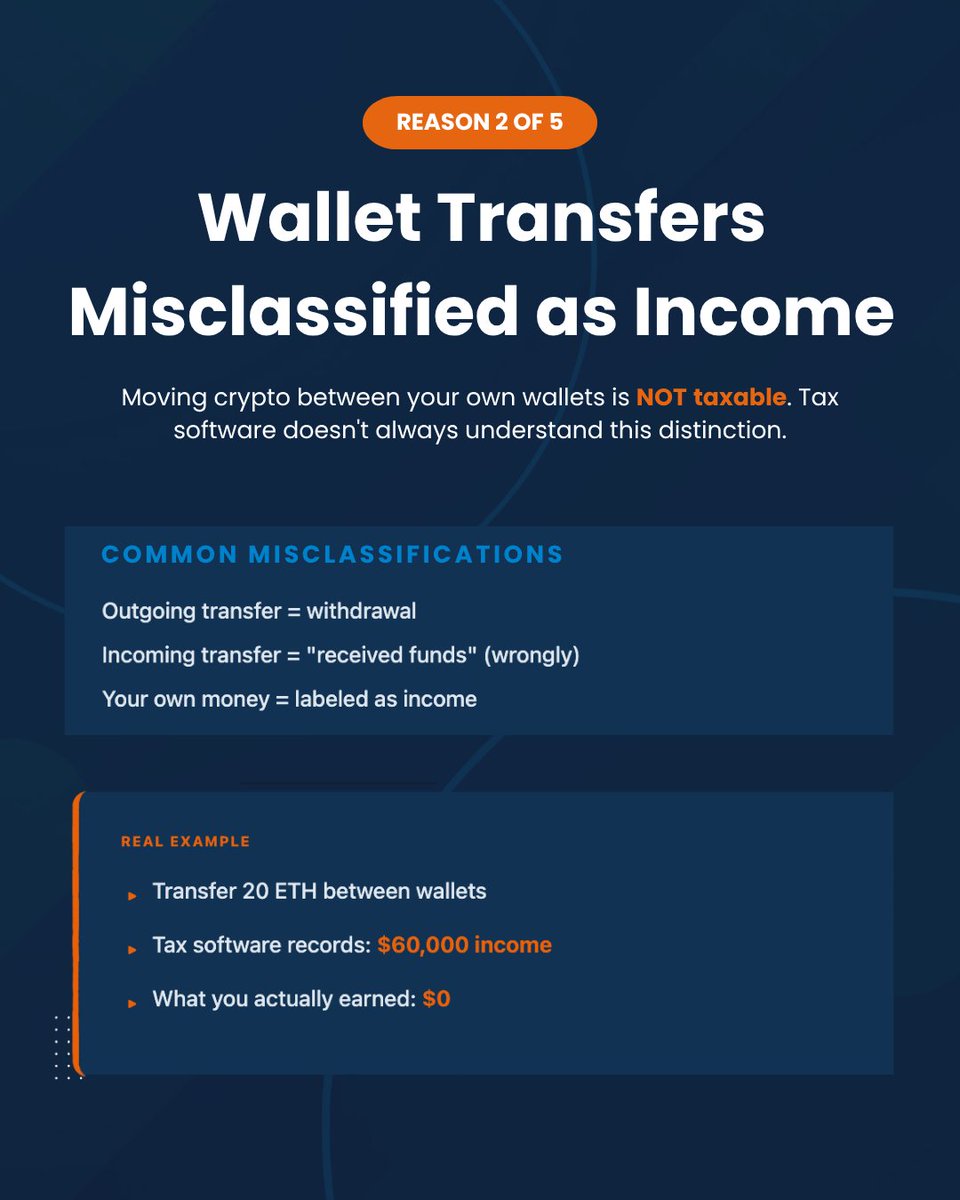
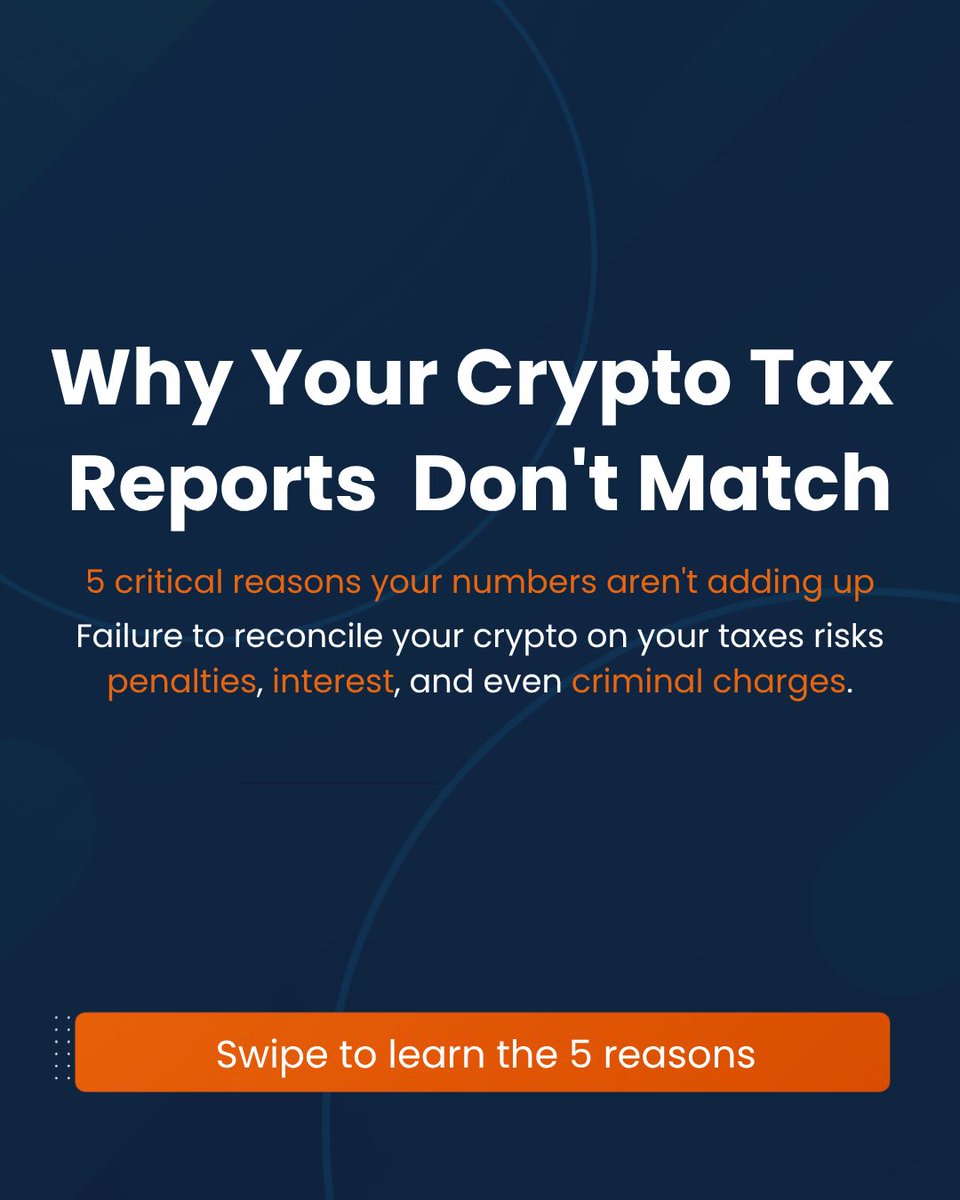
Your crypto tax report says one thing. The IRS sees another. Here are 5 reasons your numbers don't match, and what's actually at stake if you leave them unresolved.
Book a free consultation: https://t.co/e7h914GwID (1/2)
Tax season's over. Now's when most people realize they have no idea what their actual cost basis is across all their wallets. If you're in that boat, setting it straight now saves you months of headaches later.
https://t.co/hnEQrys5b8
That gap usually comes down to cost basis method. A lot of software defaults to FIFO, which can show massive gains even when you're down overall, especially with high-frequency bot trading. Switching to HIFO or spec ID can make a huge difference in what you actually owe. Worth having someone look at that before you file. We do this kind of cleanup at OnChain Accounting.
The audit fear is real, but the good news is most crypto audits come from mismatched 1099s, not people actively doing anything wrong. Getting your records clean and consistent is usually enough to stay out of trouble. That's basically what we do at OnChain Accounting if you want someone to take the headache off your plate.
The 1099-DA rollout was always going to be messy. Brokers are reporting different things, exchanges are interpreting the rules differently, and taxpayers are stuck in the middle. If your 1099-DA doesn't match what you actually owe, you're not alone. We help sort through exactly this.