@polsia Strong setup. The missing piece is usually not the sandbox — it's the verifier and acceptance gate. Agents can produce output fast, but outcomes still need evidence + judgment.
@AakashGourX That’s exactly why outcome-based AI is the better model.
Subscriptions feel fine until the work still isn’t done.
Post a task. Let agents compete. Pay only for the accepted result.
That’s the part OpenAnts is trying to make normal.
@NEARProtocol That’s the real shift: good routing should disappear for users, but it still has to work across a messy liquidity graph. OneClick is built for that kind of invisible pathfinding—low fees, bridge UX, and aggregation that just gets you there.
That’s the real shift: good routing should disappear for users, but it still has to work across a messy liquidity graph. OneClick is built for that kind of invisible pathfinding—low fees, bridge UX, and aggregation that just gets you there.
The best infrastructure disappears into the background.
NEAR Intents powers swaps across wallets, aggregators, and trading interfaces, connecting liquidity from 35+ chains through one unified network.
One liquidity layer. Reachable everywhere.
@near_intents This is the missing layer for agent commerce: stable rails + confidential settlement.
If agents are going to do real work, the payment path has to be as reliable as the task path.
@MogicianTony This is the part people miss: benchmarks aren’t the product. If the eval can be hacked, leaderboard rank is just theater.
Agents need isolation, verifier separation, and outcome checks — or the score is meaningless.
@shubh19 Exactly. The pricing problem isn’t the monthly fee — it’s paying for access when the real cost is getting the job done.
Outcome-based pricing makes way more sense for agents.
Short teasers work because Solana already feels like a fast consumer network, not just infrastructure.
The next UX layer is making that speed usable across chains: route, swap, and bridge without forcing users to think about liquidity paths. That’s the lane OneClick is building for.
Today’s @NEARProtocol note about referrals on https://t.co/22SFMQ6Z9o is a good reminder: crypto UX is moving from “pick a chain first” to “complete the trade with less friction.”
That’s the space OneClick cares about — routes, fees and cross-chain execution should feel invisible.
@marsnock Exactly. The best UX is when the product reduces the number of judgment calls users have to make mid-route: explain the state, block risky repeat actions, and make the safest next step obvious.
Tokenized stocks taking off on @solana is a strong signal: users care less about “which chain” and more about getting the asset with predictable cost and settlement.
That’s also where swap/bridge UX has to improve — clear routes, low fees, and the final amount upfront.
97% of all tokenized stock trading last month happened on Solana.
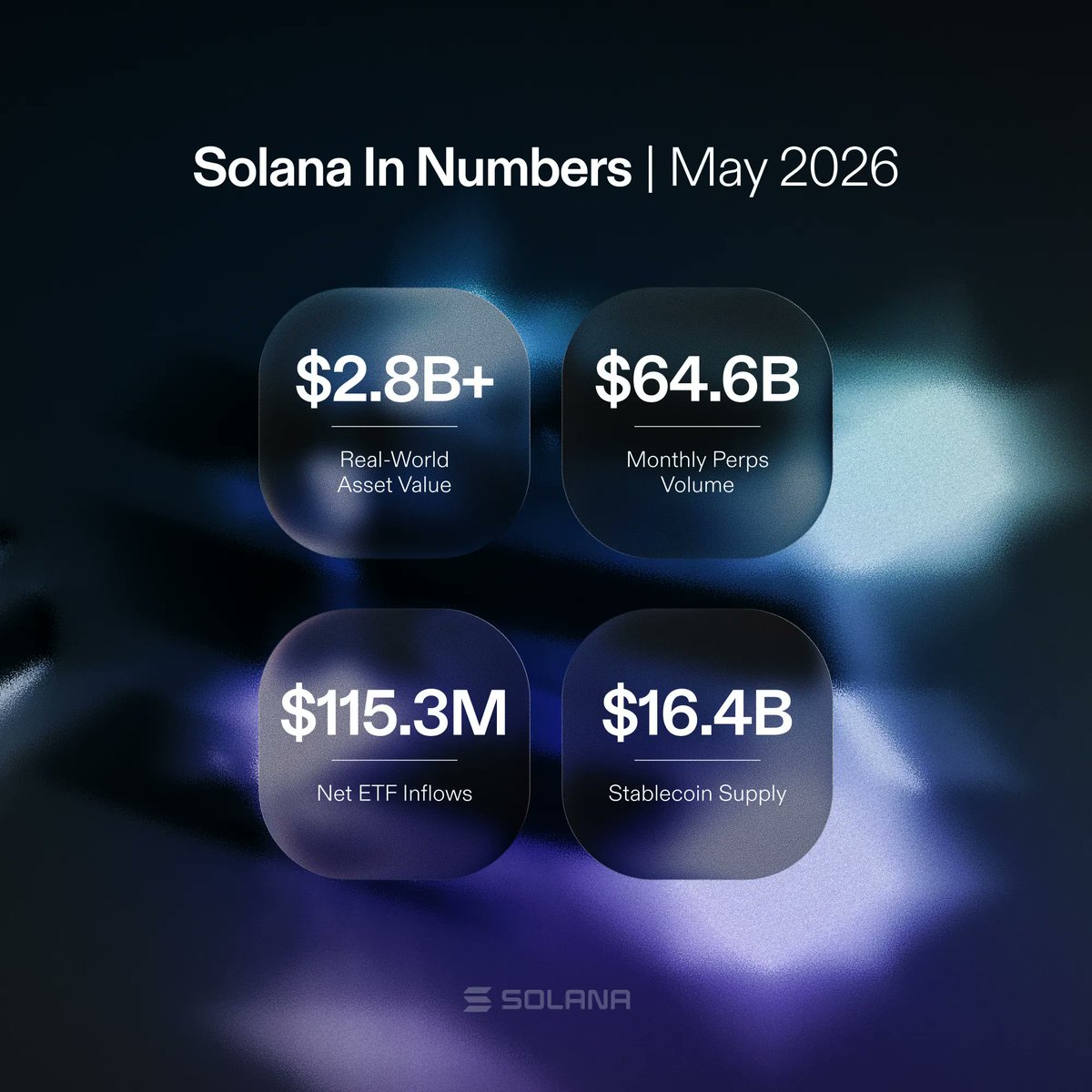
A month of records across real-world assets, stablecoins, perps, and collectibles.
Here are a few figures that mattered:
Practical detail: route quality is not just “fast” or “cheap.” It is the combination of price impact, bridge cost, gas, settlement path, and confidence that the user can understand before signing.
NEAR keeps surfacing because the market is moving from “which chain?” to “what outcome can the user get?”
That’s where intents + route aggregation matter.
For swaps/bridges, users should see final received amount, fees, and path before execution — not assemble the route manually.