Myocardial injury in #COVID19, many potential mechanisms:
🫀myocardial DO2/VO2 imbalance
🫀ARDS & MV
🫀cytokine storm
🫀direct viral lesion.
Variable clinical presentations, with high complications rates, mortality & risk of long-term cardiac impairment.
https://t.co/wxPDDrtEoY
@screamingmd As a culture, we are not prepared for the long term consequences to healthcare workers. Those who don’t know don’t know and can’t understand.
if COVID is going to become endemic, we will need more ICU nurses, more respiratory therapists, and more ICU beds. COVID patients often spend weeks-months in ICU, so even a small number can strain available resources.
A proportion of lung cancers are hereditary. This includes patients with Li-Fraumeni syndrome and patients with EGFR-associated genetic susceptibility. They are mainly young patients with adenocarcinoma regardless of smoking history. https://t.co/naaIt6rJwV
Food for thoughts from Dr. @FrancisKLChan 's lecture. Very informative and thorough discussion on the approach to a patient with GI Bleeding
#SLMCPrimePlus
Dr. @FrancisKLChan also shares that all IV PPIs given as ⬆️dose ♾ drips are equal w/ regards to saturating proton pumps and therefore, efficacy in preventing GI bleeding and there is no data with regards of interaction with DOACs.
#slmcprimeplus#MedTwitter#MedStudentTwitter
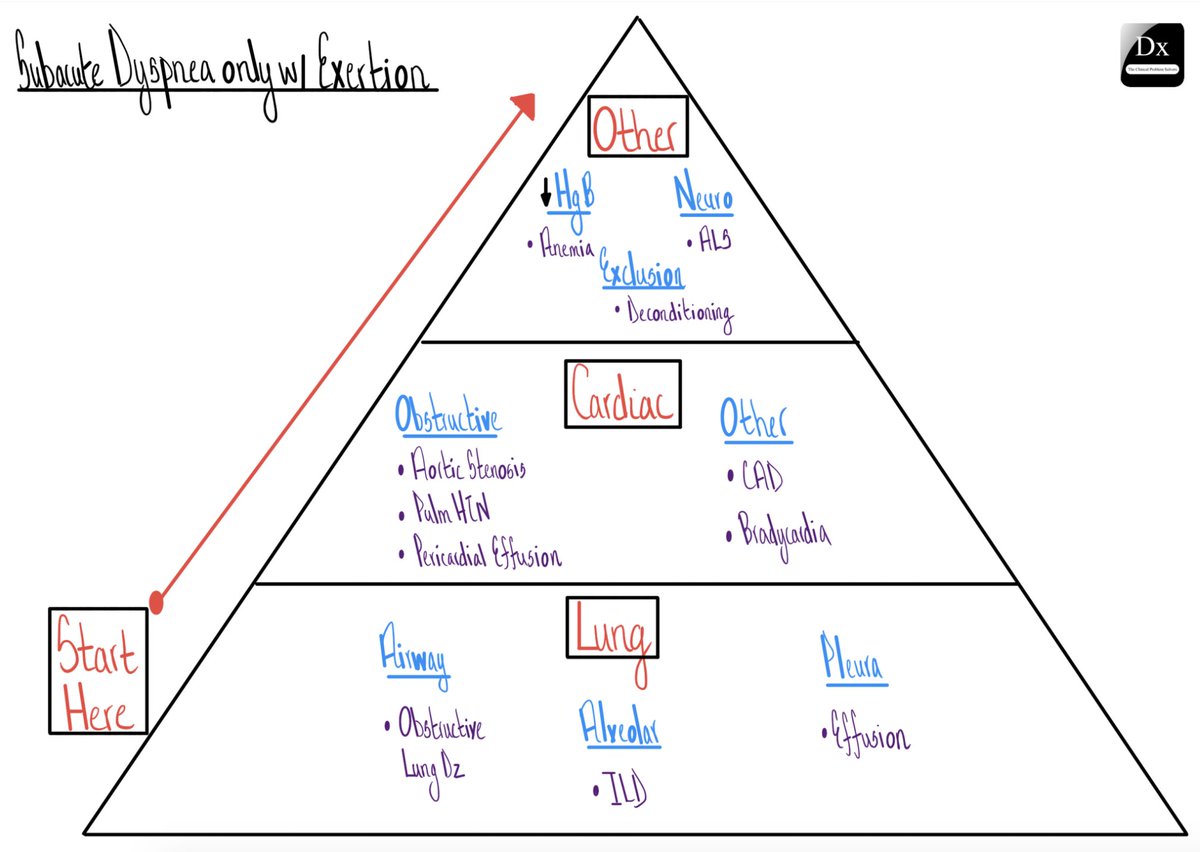
this schema DOEs a great job of presenting an approach to subacute Dyspnea On Exertion!
#Medtwitter, check it out!
Find it on the website here: https://t.co/GEjAq6F3eu
And on the app here: https://t.co/8ZbwOY7Qan
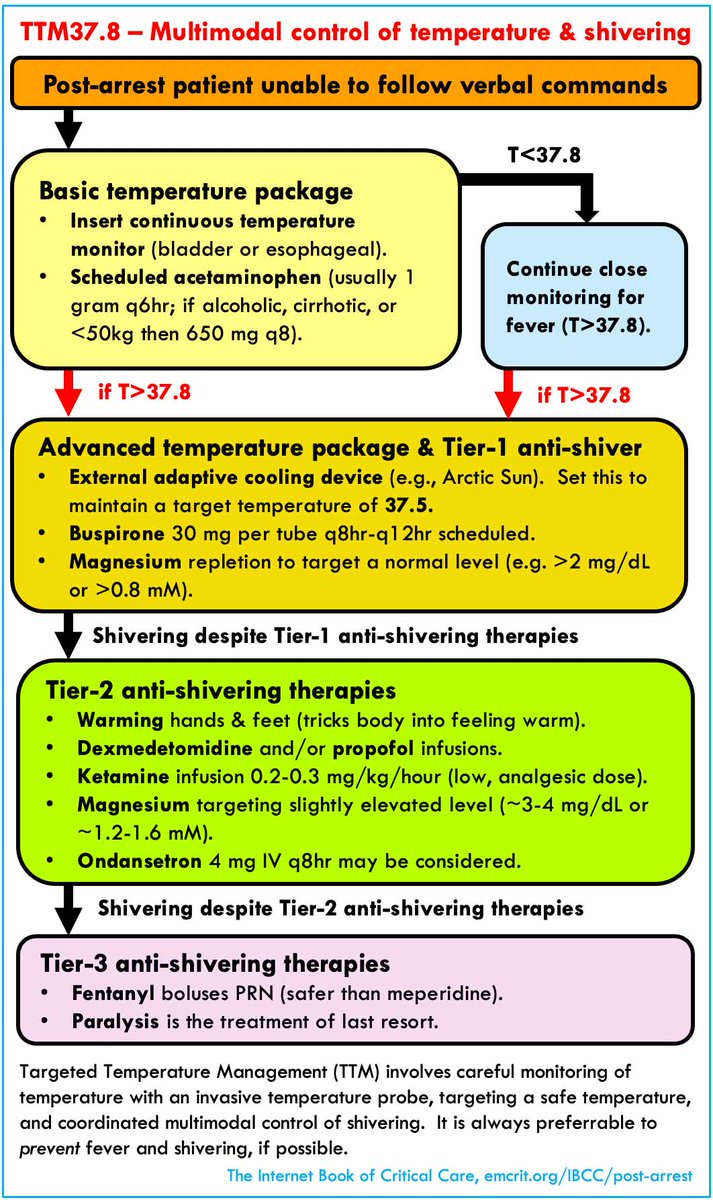
Post cardiac arrest chapter updated!
❄️hypothermia is gone, but avoidance of fever remains critical
❄️integrated, multimodal strategy for management of fever & shivering may limit need for opioids & paralytics
❄️continuous invasive temp monitor still key
https://t.co/8onzzNrGTE
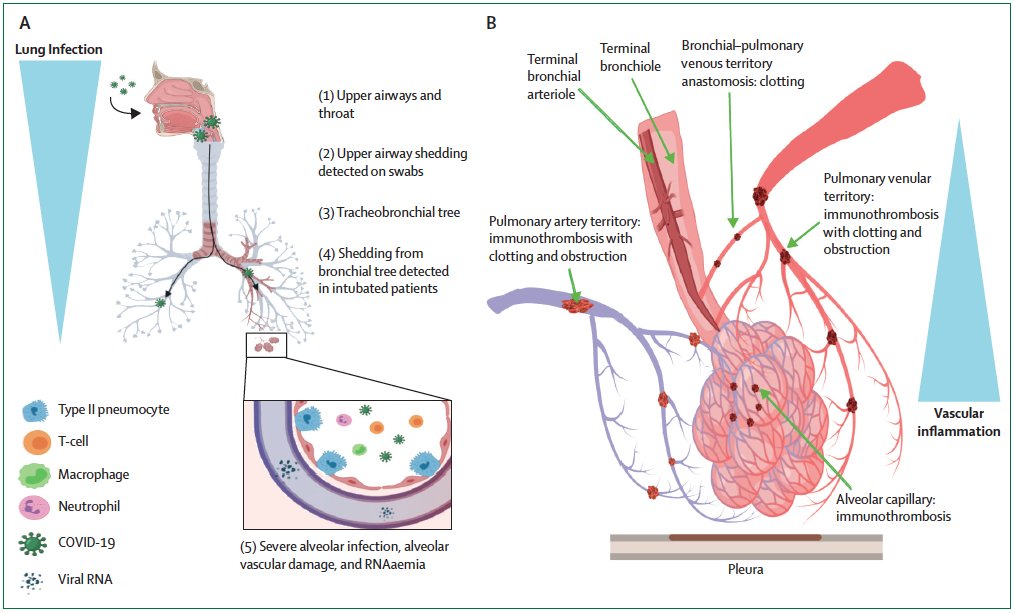
The three oxygen inputs to the lung are compromised in COVID-19: direct alveolar oxygenation, pulmonary circulation and the bronchial artery circulation @TheLancet https://t.co/7ewR7p9cD3