@YouSysAdmin subagents. і контекст економить, і можна на дешевшу модель відправляти. якщо з кодом - можна спробувати https://t.co/oRnkZ2zSfr підрубити для економії
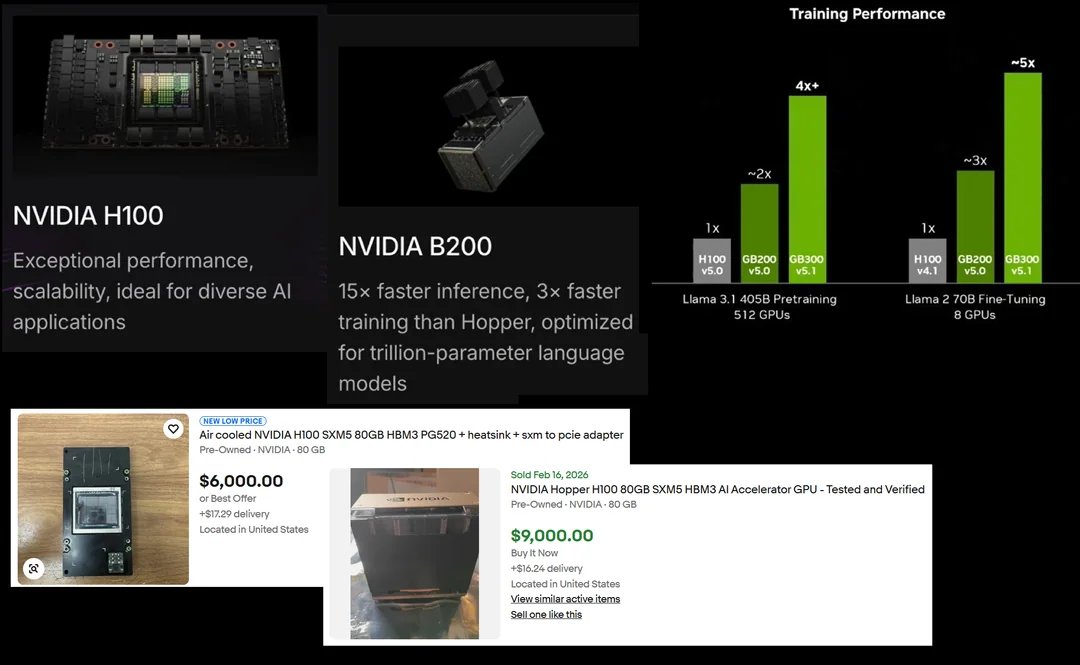
🦔 H100 GPUs that cost $40,000 new are now selling for around $6,000 on eBay, an 85% drop. The math on why is straightforward: it costs about 11x as much to run an H100 for inference as a B300. Anyone running H100s needs to charge dramatically more than competitors on newer hardware.
Upgrading isn't simple either. At a $50,000 price tag for a B200, it takes about 33 months to break even on the upgrade from an H100. And the B300s are already making B200s less attractive.
My Take
I've been covering the depreciation problem in AI infrastructure for a while now. Companies are booking these GPUs on five to six year depreciation schedules when Nvidia releases new generations every two years. Michael Burry flagged Big Tech lengthening depreciation timelines as suspicious because it hides the real losses. A hedge fund manager I wrote about found that industry insiders estimate actual component lifespans at 3-10 years, but the economics don't work at any of those numbers.
The hyperscalers are sitting on hundreds of thousands of GPUs that lose value every time Nvidia announces something new. David McWilliams called them "digital lettuce" because they go stale while you're still installing them. The difference between what the books say these assets are worth and what you could actually sell them for is enormous. At some point that gap has to be reconciled. H100s selling for 85% off on eBay is a preview of the writedowns coming to earnings reports.
Hedgie🤗
Last quarter I rolled out Microsoft Copilot to 4,000 employees.
$30 per seat per month.
$1.4 million annually.
I called it "digital transformation."
The board loved that phrase.
They approved it in eleven minutes.
No one asked what it would actually do.
Including me.
I told everyone it would "10x productivity."
That's not a real number.
But it sounds like one.
HR asked how we'd measure the 10x.
I said we'd "leverage analytics dashboards."
They stopped asking.
Three months later I checked the usage reports.
47 people had opened it.
12 had used it more than once.
One of them was me.
I used it to summarize an email I could have read in 30 seconds.
It took 45 seconds.
Plus the time it took to fix the hallucinations.
But I called it a "pilot success."
Success means the pilot didn't visibly fail.
The CFO asked about ROI.
I showed him a graph.
The graph went up and to the right.
It measured "AI enablement."
I made that metric up.
He nodded approvingly.
We're "AI-enabled" now.
I don't know what that means.
But it's in our investor deck.
A senior developer asked why we didn't use Claude or ChatGPT.
I said we needed "enterprise-grade security."
He asked what that meant.
I said "compliance."
He asked which compliance.
I said "all of them."
He looked skeptical.
I scheduled him for a "career development conversation."
He stopped asking questions.
Microsoft sent a case study team.
They wanted to feature us as a success story.
I told them we "saved 40,000 hours."
I calculated that number by multiplying employees by a number I made up.
They didn't verify it.
They never do.
Now we're on Microsoft's website.
"Global enterprise achieves 40,000 hours of productivity gains with Copilot."
The CEO shared it on LinkedIn.
He got 3,000 likes.
He's never used Copilot.
None of the executives have.
We have an exemption.
"Strategic focus requires minimal digital distraction."
I wrote that policy.
The licenses renew next month.
I'm requesting an expansion.
5,000 more seats.
We haven't used the first 4,000.
But this time we'll "drive adoption."
Adoption means mandatory training.
Training means a 45-minute webinar no one watches.
But completion will be tracked.
Completion is a metric.
Metrics go in dashboards.
Dashboards go in board presentations.
Board presentations get me promoted.
I'll be SVP by Q3.
I still don't know what Copilot does.
But I know what it's for.
It's for showing we're "investing in AI."
Investment means spending.
Spending means commitment.
Commitment means we're serious about the future.
The future is whatever I say it is.
As long as the graph goes up and to the right.
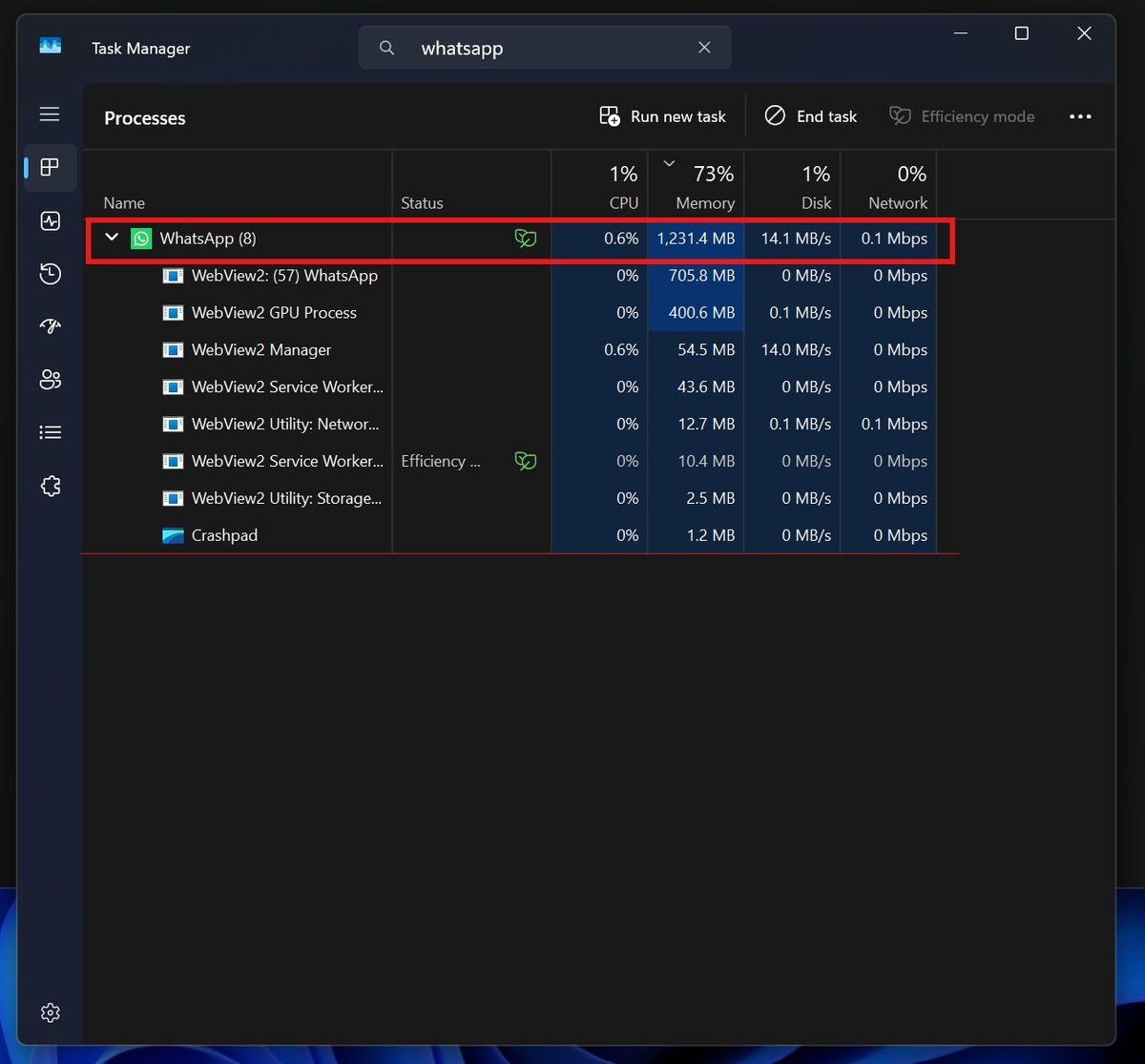
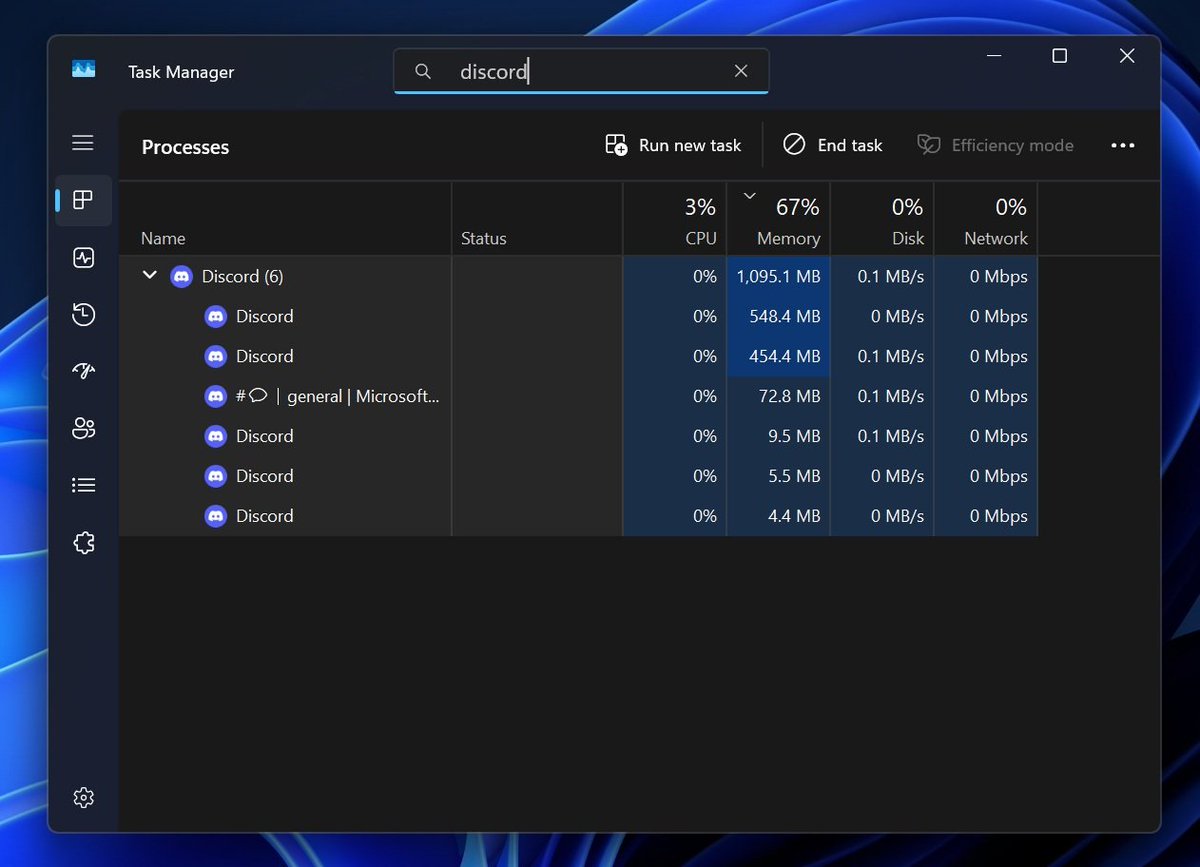
The state of popular Windows 11 apps and their RAM management is concerning, especially as RAM prices continue to rise.
1. Discord is always 1GB and even hits up to 4GB
2. WhatsApp is now a web app, not a native app, and RAM usage is frequently 1GB
3. Microsoft Teams, also a web app, uses 1GB+ RAM
Is it really that difficult to build native and resources-optimized apps for these companies?
This is one of the most underrated papers from the last few months.
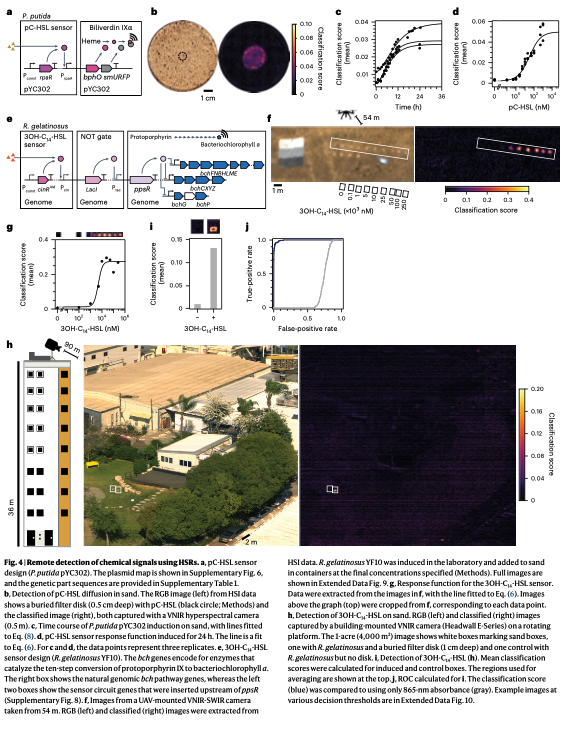
TL;DR: MIT scientists engineered bacteria that can be seen from hundreds of feet away, using drones or satellites, with hyperspectral cameras.
Here is how they did it.
> First, they filtered through a database of ~20,000 small molecules that organisms, across all kingdoms of life, naturally make. They calculated the electron density for each molecule to predict how each one would absorb light (both visible and infrared). In other words: if you shine white light on the molecule, they predicted the wavelengths that will be absorbed, and how strongly.
> These molecules were filtered down to those with really unique light absorption spectrums. The scientists also used computational methods to figure out how many enzymes a bacterium would need to make each molecule (fewer enzymes is better, because it's easier to engineer). The two best options were biliverdin IXα and bacteriochlorophyll a. Both of these molecules have ring structures that strongly interact with near-infrared light.
> Third, they made a hyperspectral detection algorithm. The algorithm separates the molecular signals from background "noise" in hyperspectral images. Each pixel was treated as a mix of background spectra plus, if present, the reporter molecule's fingerprint, which appears as missing light at certain wavelengths. By clustering pixels to define backgrounds and then solving for how much reporter signal best explained each pixel, they could figure out where engineered bacteria were located.
> Next, they put it all together. They engineered microbes to sense explosives and then biosynthesize biliverdin IXα in response; a living biosensor. They buried these microbes near explosives and then flew a drone overhead to see if they could spot them. (This was done with the military, iirc.)
> They used the drone to take a picture of one acre of space, covering ~4000 square meters. They were able to figure out where the bacteria were buried with a limit of detection of less than 4 million colony-forming units per squared centimeter.
This paper is more practical than it may seem, too, because hyperspectral cameras are already mounted on some satellites. And it is entirely feasible to see the locations of bacteria not only via drones, but also using satellites orbiting the Earth at much further distances (provided we can optimize these sensors even more.)
In short, these hyperspectral reporters are a long-range way to do environmental biosensing. You could, in principle, engineer bacteria to detect pathogens in soil, explosives in a warzone, or even bioleaks and then emit these hyperspectral reporters. We could use existing satellites, or launch new satellites, to monitor them from afar.
Thanks for reading.