Special thanks to trenspotter for submitting the Czech translation and committing a fix. We will include all new fixes for our translations in the new release, along with the new workflow for fetching translations from Localazy
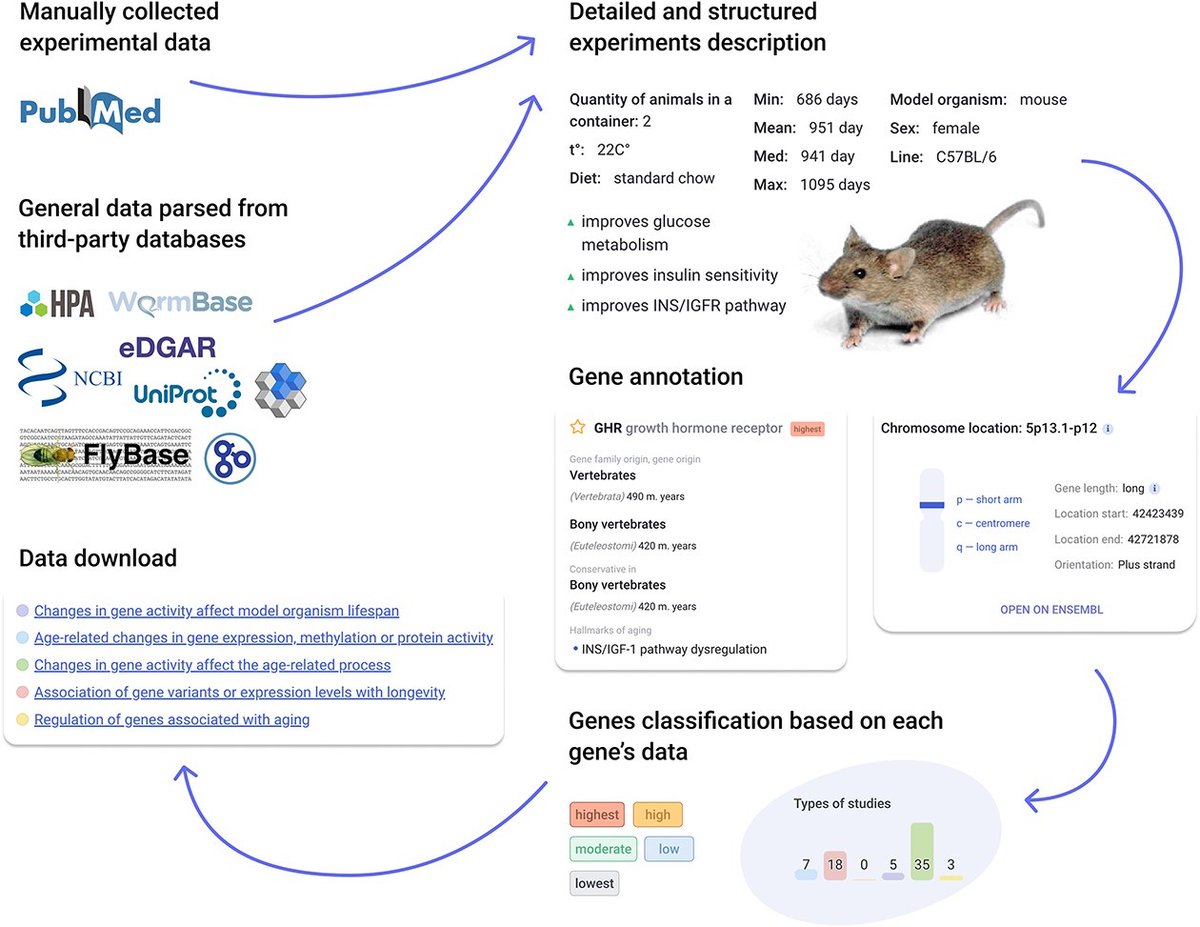
We added a dataset featuring genes and their confidence levels for download. https://t.co/IdcCHOwcCF
We divided genes into groups with different confidence levels based on the type of data supporting the link between the gene and aging. 1/2
That’s true that reproducibility and questionable quality of controls are vast problems in aging research, both in genetic manipulation experiments and drug testing. In the Open Genes database, we have collected detailed experimental data specifically to be able to analyze the reproducibility of results, the quality of controls, and the most optimal conditions for prolonging life.
We tried to take into account everything possible: we collected the controls lifespan, sample size, experimental procedure data, age of therapy initiation, tissue specificity, and everything that can influence the result.
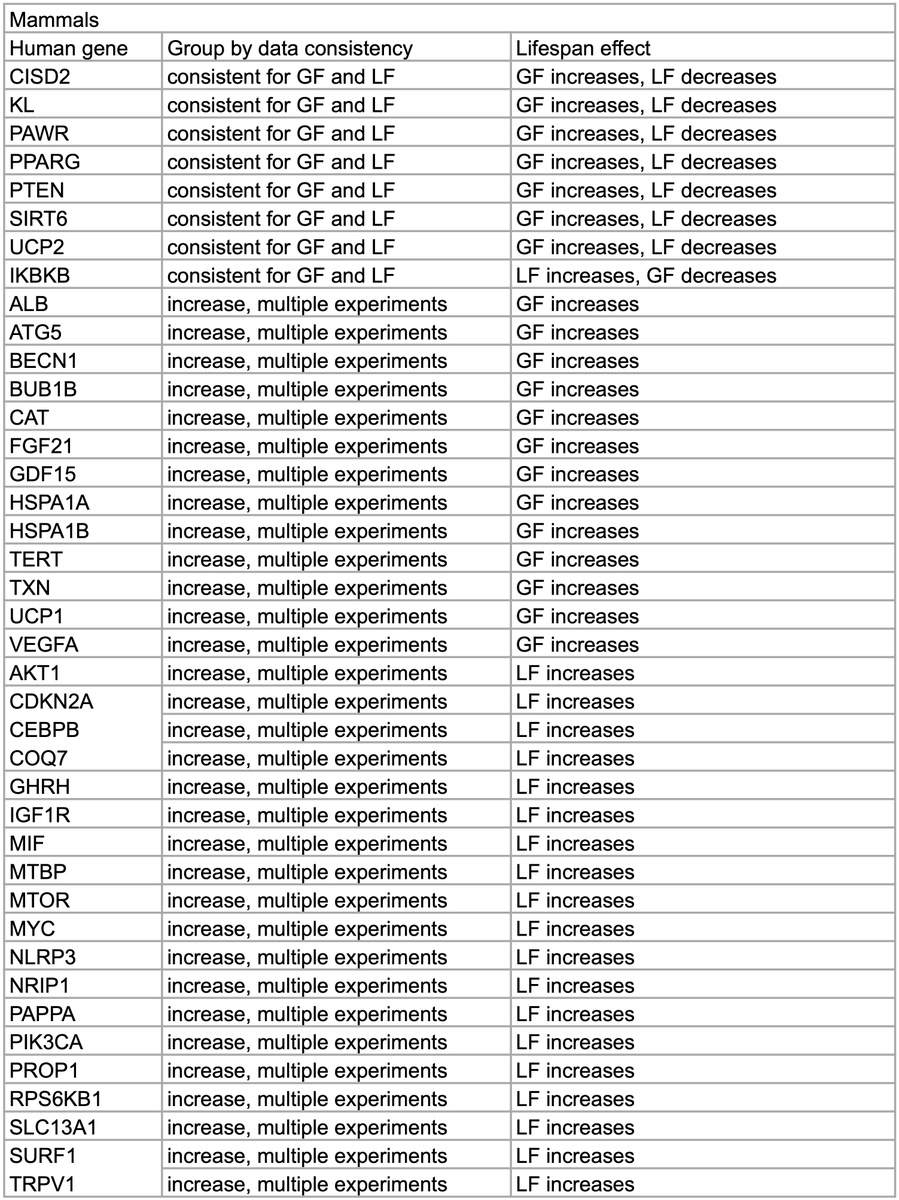
The conclusion we made regarding the experiments in mice: for 40 genes there is more than one experiment and no conflicting results (see figures), and there are only 4 experiments with control lifespans above 850 days (SIRT6, GPX4, TRPV1, MTOR).
This, of course, does not mean that there are no reliable genetic targets for extending lifespan in mice. However it's a really long road to developing a therapy that works in humans.
Read more in our paper:
https://t.co/GH7LQefJ2s
https://t.co/7TlekDMkS2
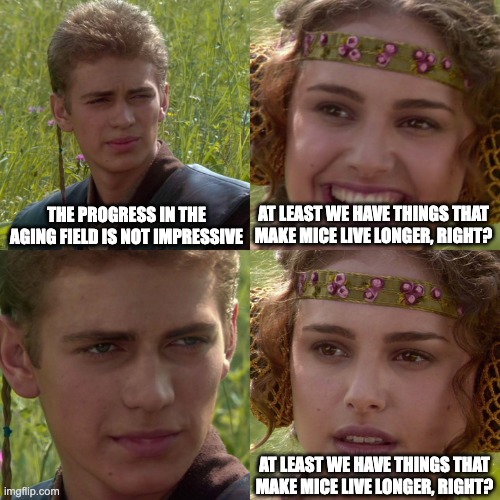
🧵 (1/6) Two years ago, when I only started digging into the current state of aging research, I was much more optimistic about our progress. I read articles like Laura Deming's Longevity FAQ, which lists "95 things that make mice live longer", and thought: "Well, at least we have something that works for mice, right?" Boy, I was naive! Well, below is a list of findings that made me think we have almost nothing that reliably works on mice.
The Longevity FAQ post: https://t.co/u3jtQQZGwD.
The winner of the Longevity_Gene NFT auction will have the opportunity to choose the project to which their donation will be made. We will introduce each project, outlining the specific bottleneck problem it addresses. Additionally, we'll highlight the clear value added by the donation and the significant impact it is expected to have.