Beautiful translation of a powerful Ghalib verse by Shahid Alam @nuurzangi
نے تیر کماں میں ہے، نہ صیاد کمیں میں
گوشے میں قفس کے مجھے آرام بہت ہے
No sniper takes aim;
No trapper lays his bait.
I have never felt so safe,
Nested inside a cage.
Whose condition is it?
Starting June 9, 10 am to 12 pm Eastern US via Zoom, we're doing a long deep dive into digital technologies, the political economy of data, histories of information, the haptics of longhand and electronic writing, reading thinkers from Adorno to Baudrillard to Pope Leo XIV:
Some of the topics we plan on covering- most sessions will be wide-ranging in historical background etc, though some will involve specifically Islamicate concerns:
Reflections on the affordances, benefits, downsides, and limitations, especially vis-a-vis our wider digital world and digitally-shaped selves, of a couple of key digital technologies of mediation that we often take for granted- the virtual meeting and the digitized manuscript:
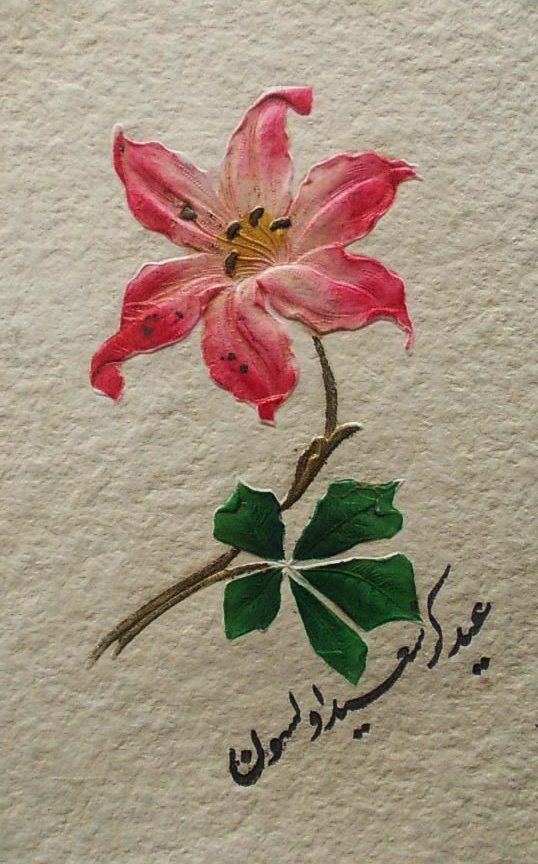
Eid Mubarak y’all!
A small archive of Eid visual culture from across the Islamic world: from historical illustrations, Ottoman greeting cards to Persian and Urdu philosophical poetry, devotional greetings, calligraphy, prayers, WhatsApp aesthetics, AI Kitsch, and sheep memes.
Along with a colleague I am starting a critical digital technologies discussion group this summer, we'll be reading stuff on the history of data, applications of Frankfurt School thinkers to contemporary technology, responses to AI, etc, should be very productive and even fun!
A truly delightful array of pen trials and calligraphic doodles- including a couple of tughras- from the final pages of an early 19th century Ottoman Turkish poetic manuscript (Kislak Center for Special Collections, Rare Books and Manuscripts, Ms. Codex 1967):
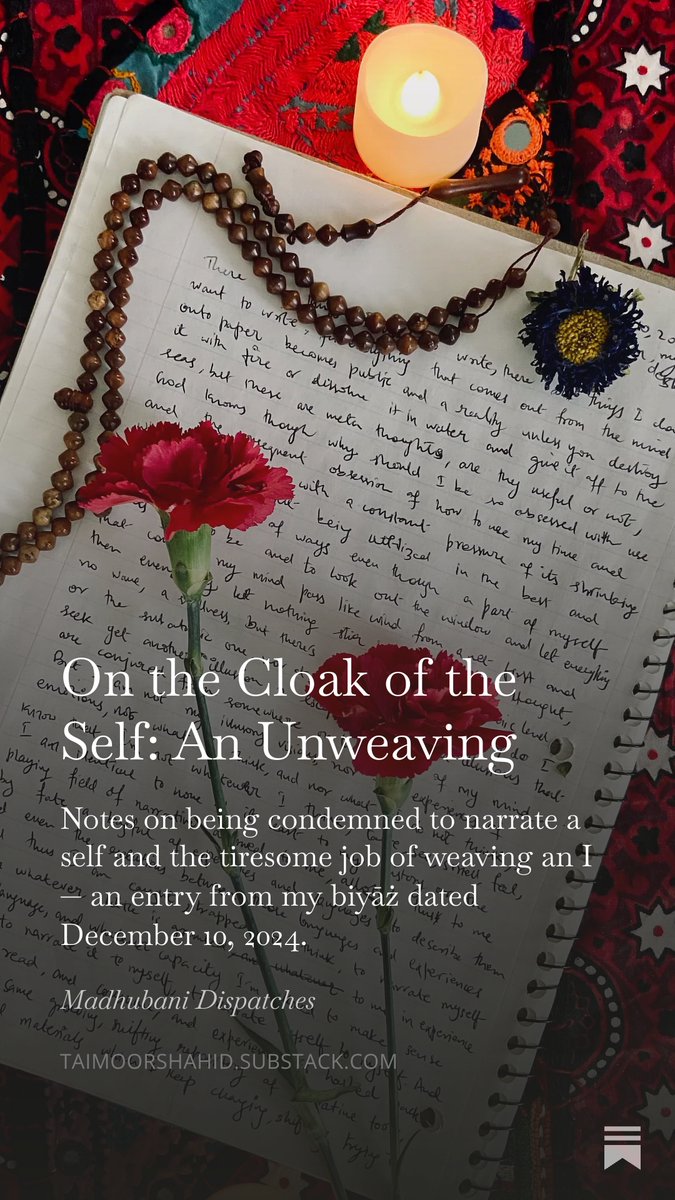
The biyāż is one of the manuscript forms we preserve and study. One of us keeps one. His latest Substack shares an entry: on the self as a cloak that demands weaving, and what might remain if the weaving stops. With Ghalib and the Prophet as guides. https://t.co/xEljR9Si1Q
#NewRelease#OpenAccess
The Role of Italian Presses in Early Arabic Printing
Third Volume of Collected Works of the TYPARABIC Project
ed. Octavian-Adrian Negoiță, Ioana Feodorov, De Gruyter, 2026
https://t.co/AzJIzIw0Wp
PDF 🎯
https://t.co/IulfLjwjc5
@ShaykhIshraq This is something we've been exploring experientially in our Friday Persian reading groups- how to read super complex dense pages like this, how the various layers of text go together, and how people in the past might have approached them
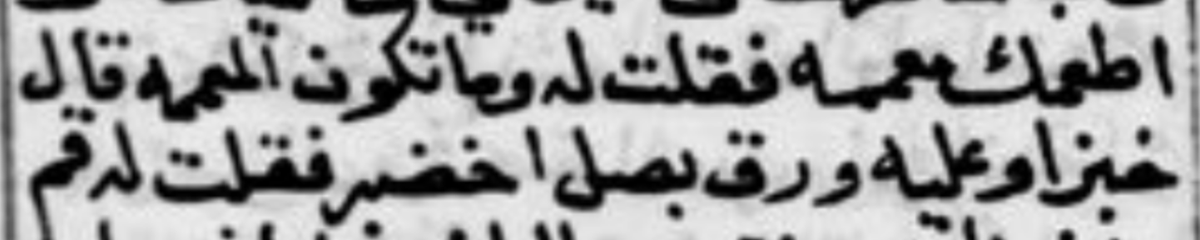
love to be reading a manuscript and encounter a word and think "what the heck kind of food is معممة" and then immediately see that the narrator doesn't know either, makes me feel so much better about myself and my knowledge of Arabic lol
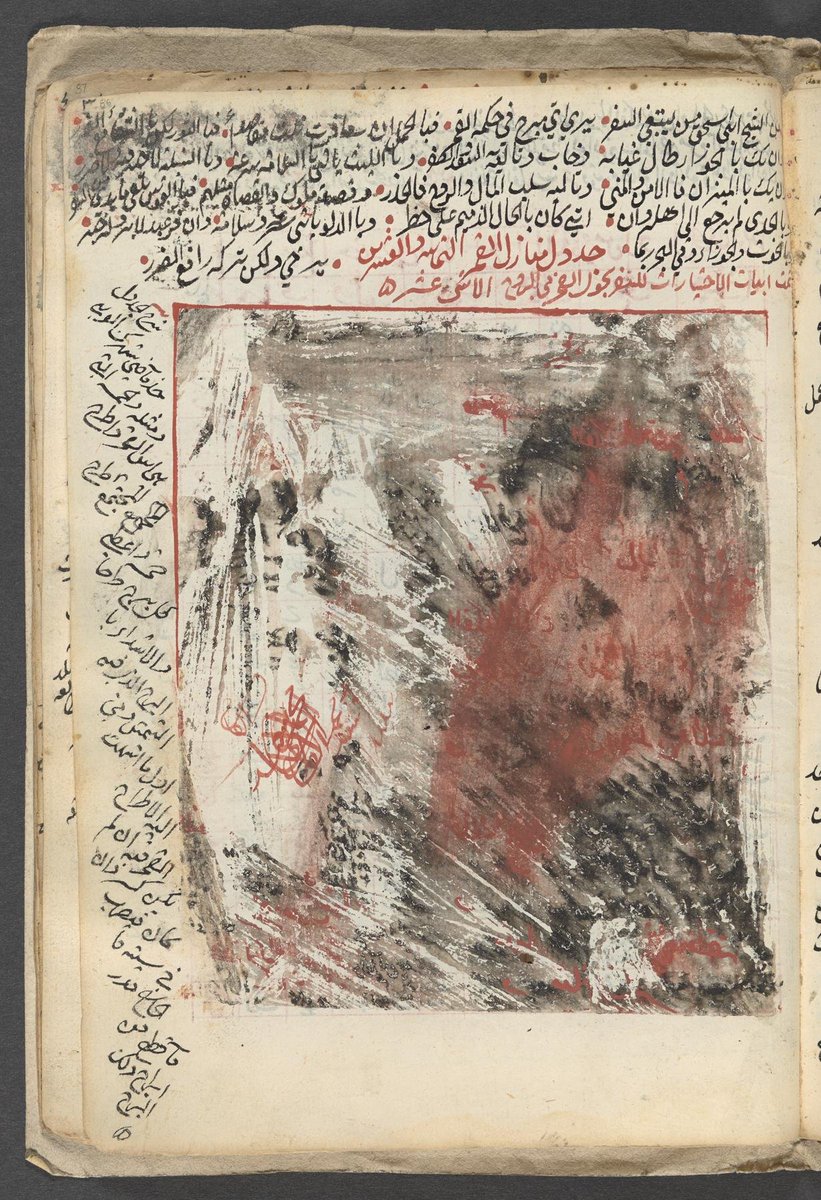
The scribe, or a later reader, of this manuscript- a majmū'a of Arabic texts (plus one in Ottoman Turkish) on matters astronomical- decided to erase the table on this page for whatever reasons, inadvertently creating something that feels very modern art-like (Columbia MS Or 285):
Read a story (r.) this morning in our Arabic manuscript reading session featuring the Rooster of the Throne, which is as good an excuse as any to share this miniature (l.) of said Rooster of the Throne
I think there's a strong connection between the aesthetics of manuscripts and manuscript "interaction" in the premodern world and the practice of wall-writing on shrines, mosques, khans, churches, etc, both of which look like "vandalism" to us but did not appear as such then