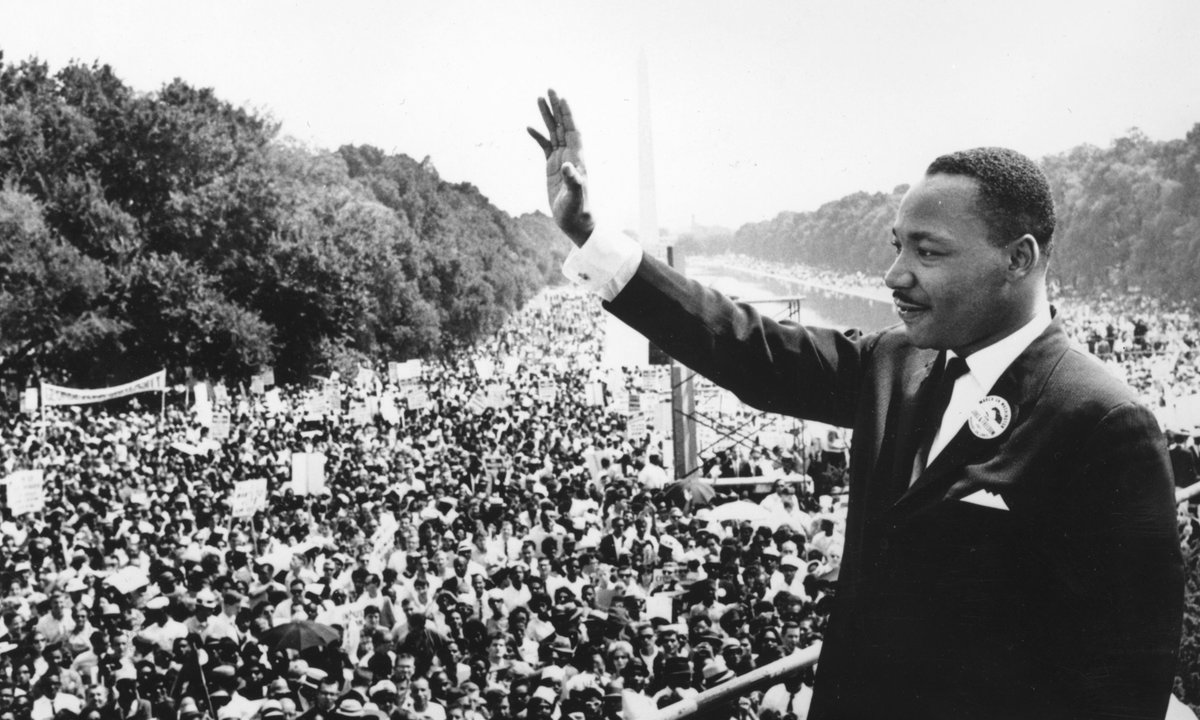
The moment the spokesperson or the VIP starts gesticulating, click-click-click go the cameras. That’s because no photographer wants a static image of a talking head.
https://t.co/iENpyckVnb
#OratorioDC#Journalism
Remember: Effective crisis communication can be the difference between maintaining trust and damaging your brand's reputation. Equip yourself with the right tools. #CrisisCommunication#OratorioTips
3 Important Aspects of Crisis Communications Every Executive Should Understand
💡 CRISIS COMMUNICATION TIP #1: Anticipate and Prepare - Every organization faces potential crises. Develop a crisis communication plan in advance.
💡 CRISIS COMMUNICATION TIP #3: Show Empathy - Your stakeholders want to know you care. Make sure empathy is a clear part of your communication in any crisis scenario.
💡 Tip of the Week: Media Mastery 🎥🎙️
In the fast-paced world of media, a compelling soundbite can be your secret weapon. Share with us your favorite soundbite strategy or your experience with creating impactful quotes on the spot! 👇
🌟 Did You Know? Public Speaking Edition! 🗣️🎤
Did you know that Martin Luther King Jr.'s "I Have a Dream," was not part of his prepared remarks? The iconic "I Have a Dream" was improvised on the spot during the March on Washington in 1963. What a powerful impromptu moment!
💡 Tip of the Week: Mastering Body Language 🚶♂️📢
Whether it's standing tall, using open gestures, or maintaining eye contact, body language speaks volumes. Share with us your favorite power pose or a body language tip that you swear by in the comments below! 👇
Remember: Effective crisis communication can be the difference between maintaining trust and damaging your brand's reputation. Equip yourself with the right tools. #CrisisCommunication#OratorioTips
3 Important Aspects of Crisis Communications Every Executive Should Understand
💡#1: Anticipate and Prepare - Every organization faces potential crises. Develop a crisis communication plan in advance.
🗝️ Media Interview Key #5: Master the art of brevity. Be concise and to the point in your responses. Avoid industry jargon and communicate clearly. That wraps up our '5 Keys to Effective Media Interviews' series. #MediaTraining#OratorioTips
🗝️ Media Interview Key #4: Non-verbal communication can speak volumes. Pay attention to your body language. It's not just about what you say, but how you say it! #MediaTraining#OratorioTips
🗝️ Media Interview Key #3: Prepare, prepare, prepare. Anticipate questions, research your interviewer, and rehearse your answers. Confidence is built through adequate preparation. More tips coming soon! #MediaTraining#OratorioTips
🗝️ Media Interview Key #2: Keep control. One favorable soundbite can bring huge benefits to your organization. Learn how to direct the conversation. Stay tuned for more! #MediaTraining#OratorioTips
🗝️ Media Interview Key #1: Know your agenda. The best reason for a media interview is to advance your agenda! Be clear about your key messages before you get in front of the camera. #MediaTraining#OratorioTips
"Take advantage of every opportunity to practice your communication skills so that when important occasions arise, you will have the gift, the style, the sharpness, the clarity, and the emotions to affect other people." -Jim Rohn.
Remember: Effective crisis communication can be the difference between maintaining trust and damaging your brand's reputation. Equip yourself with the right tools.
💡 CRISIS COMMUNICATION TIP #3: Show Empathy - Your stakeholders want to know you care. Make sure empathy is a clear part of your communication in any crisis scenario.