The practices shared in this book can be used in preK-12 classrooms, in colleges and careers, and in our professional learning lives as learners grapple, make sense of, and connect with the texts and artifacts around them.
Out Now!
https://t.co/zoDGT4YWQc #UDLNow#ELA
The practices shared in this book can be used in preK-12 classrooms, in colleges and careers, and in our professional learning lives as learners grapple, make sense of, and connect with the texts and artifacts around them.
Out Now!
https://t.co/zoDGT4YWQc #UDLNow#ELA
Teacher knowledge matters. "For students of more knowledgeable teachers, more time in explicit instruction predicted stronger word-reading gains. For students of less knowledgeable teachers, more time in explicit instruction associated w/ WEAKER gains." https://t.co/pVXNTGdmCQ
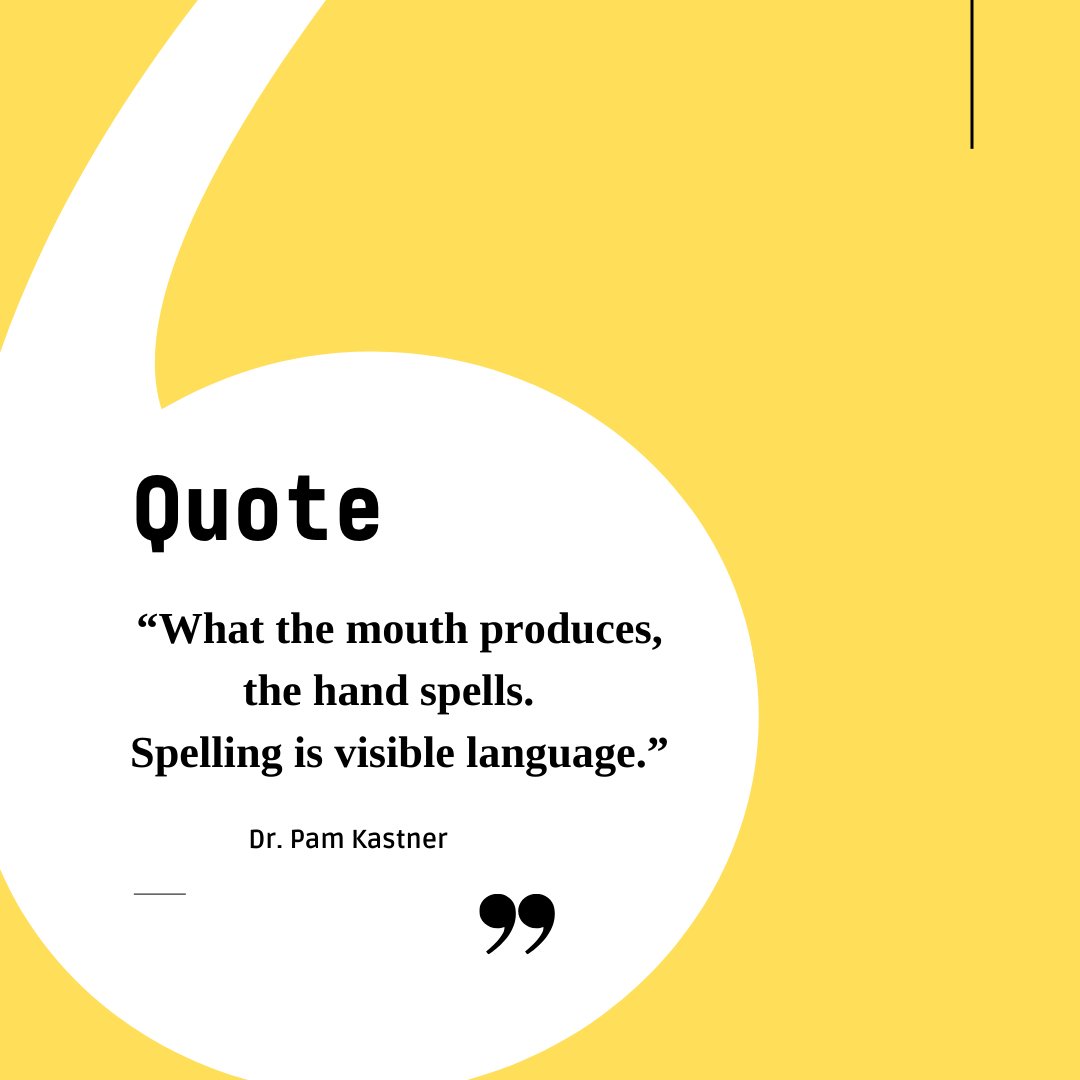
Spelling is a window into a child's knowledge of language!
That is why I am a bit obsessed of late with spelling errors, because they provide a window into instruction.
Have you seen our Supporting Students with Dyslexia collection of Toolkits? It houses the original Understanding Dyslexia and 4 additional toolkits! We will highlight the sections throughout the month. #dyslexia#DyslexiaAwareness#DyslexiaAwarenessMonth https://t.co/Ogz5c9sOUe
Check out this podcast and find out about the importance of structured language teaching, for all kids, but especially English learners. https://t.co/Be4XIDse6z
UDL isn't something you "do" as much as the way you approach planning.
Approach planning through the lens of UDL by asking,
❔What is the clear goal?
❔What is one barrier that would prevent students from reaching the goal?
New school year. New printouts.
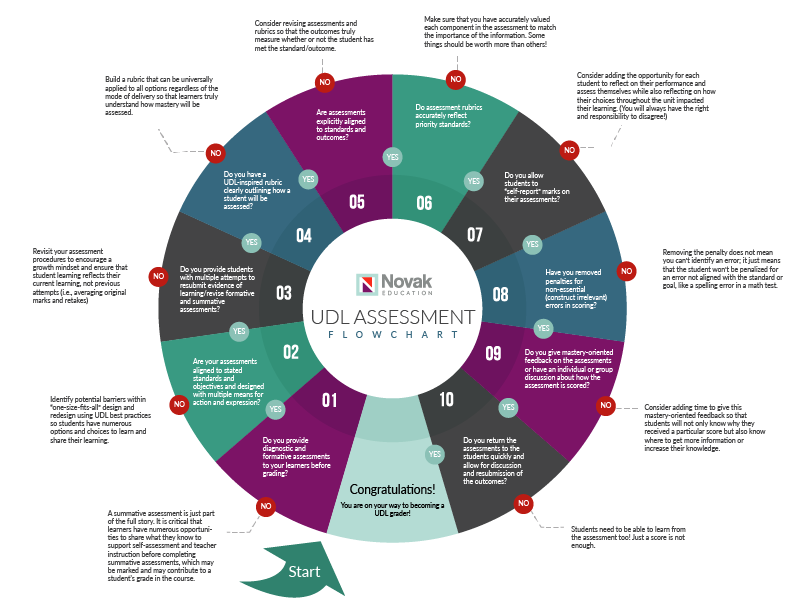
Post the UDL Assessment Flowchart near your desk to remind you of the importance of not only making your lessons universally designed but also ensuring that your grading practices optimize expert learning.
https://t.co/K7C5CE0vlM
Screaming it from the rooftops📣
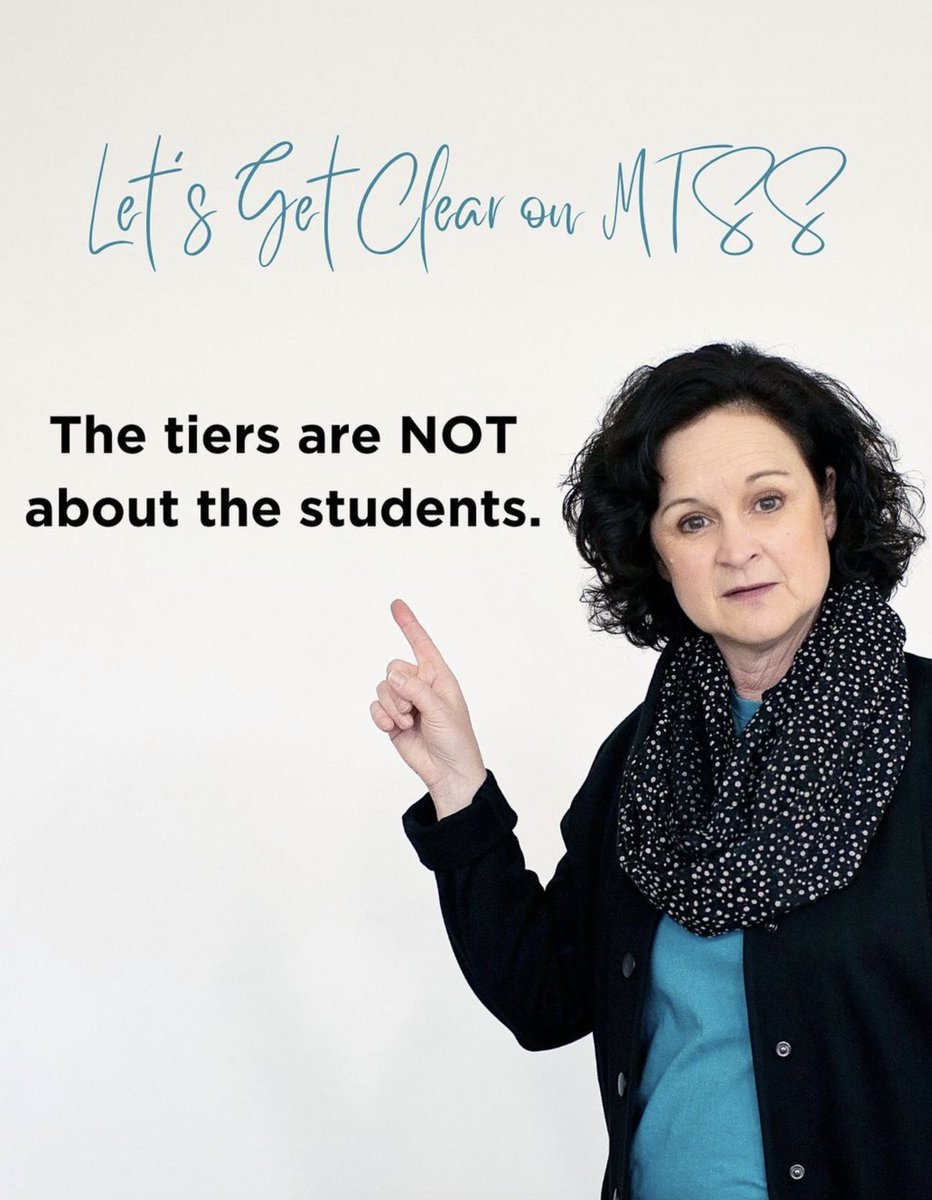
#MTSS is not about a single person having to build the skill set to meet the needs of every student, but rather really thinking about how we can work together to articulate firm goals and flexible means for reaching them.
https://t.co/nbK3PiEzd0
"👉 There are no Tier 1 students, or Tier 2 or Tier 3 students.
The tiers are not about students, they're about systems of support 𝘧𝘰𝘳 students." -Stephanie Stollar
@sstollar6
“The belief that as an educator you cause learning and the belief that all students can learn at high levels are two sides of the same coin. They must exist in tandem for inclusionary practices to move from a philosophical understanding to an intentional implementation. “
Collective Teacher Efficacy and Universal Design for Learning must exist in tandem for inclusionary practices to move from a philosophical understanding to an intentional implementation.
https://t.co/ZcWWxSnS1C #UDL
You can use red stickers for vowels & blue stickers for consonants or different colors for beginning, middle & ending sounds. You can incorporate digraphs and other concepts depending on your scope & sequence. Ss can use this when you do word chains too. https://t.co/z8Vfjt9KK6
This is an excellent article from @MagdalenaGanias! She shares how a one-some-all approach to professional learning wraps educators in layers of support so they develop a sense of confidence, belonging, care, and commitment.
https://t.co/7X1xaNbwiv
We created this guide with @wasa_oly to support students with disabilities in general education classrooms. The tool includes:
✅Process for designing inclusive instruction
✅Support examples for all students
✅Supports flowchart
✅MTSS terms explained
https://t.co/tJqCjJhVw5
Making “Phonemic Awareness” fun!! Incorporating movement (using a cut up Twister board) and music while segmenting phonemes. They will get better and better! We also connected phonemes to graphemes after warming our ears up! #phonics#phonemicawareness#sor#pisdlachat#pisdmtss
There’s a place for small-group instruction, but it makes no sense to rely on it for hours every day—especially for reading comprehension. https://t.co/jd5ckuGGgJ