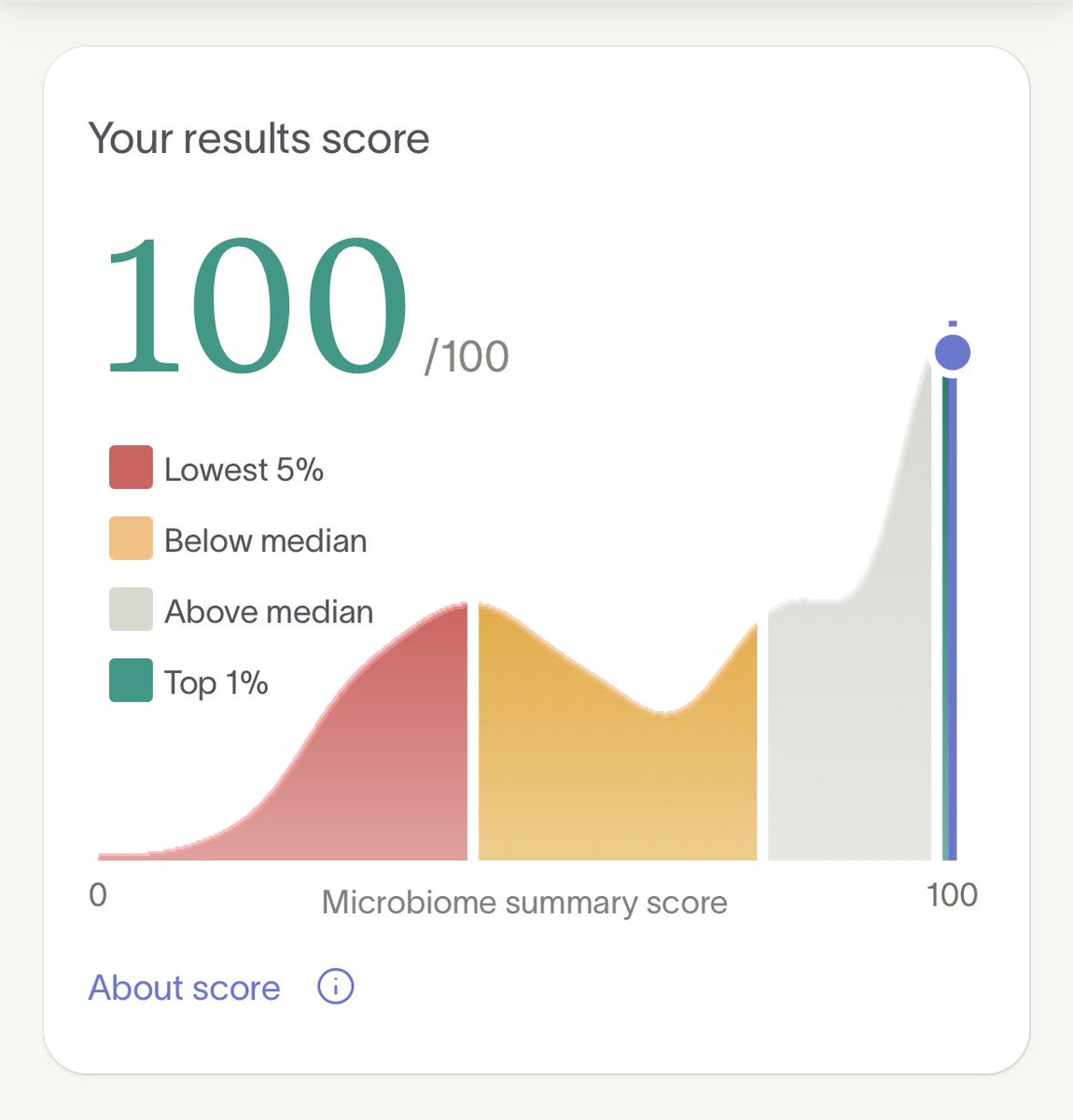
This is her vaginal microbiome report. 100/100 score.
Top 1% of all vaginas.
Her sample is dominated by the single most protective bacterial species a vagina can host (Lactobacillus crispatus).
Only about 25-30% of reproductive age women globally are L. crispatus-dominant, and “dominant” usually means above 50%. Kate is at 98.7%.
The lab found nothing bad to report. (no gardnerella, Candida, STIs, opportunistic pathogens, aerobic vaginitis markers, etc.)
This is linked to lower risk of BV, UTIs, yeast infections, HPV persistence, HSV-2 and HIV acquisition, preterm birth, and improved IVF outcomes.
A vaginal microbiome is downstream of everything: sleep, glucose control, stress, gut health, sexual health, immune function, what you eat, and what you put in it.
🚨 YouTube News 🚨
YouTube just added private messaging on mobile.
You can now share videos and have conversations directly inside the app, no third-party links needed.
This is YouTube slowly becoming a social network, not just a video platform.
For creators: if your audience can share your video in a DM without leaving the app, that's a new discovery loop. Make content people want to send to a friend.
Note: Live in 31 European countries now. No US launch date announced yet. But if this test goes well in Europe, it's coming.
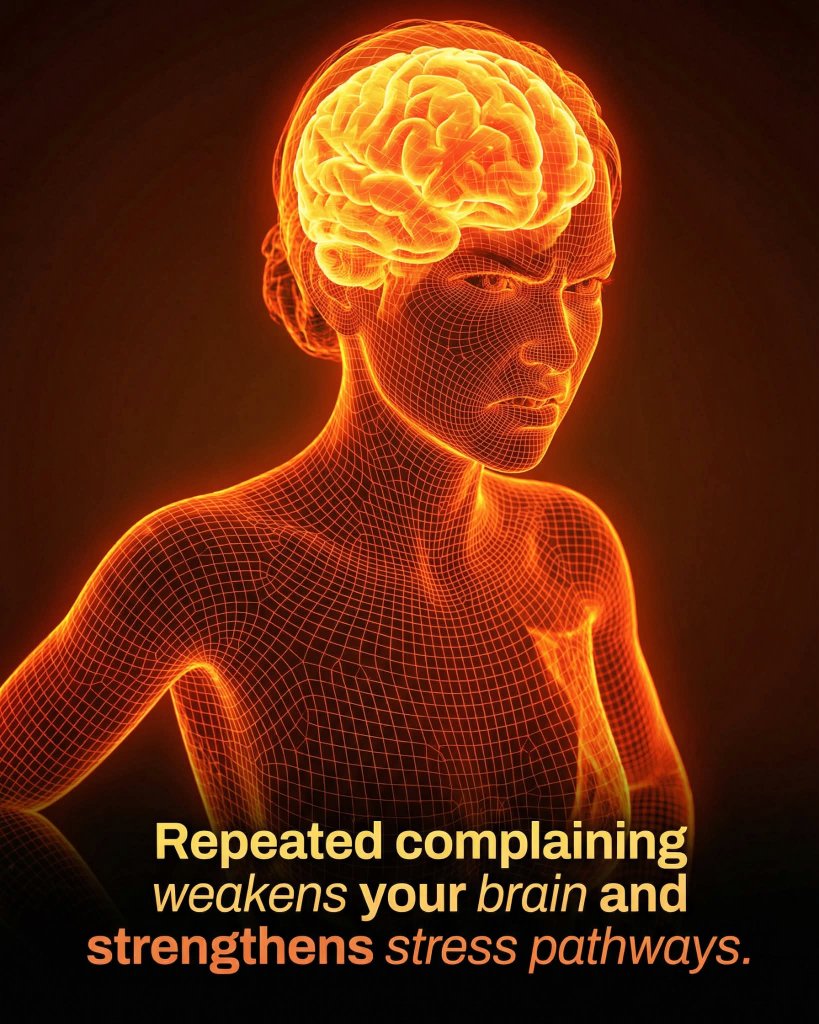
🚨 Research shows repeated complaining physically rewires your brain to prioritize stress and negativity.
The way we speak about our daily challenges does more than just vent frustration; it physically alters the architecture of the brain.
When we engage in chronic complaining, we repeatedly activate neural networks responsible for detecting threats and processing stress.
Through the biological process of neuroplasticity, these circuits become stronger and more efficient every time they are used. Essentially, the brain learns to become more adept at finding things to be unhappy about, turning a temporary mood into a permanent biological predisposition toward negativity and fear-based thinking.
As these negative pathways become the brain's default setting, individuals often experience a measurable increase in baseline stress levels and emotional volatility. This heightened sensitivity means that even minor inconveniences can trigger an intense stress response because the brain has been conditioned to interpret the world through a lens of threat. Findings discussed by the Stanford University School of Medicine emphasize that while this mechanism is powerful, understanding the science of affective neuroscience is the first step in consciously redirecting those pathways toward more resilient emotional patterns.
Source: Stanford University School of Medicine. (2023). Neural Plasticity and the Impact of Negative Thought Patterns on Emotional Regulation. Stanford Medicine News.