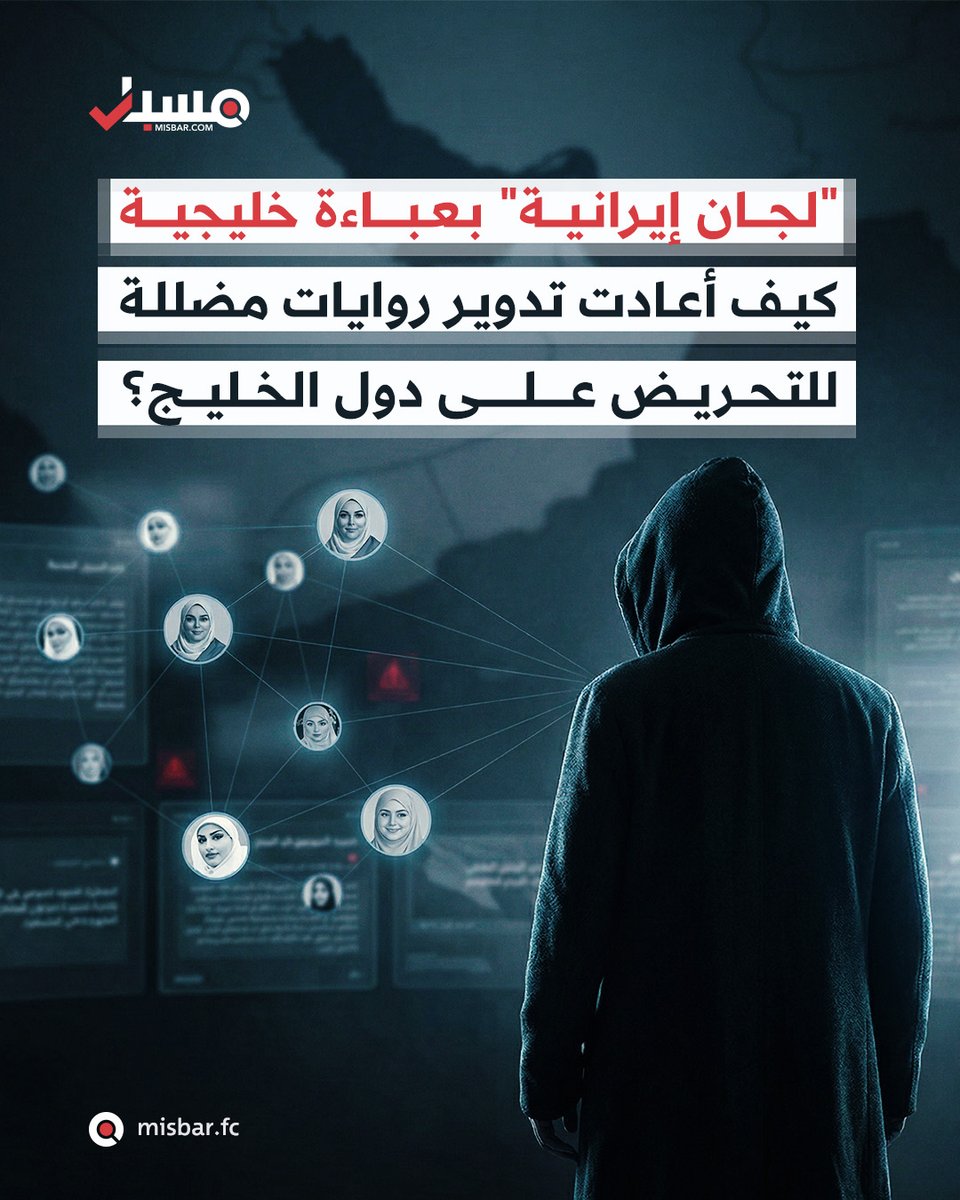
📌 تحليل شبكي | شبكة من الحسابات الوهمية تنتحل هويات خليجية، وتروج لسرديات مؤيدة لإيران وحلفائها في المنطقة، تستخدم نمطًا لتبدو وكأن السردية خليجية.
تحليل استقصائي لمسبار يحلل نشاط هذه الشبكة ويكشف عن محاولات هذه الحسابات التحريض على الخليج وإعادة تدوير روايات دعائية ومحتوى مضلل.. فمن يقف خلفها وكيف تعيد تشكيل هويتها المزيفة؟
🔥 BEST VIDEO OF THE YEAR
Rare moment of truth at the UN from brave Kuwaiti dissident @JJJuraid, invited by UN Watch:
Mr. Chair,
I heard the term “colonizers.” But who are the real colonizers? A Jewish Kingdom ruled in Judea for a thousand years. We, the Arabs, took this land.
Who Arabized Egyptians, Phoenicians, Persians and Amazighs? It was us, the Arabs.
So why does the council enshrine a lie by keeping a permanent agenda item on Palestine, while ignoring the indigenous heart of Israel returning home?
Let us be clear about who is actually defending our sovereignty. Today, Israel is a fighter for peaceful nations, freeing Gaza from Hamas and saving Iranians from the Islamic Republic.
What Israel is doing to the IRGC — stopping a genocidal regime from acquiring nuclear weapons — is a gift to humanity.
There are 57 Islamic countries and only one Jewish state, Israel. Despite the ongoing hateful desire to eliminate it, Israel has not only survived, it has thrived.
I don't believe in miracles, but this is one.
So I ask the UN: when will you end the ritual of condemning Israel?
Is it not time, instead, to learn from Israel? How to defeat terror, defend free societies, and pursue peace.
Thank you.
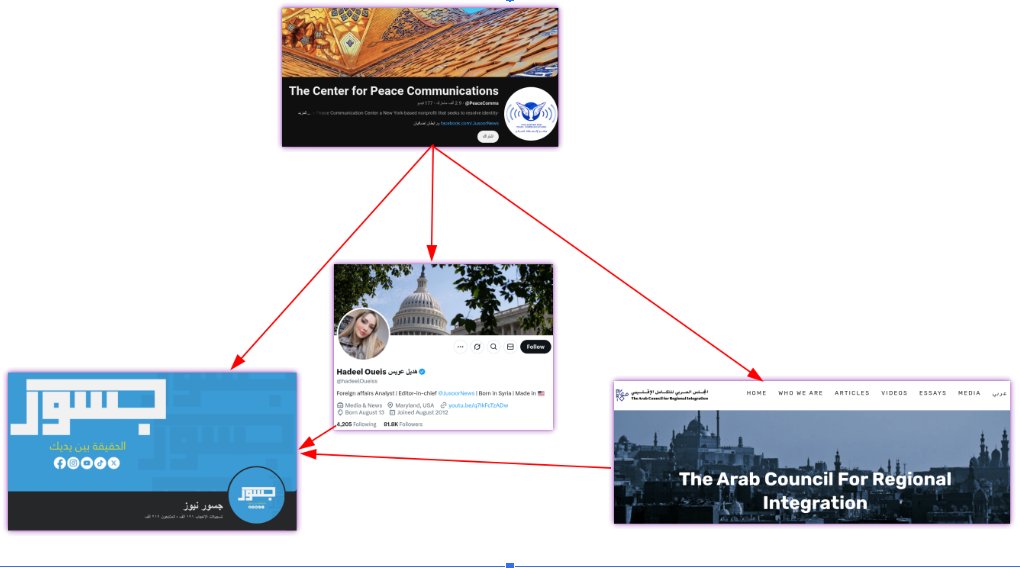
@FCB6O جسور نيوز تابع لمركز اتصالات السلام وتديره هديل عويس التي تشغل منصب مدير الاتصالات العربية بالمركز وينضم لهم المجلس العربي للتكامل الأقليمي، غالبا التمويل من اللوبي الاسرائيلي حسب البحث منذ فترة خلف تلك الشبكة
🧵 في أعقاب استهداف مدرسة الشجرة الطيبة الابتدائية للبنات في مدينة ميناب الإيرانية والذي أسفر عن مقتل نحو 165 طالبة اندفعت حملة إلكترونية موسعة تُحمل الحرس الثوري الإيراني مسؤولية القصف، شارك في تضخيمها أكثر من 209 ألف حساب بنحو ما يقرب من 386 ألف منشور.
📌 عمل مسبار على تتبّع مسار تفاعل الحملة، وتحليل الشبكات والحسابات واللغات والسرديات الأكثر تداولًا، ورصد أبرز الأنماط التي صاحبت انتشار هذه الروايات على المنصات الرقمية.
#ترند_مسبار | زخم كبير خلال أيام قليلة، آلاف المنشورات ومقاطع فيديو تدّعي هبوط قاذفات B-52 في قاعدة العديد بقطر مؤخرًا.
في هذا الألبوم نستعرض أرقام التفاعل، وحقيقة المشاهد المتداولة.. تابع التفاصيل.
اليمين المتطرف الأوروبي يغازل أبوظبي
اطّلعت Intelligence Online على محاضر نقاشات بشأن تعاون محتمل بين منصة Visegrad24 للتأثير الرقمي، المرتبطة باليمين المتطرف في بولندا، ووزارة الخارجية الإماراتية.
وتتمحور هذه النقاشات حول دعم سردية أبوظبي في مواجهة ما تصفه بـ«الإسلام الراديكالي» في الغرب. وفي الوقت نفسه، كشفت شخصيات سياسية بارزة من اليمين المتطرف في بريطانيا وفرنسا مؤخرًا عن علاقاتها مع الإمارات.
تكشف Intelligence Online أن منصة Visegrad24، وهي موقع إخباري بولندي يتمتع بحضور قوي على وسائل التواصل الاجتماعي ويرتبط باليمين المتطرف في بولندا، قد وطدت علاقاتها مع سلطات أبوظبي. وقد تأسست المنصة عام 2020 ضمن البيئة السياسية لحزب «القانون والعدالة» البولندي اليميني المتطرف.
ووفق مذكرة داخلية لوزارة الخارجية والتعاون الدولي الإماراتية بتاريخ 28 أغسطس/آب 2024، اطلعت عليها Intelligence Online ومنشورتها الشقيقة Africa Intelligence ، اعتبرت إدارة الاتصال الاستراتيجي في الوزارة أن خطة تعاون اقترحتها Visegrad24 «قابلة للتنفيذ ومن المرجح أن تحسّن صورة الإمارات لدى الجمهور الغربي.
وتنظر وزارة الخارجية الإماراتية إلى Visegrad24 بوصفها «أداة تأثير»، لكنها توصي في الوقت ذاته بأنه «إذا جرى التعاون، فينبغي أن يتم عبر كيان غير رسمي». كما ترى أبوظبي أن «التعاون مع هذه المنصة بأي شكل قد يؤدي إلى إشكالات دبلوماسية أو سياسية أو إعلامية مع دول أخرى، نظرًا لتركيزها العلني والحاد على مهاجمة قطر وإيران وروسيا». وتؤكد المذكرة كذلك أن Visegrad24 «تبنّت السردية الإسرائيلية بشأن الحرب في غزة».
كما اطّلعت Intelligence Online على المقترح الذي قدمته Visegrad24 إلى أبوظبي. وتعرض المنصة نفسها بوصفها مُجمِّعًا للمحتوى ومنتِجًا لمواد على شبكات التواصل الاجتماعي، مع نحو 1.5 مليون متابع على منصة X.
ورغم أن Visegrad24 ووزارة الخارجية الإماراتية لم تردّا على طلباتنا للتعليق على طبيعة هذه الشراكة، فإن الواضح أن المنصة بدأت خلال الأسابيع الأخيرة تعكس سردية أبوظبي. ففي 14 ديسمبر/كانون الأول، شارك حساب Visegrad24 على X رابطًا لخطاب ألقاه وزير الخارجية الإماراتي عبد الله بن زايد آل نهيان في مايو/أيار 2017، دعا فيه أوروبا إلى الحذر من جماعة الإخوان المسلمين، معتبرًا أن كلمات الوزير «تبدو اليوم أكثر نبوءة من أي وقت مضى.
واجهات إماراتية
لتفادي الظهور المباشر لأبوظبي، أعدّت إدارة الاتصال الاستراتيجي في الوزارة قائمة بستة مؤثرين وشخصيات محلية ناشطة على وسائل التواصل الاجتماعي لا يرتبطون رسميًا بالحكومة الإماراتية. ومن بينهم مستشار الاتصال سليمان الحتلان، مدير ومؤسس وكالة Hattlan Media، ومقدم البرامج التلفزيونية وكاتب العمود والمستشار السابق للمجلس التنفيذي لحكومة دبي ياسر حارب.
كما تضم القائمة حبيب الملا، المحامي المتخصص في التحكيم الدولي وأحد مهندسي الإطار التشريعي للمناطق الحرة الإماراتية، إضافة إلى راشد الفلاحي، المدرج على X بوصفه مؤثرًا، وهو في الوقت ذاته «كبير مسؤولي السرد القصصي» في الهيئة الاتحادية للرقابة النووية (FANR). ويكمل الفريق دبي أبو الهول، مؤسس مركز الأبحاث معهد فِكر المعروف لدى السفراء الغربيين في الدولة، وسلطان القاسمي، كاتب العمود وعضو الأسرة الحاكمة في إمارة الشارقة.
ومهمة هذا الفريق هي إنتاج محتوى لصالح Visegrad24 يدعم سردية أبوظبي على الساحة الدولية، بما في ذلك سلاسل منشورات (Threads) ومقابلات مع شخصيات عامة وخاصة داخل الدولة. ووفق هذه الوثائق، اقترحت Visegrad24 أيضًا إنتاج فيلمين وثائقيين منفصلين عن الدولة: «مقاربة الإمارات لمكافحة الإسلام الراديكالي» و«الإمارات صانع سلام إقليمي». كما تدّعي المنصة قدرتها على «دعم العلاقات العامة القاعدية في مناطق أوروبية لا تحظى بالتقدير الكافي [مثل] أوروبا الوسطى والشرقية ودول البلطيق». وعند التواصل معهم، لم يردّ أي من الأسماء الواردة في قائمة الوزارة على طلبات Intelligence Online وAfrica Intelligence للتعليق.
ولجذب اهتمام أبوظبي، أبرزت المنصة أن 38% من مشتركيها في أميركا الشمالية، و40% في أوروبا، و8% في الشرق الأوسط— «كثير منهم من إسرائيل»—وأن من بين مشتركيها إيلون ماسك ونحو 20 ألف صحفي. وتقدّم نفسها على أنها تركز على «كشف التحالف الغريب والخطير بين قوى اليسار الراديكالي والقوى الإسلامية داخل الغرب وخارجه».
وفي مايو/أيار 2025، أُنشئ حساب يدّعي الانتماء إلى Visegrad24 تحت اسم Middle East 24 (ME24). ورغم عدد متابعيه المحدود نسبيًا (أكثر قليلًا من 40 ألفًا حتى الآن)، يعمل الحساب على غرار منصته الأم عبر تجميع معلومات مفتوحة المصدر تتعلق بالشرق الأوسط. ويدّعي امتلاك مكاتب في واشنطن ولندن ووارسو والقدس ودبي. وقبل ذلك بشهر، في أبريل/نيسان، التقى أحد مؤسسي Visegrad24، ستيفان تومبسون—وهو مستشار بولندي–جنوب إفريقي يدير شركة علاقات عامة خاصة في بولندا—في الإمارات بخلفان الحوسني، المؤثر الإماراتي المنخرط كليًا في دعم السياسة الخارجية لأبوظبي.
وبحسب منشورات ME24 على وسائل التواصل الاجتماعي، يبدو أن الحساب اصطفّ مؤخرًا بشكل وثيق مع السردية الإماراتية بشأن اليمن ،كما يظهر في منشوره على X بتاريخ 23 يناير/كانون الثاني، وكذلك في منشوراته عن الحرب في اليمن وجزيرة سقطرى، إضافة إلى الدفع نحو الاعتراف بدولة أرض الصومال على غرار إسرائيل، إلى جانب تبنّي خط شديد الصرامة تجاه النظام الإيراني.
ملف الإخوان المسلمين
برزت الإمارات مؤخرًا في الواجهة بفضل Visegrad24. ففي 9 يناير/كانون الثاني، كشفت صحيفة فايننشال تايمز أن أبوظبي ستوقف تمويل طلاب إماراتيين في المملكة المتحدة بسبب ما تصفه بتأثير جماعة الإخوان المسلمين في الجامعات البريطانية. وقد التقط حساب Visegrad24 على X تقرير الصحيفة، ثم أُعيدت مشاركة المنشور عشرات الآلاف من المرات. ورغم أن هذا التوجه ليس جديدًا، فإن شخصيات محورية في اليمين المتطرف الأوروبي باتت تتجه بشكل متزايد إلى الإمارات بحثًا عن حلفاء في هذا الملف الساخن أوروبيًا.
وأشاد نايجل فاراج، زعيم حزب Reform UK اليميني المتطرف في بريطانيا، بالإمارات على X تعليقًا على تقرير فايننشال تايمز. وكان فاراج قد دُعي في ديسمبر/كانون الأول، وعلى نفقة الحكومة الإماراتية، لحضور سباق جائزة أبوظبي الكبرى للفورمولا 1، في فرصة مثالية لتطوير شبكاته المحلية (. ووفق فايننشال تايمز، يأمل فاراج الآن في لقاء الرئيس محمد بن زايد آل نهيان. وفي ضربة كبيرة لحزب Reform، انشق ناظم الزهاوي، الرئيس السابق لحزب المحافظين البريطاني وأحد المرشحين السابقين لقيادته، إلى الحزب اليميني المتطرف في 12 يناير/كانون الثاني. والزهاوي ضيف دائم على أبوظبي، ويتمتع بشبكات قوية فيها قد تساعد فاراج على تثبيت حضوره هناك. وقد شوهد الزهاوي مؤخرًا في لقاءات جمعت رئيس إقليم كردستان العراق مسرور بارزاني بمحمد بن زايد.
وفي فرنسا، أعاد زعيم حزب التجمع الوطني اليميني المتطرف، جوردان بارديلا، تغريد منشور Visegrad24 على X وعلّق عليه. وكان بارديلا قد زار الإمارات في يونيو/حزيران برفقة عضو البرلمان الأوروبي الفرنسي تييري مارياني. ووفق معلوماتنا، التقى بارديلا خلال الزيارة بنجل محمد بن زايد، ولي العهد خالد بن محمد بن زايد آل نهيان، وكذلك بطحنون بن زايد آل نهيان، الذي يُنظر إليه بوصفه «العقل الاستخباراتي» والاستراتيجي المالي للدولة. ولم يردّ المكتب الإعلامي لبارديلا على طلباتنا للتعليق.
انتليجنس أونلاين، 28/1/2026
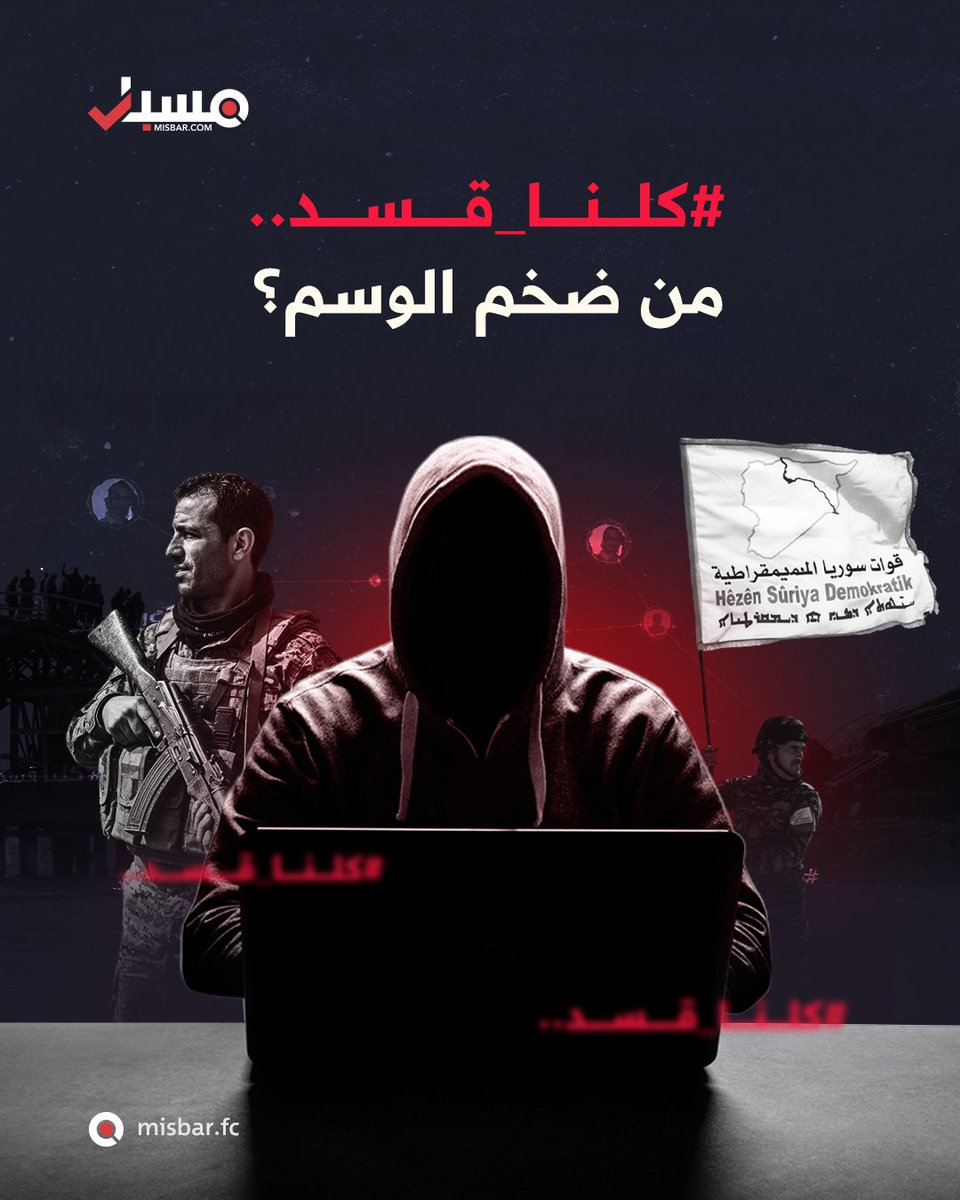
#الشبكة | بالتزامن مع تصاعد التوتر شماليّ سوريا، وانتقال الاشتباكات بين قوات الحكومة السورية وقسد من حلب إلى مناطق واسعة، رصد فريق مسبار حملة رقمية عبر وسم #كلنا_قسد حاولت تصوير الصراع كـ"معركة وجودية" لا كخلاف سياسي وأمني ممتد.
📌 فهل كان هذا التفاعل عفويا؟ أم نتيجة تضخيم منسق؟ وكيف ساهمت حسابات محورية، من بينها حسابات إسرائيلية، في تشكيل مسار السردية وتوسيع انتشارها؟
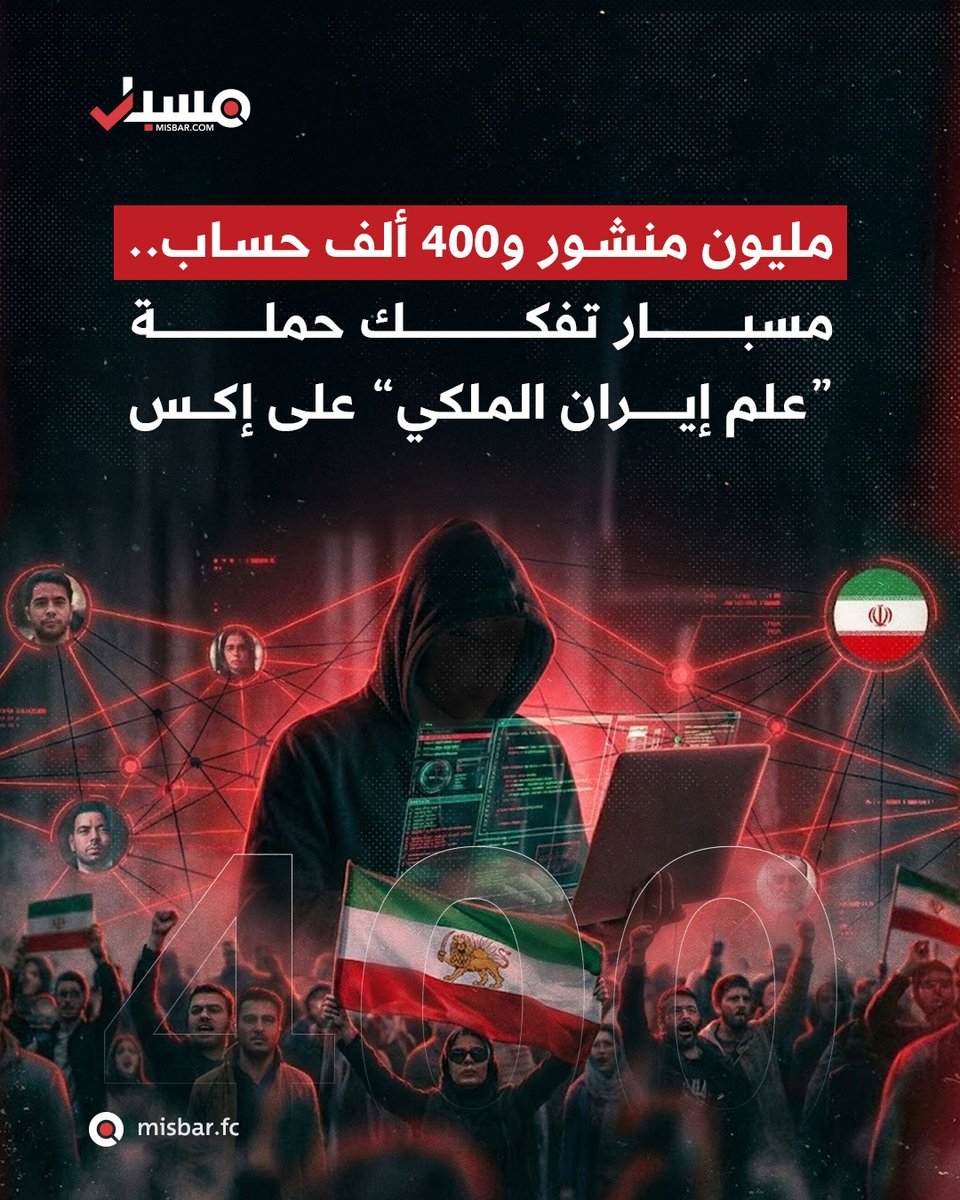
#الشبكة| حملة رقمية واسعة تروّج "لعلم إيران "الملكي" على “إكس”، وحسابات بأجندات مختلفة تدفعه إلى الواجهة، قبل أن تستجيب المنصة بتحديثه.
فريق مسبار يفكك في هذا التحليل الرقمي مسار الحملة، عبر تتبع منحنى التفاعل وشبكة الحسابات، لفهم من أين جاءت وكيف تحوّلت إلى أداة تعبئة رقمية بالتزامن مع موجات الاحتجاج في إيران.
Who is Amjad Taha?
From Bahrain-era provocateur to “Emirati expert,” from front organisations to UK court rulings, this is a deep dive and long read into one of the most consistently platformed disinfluencers in Western media.
#Dysinfluence
https://t.co/Gwlsdpgsuw
Digital Warfare Around El Fasher: Alaraby TV Investigation Exposes a Coordinated Campaign Promoting the UAE-Backed Rapid Support Militia
As the fighting expanded in Darfur in the far west of Sudan and reached deep inside the city of El Fasher, another battle of equal intensity erupted far from the frontlines. According to an open-source investigation by Alaraby TV, a large network of anonymous accounts and electronic committees launched a coordinated effort in the digital space to promote what they claimed was the liberation of the city by the Rapid Support Militia.
The investigation examined more than twenty two thousand accounts beginning on the twenty fourth of October and analyzed seventy two thousand posts. The engagement curve rose sharply in parallel with the fall of El Fasher on the twenty sixth of the same month and peaked in early November. Only thirteen percent of all interactions were original content while sixty three percent came from reposts and twenty three percent from replies. The pattern revealed a heavy reliance on amplification rather than the production of genuine material, which Alaraby analysts considered an early indicator of organized activity.
A wide segment of the accounts were newly created, while others had been reactivated after wiping nearly all previous posts. To isolate the accounts most closely aligned with coordinated committee behavior, the team narrowed the sample to those with zero to ten followers. The number reached three thousand one hundred and fifty nine. Sudan dominated the geographic distribution with sixty six percent of the posts, followed by countries hosting large Sudanese communities such as Uganda, Egypt, the United States, Saudi Arabia, the UAE, the United Kingdom, Oman, and Nigeria. This distribution suggests that the campaign targeted both Sudanese inside the country and Sudanese in the diaspora where narratives are easily recycled.
The engagement did not resemble normal user activity. The accounts shared similarities in appearance, visual identity, creation dates, and daily behavior. Many were created only months ago and most had fewer than two hundred followers. Some appeared older in name yet were reactivated after deleting all earlier posts, in a pattern that resembled identity recycling. The investigation found that the peak of account creation came in May, indicating a manufactured wave designed to amplify the narrative of liberating El Fasher.
The accounts moved inside specific Sudanese discussion groups on the X platform such as Moghtarib Sudani, Sudan, and Permanent Media for the Rapid Support, which indicated a deliberate attempt to infiltrate conversations and create artificial credibility. Many accounts operated across several platforms at the same time, including X, Facebook, TikTok, and YouTube, using identical visual styles in a way that strongly pointed to a single operating entity.
Examples included the account Reemas Ahmed, active on Facebook and TikTok with matching names and images, as well as an X account that was shut down for suspicious behavior and then recreated identically. Another example, Galila Mohamadi, promoted the Rapid Support and was active on Facebook, Instagram, YouTube, TikTok, and also X, which later removed it. Facebook data indicated that it was operated from Egypt using the image of a Sudanese woman taken from the internet.
The investigation also uncovered several accounts built around fabricated female Sudanese identities with matching details on Facebook, X, and TikTok. Many were created simultaneously in April and used images generated by artificial intelligence. Another model case, Batool Mohammed, used a profile image that reverse searches showed had been used by dozens of unrelated accounts on X and TikTok. The network frequently relied on a unified Sudanese mask, dark skin tones, familiar facial features, and common female names. Reverse searches revealed that several images were stolen from models, activists, or winners of university competitions.
Artificial intelligence generated images were also present, supporting the conclusion that the network manufactured entire visual identities for disinformation. One example involved a profile picture originally belonging to a Miss University of Africa Sudan winner, widely available online, which disproved any link to the account using it. Another image belonged to activist, basketball player, and poet Asmaa Al-Badawi, yet was used by a recently created account promoting the Rapid Support, despite having circulated previously as a stock image of a veiled model.
The network did more than repost propaganda. It operated in synchrony, publishing identical text and video material, and pushing the same clip from one user across dozens of accounts with hashtags such as Ta'sis Forces and Sudanese deserve peace. All of this occurred within tightly aligned time frames. The accounts also fell silent at the same time before reappearing with intense activity on the twenty seventh of October, signaling an operating rhythm similar to shift work.
Alaraby’s team also observed that X shut down a notable number of accounts involved in the amplification, something that usually happens only when coordinated policy violations are suspected. Some accounts even acknowledged these shutdowns, offering further evidence of the nature of the campaign. Its keywords centered on terms such as Sudan, El Fasher, and Save Sudan, paired with hashtags crafted to portray the fall of El Fasher as liberation rather than occupation. The hashtags attempted to redefine the militia as a rescue force protecting civilians from the Islamic Movement and what they called the Kizan Army, while portraying the internationally recognized Sudanese Armed Forces as a terrorist or criminal militia.
The term Ta'sis appeared repeatedly to present a new political military entity as an alternative to the state and its army, both of which were labeled the Port Sudan Authority in an effort to strip them of legitimacy and continuity and to depict them as temporary or isolated from the real Sudan.
While the fall of El Fasher was a major blow to the government of General Abdel Fattah al-Burhan, the violations that accompanied it revealed a bloody face of the Rapid Support Militia. The electronic committees worked urgently to rehabilitate that image through coordinated digital campaigns. Their activity, as documented by Alaraby’s investigation, also reflected the deep anxiety inside the militia’s leadership about the horrific perception that has taken root among many Sudanese.
It is worth noting that many of the terms used in this coordinated campaign, particularly the repeated reference to the Port Sudan Authority, match the language commonly used by official bodies in the UAE. The overlap is striking. The same vocabulary that appears in Emirati statements appears inside anonymous networks promoting the Rapid Support Militia. This alignment raises serious questions about the origins of the campaign and suggests that the narrative pushed through these digital accounts may have been shaped by actors far beyond those who appeared to publish it.
#Sudan
#RSFisTerroristOrganization
#UAEKillsSudanesePeople
#UAESponsorsTerrorism