928 fragments of human bone lie scattered across Göbeklitepe. But why? Its first 2 intact graves, dug under house floors, suggest many were washed downhill by landslides. So why do some bear cut marks? #Archaeology#Türkiye https://t.co/BdkD6OIHqb
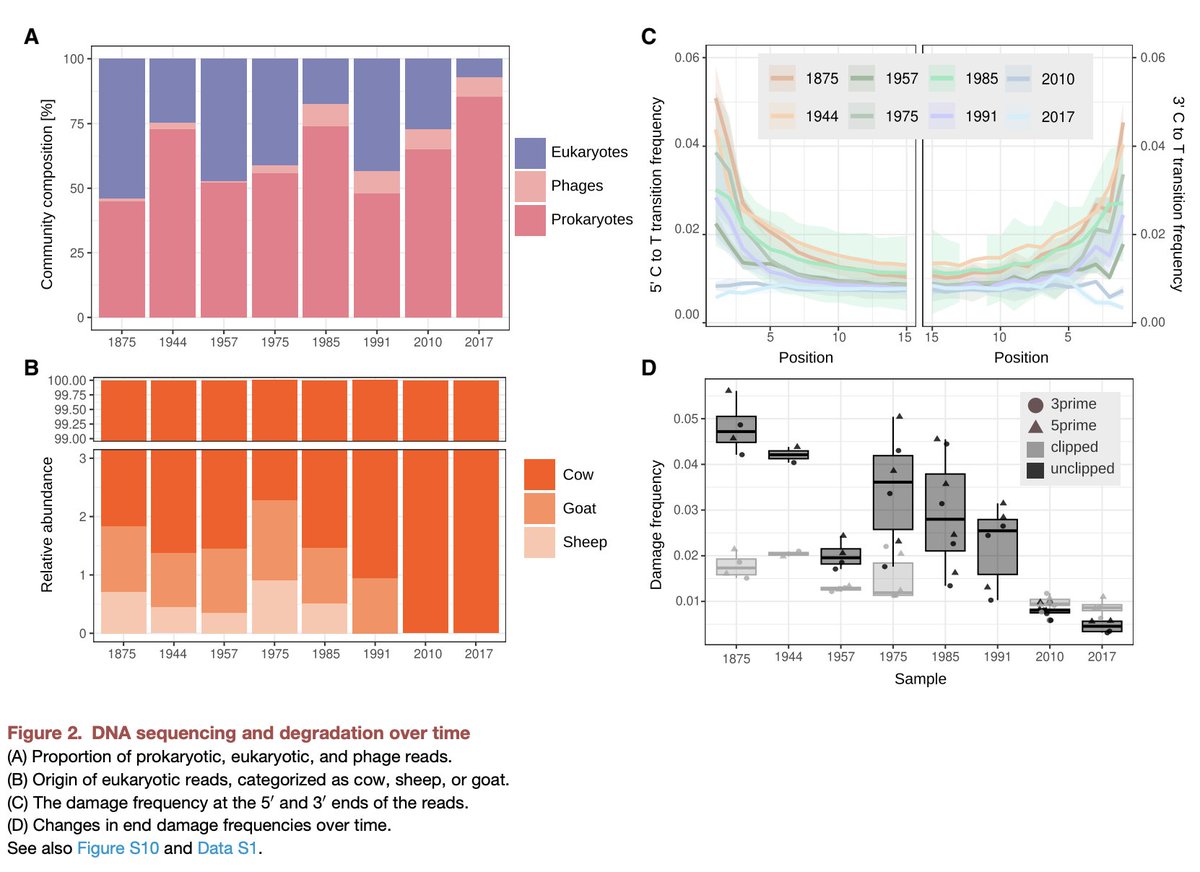
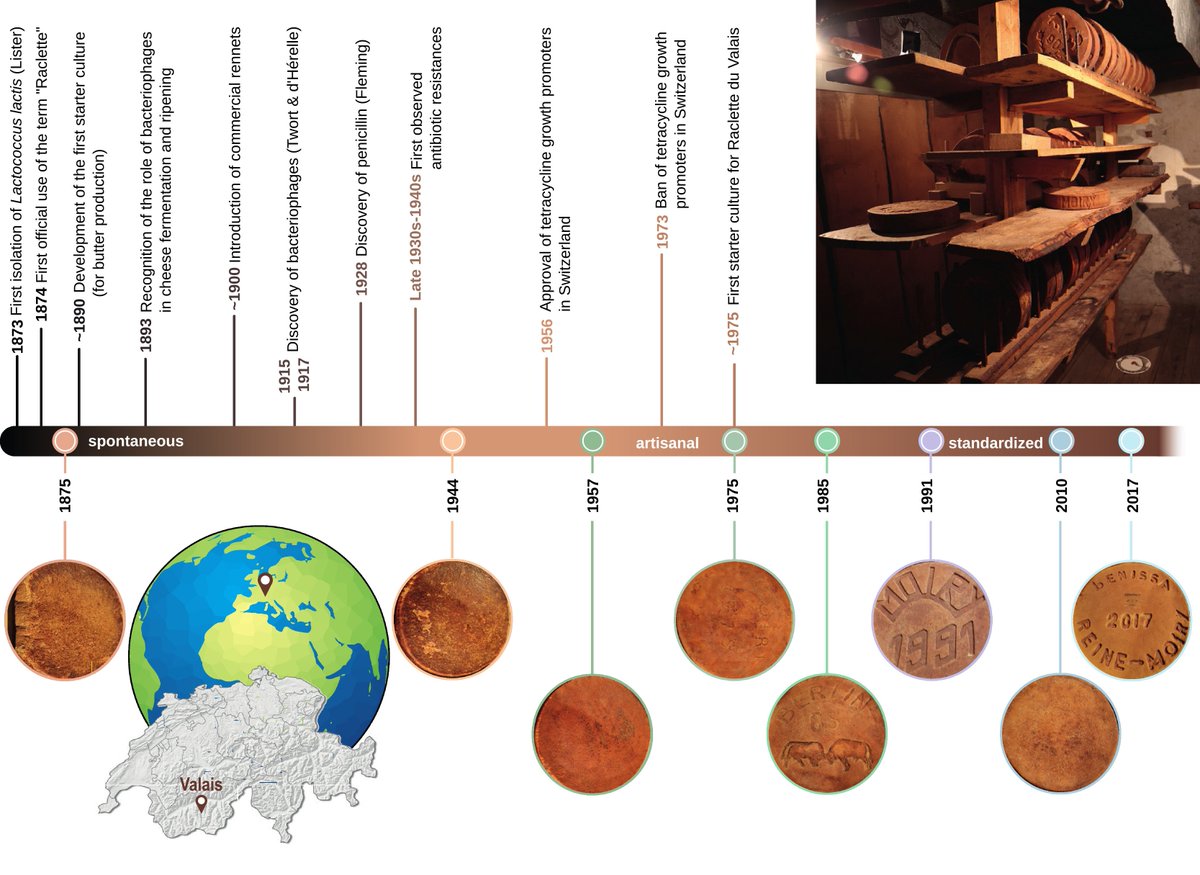
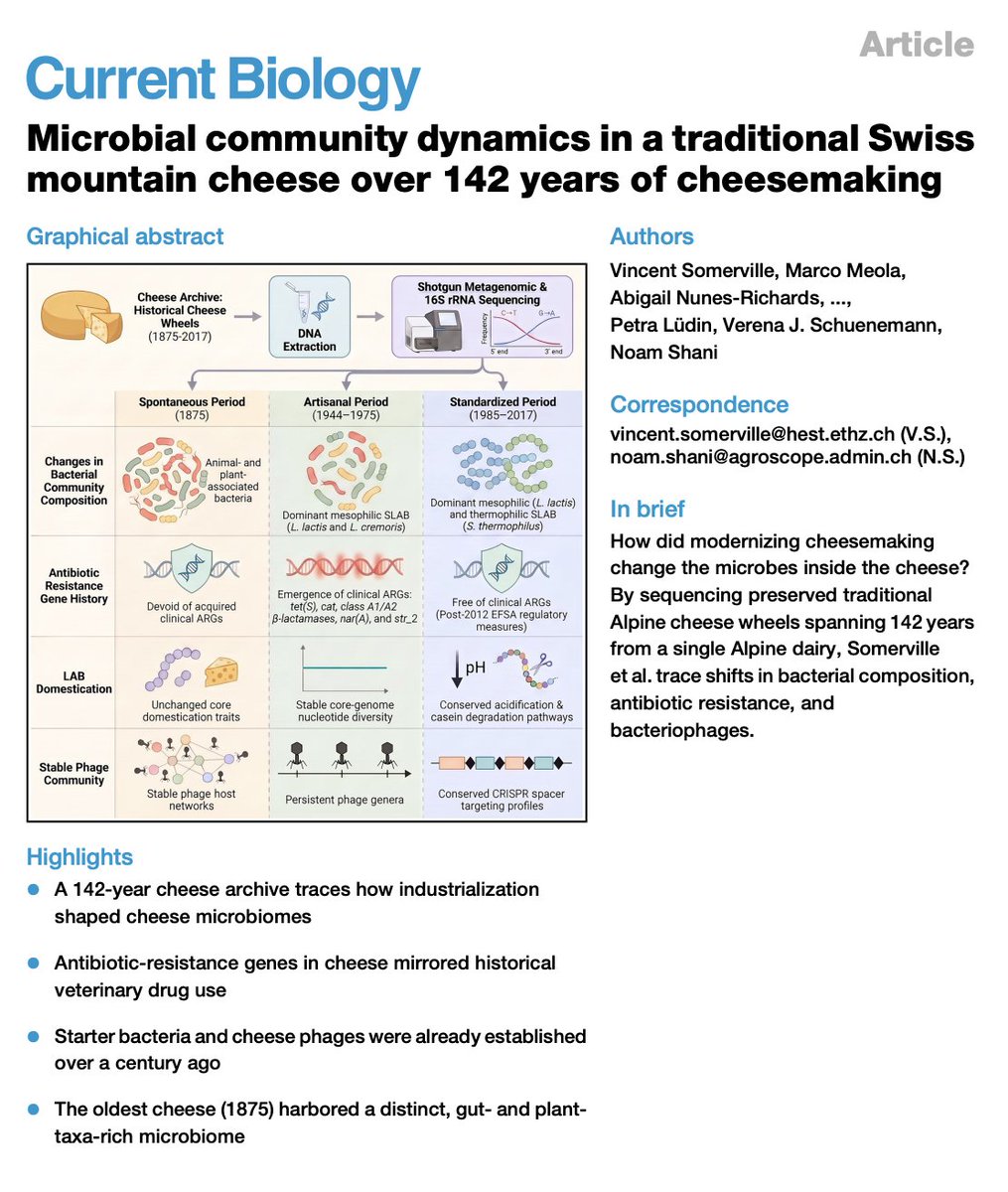
Now we can pair ancient Cheese DNA with ancient wine DNA, how fancy 🧐🎩🧀🍷
In all seriousness this gives us an interesting look into the changes in fermentation microbial diversity over time, especially before/after industrialziation
Read the paper here https://t.co/5p9AYHfI5i
South America's sabre-toothed thylacosmilids were thought extinct by the mid-to-late Pliocene. But bones found in Argentina show a new species, larger than a jaguar, lived on, possibly long enough to encounter predators moving in from the north. https://t.co/25Bzn0ljAw
In 1946, 13 jar stoppers turned up in a First Dynasty tomb at Saqqara. They're lost, but an enhanced photo suggests two name Meretneith, long called a king's wife, in a serekh, a frame reserved for rulers. Was she a king after all? #Archaeology https://t.co/FoqgtqS11B
The Herculaneum scrolls are famous, yet too fragile to unroll and too charred to read. Seiler and co. had an idea: what if the ink contained lead? So they baked their own with lead ink. On X-ray, the ink glowed up to 25 times brighter. #Archaeology https://t.co/sBqt6Rzv7q
A Maya ceramic figurine, from a royal tomb chamber at the ancient city of El Perú-Waka’, depicting a deceased king accompanied by his animal spirit companion, 600–650 CE, now housed at the Museo Nacional de Arqueología y Etnología in Guatemala
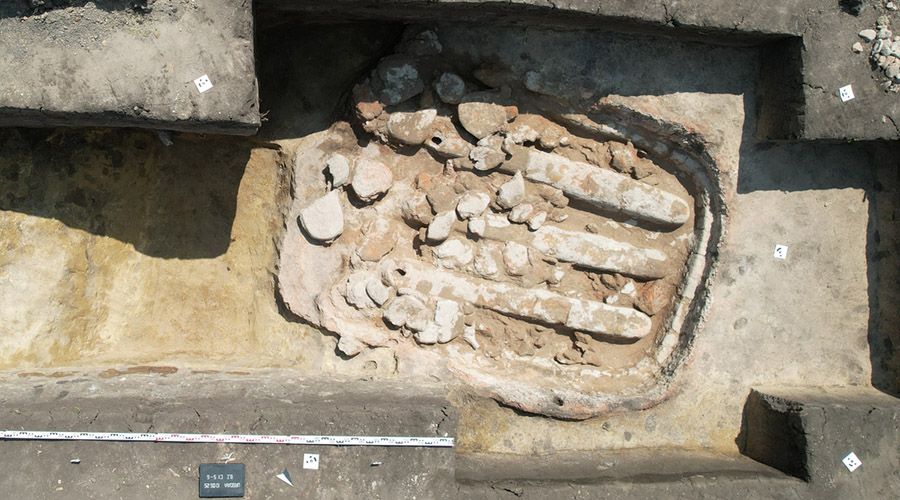
NEW Remains of a huge pottery kiln from the Chalcolithic (5th-4th millennia BC) settlement of Ursoaia, Romania.
The largest known kiln of the Cucuteni–Trypillia culture, it points to an early shift towards craft specialisation in south-eastern Europe.
🆓 https://t.co/lrkOUSYphG
@MoundLore Some serious knapping skills would have been needed to make these. Wonder how long just making one took. Could you imagine making a mistake just as you are about to finish 🫣
The Herculaneum scrolls are famous, yet too fragile to unroll and too charred to read. Seiler and co. had an idea: what if the ink contained lead? So they baked their own with lead ink. On X-ray, the ink glowed up to 25 times brighter. #Archaeology https://t.co/sBqt6Rzv7q
The second Tea Break is out! It's my monthly roundup of new studies, just for supporters ☕
🧪🐍 Could a snake handle point to the cult of Sabazios in Roman Spain? And why do 82 looted copper snakes in Iran look like they came from Early Iron Age Oman?
https://t.co/PIxC6mlVD6
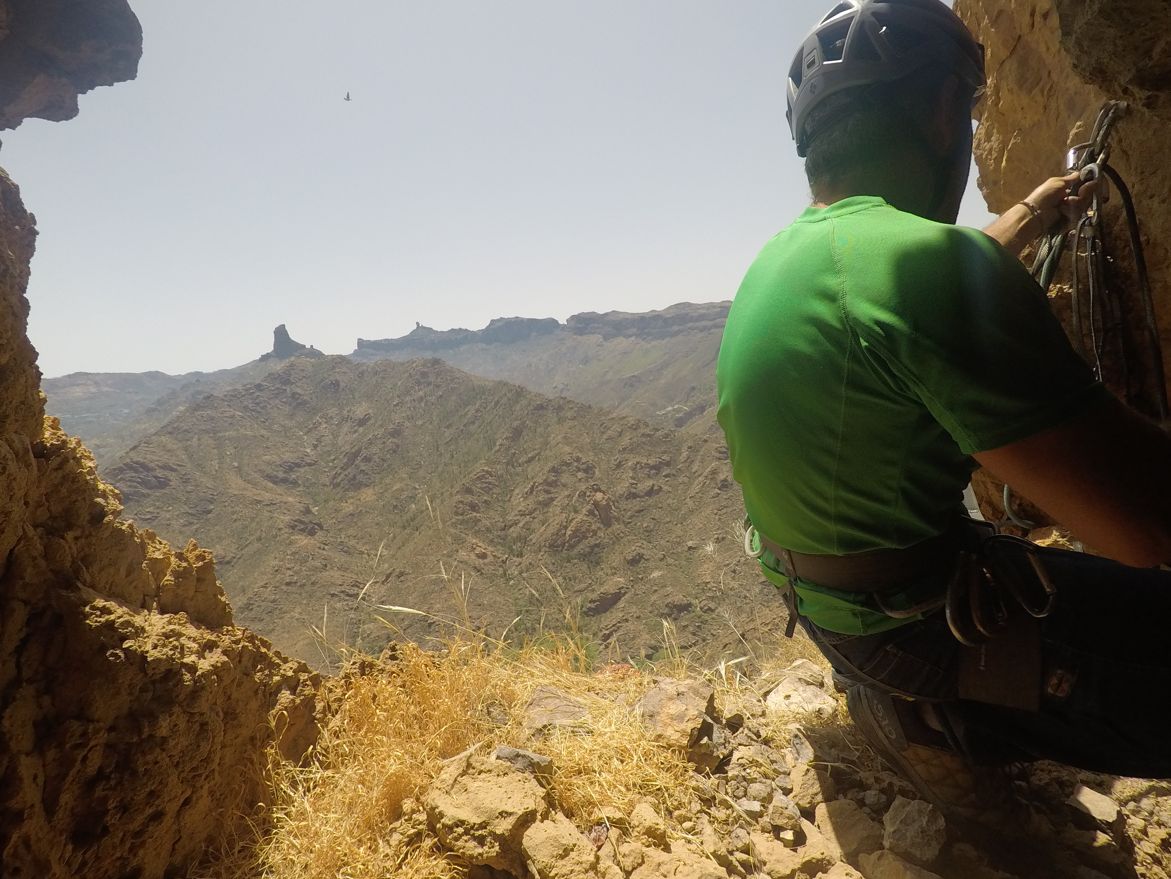
Cave in Gran Canaria, used for burial by the island's Indigenous people #TombTuesday
Analysis of insect remains indicates it began life as a granary, shedding light on life in the Canary Islands before Spanish colonisation.
🆓 https://t.co/HX85IdVSSh
Archaeology Teahouse is 1 month old🎉. 30 stories are live, 493 of you read them and 25 of you nerds signed up for more. Sharing archaeology is the thing I love most and I am so happy to get to do it with all of you.
Thank you! 🤗
https://t.co/KfyrTvJhs9
#Archaeology 🧪
In the 90s, the 'Back to Sleep' campaign was blamed for flat head syndrome. But a recent study found it in Iron Age Italy, nearly 3,000 years earlier. So how did Iron Age babies end up with flat heads? 🧪 #Archaeology https://t.co/0I5BbJyAB3 @Sciencedirect
Archaeologists in China found a 700-year-old woman buried face down, most of her nose gone. Disease? Accident? She may be China's first skeletal evidence of punitive nose-cutting. Yet she lived on for years, maybe with a false nose 🧪 @Sciencedirect https://t.co/g0nM12KuIK